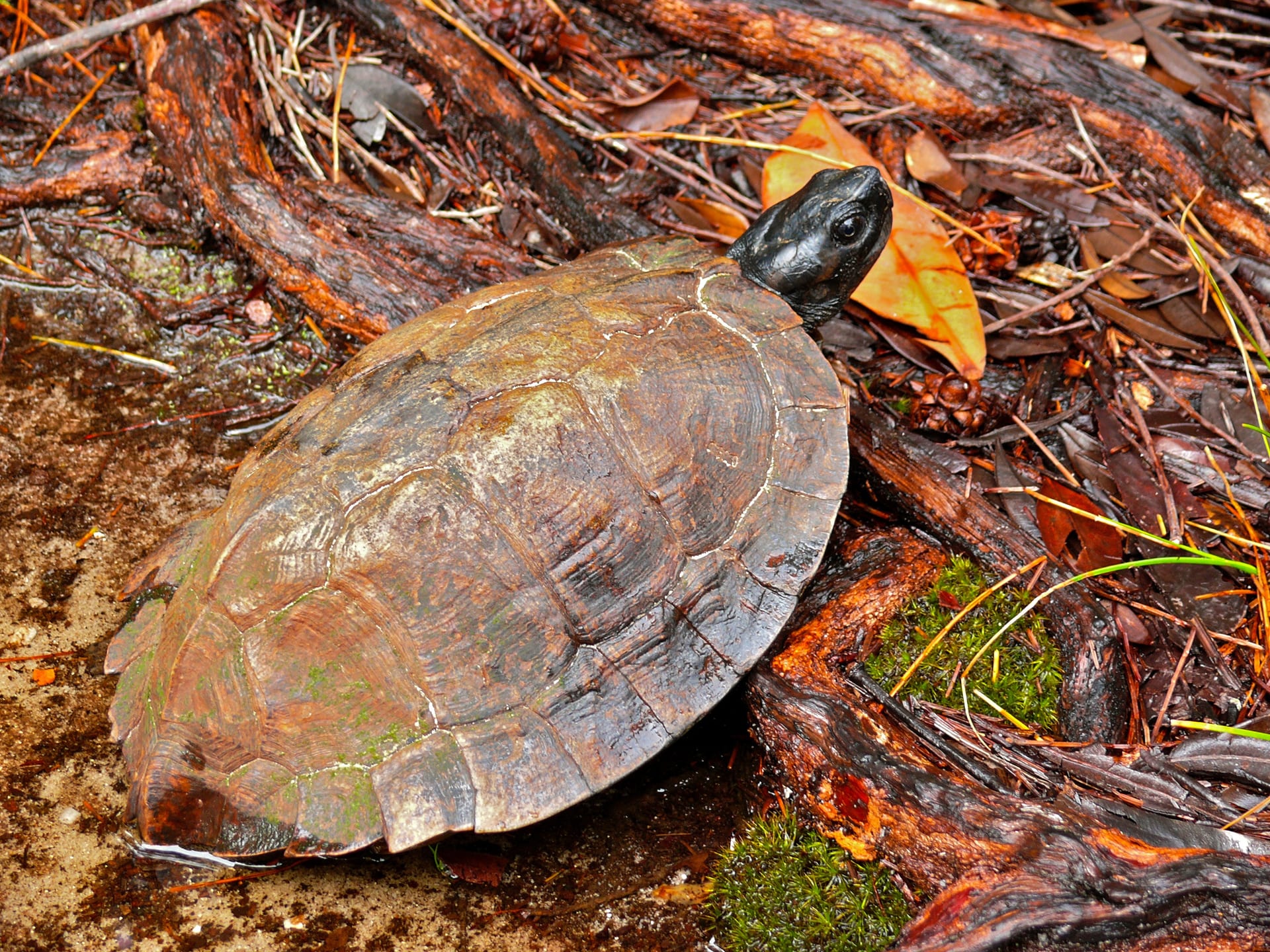
 © Bernard DUPONT from FRANCE / CC BY-SA 2.0
Asian Leaf Turtle
The Asian Leaf Turtle is a small species in the genus Cyclemys, native to a wide range across Southeast Asia. As hatchlings, they have a rounded, saw-toothed carapace edge that resembles a leaf — the trait behind the turtle's name — but as they mature, the shell flattens into an oval shape and the serrated edge becomes far less pronounced. It's a species keepers encounter relatively often, and one of its appeals is watching that shell transformation unfold over the long term. Because it's generally considered an intermediate-level species, some prior reptile-keeping experience is recommended. This species is also listed under CITES Appendix II.
View Asian Leaf Turtle encyclopedia →0% commission on your first sales!Register by September 30, 2026 and your first 2 sales are commission-free!
Breeder Wanted!
List on BreederDirect and sell directly to customers nationwide!
6 Transparency Promises from Br-Choku
Every Reptiles & Amphibians from verified Breeder breeders includes complete information: morph, genetics, feeding requirements, and temperament details.
- Morph Information
- Actual Photos
- Feeding Information
- Temperament Information
- Genetics Information
- Age (Months)
Browse all 319 breeds
Difficulty Level
Feeding Type
Temperament
Verified breeders wanted for Reptiles & Amphibians
Breeders are signing up now ahead of launch. Subscribe to be notified when new listings go live.
Getting alerts is free with a member account. When new listings match your saved search, we'll notify you by email and in-app.
Browse other categories
Verified breeders (preview)
Are you raising reptiles & amphibians?
Register as a breeder and connect with buyers directly.
Apply as a breederAsian Leaf Turtle key facts
- Care level
- Intermediate
- Lifespan
- Few data on lifespan in captivity
- Size
- Carapace length about 15-24 cm (Japanese sources give 21 cm max)
- Diet
- Omnivore (plants, fruit, molluscs, crustaceans, fish)
- Housing
- Not a strong swimmer and walks along the bottom, so use a semi-aquatic setup with moderate water depth and a large land area; adults are said to spend nights on land.
- Diet & Feeding
- An omnivore that eats plants, fruit, molluscs, crustaceans, fish and carrion; combine pellets with vegetables, fruit and animal foods.
- Temperament
- It is wary and may expel gut contents when threatened.
- Health & Cautions
- Shell shape changes greatly from juvenile to adult; do not mistake this for a health problem.
- Notes
- Cyclemys species look alike and hybridize, so confirm the scientific name and origin when buying. Never release a captive animal into the wild.
About Asian Leaf Turtle
The Asian Leaf Turtle is a small Cyclemys species from Southeast Asia, named for the saw-toothed, leaf-like shell of its hatchlings, which flattens into an oval as it matures. Relatively common among keepers; best suited to those with some reptile experience.
7 things to know before welcoming a Asian Leaf Turtle
1Shell Shape Changes With Age
As hatchlings, Asian Leaf Turtles have a round carapace with a jagged, saw-toothed edge. As they grow, the shell flattens into more of an oval and the serrated edge becomes much less noticeable. It's worth enjoying that transformation as part of raising one, not just the look they have when you bring them home.
2Needs Both Water and Land
This is a semi-aquatic species that moves between water and land, so its enclosure needs a swimming area as well as a dry spot where it can climb out and let its shell dry. An imbalance between the two areas can lead to health problems over time.
3UVB Lighting and Heating
Healthy shell growth depends on exposure to UVB light, and a heating setup is needed to keep water and air temperatures in a suitable range. Pair UVB lighting with a heat source, and stay alert to seasonal temperature swings in the room.
4An Omnivorous, Varied Diet
Asian Leaf Turtles eat a broad range of foods, including vegetables, aquatic plants, insects, and fish, so it's best to avoid feeding just one thing repeatedly. Appetite and food intake can shift between the juvenile and adult stages, so adjust portions to match size and activity level.
5Wary Nature, Best Kept Solo
Once accustomed to people, they tend to settle down, but by nature they're cautious and will retreat into their shell or dive underwater when startled. Territorial behavior can lead to fighting when multiple turtles are housed together, so keeping one per enclosure is the safer approach.
6An Intermediate-Level Species
This species is generally considered suited to intermediate keepers, since managing water quality, temperature, and UVB requires some prior experience. If this is your first turtle, it may be worth starting with a hardier, easier-to-manage species first.
7Prepare the Setup Beforehand
Adults reach a shell length of roughly 15 to 24 cm, so it helps to set up housing sized for their adult dimensions from the start rather than upgrading later. It's also worth knowing that this species is listed under CITES Appendix II before you bring one home.
Frequently asked questions about Asian Leaf Turtle
- Q.Is this turtle suitable for beginners?
- A.The Asian Leaf Turtle is generally considered an intermediate-level species. Managing water temperature, UVB lighting, and other environmental factors takes some experience, so it's best suited to keepers who already have some turtle-keeping background or have researched care requirements thoroughly beforehand.
- Q.How big do they get?
- A.Adults typically reach a shell length of around 15 to 24 cm. Since individual turtles vary, it's a good idea to set up housing sized for their full adult dimensions before bringing one home.
- Q.Does their appearance change as they grow?
- A.Yes, quite noticeably. Hatchlings have a round, saw-toothed carapace, but as they mature the shell flattens into more of an oval and the serrated edge becomes far less pronounced.
- Q.What should I feed them?
- A.They're omnivorous and will eat a range of foods, including vegetables, aquatic plants, insects, and fish. Try not to rely on just one type of food, and adjust the diet as the turtle grows and its activity level changes.
- Q.Are they listed under CITES?
- A.Yes, the Asian Leaf Turtle is listed under CITES Appendix II. It's worth confirming this detail for yourself before deciding to bring one home.
Useful tools for Asian Leaf Turtle care
Learn more about Asian Leaf Turtle in the encyclopedia
View Asian Leaf Turtle encyclopedia entry →
Care difficulty, lifespan, size and diet — all basics covered.
More in this category
Can't find the one you're looking for?
Post your wishes for free and breeders with matching animals will contact you with introductions.