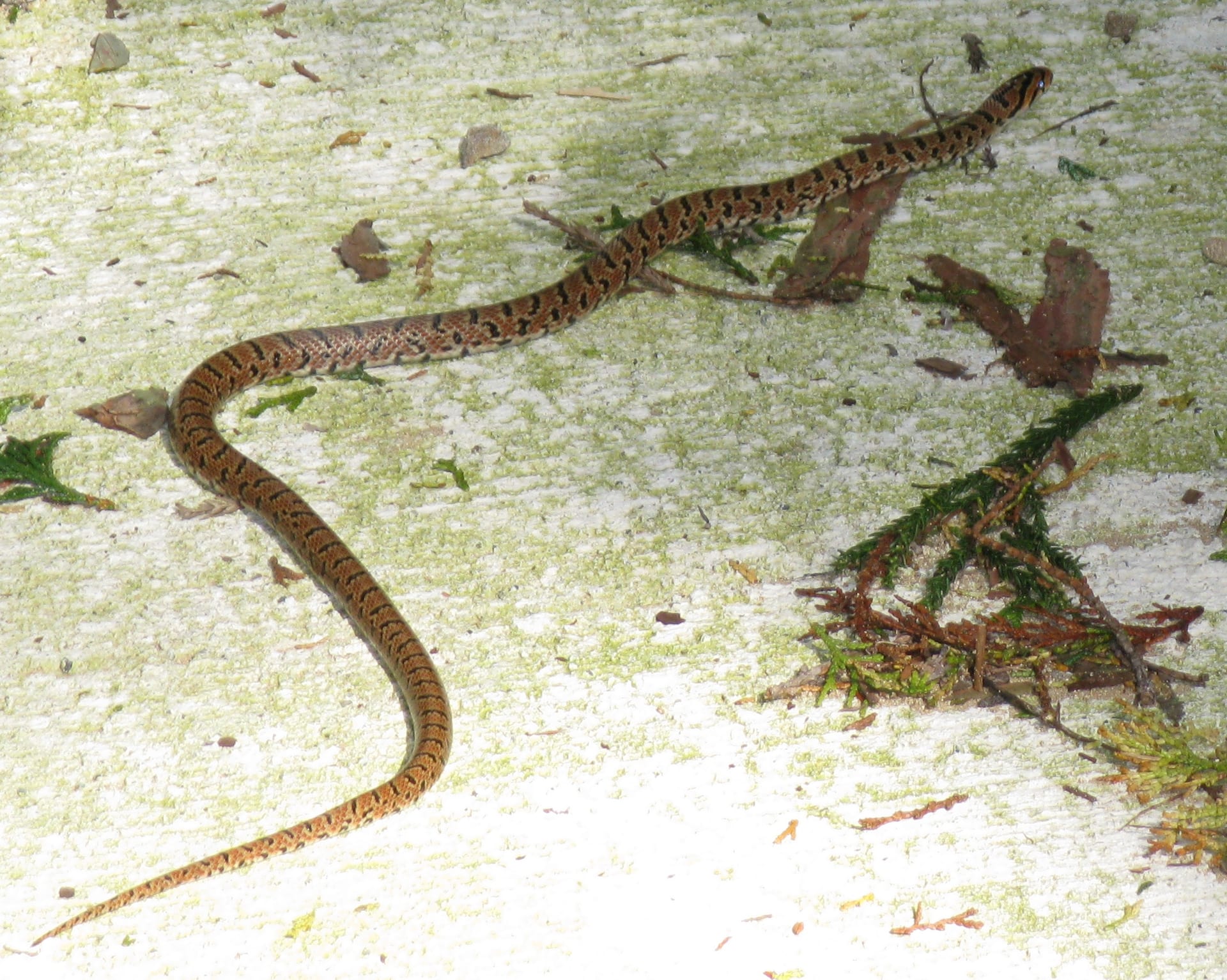
 © KENPEI / CC BY-SA 3.0
Japanese Forest Rat Snake
The Japanese forest rat snake is a species found only in Japan, known for its reddish-brown body scattered with black spots and a checkerboard pattern on its belly. A bold V-shaped marking on the head extends down across the eyes, giving the snake a "bespectacled" look that inspired its scientific species name. Its upper jaw slightly overhangs the lower jaw, adding to its distinctive profile. While generally calm in temperament, this snake is considered suitable for experienced keepers rather than beginners, and its muted, earthy coloring offers quiet appeal to those who enjoy observing a subtle, native species closely.
View Japanese Forest Rat Snake encyclopedia →0% commission on your first sales!Register by September 30, 2026 and your first 2 sales are commission-free!
Breeder Wanted!
List on BreederDirect and sell directly to customers nationwide!
6 Transparency Promises from Br-Choku
Every Reptiles & Amphibians from verified Breeder breeders includes complete information: morph, genetics, feeding requirements, and temperament details.
- Morph Information
- Actual Photos
- Feeding Information
- Temperament Information
- Genetics Information
- Age (Months)
Browse all 319 breeds
Difficulty Level
Feeding Type
Temperament
Verified breeders wanted for Reptiles & Amphibians
Breeders are signing up now ahead of launch. Subscribe to be notified when new listings go live.
Getting alerts is free with a member account. When new listings match your saved search, we'll notify you by email and in-app.
Browse other categories
Verified breeders (preview)
Are you raising reptiles & amphibians?
Register as a breeder and connect with buyers directly.
Apply as a breederJapanese Forest Rat Snake key facts
- Care level
- Advanced
- Lifespan
- 10-15 years
- Size
- 70-100cm total length
- Temperature
- 24℃
- Diet
- Carnivorous: small mammals such as mice and moles, with a particular preference for nestling mice in underground nests
- Temperature & Humidity
- It prefers cool conditions around 24 C and is markedly intolerant of heat and stagnant, humid air. In the wild it may cease surface activity altogether when summer becomes too hot or dry, so keeping it cool in summer is the first priority in captivity. Ensure good ventilation and avoid a stuffy enclosure. It brumates in winter.
- Enclosure
- Semi-fossorial, it burrows into the forest floor and shelters under stones. Provide substrate deep enough to burrow in, with flat stones and hides seated on the enclosure floor. Because it is heat-sensitive, site the enclosure somewhere cool away from direct sun and heat sources and choose a well-ventilated design.
- Diet & Feeding
- It feeds mainly on small mammals such as mice and moles, especially nestlings in underground nests. In captivity offer frozen-thawed pinkies and fuzzies, but expect it to feed actively only in spring and autumn, when mice breed, and to fast in summer and winter: manage its weight on the assumption of seasonal anorexia.
- Temperament
- Generally placid, but when threatened it releases a distinctive sharp, green-smelling secretion from the cloaca, as other Elaphe-group snakes do. It spends much of its time underground and is often out of sight. Snakes can prey on one another, so keep it singly.
- Notes
- Not listed on any CITES appendix. The IUCN assesses it as Least Concern. It appears neither on the schedule of designated dangerous animals under the Order for Enforcement of the Act on Welfare and Management of Animals nor on Japan's list of invasive alien species. As a native Japanese species, collection from the wild may be restricted by local ordinances or by rules covering protected areas. Intolerant of heat and stuffy conditions and prone to seasonal anorexia, it feeds poorly and is considered difficult to collect, keep and breed; it is not recommended for beginners.
About Japanese Forest Rat Snake
Learn about the Japanese forest rat snake, a species native only to Japan with reddish-brown, black-spotted scales and a distinctive V-shaped head marking. Key facts on size and care difficulty before bringing one home.
7 things to know before welcoming a Japanese Forest Rat Snake
1Suited to experienced keepers
The Japanese forest rat snake is classified as suitable for experienced keepers. Prior snake-keeping experience and a solid understanding of husbandry and health monitoring are recommended before taking one on.
2Adults reach 70–100 cm
Adults typically reach 70 to 100 cm in total length. Choose an enclosure that will comfortably accommodate this size once the snake is fully grown.
3A burrowing, secretive nature
This species is known for burrowing and spending time hidden away rather than out in the open. Providing a shelter and suitable substrate to burrow into helps the snake feel secure.
4Coloring varies by individual
The base pattern features a reddish-brown body with black spots and a checkerboard-patterned belly. The exact spotting and shade vary from individual to individual, giving each snake its own distinct look.
5Endemic only to Japan
The Japanese forest rat snake is endemic to Japan and found nowhere else in the wild. Unlike many popular pet snakes native to other countries, it evolved within Japan's own natural environment.
6The V-mark behind its name
A V-shaped marking on the head crosses over the eyes in a way that resembles spectacles, which is how the species got its scientific name. This marking, along with an upper jaw that slightly overhangs the lower jaw, helps distinguish it from other snakes.
7Research before bringing one home
Because this species is recommended for experienced keepers, it's important to research housing and daily care thoroughly before bringing one home. Consulting directly with the breeder beforehand about any questions can help ensure a smooth start.
Frequently asked questions about Japanese Forest Rat Snake
- Q.Can beginners keep a Japanese forest rat snake?
- A.This species is generally considered suitable for experienced keepers rather than beginners. If you're new to snake keeping, it's a good idea to research thoroughly or consult someone with hands-on experience first.
- Q.How big do Japanese forest rat snakes get as adults?
- A.Adults typically reach a total length of about 70 to 100 cm. Make sure to prepare an enclosure sized to comfortably fit a snake of this length.
- Q.Where does the name "Jimuguri" come from?
- A.The Japanese name is thought to derive from its habit of burrowing into the ground and hiding under cover. Its scientific species name comes from the V-shaped marking across its eyes, which resembles a pair of spectacles.
- Q.Is the Japanese forest rat snake covered by CITES?
- A.No, this species is not subject to CITES. It is known as a snake native only to Japan.
- Q.What is the temperament of the Japanese forest rat snake like?
- A.It's generally known as a relatively calm species, though individual temperament can vary. Since it's considered suitable for more experienced keepers, it helps to draw on advice from experienced keepers until you're familiar with handling it.
Useful tools for Japanese Forest Rat Snake care
Learn more about Japanese Forest Rat Snake in the encyclopedia
View Japanese Forest Rat Snake encyclopedia entry →
Care difficulty, lifespan, size and diet — all basics covered.
More in this category
Can't find the one you're looking for?
Post your wishes for free and breeders with matching animals will contact you with introductions.