 © Kennyannydenny / CC BY-SA 3.0
Chinese Fire-Bellied Newt
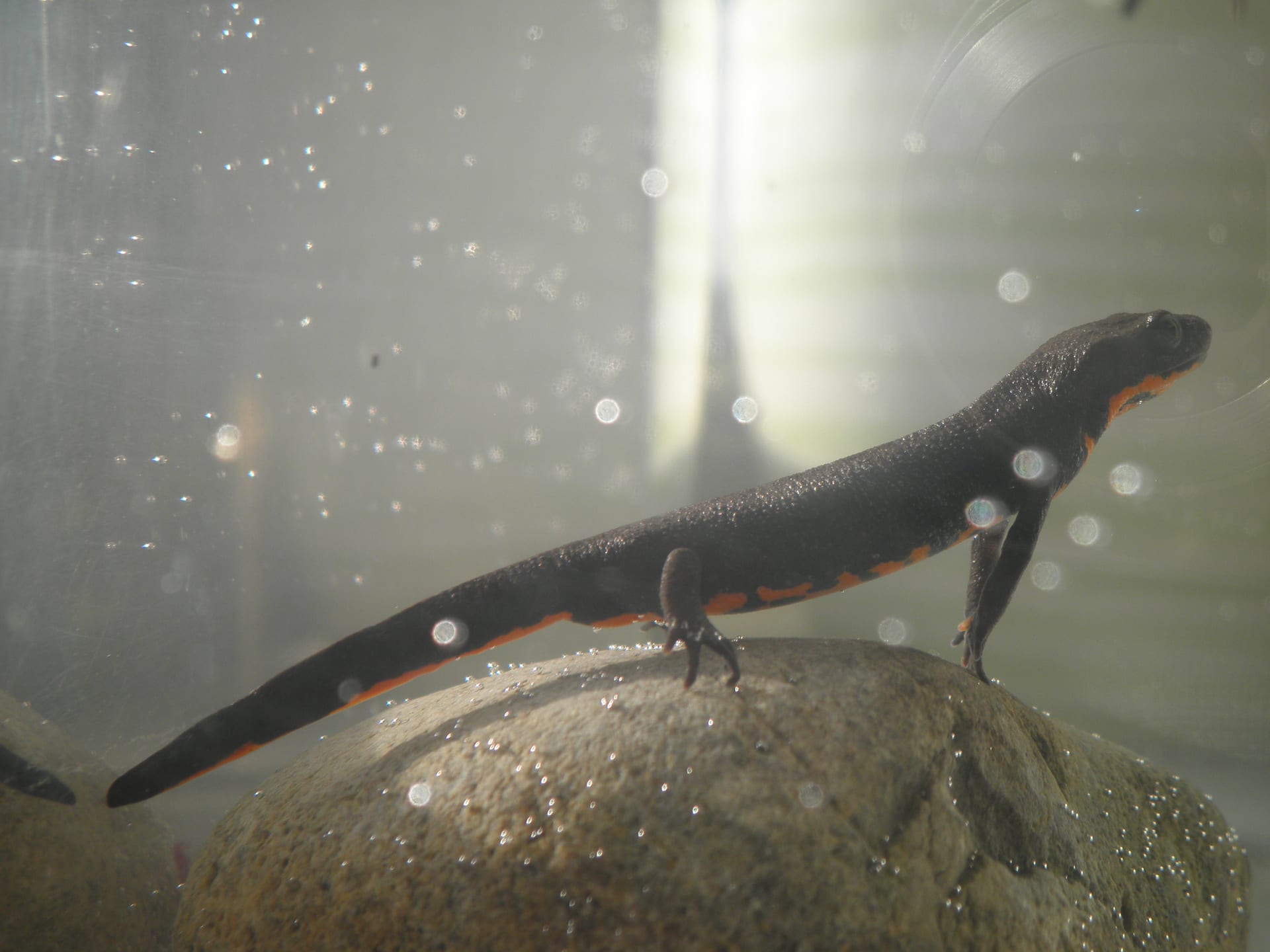
The Chinese Fire-Bellied Newt is a small amphibian native to east-central China, staying under 10 cm in total length with a compact, easy-to-house body. Its back is glossy black with relatively smooth skin, while its belly flashes vivid red-orange warning coloration, a striking contrast that has made it one of the most commonly available newts in the aquarium trade. Individuals tend to be calm and slow-moving, making them a soothing species to watch as they drift through the water or rest on land. Because they are sensitive to heat, keepers need to pay close attention to temperature control, especially in summer, which is why this newt is generally considered a good match for intermediate keepers rather than absolute beginners.
View Chinese Fire-Bellied Newt encyclopedia →0% commission on your first sales!Register by September 30, 2026 and your first 2 sales are commission-free!
Breeder Wanted!
List on BreederDirect and sell directly to customers nationwide!
6 Transparency Promises from Br-Choku
Every Reptiles & Amphibians from verified Breeder breeders includes complete information: morph, genetics, feeding requirements, and temperament details.
- Morph Information
- Actual Photos
- Feeding Information
- Temperament Information
- Genetics Information
- Age (Months)
Browse all 280 breeds
Difficulty Level
Feeding Type
Temperament
Verified breeders wanted for Reptiles & Amphibians
Breeders are signing up now ahead of launch. Subscribe to be notified when new listings go live.
Getting alerts is free with a member account. When new listings match your saved search, we'll notify you by email and in-app.
Browse other categories
Verified breeders (preview)
Are you raising reptiles & amphibians?
Register as a breeder and connect with buyers directly.
Apply as a breederChinese Fire-Bellied Newt key facts
- Care level
- Intermediate
- Lifespan
- 15-20 years
- Size
- 6-10cm
- Temperature
- 14〜20℃
- Diet
- Frozen bloodworms, blackworms, daphnia and small live foods
- Temperature & Humidity
- Hold the water at a cool 14-20 C and avoid anything above 23 C; use a chiller or fan in summer. Cooling to 5-15 C in winter encourages courtship if breeding is the aim.
- Enclosure
- Use a densely planted aquarium with stacked rocks or floating plants breaking the surface. Water depth is a matter of choice. Once settled it stays almost entirely aquatic. Keep the tank covered to prevent escapes.
- Diet & Feeding
- Offer frozen bloodworms, blackworms, daphnia and small earthworms. Some take prepared foods, but moving prey is more reliable. Remove uneaten food promptly.
- Temperament
- Peaceable and suited to groups. Do not house it with larger or aggressive amphibians. Newly imported animals may refuse the water at first but settle into aquatic life once conditions stabilise.
- Notes
- It is sensitive to heat and poor water quality, and freshly imported animals often arrive in poor condition, so quarantine them and keep up water changes. The skin is toxic, so wash your hands after handling.
About Chinese Fire-Bellied Newt
The Chinese Fire-Bellied Newt is a small newt native to China, known for its glossy black back and vivid red-orange belly. It is widely available in the aquarium trade but sensitive to heat, making it best suited to intermediate keepers.
7 things to know before welcoming a Chinese Fire-Bellied Newt
1Sensitivity to Heat
This newt prefers cool conditions and can struggle if temperatures stay high for extended periods. In summer, pay attention to enclosure placement and water temperature, and keep it out of direct sunlight.
2Semi-Aquatic Setup
A proper enclosure needs both land and water areas. Juveniles tend to spend more time in the water, while some individuals spend more time on land as they mature.
3Skin Secretions
The skin is relatively smooth, and the red-orange belly is thought to serve as warning coloration to predators. Because the skin produces secretions, always wash your hands after handling.
4Calm Temperament
Most individuals are slow-moving and calm, and they do fine kept alone. Group housing is possible too, but providing plenty of hiding spots helps them settle in.
5Escape-Proofing
Newts have soft, flexible bodies and can squeeze through surprisingly small gaps. Choose a lid that locks securely while still allowing adequate airflow.
6Feeding Habits
They respond well to moving food and will take both live food and prepared diets. Overfeeding can lead to obesity or poor water quality, so keep portions and frequency consistent.
7Before You Bring One Home
Set up an enclosure with both water and land areas, along with filtration and temperature-control equipment, before your newt arrives. Since this species suits intermediate keepers, some prior amphibian-care experience will help you get started smoothly.
Frequently asked questions about Chinese Fire-Bellied Newt
- Q.Is this newt suitable for beginners?
- A.It is generally considered suited to intermediate keepers rather than complete beginners, partly because of its sensitivity to heat. Keepers with some basic amphibian care experience should find it manageable.
- Q.How large do adults get?
- A.Adults reach about 6-10 cm, making this a small species overall at under 10 cm in total length. Their compact size makes them easy to house even in limited space.
- Q.Is this species subject to CITES?
- A.This species is not subject to CITES.
- Q.Can they be housed with other newts or animals?
- A.Given territorial behavior and predation risk, it is generally safest to keep them alone or only with others of the same species. Housing different species together can cause stress or injury, so this should be approached with caution.
- Q.What is the most important care consideration?
- A.Sensitivity to heat is the biggest thing to watch for. In summer, manage water temperature and enclosure placement carefully to keep conditions cool and stable.
Useful tools for Chinese Fire-Bellied Newt care
Learn more about Chinese Fire-Bellied Newt in the encyclopedia
View Chinese Fire-Bellied Newt encyclopedia entry →
Care difficulty, lifespan, size and diet — all basics covered.
More in this category
Can't find the one you're looking for?
Post your wishes for free and breeders with matching animals will contact you with introductions.