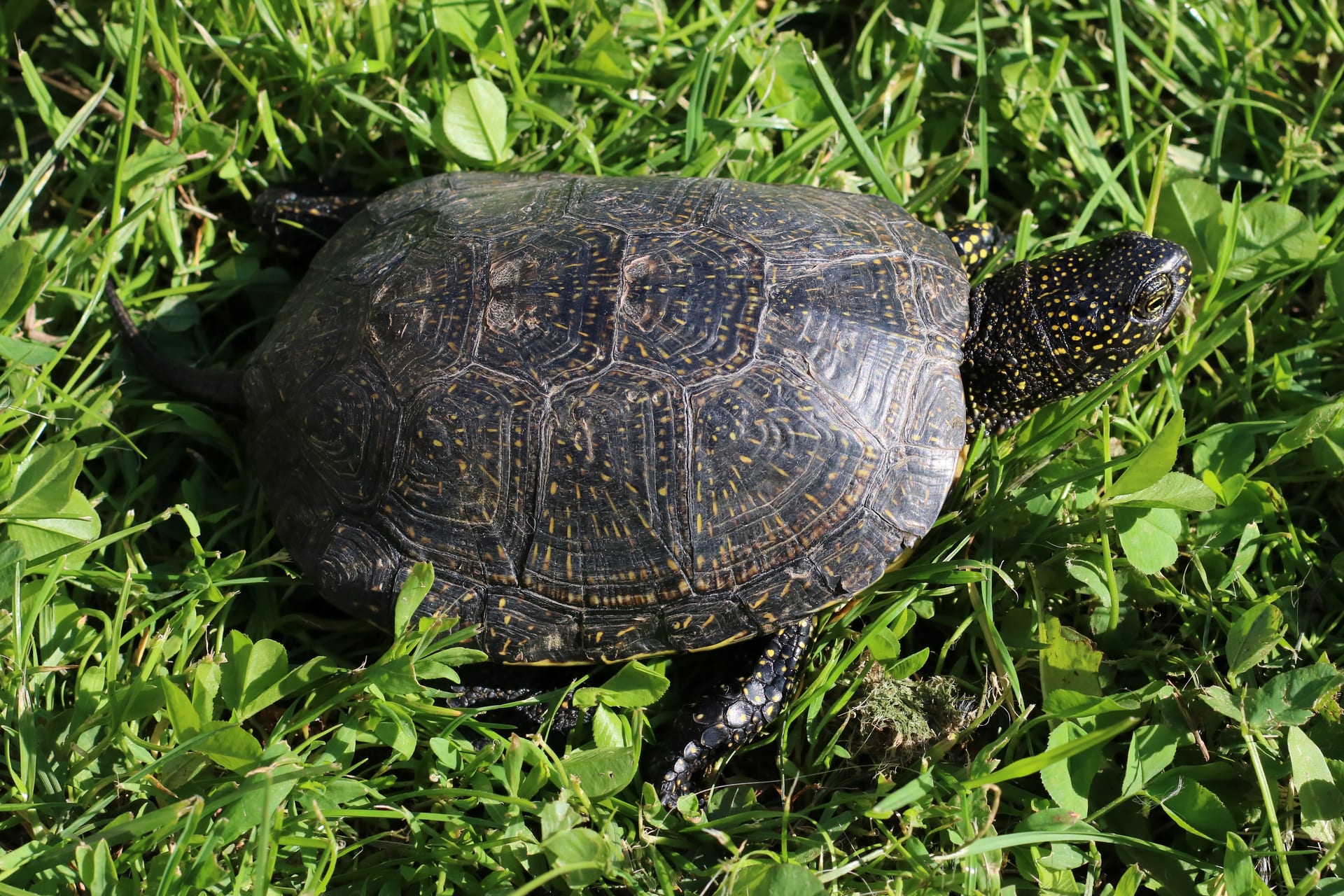
 © George Chernilevsky / CC BY 4.0
European Pond Turtle
The European Pond Turtle is the only pond turtle species native to a range spanning Europe, North Africa, and West Asia. Its name comes from the rounded shape of its carapace when viewed from above, and it has an unusual anatomical trait: the carapace and plastron are connected by a ligament. With a maximum shell length of about 23cm (males topping out around 20cm), it stays a manageable size compared to many other pond turtles, and individuals are often described as calm, though temperament varies. It adapts well to outdoor keeping, making it a rewarding companion for intermediate keepers ready for a long-term commitment. Because of its long lifespan, prospective owners should plan for a lifetime of care, not just a few years.
View European Pond Turtle encyclopedia →Breeder Wanted!
List on BreederDirect and sell directly to customers nationwide!
BreederDirect's 6 Transparency Commitments
Every Reptiles & Amphibians from verified Breeder breeders includes complete information: morph, genetics, feeding requirements, and temperament details.
- Morph Information
- Actual Photos
- Feeding Information
- Temperament Information
- Genetics Information
- Age (Months)
Browse all 319 breeds
Difficulty Level
Feeding Type
Temperament
Verified breeders wanted for Reptiles & Amphibians
Breeders are signing up now ahead of launch. Subscribe to be notified when new listings go live.
Getting alerts is free with a member account. When new listings match your saved search, we'll notify you by email and in-app.
Browse other categories
Verified breeders (preview)

Are you raising reptiles & amphibians?
Register as a breeder and connect with buyers directly.
Apply as a breederEuropean Pond Turtle key facts
- Care level
- Intermediate
- Lifespan
- Usually 40-60 years, with rare individuals exceeding 100
- Size
- Carapace up to 23cm; males up to 20cm
- Diet
- Aquatic turtle pellets, insects, crustaceans, earthworms, fish, amphibians, flowers, fruit and algae
- Temperature & Humidity
- It ranges across temperate and Mediterranean climates and most populations hibernate, so a regime with seasonal variation suits it.
- Enclosure
- Keep it in an aqua-terrarium. It likes to come out of the water, so give it a generous land area, and furnish the water with a sandy or muddy bottom it can bury into, plus aquatic plants.
- Diet & Feeding
- Omnivorous with a carnivorous bias, taking insects, crustaceans, earthworms, fish and amphibians as well as flowers, fruit and algae. Captive animals take prepared pellets readily.
- Temperament
- Wary: a basking animal dives at the first sign of a person. It is not aggressive, though males pursue females in the breeding season.
- Notes
- The Ukrainian population has been on CITES Appendix III since 22 June 2021, listed by Ukraine. The listing covers only the Ukrainian population, not the species as a whole. Appendix III needs no individual registration certificate in Japan, but importing an animal from that population requires documentation issued by the exporting country. It is neither a designated dangerous animal nor an invasive alien species in Japan. It is legally protected across much of its European range, and some countries forbid possession of wild-caught animals.
About European Pond Turtle
The only pond turtle native to Europe, North Africa, and West Asia, with a maximum shell length of 23cm and a lifespan of 40-60 years. Best suited to intermediate keepers ready for a long-term commitment.
7 things to know before welcoming a European Pond Turtle
1Needs Both Ample Water and Land
As a semi-aquatic species, the European Pond Turtle needs both a swimming area and a dry basking spot. Since adults can reach a shell length of up to 23cm, plan enclosure size around their eventual adult size from the start.
2UV Light and Heating Are Essential
UVB lighting for basking and heating equipment to maintain water and air temperature are essential for keeping this species healthy. Although it adapts well to outdoor keeping, equipment needs to be adjusted according to season and local climate.
3Prepare for an Exceptionally Long Life
Lifespan typically ranges from 40 to 60 years, with rare individuals reportedly living past 100. Bringing one home is a long-term commitment that should account for future life changes, not just your current circumstances.
4Understand Its Unique Shell Structure
Its species name references the rounded shape of its carapace, and unlike many turtles, the carapace and plastron are joined by a ligament rather than being fully fused. Knowing this structural trait helps when observing shell condition during routine health checks.
5Feed a Balanced Omnivorous Diet
This species is omnivorous, feeding on a balance of aquatic animal and plant matter. Avoiding an overly narrow diet and adjusting nutritional balance to life stage supports long-term health.
6Make Water Quality Checks a Habit
Given its strongly aquatic habits, maintaining water quality through filtration and regular water changes is important. Sudden temperature swings can also be stressful, so pay extra attention during seasonal transitions.
7Set Up the Habitat Before Bringing One Home
It's best to set up the water area, land area, heating, and UV lighting in advance, and let water quality and temperature stabilize before bringing the turtle home. As this is considered a species suited to intermediate keepers, reviewing the basics beforehand is worthwhile.
Frequently asked questions about European Pond Turtle
- Q.How big does a European Pond Turtle get?
- A.They grow to a maximum shell length of about 23cm, with males typically staying smaller at up to around 20cm. It's important to prepare enclosure space with their eventual adult size in mind.
- Q.How long do European Pond Turtles live?
- A.They typically live 40 to 60 years, with rare cases reportedly exceeding 100 years. It's important to bring one home with a long-term care plan in mind.
- Q.Is this species suitable for beginners?
- A.The European Pond Turtle is generally considered suited to intermediate keepers. Managing both aquatic and land areas along with UV lighting requires some know-how, so it suits those with prior keeping experience or thorough preparation.
- Q.Are there any international trade regulations on this species?
- A.European Pond Turtle is listed in CITES Appendix III, but only for the population of Ukraine. As far as CITES is concerned, no registration is needed to buy or sell individuals in Japan.
- Q.Can they be kept outdoors?
- A.They are considered well-suited to outdoor keeping, though water and heating setups need to be adjusted for local climate and seasonal changes. Check that your local conditions are suitable before setting up an outdoor enclosure.
Useful tools for European Pond Turtle care
Learn more about European Pond Turtle in the encyclopedia
View European Pond Turtle encyclopedia entry →
Care difficulty, lifespan, size and diet — all basics covered.
More in this category
Can't find the one you're looking for?
Post your wishes for free and breeders with matching animals will contact you with introductions.