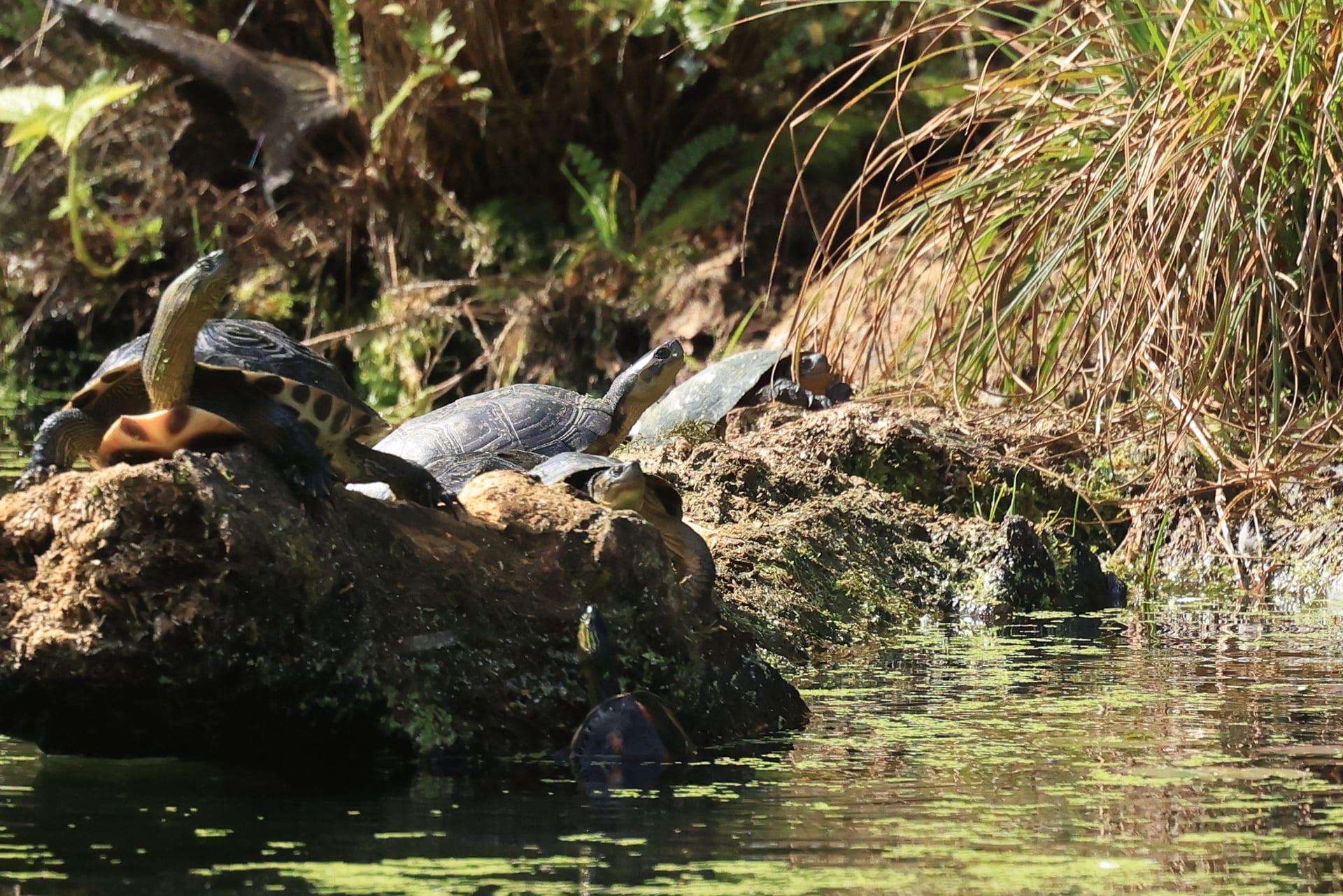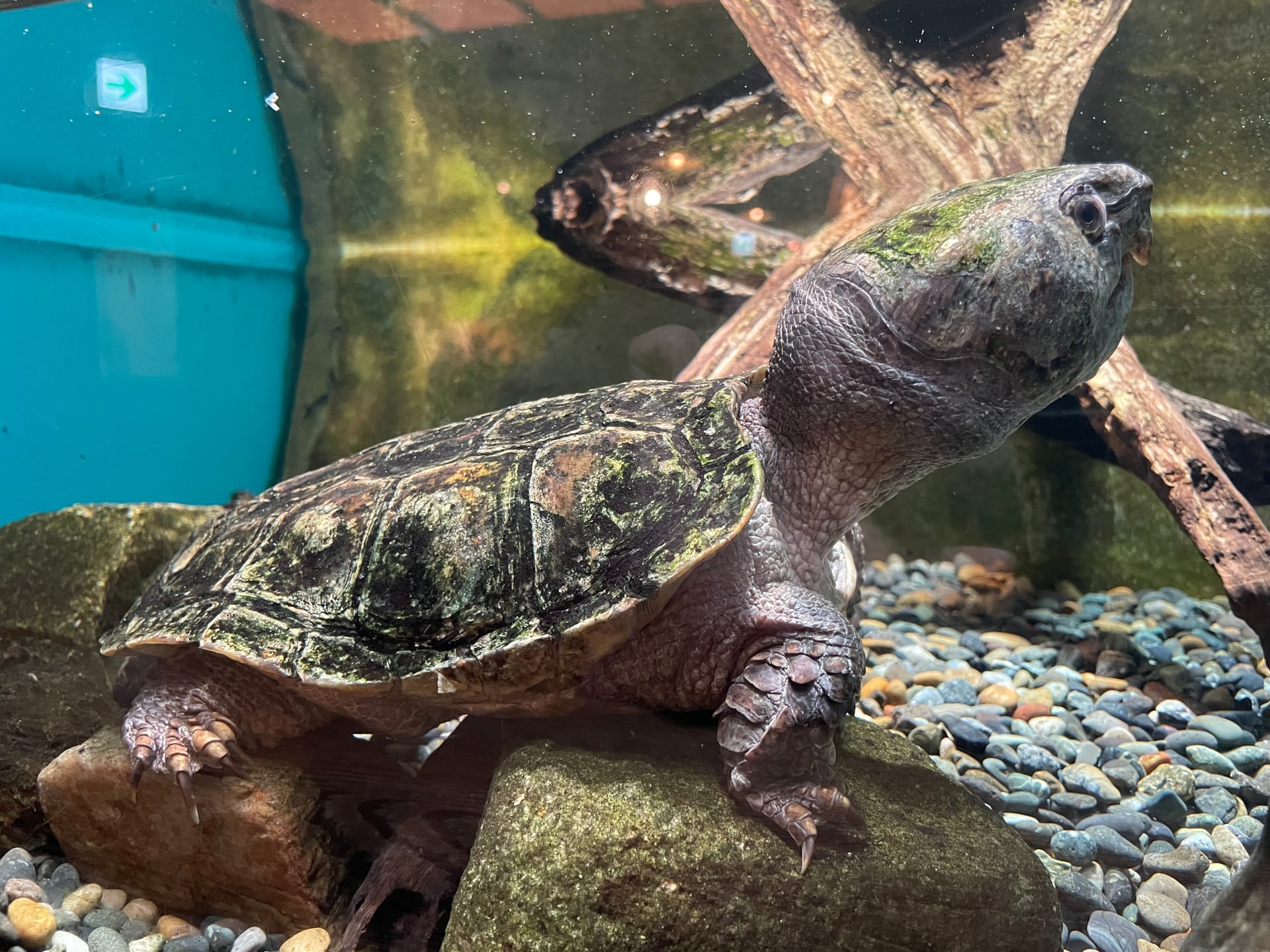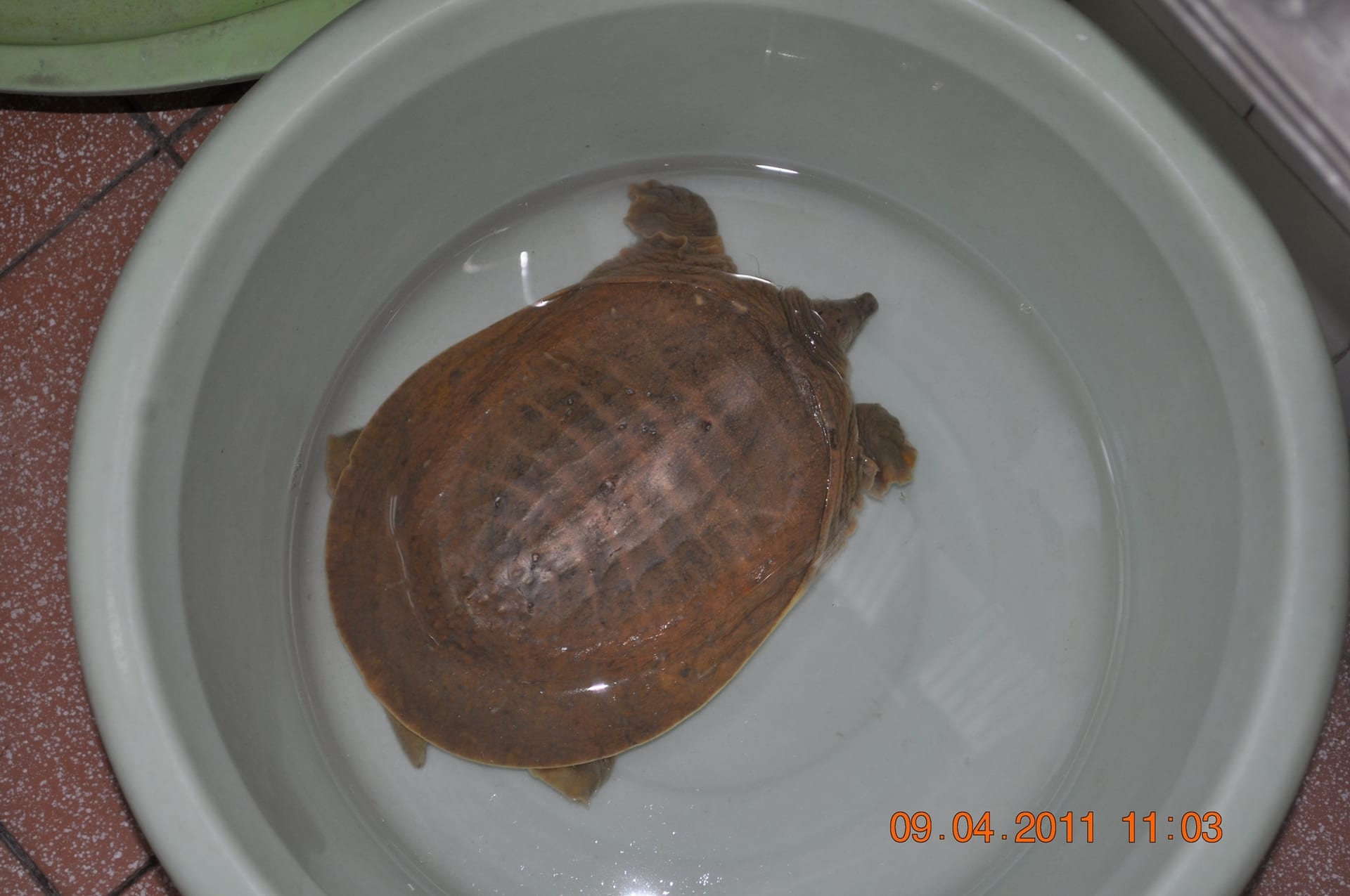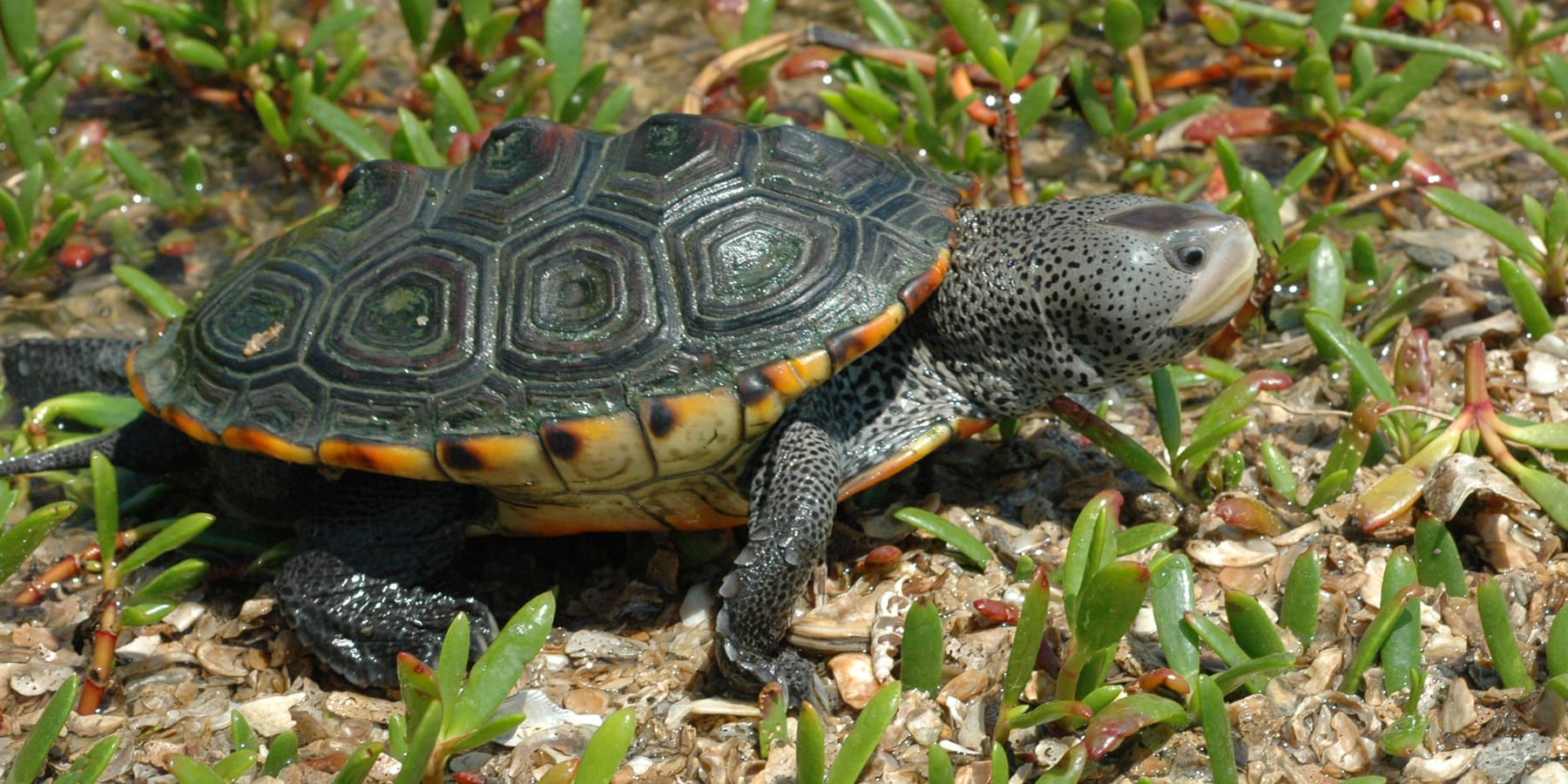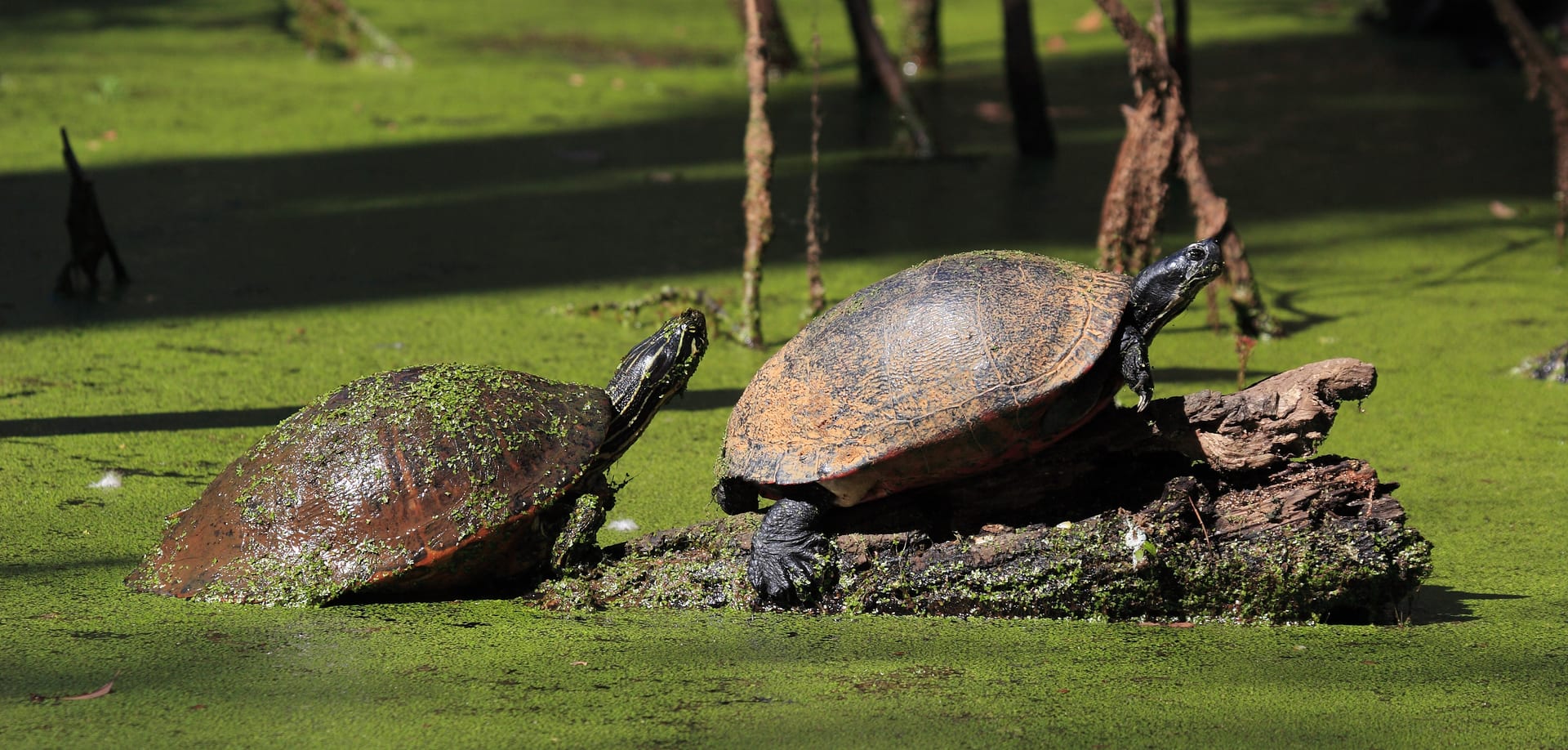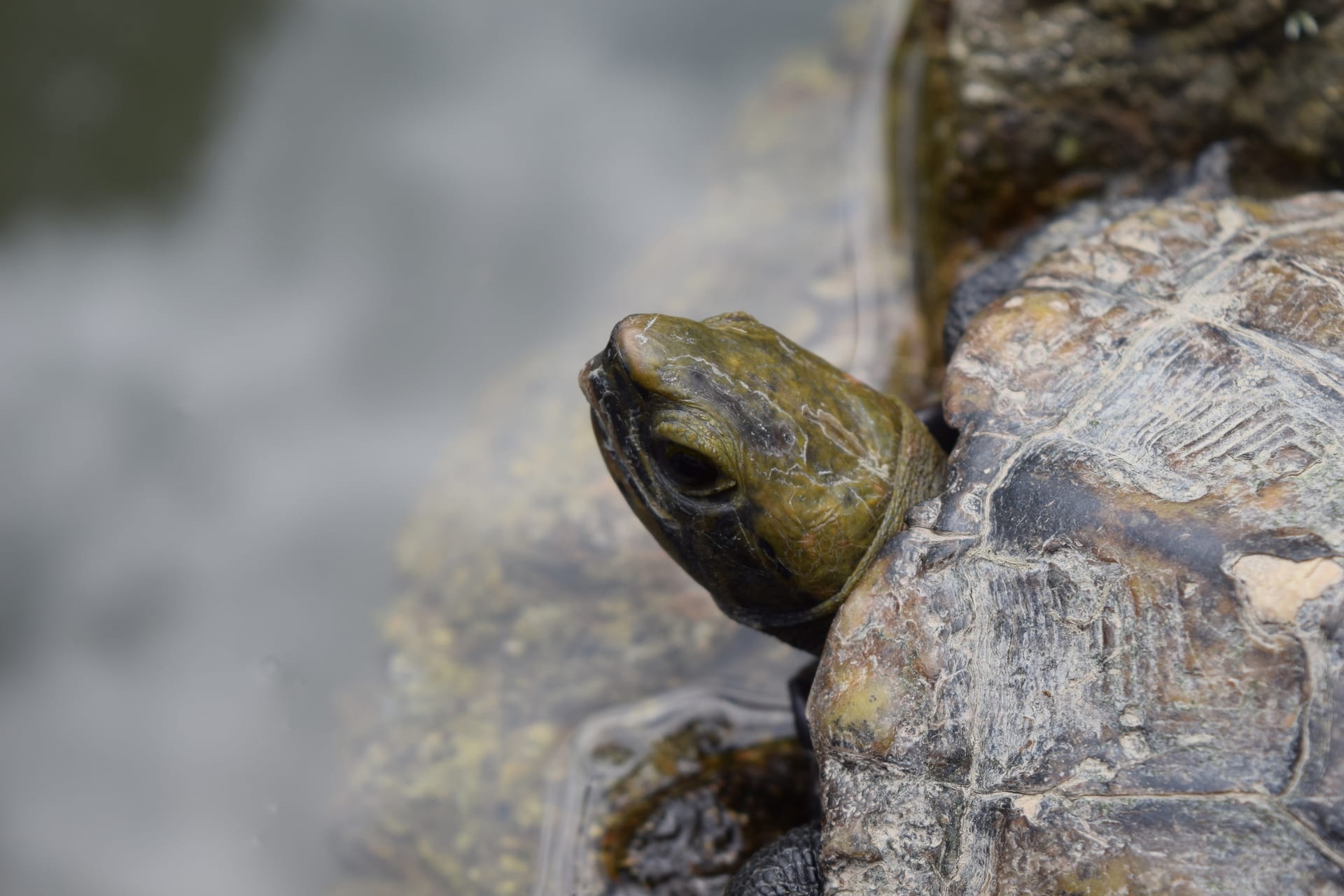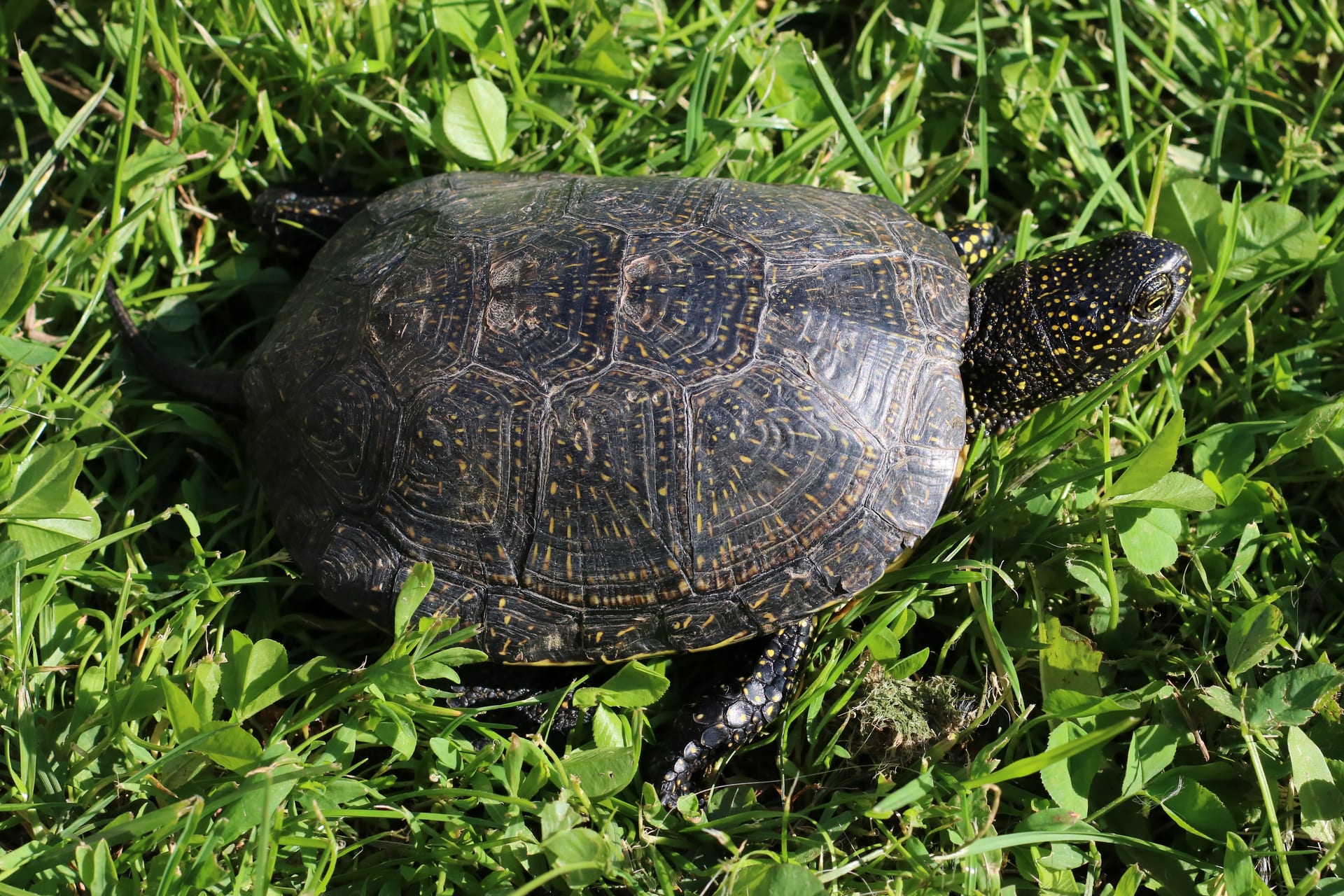
Source: Wikimedia Commons
European Pond Turtle
IntermediateEmys orbicularis
The only emydid ranging widely across Europe, North Africa and western Asia. The specific name orbicularis, meaning round, refers to the shape of the carapace seen from above, and carapace and plastron are joined by ligament rather than bone. The carapace reaches 23 cm.
Difficulty
Intermediate
Temperature
25〜32℃
Lifespan
Usually 40-60 years, with rare individuals exceeding 100
Size
Carapace up to 23cm; males up to 20cm
Humidity
40〜70%
Diet
Aquatic turtle pellets, insects, crustaceans, earthworms, fish, amphibians, flowers, fruit and algae
About
Emys orbicularis is an emydid turtle with a carapace to 23 cm, females being the larger sex. The shell is flat to slightly domed and, seen from above, is an oval widest at the eighth and ninth marginals; the specific name orbicularis, meaning round, refers to this shape. There is no keel and the marginals are not serrated. Unusually for an emydid, carapace and plastron are joined by ligament rather than by bony sutures, and the axillary and inguinal scutes are absent. It is diurnal, becoming more nocturnal in summer, and a basking animal that senses danger dives and buries itself in the bottom. Omnivorous with a carnivorous bias, it is carnivorous as a juvenile and takes more plant food as it grows. Sex is determined by incubation temperature: males at 24-28 C and only females at 32 C.
Source: Wikipedia (CC BY-SA 4.0)
Lifespan of the European Pond Turtle
The European Pond Turtle lives Usually 40-60 years, with rare individuals exceeding 100.
Size of the European Pond Turtle
The European Pond Turtle grows to Carapace up to 23cm; males up to 20cm.
Basic Info
Origin
Europe, North Africa and western Asia, in rivers, lakes, ponds, swamps, marshes and canals with sand or mud bottoms and dense aquatic plants, and in brackish water in some areas
Lifespan
Usually 40-60 years, with rare individuals exceeding 100
Size
Carapace up to 23cm; males up to 20cm
Care Specifications
PeacefulSolitaryBreeding: Moderate
Sources: Wikipedia (Japanese): European pond turtle / Wikipedia (English): European pond turtle / Reptile Database
References & Sources
Edited & verified by: BreederDirect editorial team
The taxonomic, regulatory, and husbandry data on this page are compiled and verified against the authoritative primary sources below.
Taxonomy & Authority
Accepted name: Emys orbicularis (Linnaeus, 1758)
Synonyms: Testudo orbicularis Linnaeus, 1758, Emys lutaria (Marsili, 1726), Emys orbicularis persica Eichwald, 1831
Authority databases: Reptile Database
Nomenclature follows global taxonomic authority databases.
Regulations & Conservation Status
CITES Appendix IIIIUCN NT · Near Threatened
The Ukrainian population has been listed under Washington Convention Appendix III by Ukraine, effective June 22, 2021 (country of listing: Ukraine). The listing applies only to the Ukrainian population and does not cover the species as a whole. Because it is listed under Appendix III, no registration certificate as an internationally rare wild animal or plant species is required. It is neither listed as a specified animal under the Ordinance for the Enforcement of the Act on the Welfare and Management of Animals, nor designated as a specified alien species. It is legally protected in many European countries.
Sources: CITES Appendices / Ministry of the Environment: list of invasive alien species / Order for Enforcement of the Act on Welfare and Management of Animals (designated dangerous animals)
Regulations may change. Always verify the latest information with the relevant authorities.
European Pond Turtle Listings
Loading latest listingsFind listings for this species