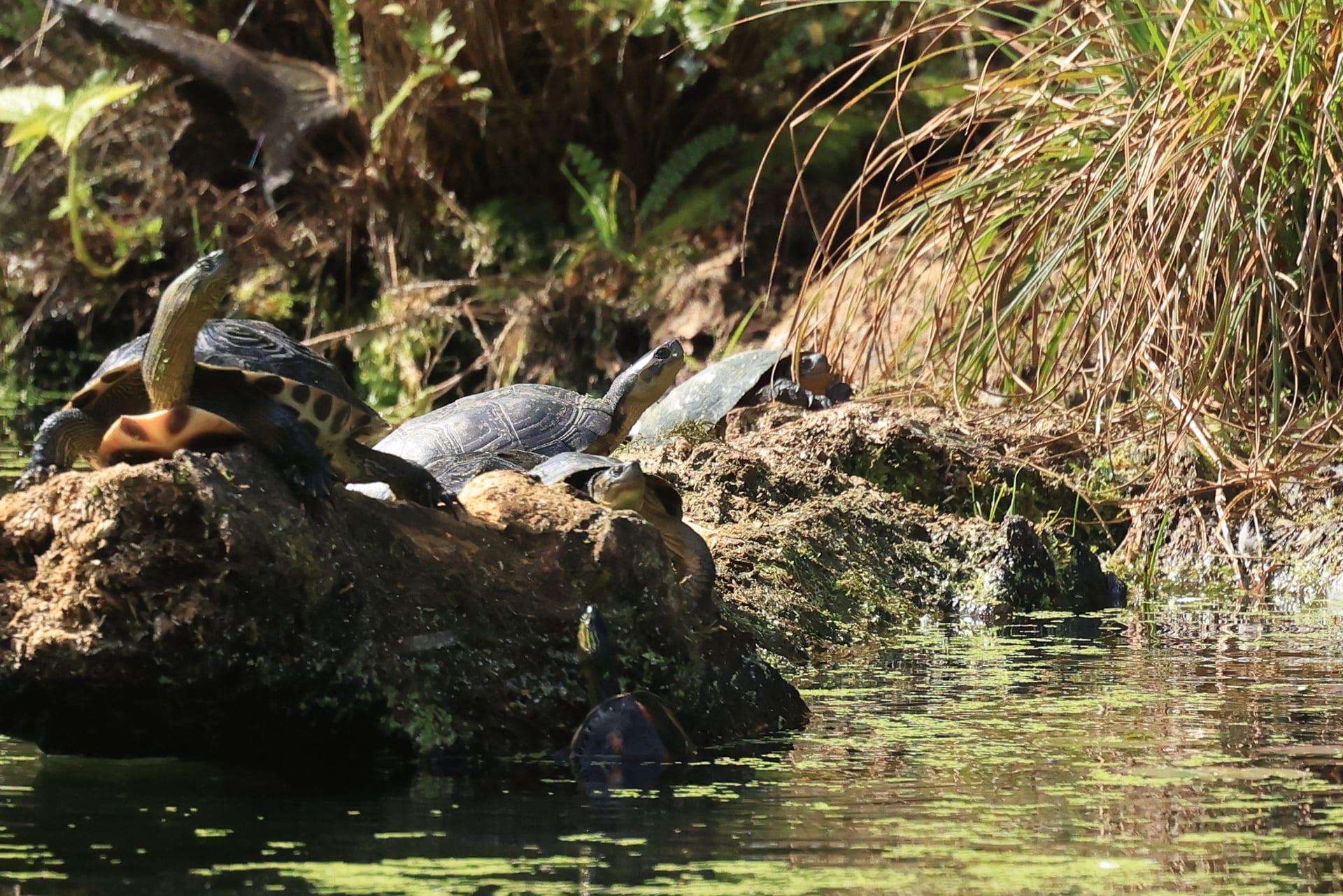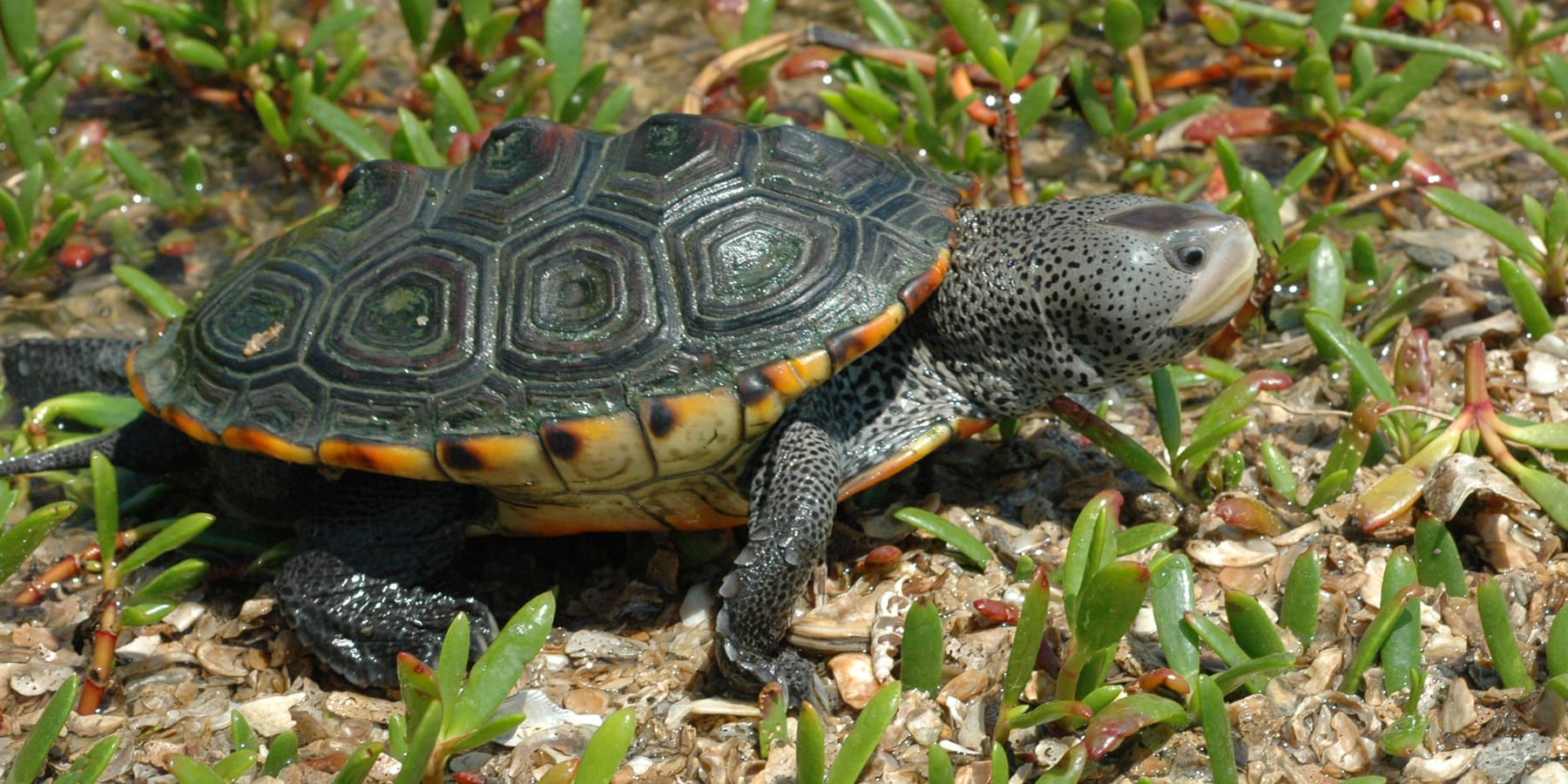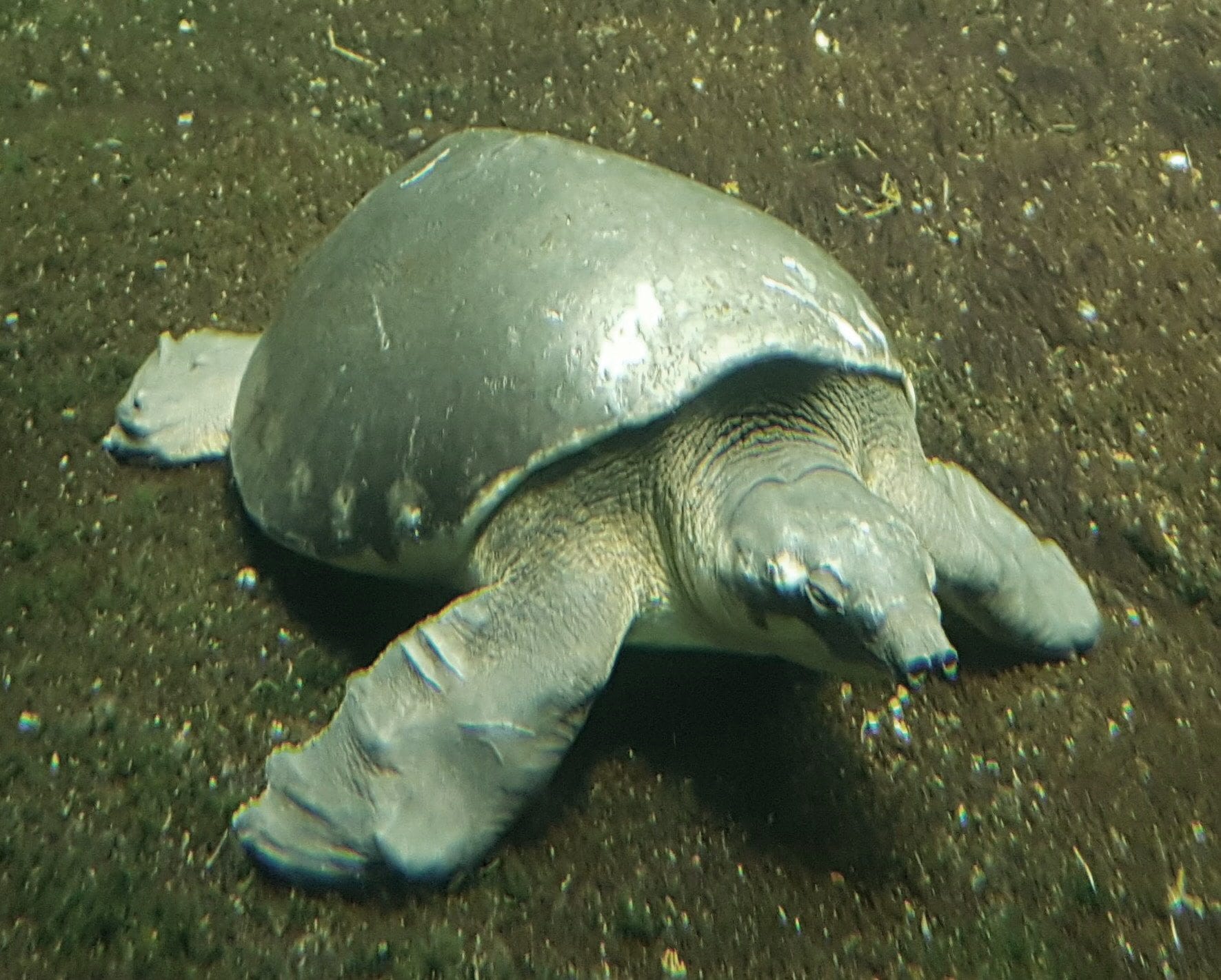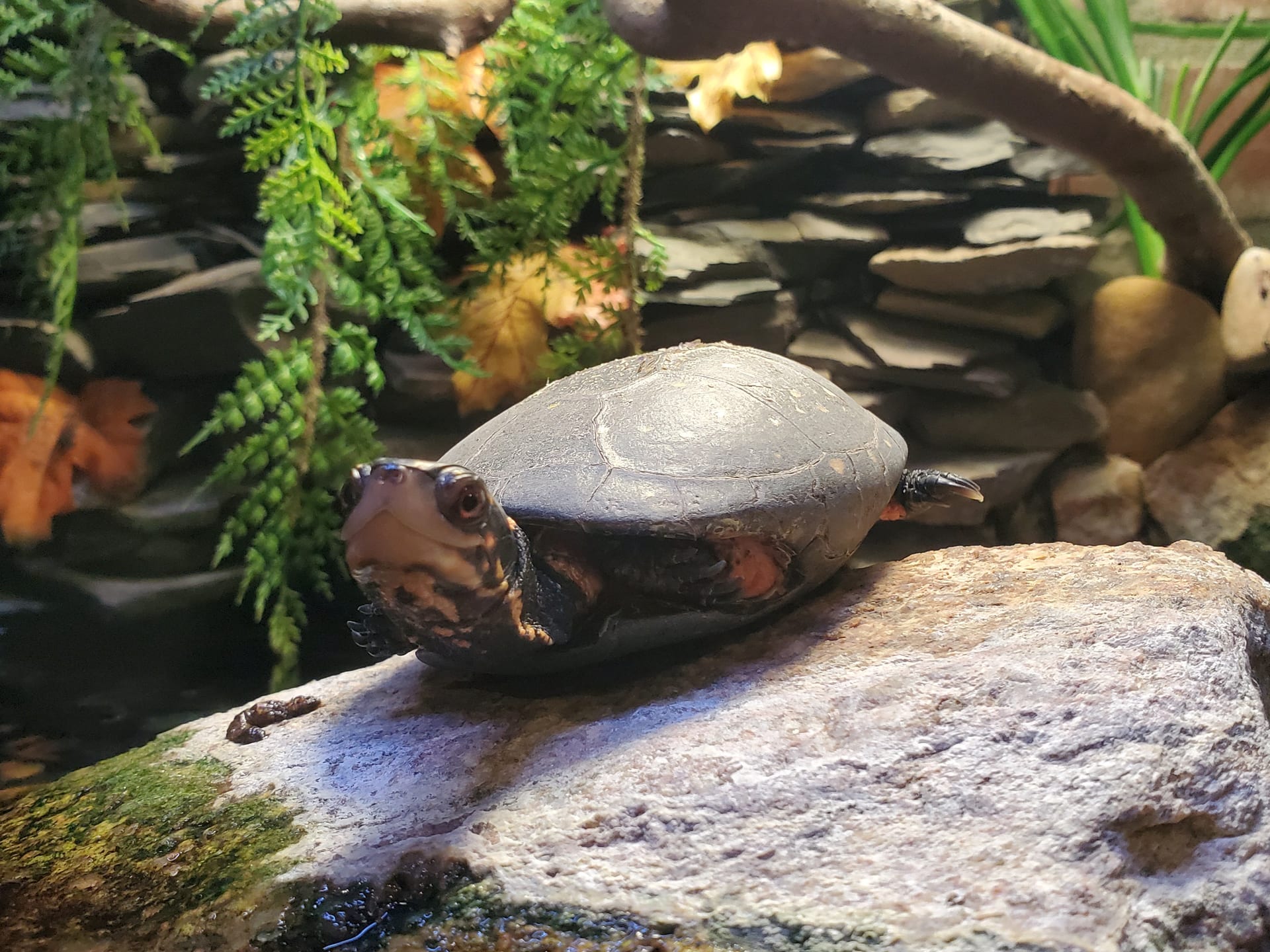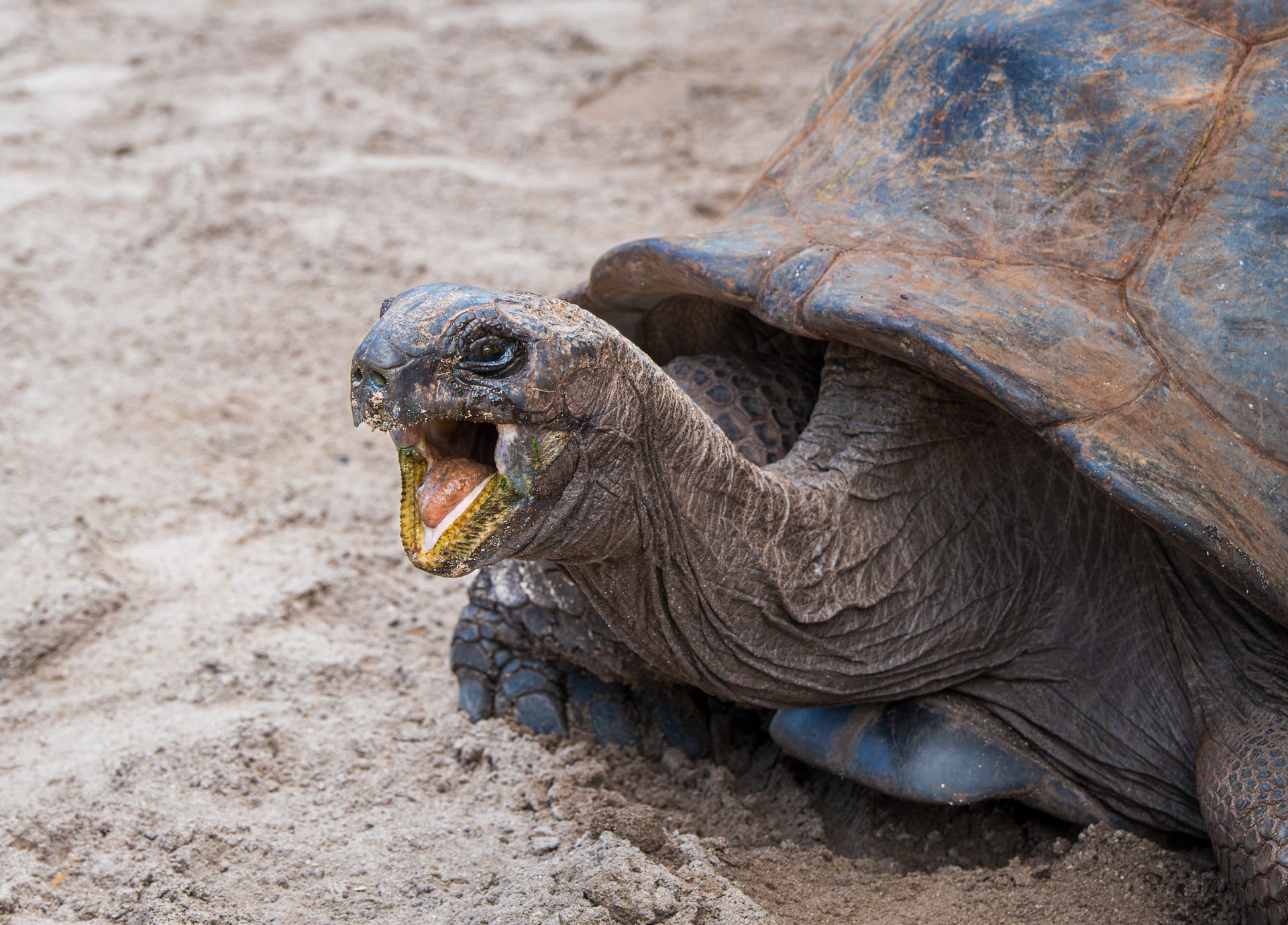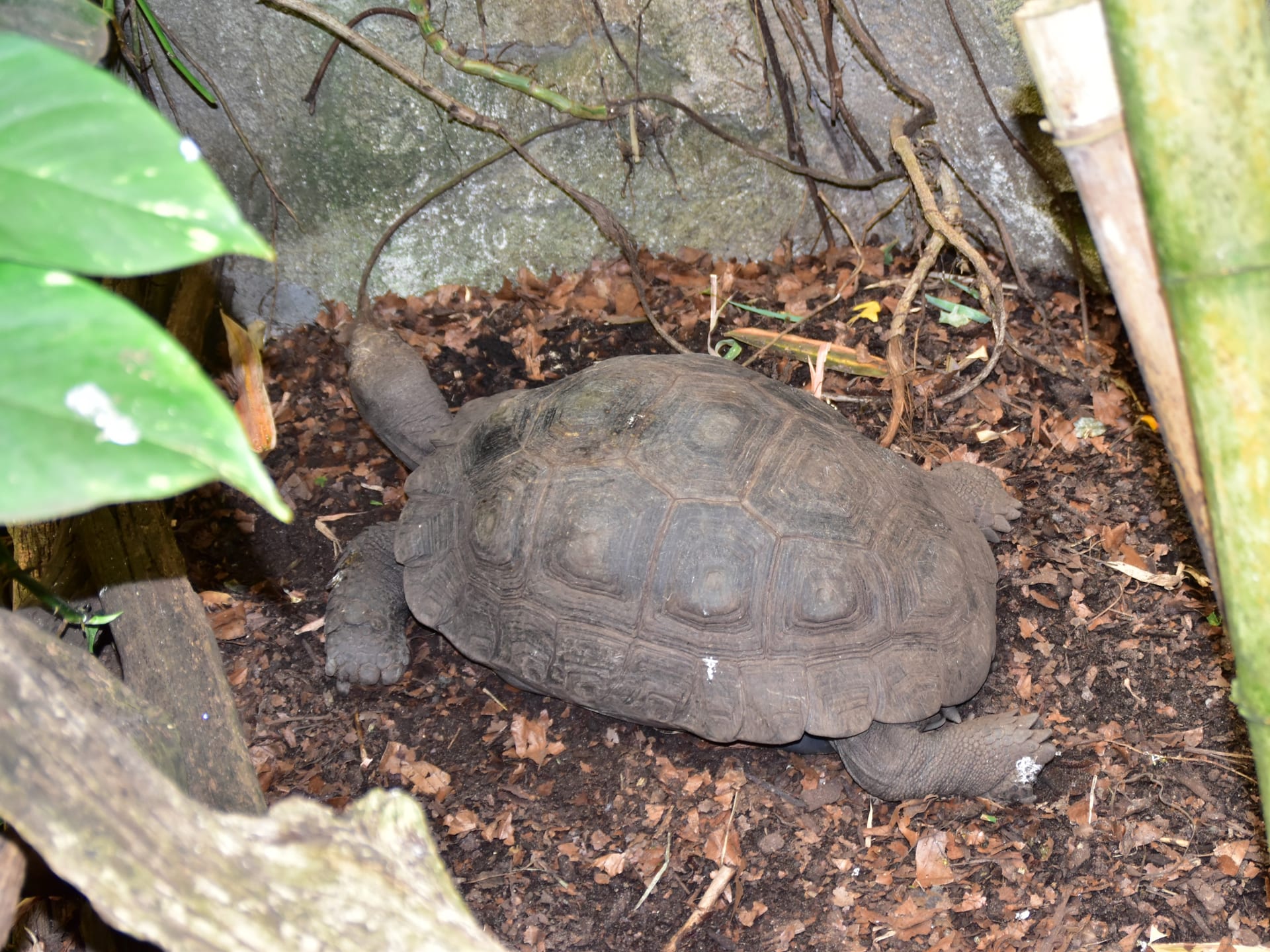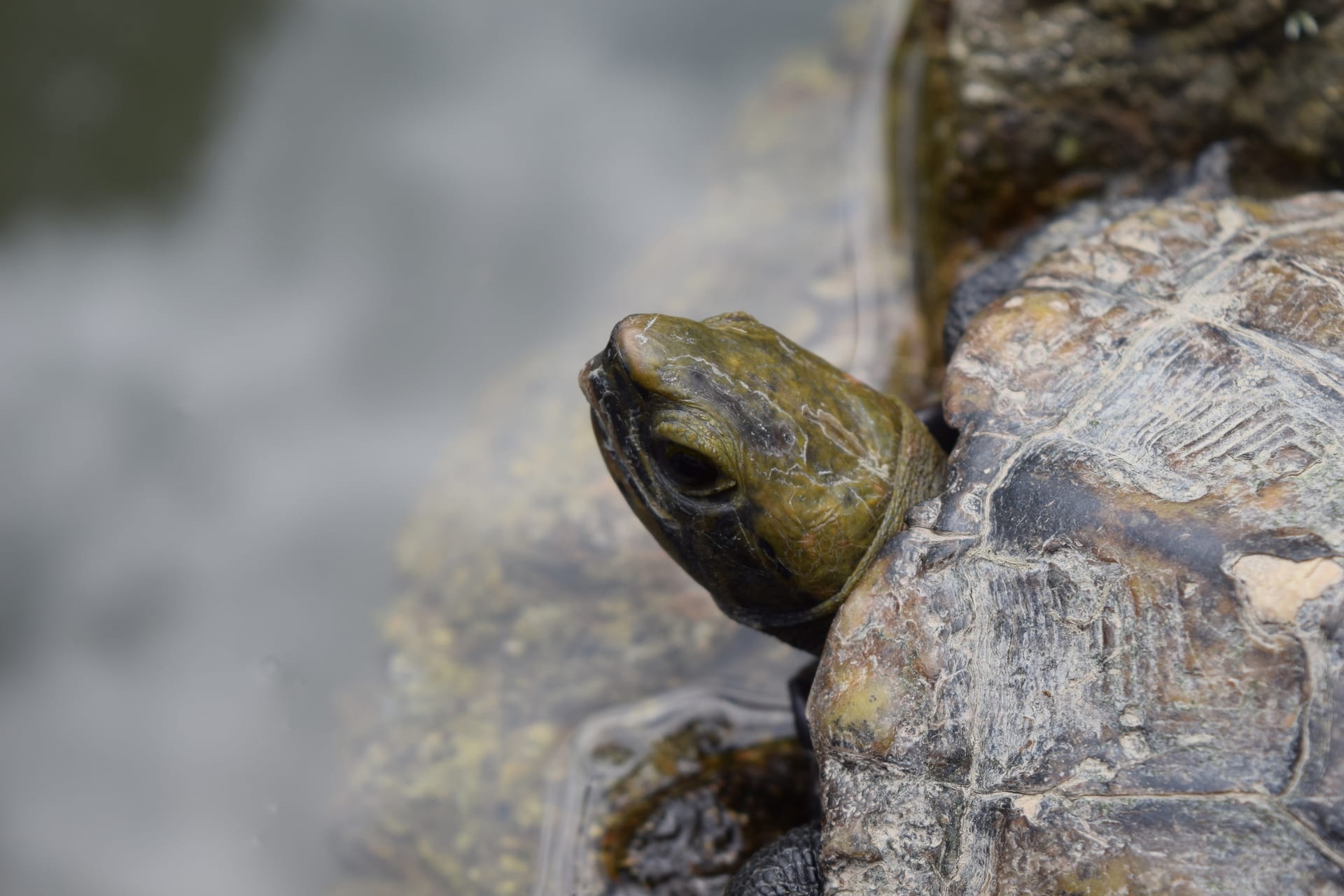
Source: Wikimedia Commons
Japanese Pond Turtle
IntermediateMauremys japonica
A geoemydid turtle endemic to Japan, with a flattened orange-brown to dark brown carapace reaching 21 cm in females and 14.5 cm in males. It favours clean, gently flowing water and is notably cold-tolerant.
Difficulty
Intermediate
Temperature
25〜32℃
Lifespan
15-25 years
Size
Carapace up to 21cm in females and 14.5cm in males
Humidity
40〜70%
Diet
Prepared pellets, small fish, shrimp, snails, insects, aquatic plants and fruit
About
Mauremys japonica is endemic to Japan, ranging from Honshu south of Akita and Miyagi prefectures through Shikoku, Kyushu and the surrounding islands. The carapace reaches 21 cm; females grow larger, while males stop at 14.5 cm at most. Carapace colour varies widely from orange-brown to dark brown, the vertebral scutes carry an interrupted keel and the rear marginals are slightly serrated, while the plastron is usually a solid black or dark brown. It prefers gently flowing water and cleaner conditions than the Reeves' turtle. It is markedly cold-tolerant, having been seen active at water temperatures of 3-5 C. An omnivore, it eats fish, amphibians, crustaceans, snails and aquatic plants. From June to August it lays one to 12 eggs per clutch, one to three times a year, hatching in about 70 days. Habitat loss, over-collection and genetic introgression from Reeves' and Chinese stripe-necked turtles have reduced it, and it is listed as Vulnerable on Japan's national Red List.
Source: Wikipedia (CC BY-SA 4.0)
Lifespan of the Japanese Pond Turtle
The Japanese Pond Turtle lives 15-25 years.
Size of the Japanese Pond Turtle
The Japanese Pond Turtle grows to Carapace up to 21cm in females and 14.5cm in males.
Basic Info
Origin
Endemic to Japan: Honshu south of Akita and Miyagi prefectures, Shikoku, Kyushu and the Oki, Goto, Tsushima, Awaji, Iki, Sado and Tanegashima islands, in rivers, lakes, marshes and paddy fields
Lifespan
15-25 years
Care Specifications
PeacefulSolitaryBreeding: Moderate
Sources: Wikipedia (Japanese): Japanese pond turtle / Reptile Database
References & Sources
Edited & verified by: BreederDirect editorial team
The taxonomic, regulatory, and husbandry data on this page are compiled and verified against the authoritative primary sources below.
Taxonomy & Authority
Accepted name: Mauremys japonica (Temminck & Schlegel, 1838)
Synonyms: Emys vulgaris japonica Temminck & Schlegel, 1838, Chinemys japonica, Geoclemys japonica
Authority databases: Reptile Database
Nomenclature follows global taxonomic authority databases.
Regulations & Conservation Status
CITES Appendix II
Listed in CITES Appendix II in 2013. Since it is listed in Appendix II, registration as an internationally endangered species is not required. Ministry of Environment Red List assessment is Vulnerable (VU). This species does not qualify as a designated animal specified in the Cabinet Order for the Law Concerning the Protection and Management of Animals. Individuals resulting from hybridization with the Asian pond turtle are designated as designated alien species.
Sources: CITES Appendices (Appendix II, listed 2013) / Ministry of the Environment: list of invasive alien species
Regulations may change. Always verify the latest information with the relevant authorities.
Japanese Pond Turtle Listings
Loading latest listingsFind listings for this species