Source: Wikimedia Commons
Asian Forest Tortoise
AdvancedManouria emys
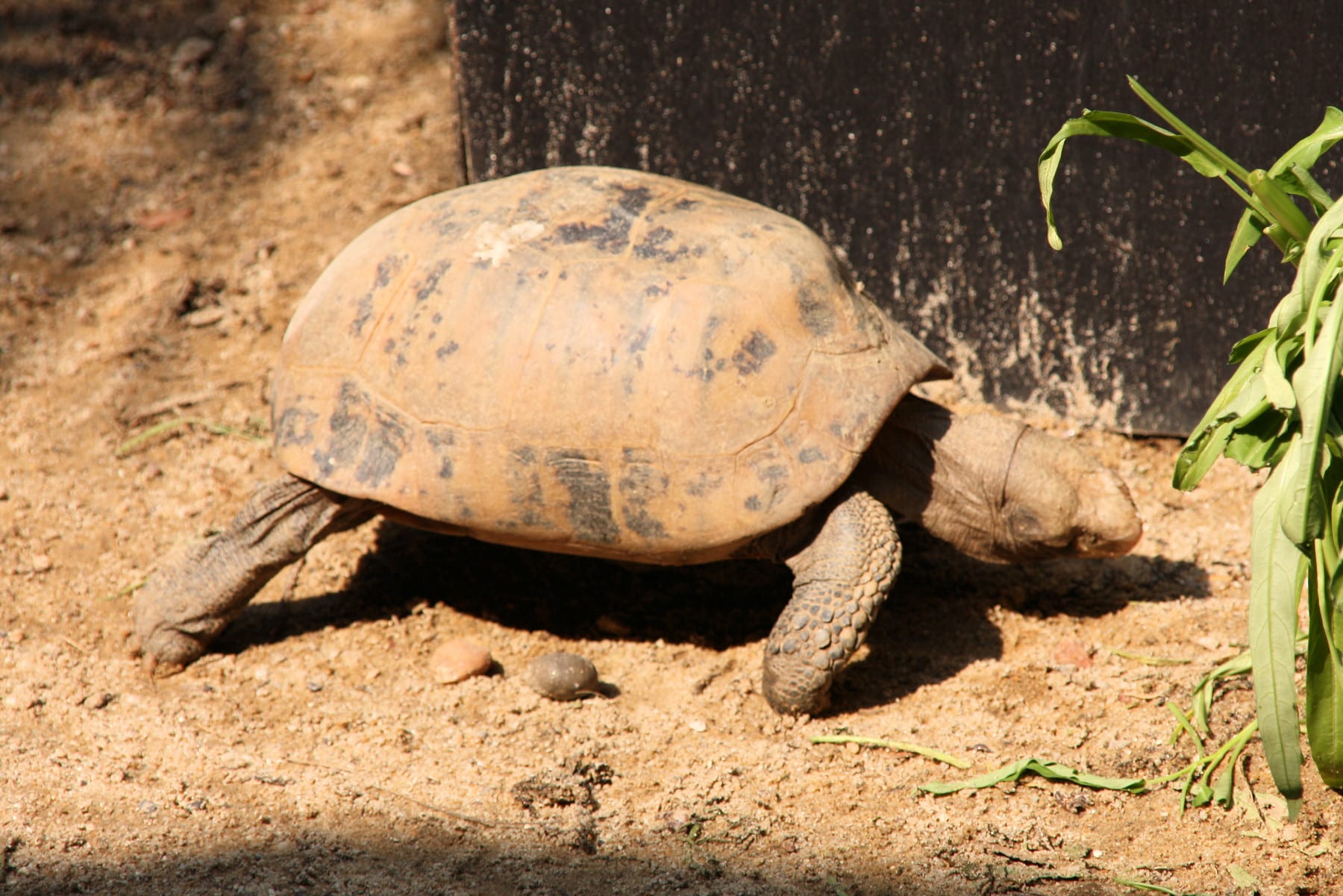
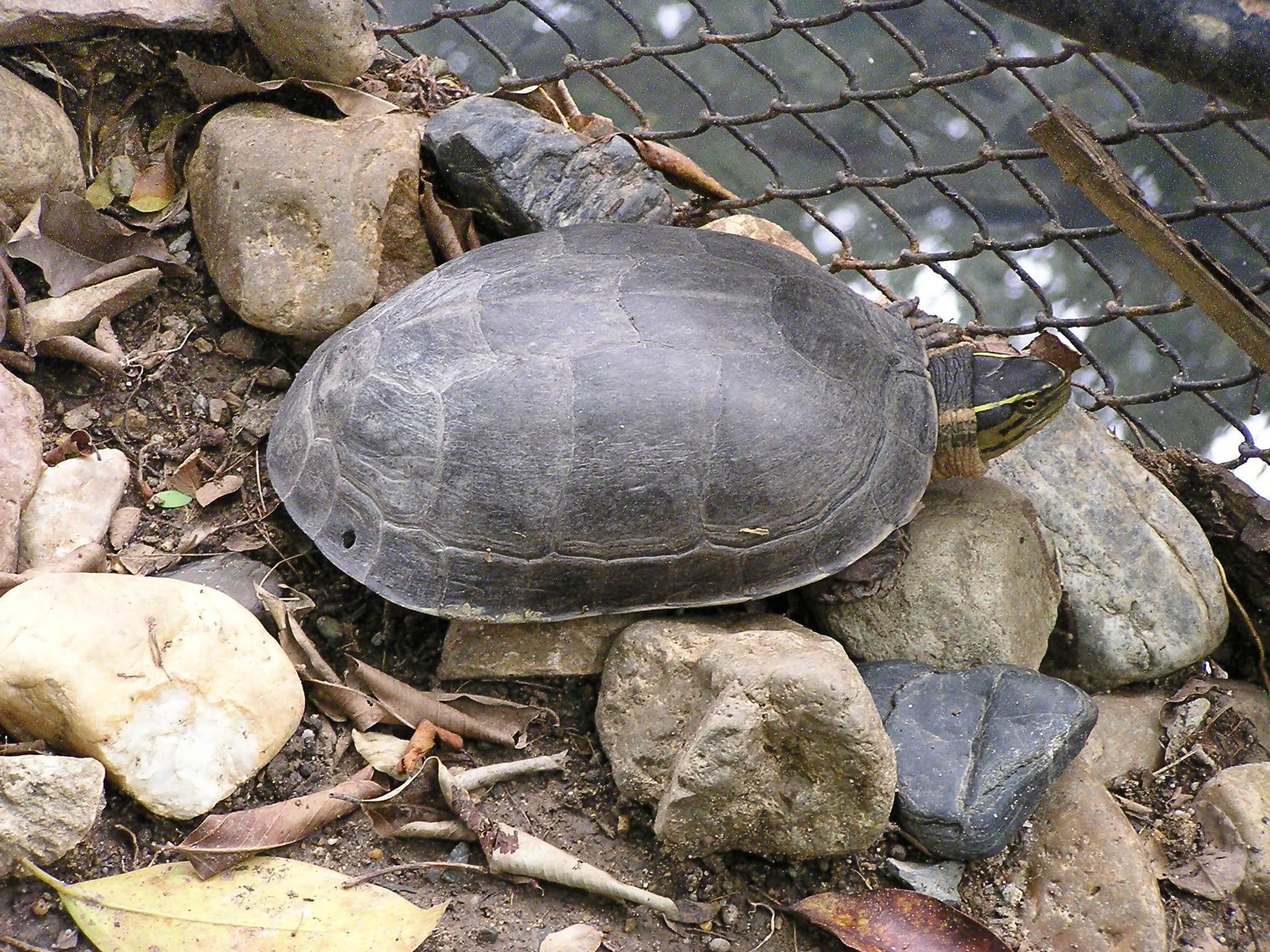
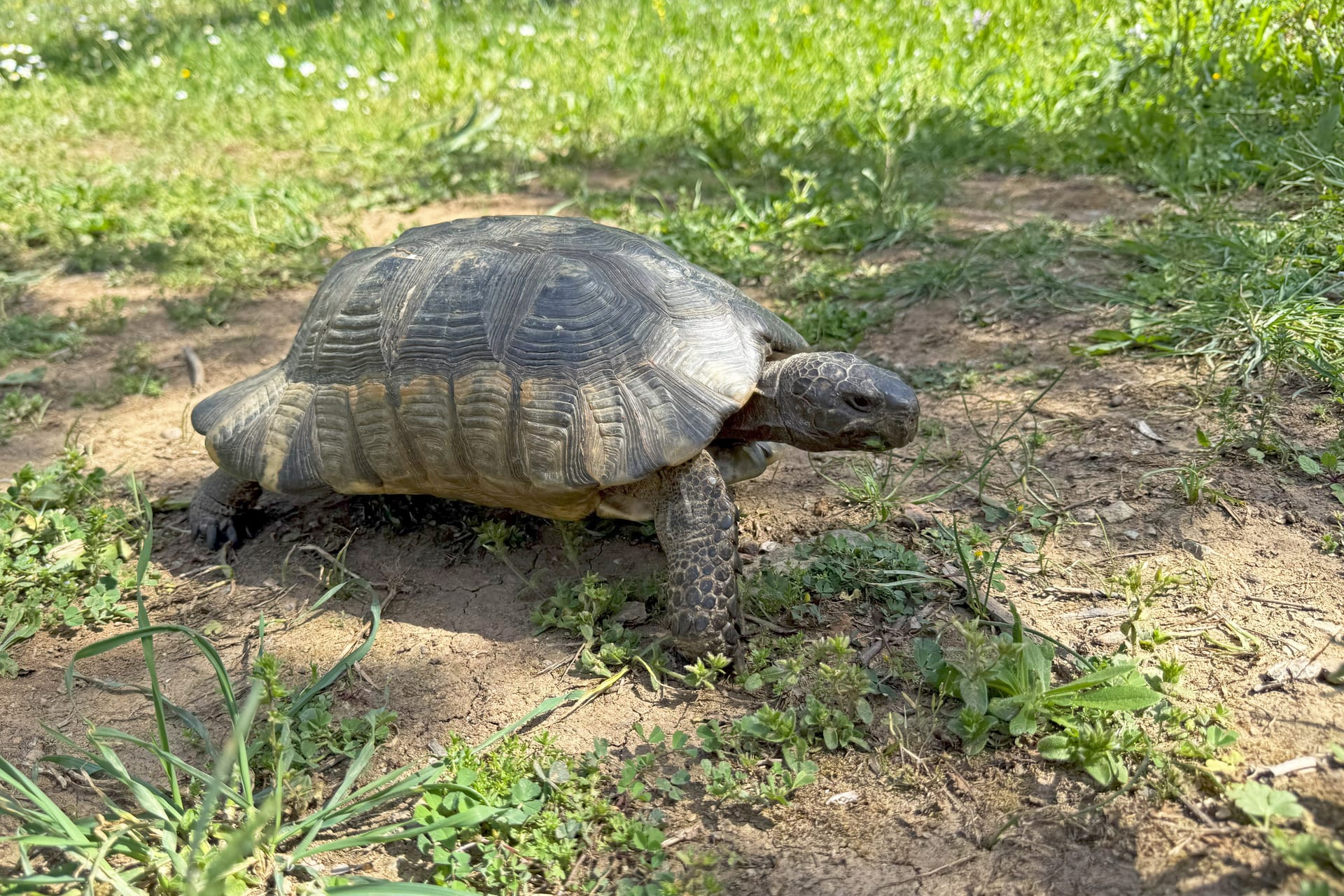
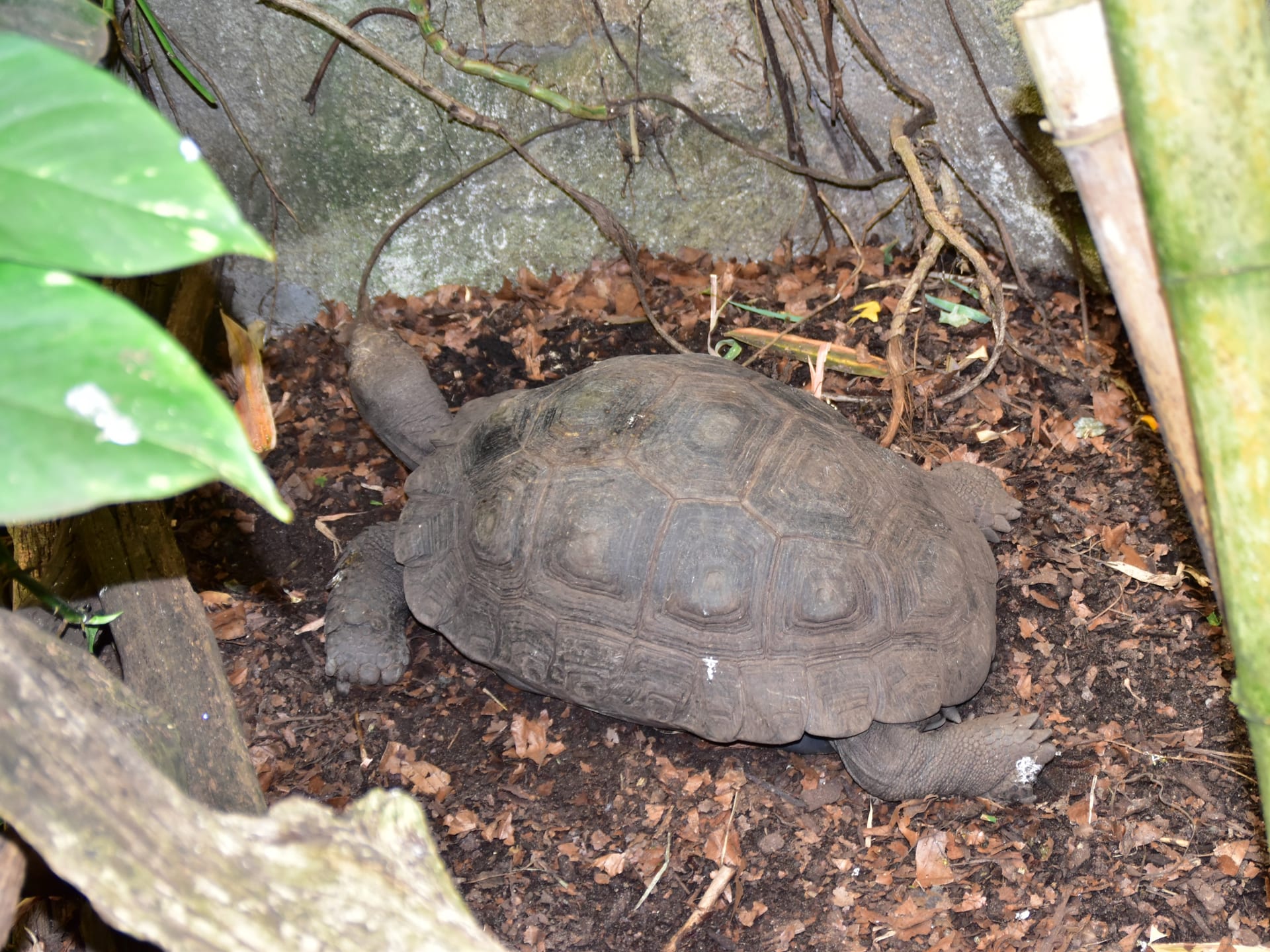
With a carapace to 60 cm it is the largest tortoise in the family Testudinidae in Eurasia. Well-developed spiny scales between the hind limbs and the tail look like a sixth leg, the origin of the Japanese name meaning six-legged.
Difficulty
Advanced
Lifespan
Maximum recorded longevity in captivity is 20 years, though animals may well live over 60
Size
Carapace up to 60cm
Diet
Leafy greens, fruit, mushrooms, grasses and tortoise diet
About
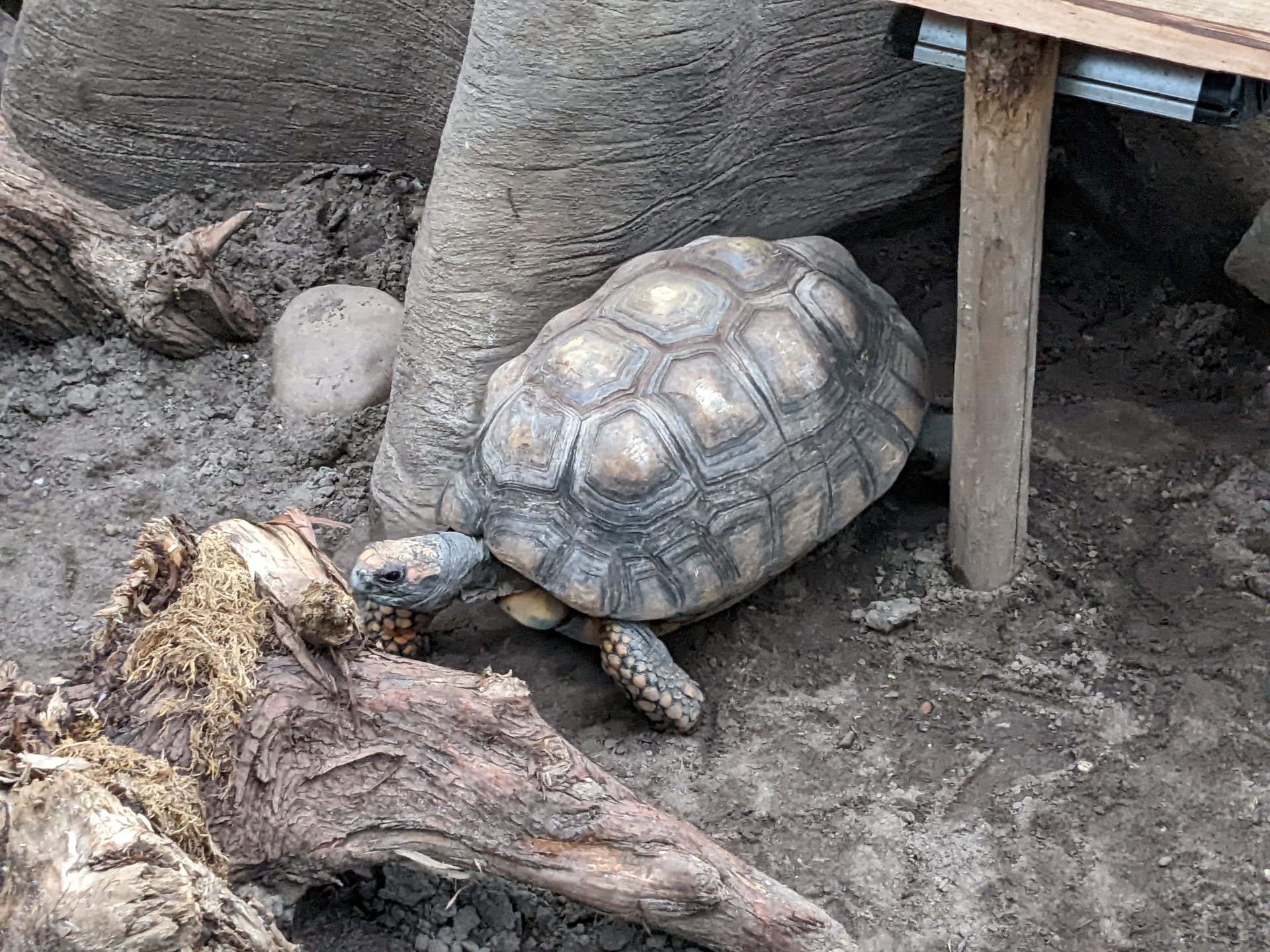
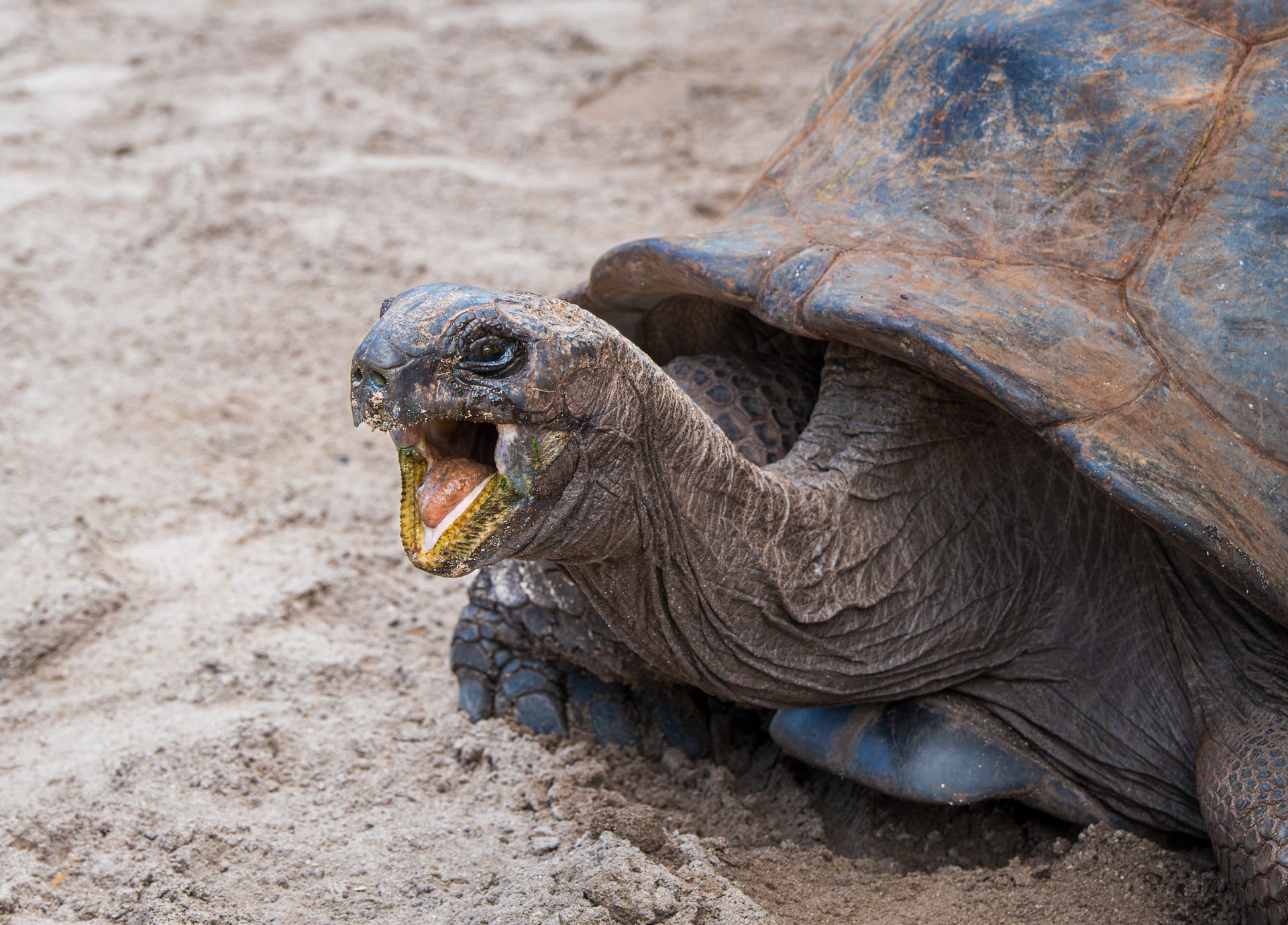
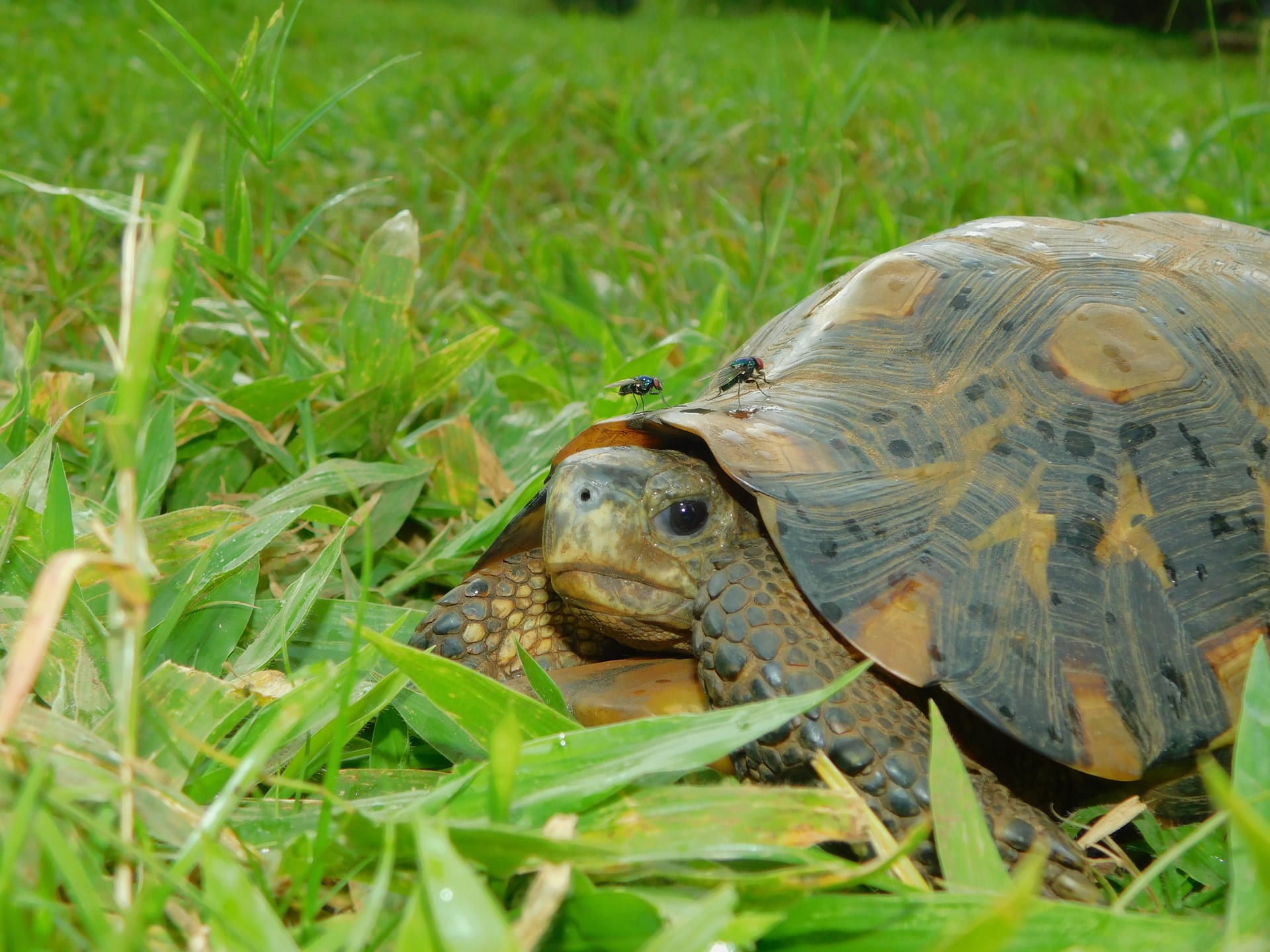
Manouria emys is the largest testudinid in Eurasia, with a carapace to 60 cm. The shell is rather flat with a level top, there are two or more inguinal scutes and the inguinal area is larger than the axillary. The head is large and the club-like forelimbs are covered in spiny, overlapping scales. Well-developed spines between the hind limbs and the tail look like a sixth leg, which is the origin of the Japanese name meaning six-legged. It lives in humid lowland evergreen forest and is omnivorous with a strong plant bias. Unusually for a tortoise it does not dig a nest but heaps vegetation and leaf litter over the eggs to build a mound. Habitat loss and collection for food and the pet trade have caused a steep decline.
Source: Wikipedia (CC BY-SA 4.0)
Lifespan of the Asian Forest Tortoise
The Asian Forest Tortoise lives Maximum recorded longevity in captivity is 20 years, though animals may well live over 60.
Size of the Asian Forest Tortoise
The Asian Forest Tortoise grows to Carapace up to 60cm.
Basic Info
Origin
Northeastern India, Bangladesh, Myanmar, Thailand, Malaysia and Indonesia including Sumatra and Borneo, in humid lowland evergreen forest
Lifespan
Maximum recorded longevity in captivity is 20 years, though animals may well live over 60
Size
Carapace up to 60cm
Care Specifications
PeacefulSolitaryBreeding: Hard
Sources: Reptiles Magazine: Burmese Mountain Tortoise Care / Wikipedia (Japanese): Manouria / Reptile Database / AnAge: The Animal Ageing and Longevity Database
References & Sources
Edited & verified by: BreederDirect editorial team
The taxonomic, regulatory, and husbandry data on this page are compiled and verified against the authoritative primary sources below.
Primary sources
- Wikipedia
- CITES Appendices
- Ministry of the Environment: list of invasive alien species
- Order for Enforcement of the Act on Welfare and Management of Animals (designated dangerous animals)
- Reptiles Magazine: Burmese Mountain Tortoise Care
- Wikipedia (Japanese): Manouria
- Reptile Database
- AnAge: The Animal Ageing and Longevity Database
Taxonomy & Authority
Accepted name: Manouria emys (Schlegel & Muller, 1840)
Synonyms: Testudo emys Schlegel & Muller, 1840, Manouria fusca Gray, 1854, Manouria emys phayrei (Blyth, 1853)
Authority databases: Reptile Database
Nomenclature follows global taxonomic authority databases.
Regulations & Conservation Status
CITES Appendix IIIUCN CR · Critically Endangered
Listed in CITES Appendix II at the family level (Testudinidae) in 1977 (current listing effective January 2, 2017). As an Appendix II species, registration certificates for international rare wildlife are not required. It does not fall under the designated animals listed in the Animal Protection and Management Act Enforcement Order, nor is it designated as a designated invasive species.
Sources: CITES Appendices / Ministry of the Environment: list of invasive alien species / Order for Enforcement of the Act on Welfare and Management of Animals (designated dangerous animals)
Regulations may change. Always verify the latest information with the relevant authorities.
Asian Forest Tortoise Listings
Loading latest listingsFind listings for this species