Source: Wikimedia Commons
Elongated Tortoise
IntermediateIndotestudo elongata
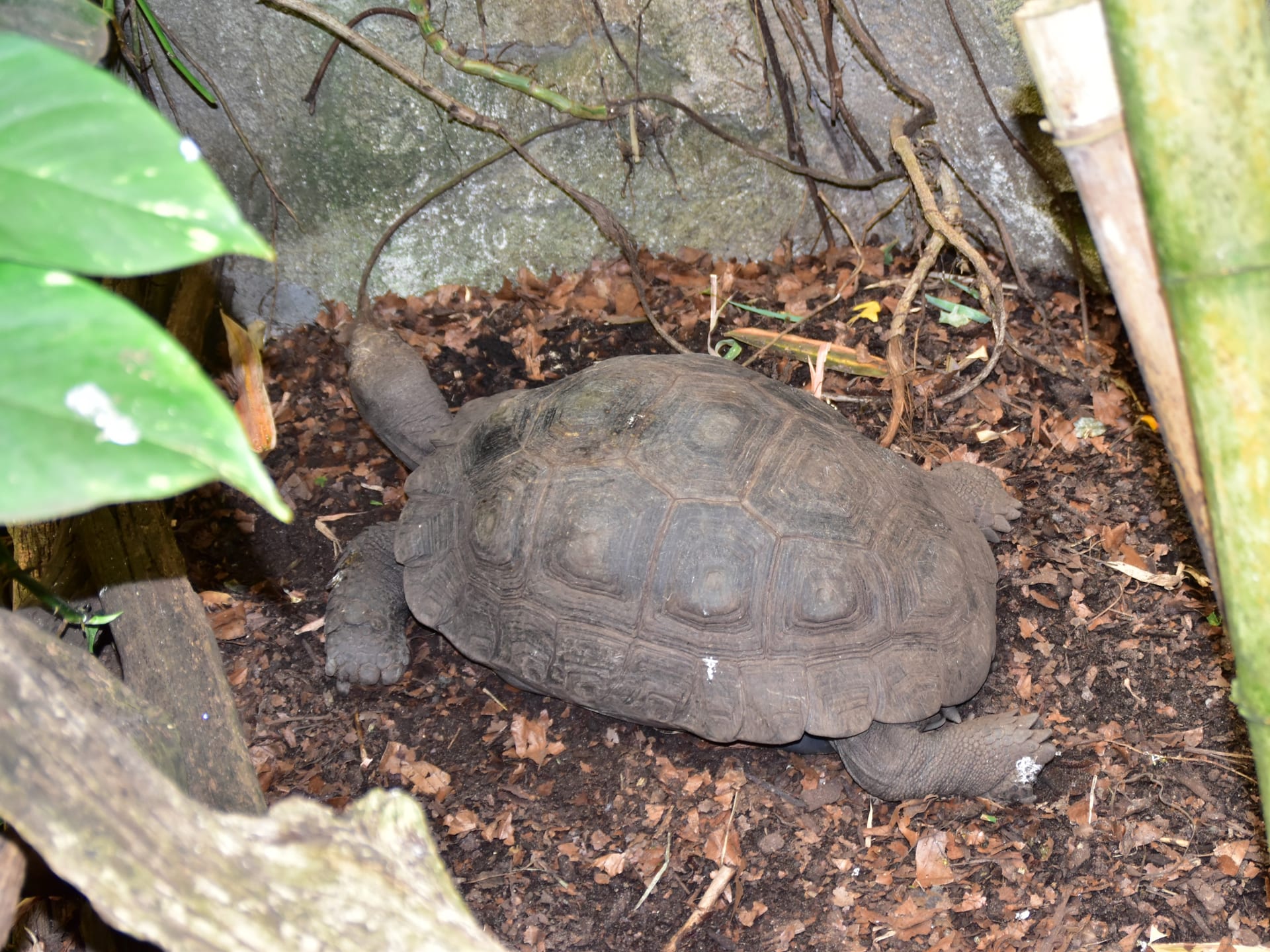
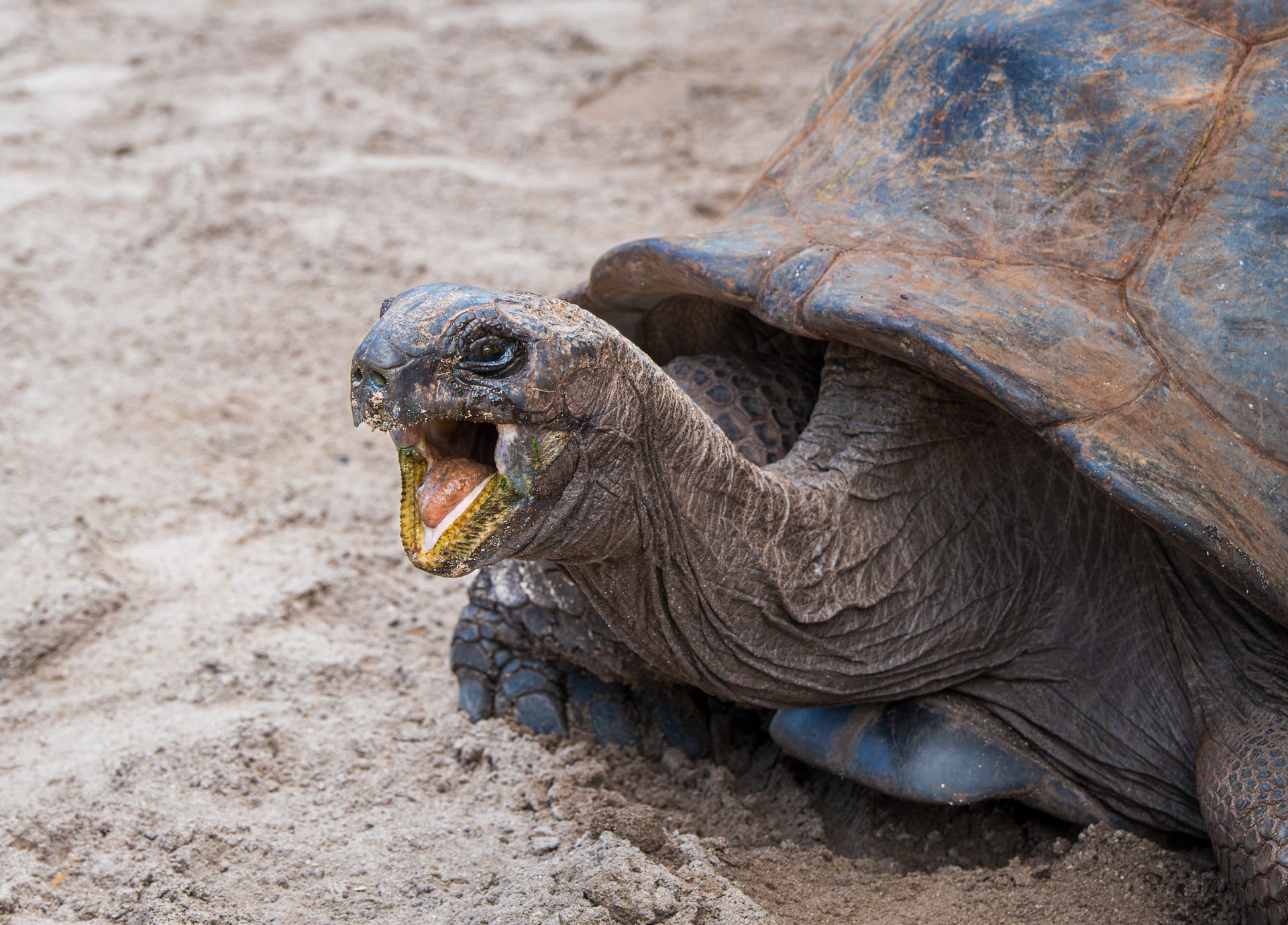
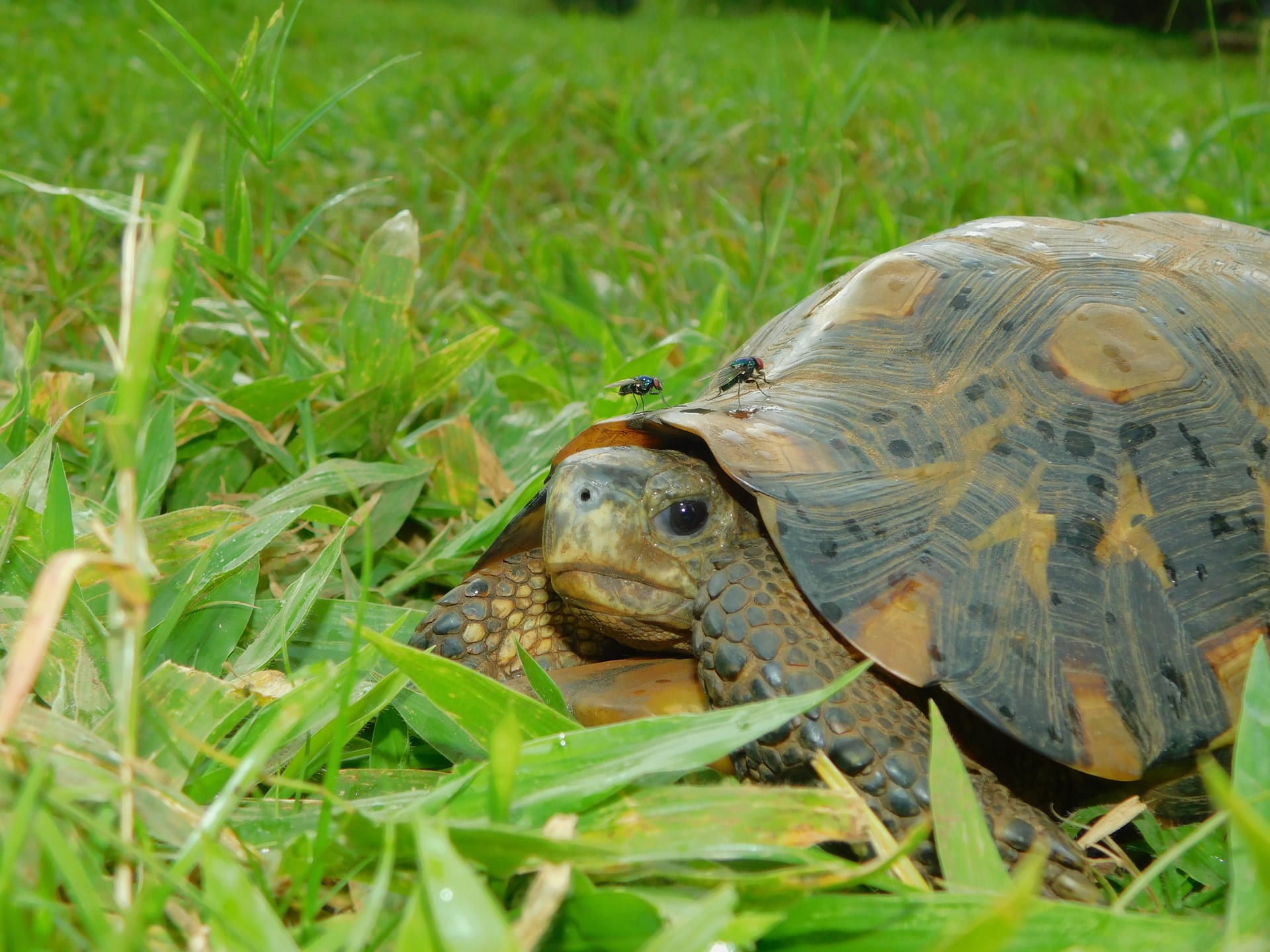
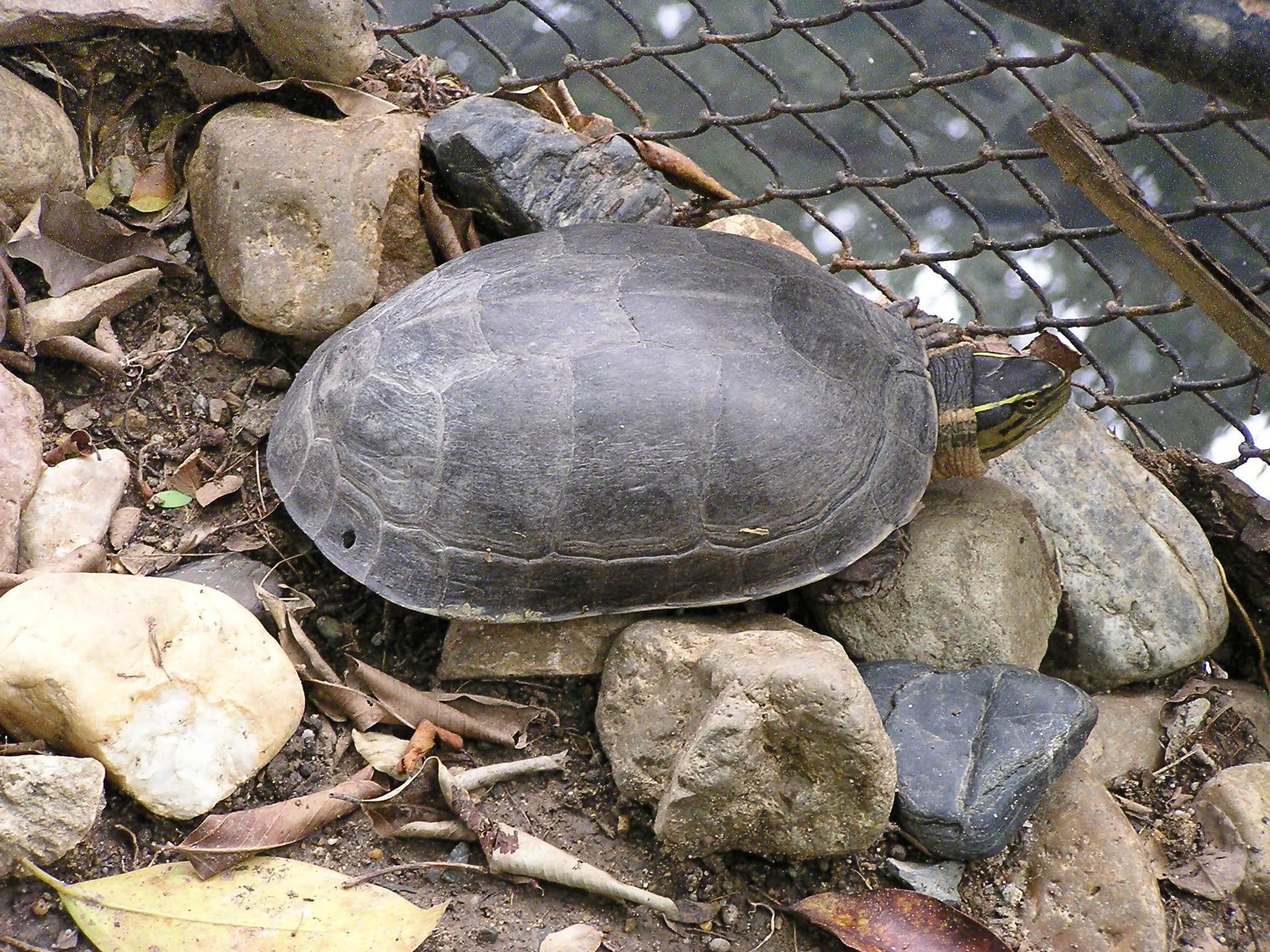
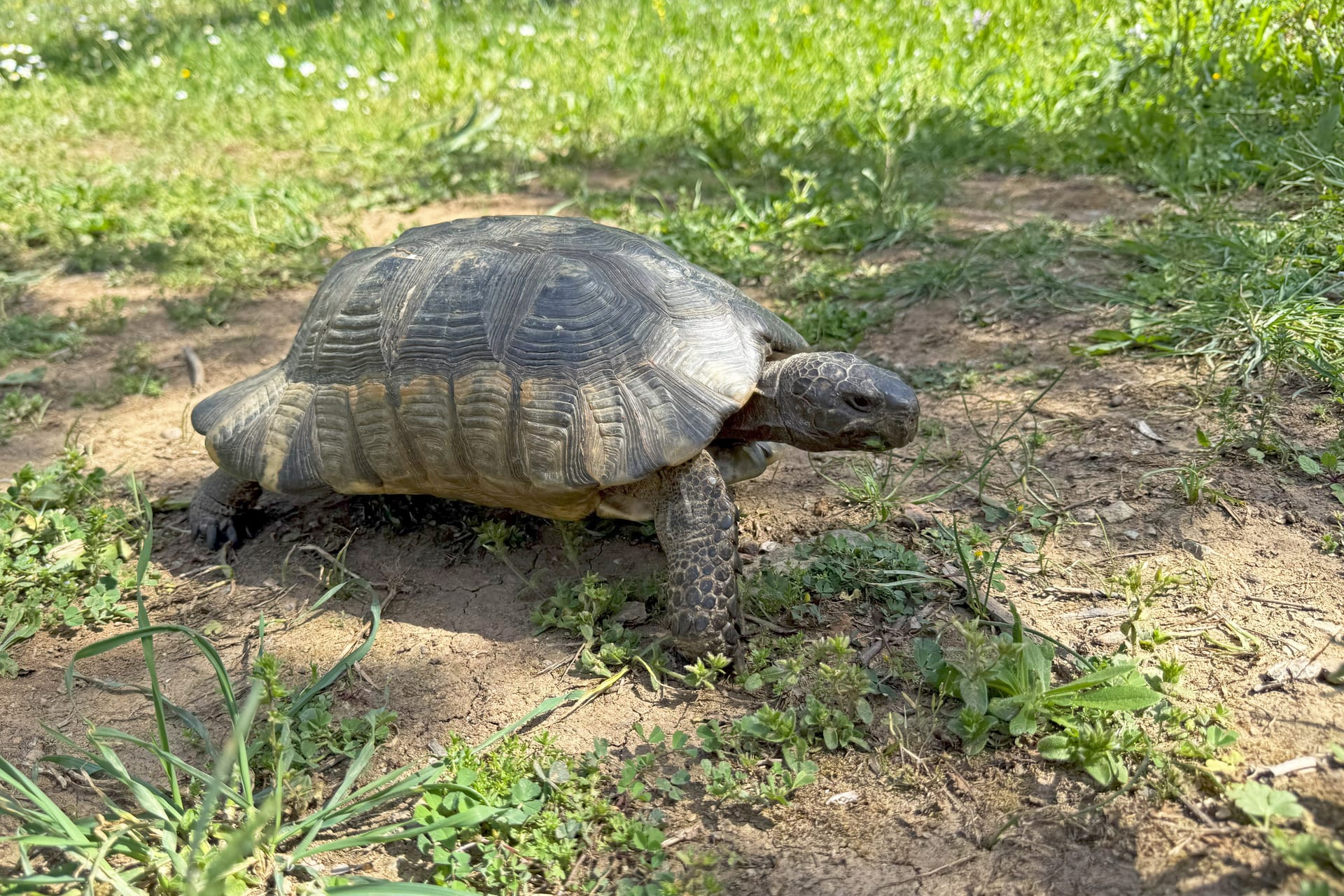
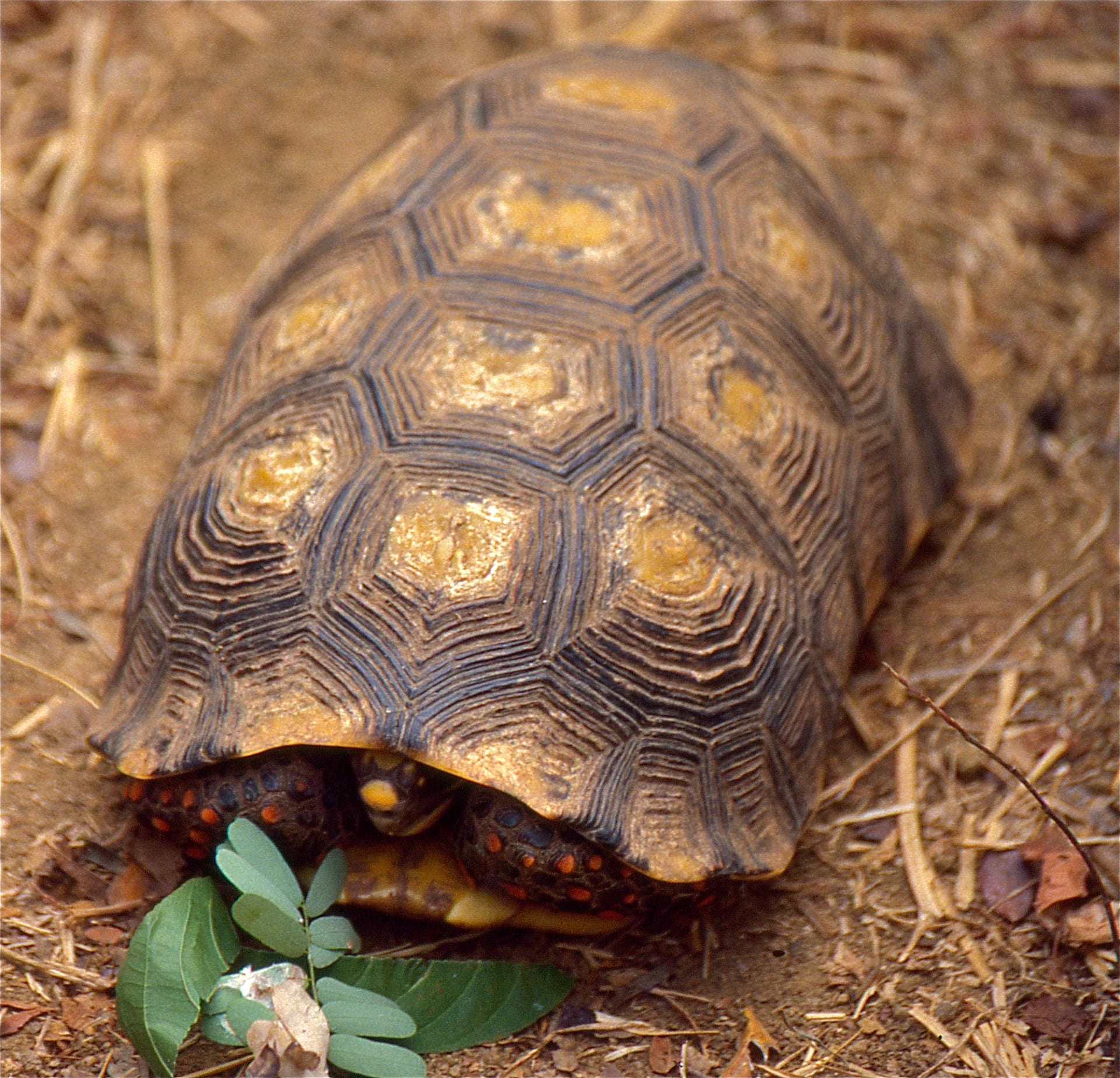
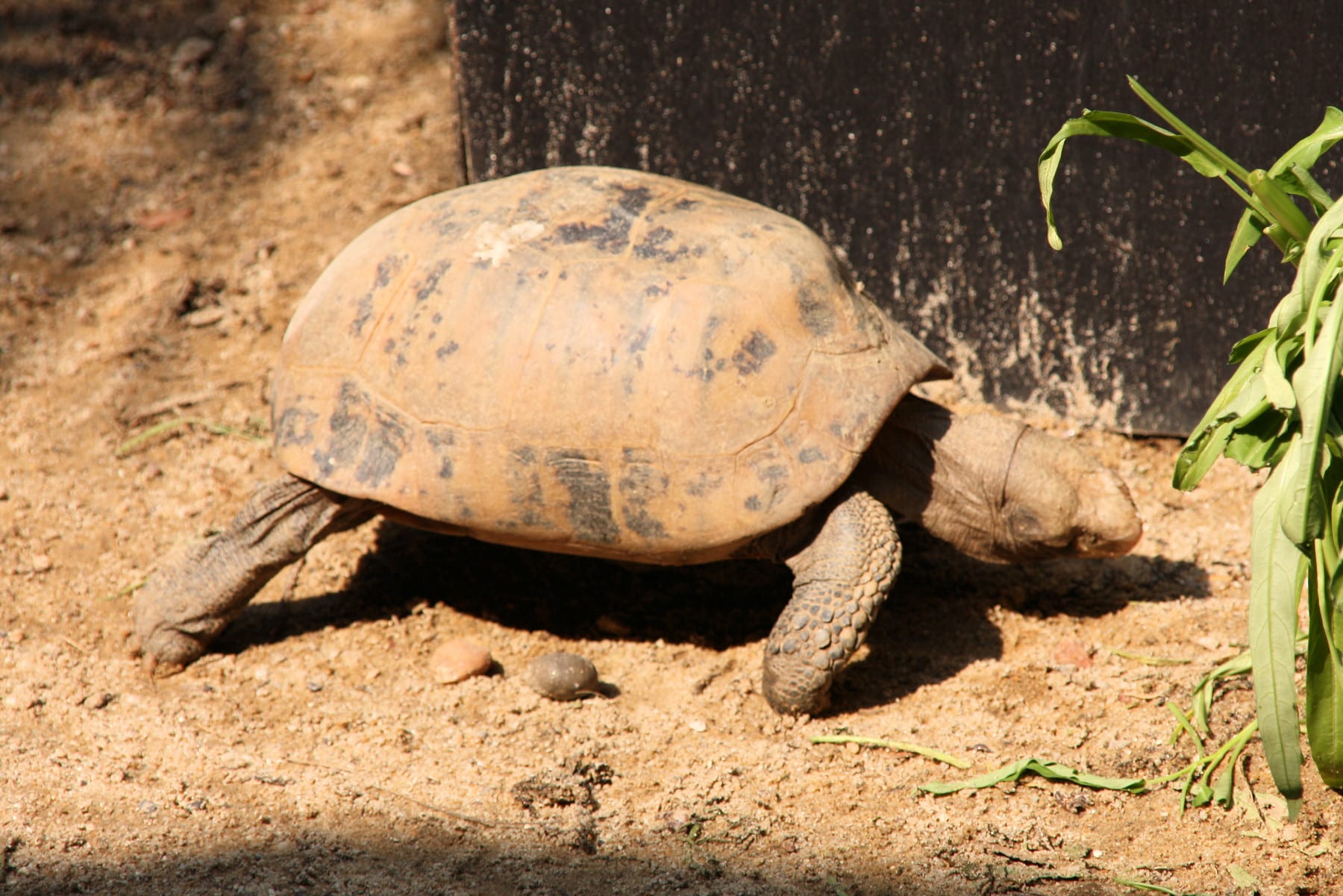
The specific name elongata refers to the elongated carapace and matches the English name. The head is yellowish white to pale yellow-green, and in some animals the area around the nostrils flushes pink in the breeding season. The carapace reaches 36 cm.
Difficulty
Intermediate
Lifespan
25-35 years
Size
Carapace up to 36cm, with typical adults around 30cm
Humidity
40〜70%
Diet
Leafy greens, fruit, mushrooms, bamboo shoots and grasses
About
Indotestudo elongata reaches a carapace length of 36 cm. The shell is rather flat and elongated seen from above, and the specific name elongata refers to this shape, matching the English name. Colour varies widely from greyish brown through pale yellow and yellowish brown to brown, and some animals carry black or dark brown blotches. The head is fairly large with a hooked, three-pointed upper jaw and is yellowish white, yellow or pale yellow-green. It lives in somewhat dry deciduous broadleaf forest of sal and teak, and also in bamboo stands and grassland. Perhaps because it lives on a shaded forest floor it avoids bright light and basks little, and when hot it wets itself with saliva and cools by evaporation. Omnivorous with a strong plant bias, it eats fruit, flowers, leaves, bamboo shoots and mushrooms as well as land snails and carrion.
Source: Wikipedia (CC BY-SA 4.0)
Lifespan of the Elongated Tortoise
The Elongated Tortoise lives 25-35 years.
Size of the Elongated Tortoise
The Elongated Tortoise grows to Carapace up to 36cm, with typical adults around 30cm.
Basic Info
Origin
Northeastern India, Nepal, Bangladesh, Myanmar, Thailand, Laos, Cambodia, Viet Nam, northern Malaysia and southern China, in somewhat dry deciduous broadleaf forest of hills and low mountains
Lifespan
25-35 years
Size
Carapace up to 36cm, with typical adults around 30cm
Care Specifications
PeacefulSolitaryBreeding: Moderate
Sources: Reptiles Magazine: Elongated Tortoise Information and Care / Wikipedia (Japanese): Elongated tortoise / Wikipedia (English): Elongated tortoise / Reptile Database
References & Sources
Edited & verified by: BreederDirect editorial team
The taxonomic, regulatory, and husbandry data on this page are compiled and verified against the authoritative primary sources below.
Primary sources
- Wikipedia
- CITES Appendices
- Ministry of the Environment: list of invasive alien species
- Order for Enforcement of the Act on Welfare and Management of Animals (designated dangerous animals)
- Reptiles Magazine: Elongated Tortoise Information and Care
- Wikipedia (Japanese): Elongated tortoise
- Wikipedia (English): Elongated tortoise
- Reptile Database
Taxonomy & Authority
Accepted name: Indotestudo elongata (Blyth, 1854)
Synonyms: Testudo elongata Blyth, 1854, Geochelone elongata (Loveridge & Williams, 1957), Indotestudo elongata (Pritchard, 1979)
Authority databases: Reptile Database
Nomenclature follows global taxonomic authority databases.
Regulations & Conservation Status
CITES Appendix IIIUCN CR · Critically Endangered
Listed in CITES Appendix II at the family level (Testudinidae) in 1977 (current listing effective January 2, 2017). As an Appendix II species, registration certificates for international rare wildlife are not required. It does not fall under the designated animals listed in the Animal Protection and Management Act Enforcement Order, nor is it designated as a designated invasive species.
Sources: CITES Appendices / Ministry of the Environment: list of invasive alien species / Order for Enforcement of the Act on Welfare and Management of Animals (designated dangerous animals)
Regulations may change. Always verify the latest information with the relevant authorities.
Elongated Tortoise Listings
Loading latest listingsFind listings for this species