Source: Wikimedia Commons
Red-Footed Tortoise
IntermediateChelonoidis carbonarius
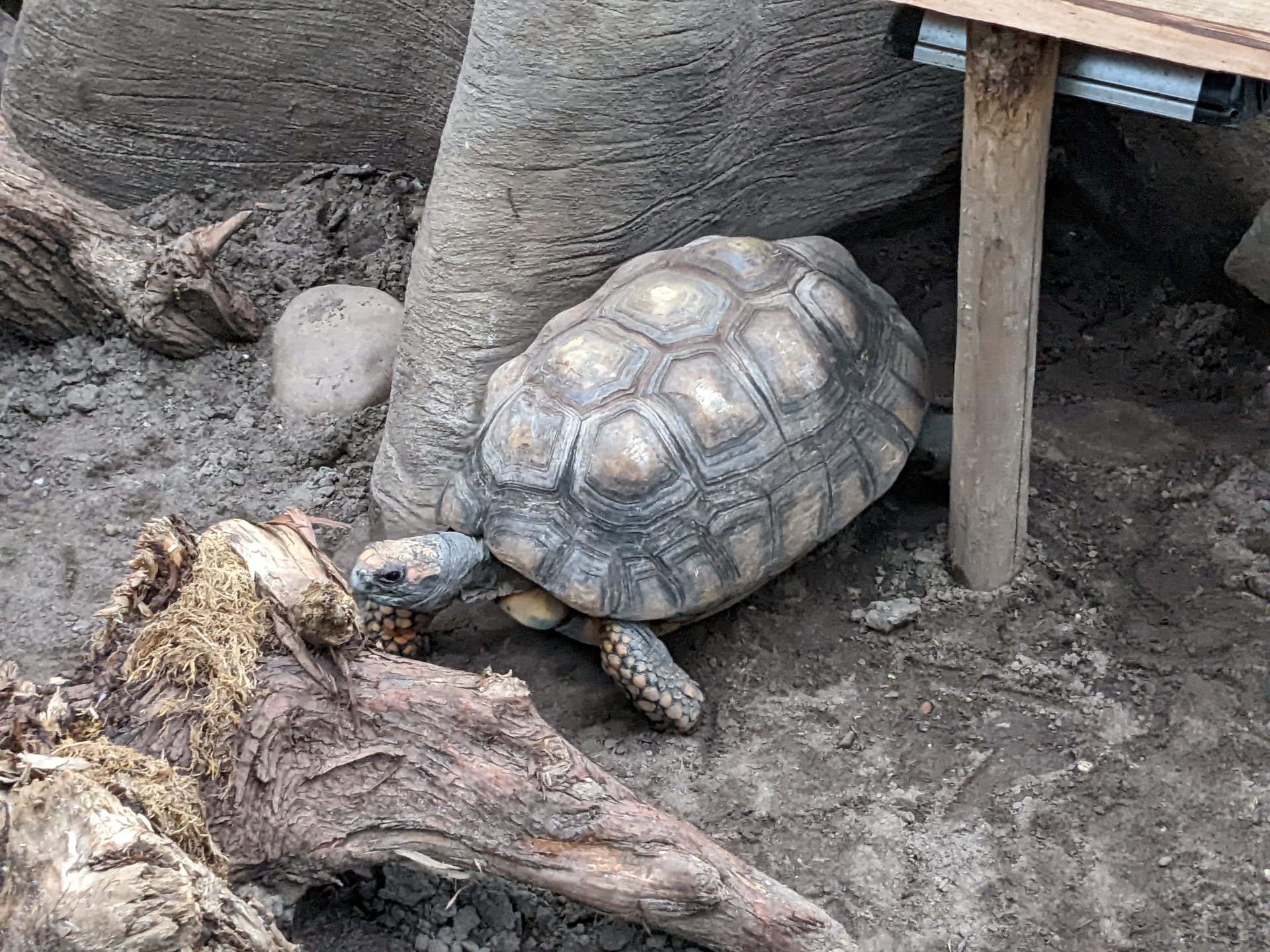
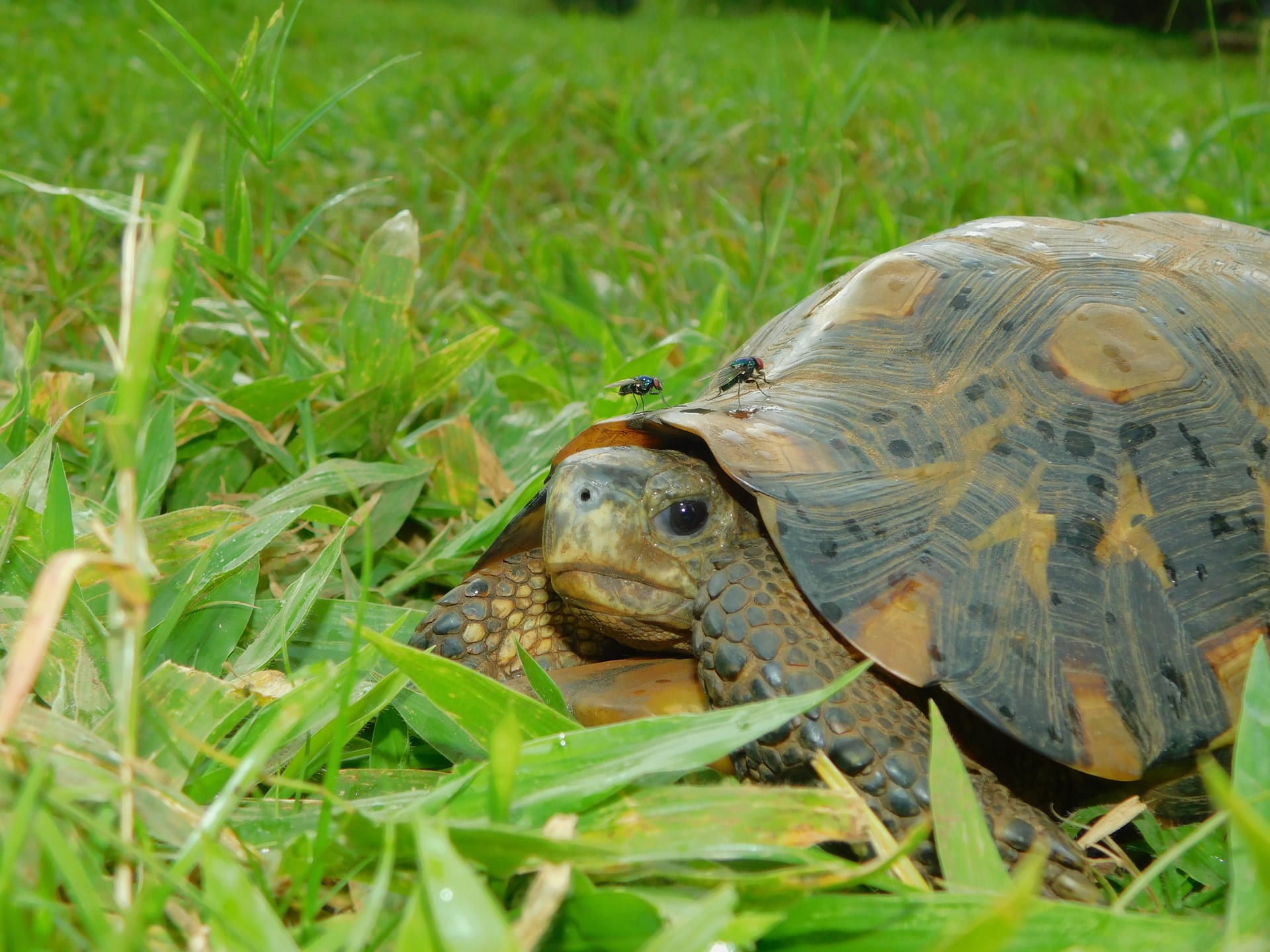
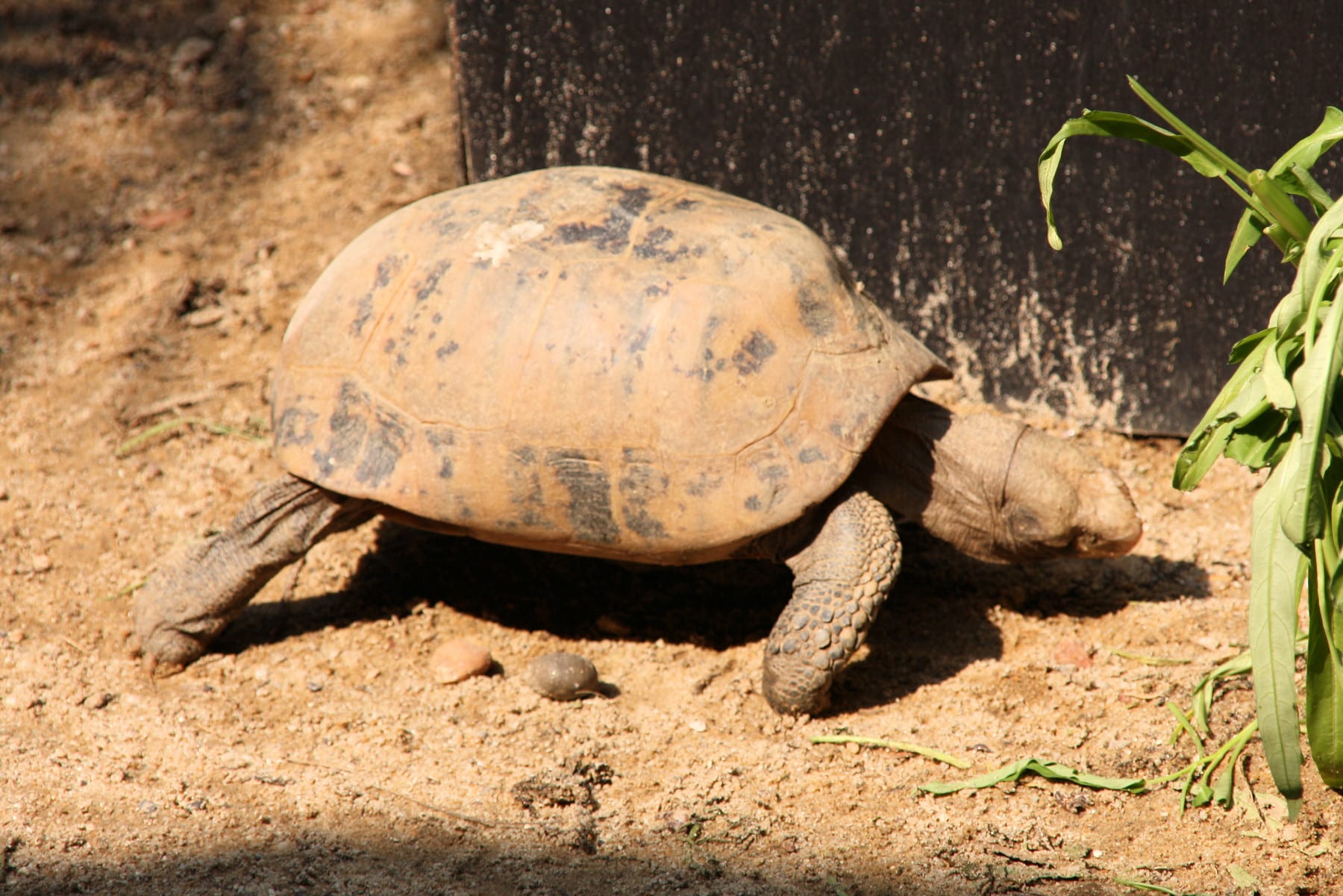
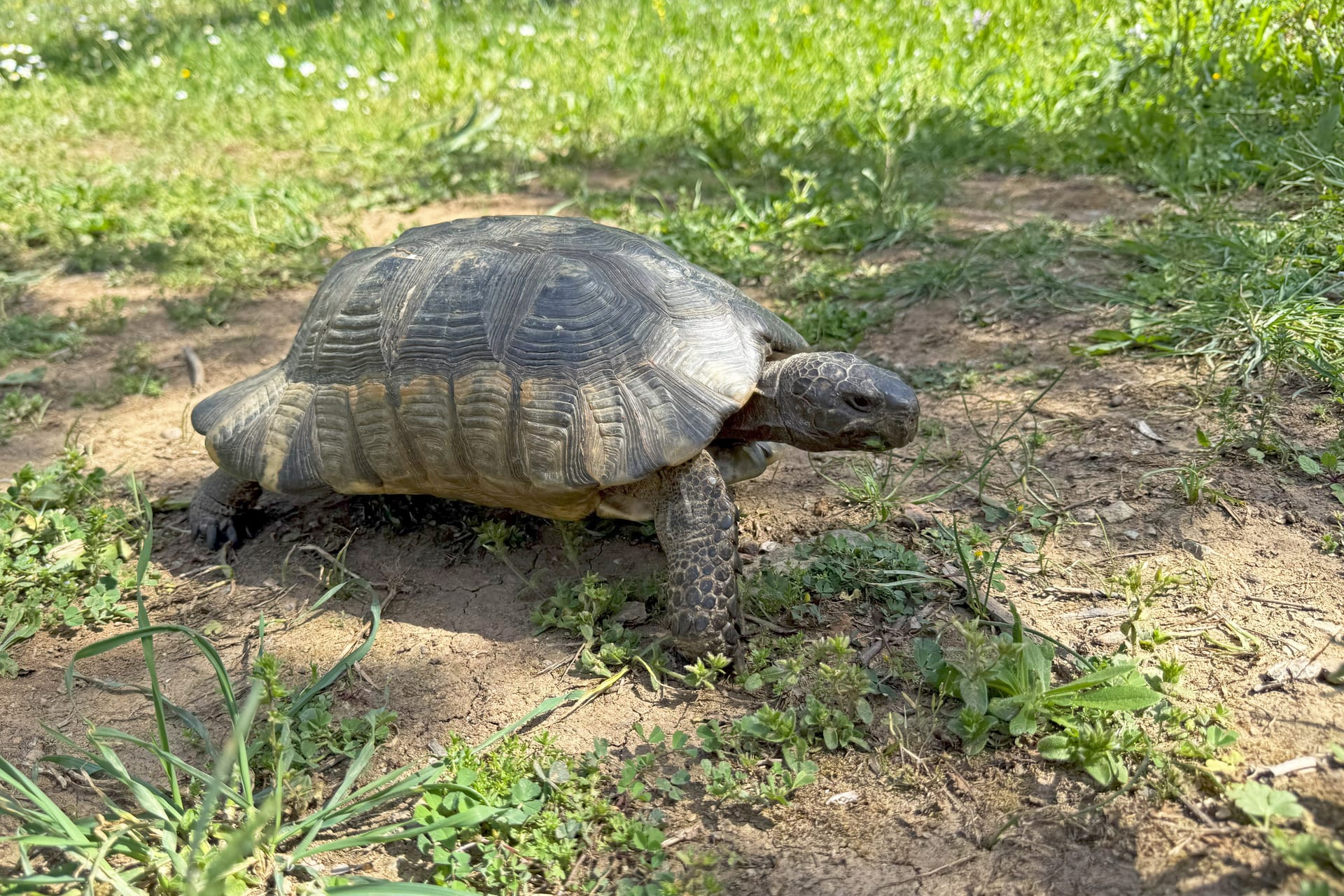
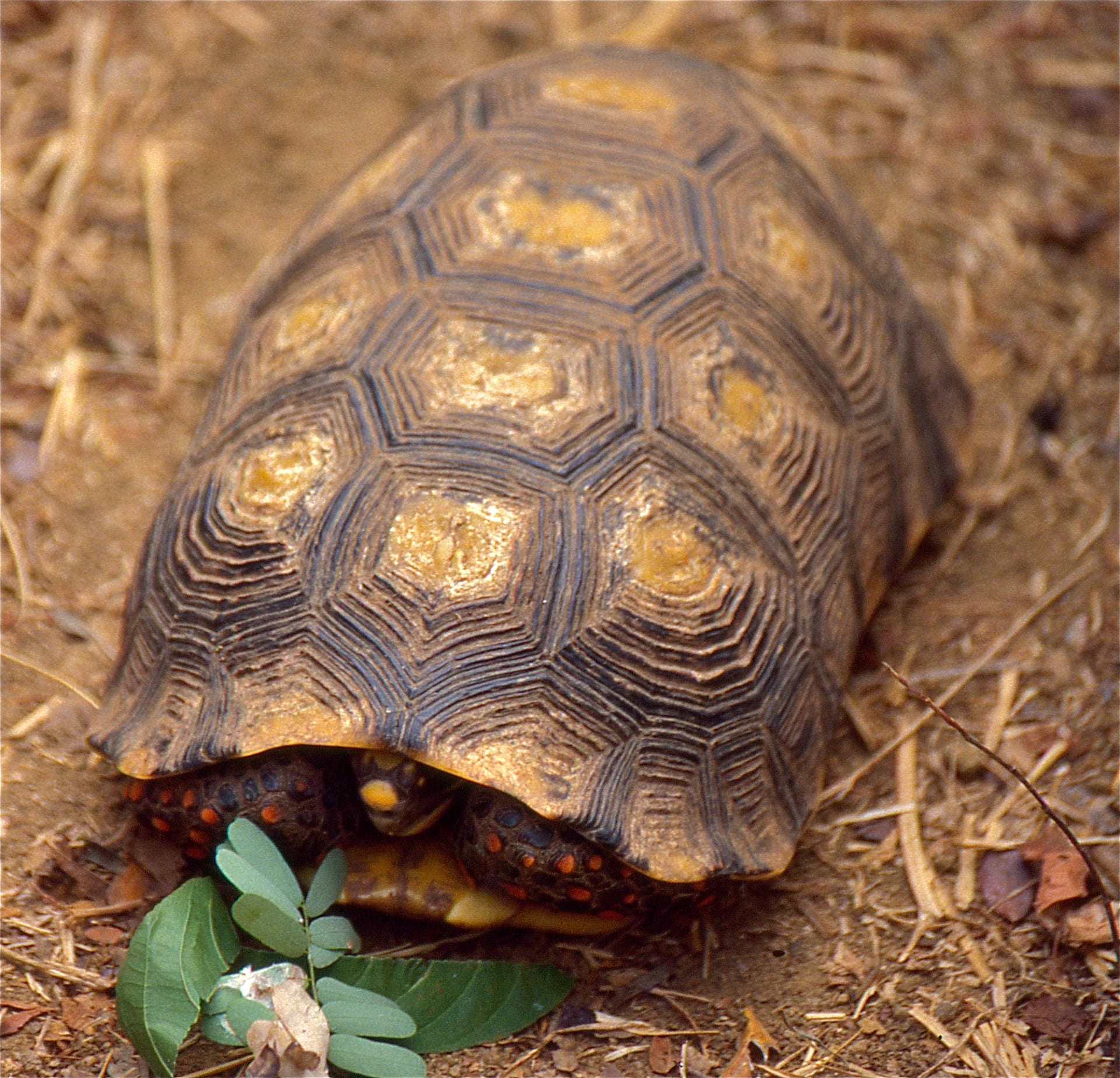
Named for the red and orange markings on the large scales of the forelimbs. The carapace is domed and waisted at the sides, giving it an hourglass outline from above. Widely distributed in South America, with a carapace to 51 cm.
Difficulty
Intermediate
Lifespan
Fifty years or more under good care
Size
Carapace up to 51cm, though populations differ greatly, from about 20cm to over 40cm
Humidity
70〜90%
Diet
Leafy greens, fruit, flowers, mushrooms, tortoise diet and a small amount of animal protein
About
Chelonoidis carbonarius is a tortoise widely distributed in South America, with a carapace to 51 cm. The shell is domed and waisted at the sides, so from above it has an hourglass outline. It is black to dark brown with yellow, pale yellowish brown or orange around the scutes present from hatching; the specific name carbonarius, meaning coal-like, refers to this dark colour. Red, orange and yellow markings mark the head, and the red or orange blotches on the large forelimb scales give the tortoise its English and Japanese names. No subspecies are recognised, but four population groups are often distinguished - northern, eastern Brazilian, Bolivian and Argentine - and adult size ranges from the low twenties of centimetres to over 40. It lives in humid savanna and forest edges, eating mainly flowers in the dry season and fruit in the wet.
Source: Wikipedia (CC BY-SA 4.0)
Size of the Red-Footed Tortoise
The Red-Footed Tortoise grows to Carapace up to 51cm, though populations differ greatly, from about 20cm to over 40cm.
Basic Info
Origin
From southern Panama through Colombia, Venezuela, the Guianas, Brazil, Bolivia, Paraguay and northern Argentina, in humid savanna and the forest edges around it
Lifespan
Fifty years or more under good care
Size
Carapace up to 51cm, though populations differ greatly, from about 20cm to over 40cm
Humidity
70〜90%
Diet
Care Specifications
PeacefulSolitaryBreeding: Moderate
Sources: ReptiFiles: Red-Footed Tortoise Care Sheet / Wikipedia (Japanese): Red-footed tortoise / Wikipedia (English): Red-footed tortoise / Reptile Database
References & Sources
Edited & verified by: BreederDirect editorial team
The taxonomic, regulatory, and husbandry data on this page are compiled and verified against the authoritative primary sources below.
Primary sources
- Wikipedia
- CITES Appendices
- Ministry of the Environment: list of invasive alien species
- Order for Enforcement of the Act on Welfare and Management of Animals (designated dangerous animals)
- ReptiFiles: Red-Footed Tortoise Care Sheet
- Wikipedia (Japanese): Red-footed tortoise
- Wikipedia (English): Red-footed tortoise
- Reptile Database
Taxonomy & Authority
Accepted name: Chelonoidis carbonarius Spix, 1824
Synonyms: Testudo carbonaria Spix, 1824, Geochelone carbonaria (Williams, 1960), Chelonoidis carbonaria (Bour, 1980)
Authority databases: Reptile Database
Nomenclature follows global taxonomic authority databases.
Regulations & Conservation Status
CITES Appendix II
It was listed in CITES Appendix II at the genus level as Geochelone when the Convention on International Trade in Endangered Species came into effect in 1975, and at the family level as Testudinidae in 1977 (the current listing at family level came into effect on January 2, 2017). As it is in Appendix II, no international rare wildlife species registration certificate is required. This species is neither listed as a designated animal in the appendix of the Animal Welfare and Management Act Enforcement Regulations nor as a designated invasive species.
Sources: CITES Appendices / Ministry of the Environment: list of invasive alien species / Order for Enforcement of the Act on Welfare and Management of Animals (designated dangerous animals)
Regulations may change. Always verify the latest information with the relevant authorities.
Red-Footed Tortoise Listings
Loading latest listingsFind listings for this species