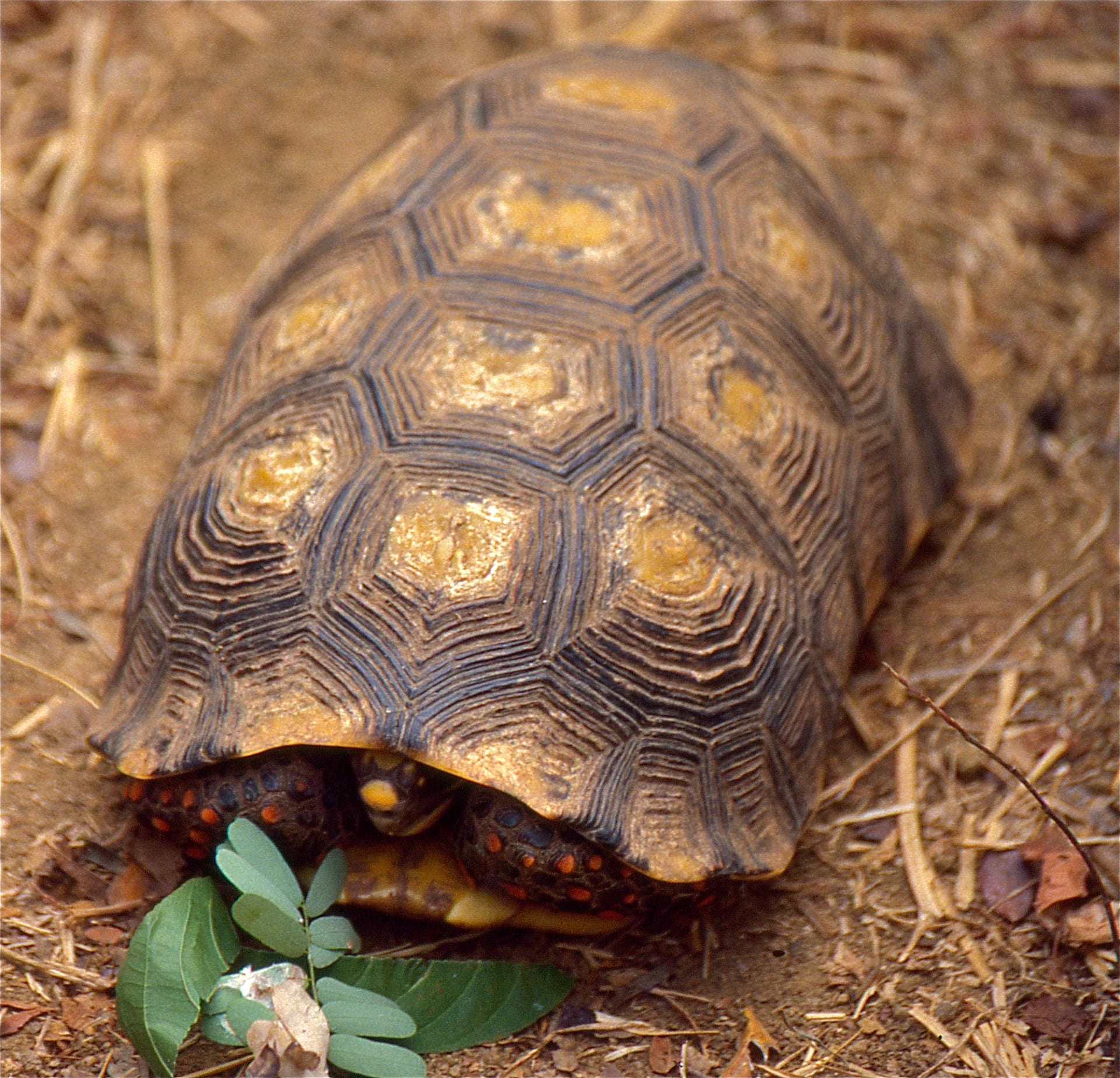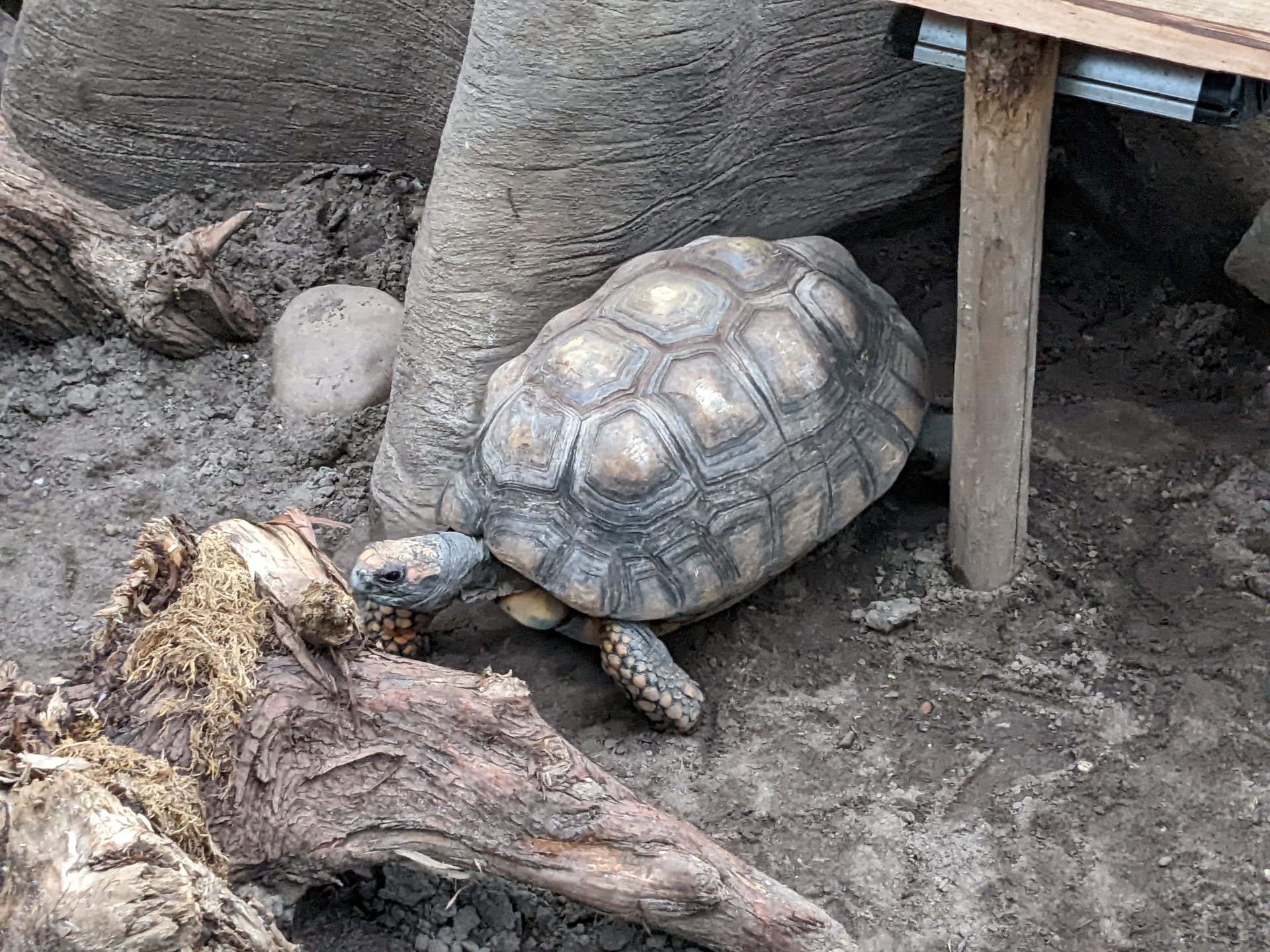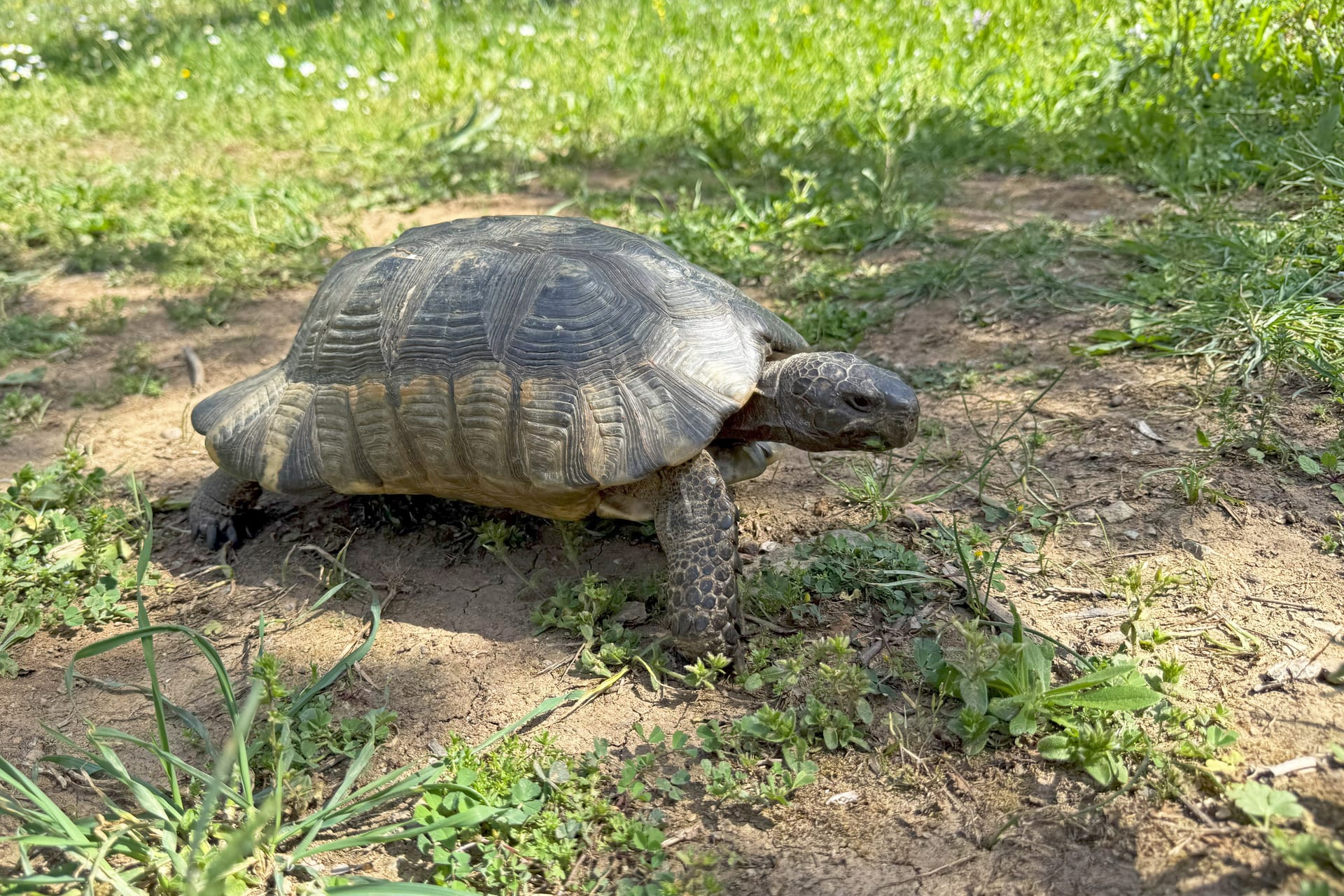
Source: Wikimedia Commons
Marginated Tortoise
IntermediateTestudo marginata
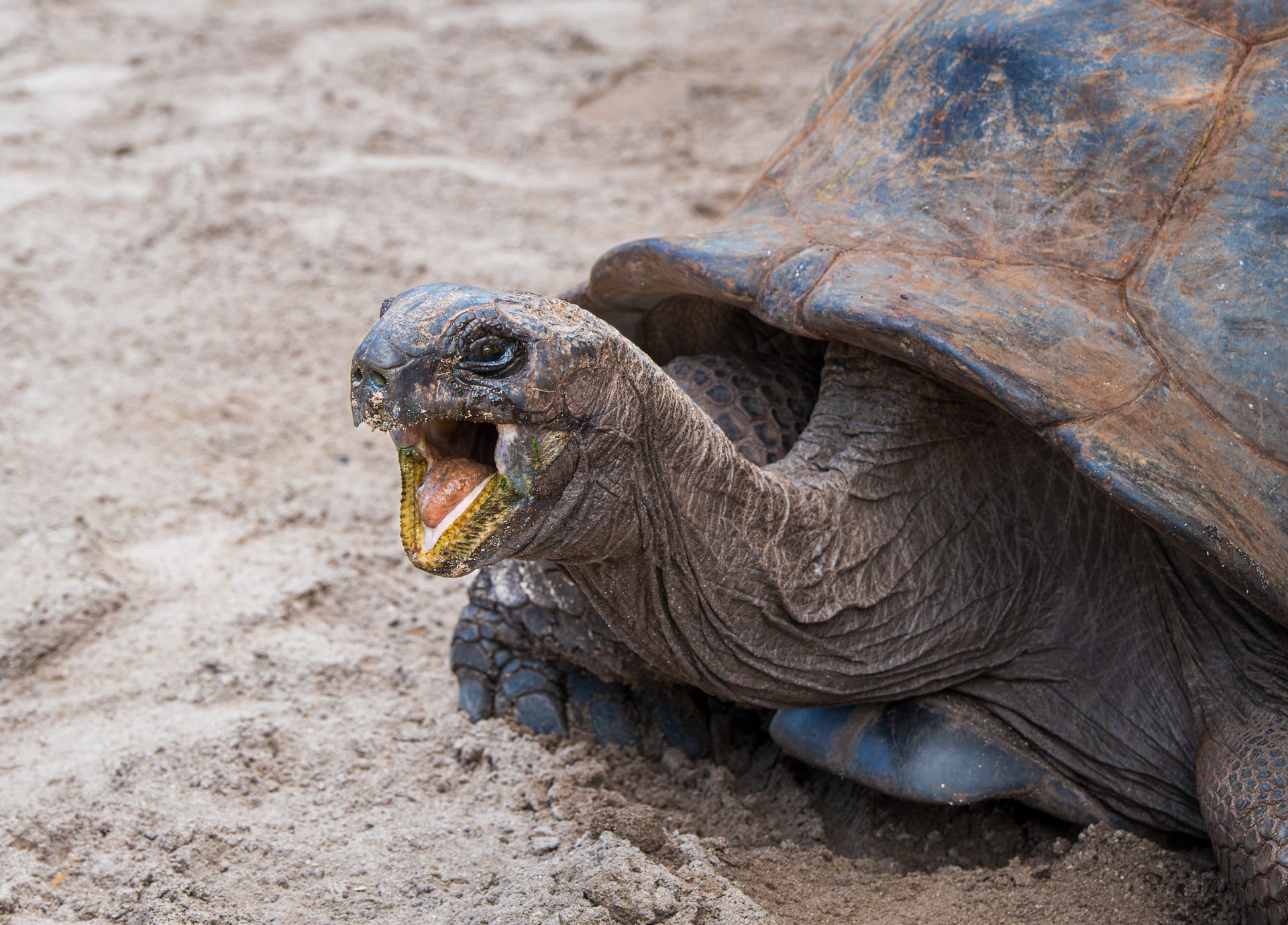
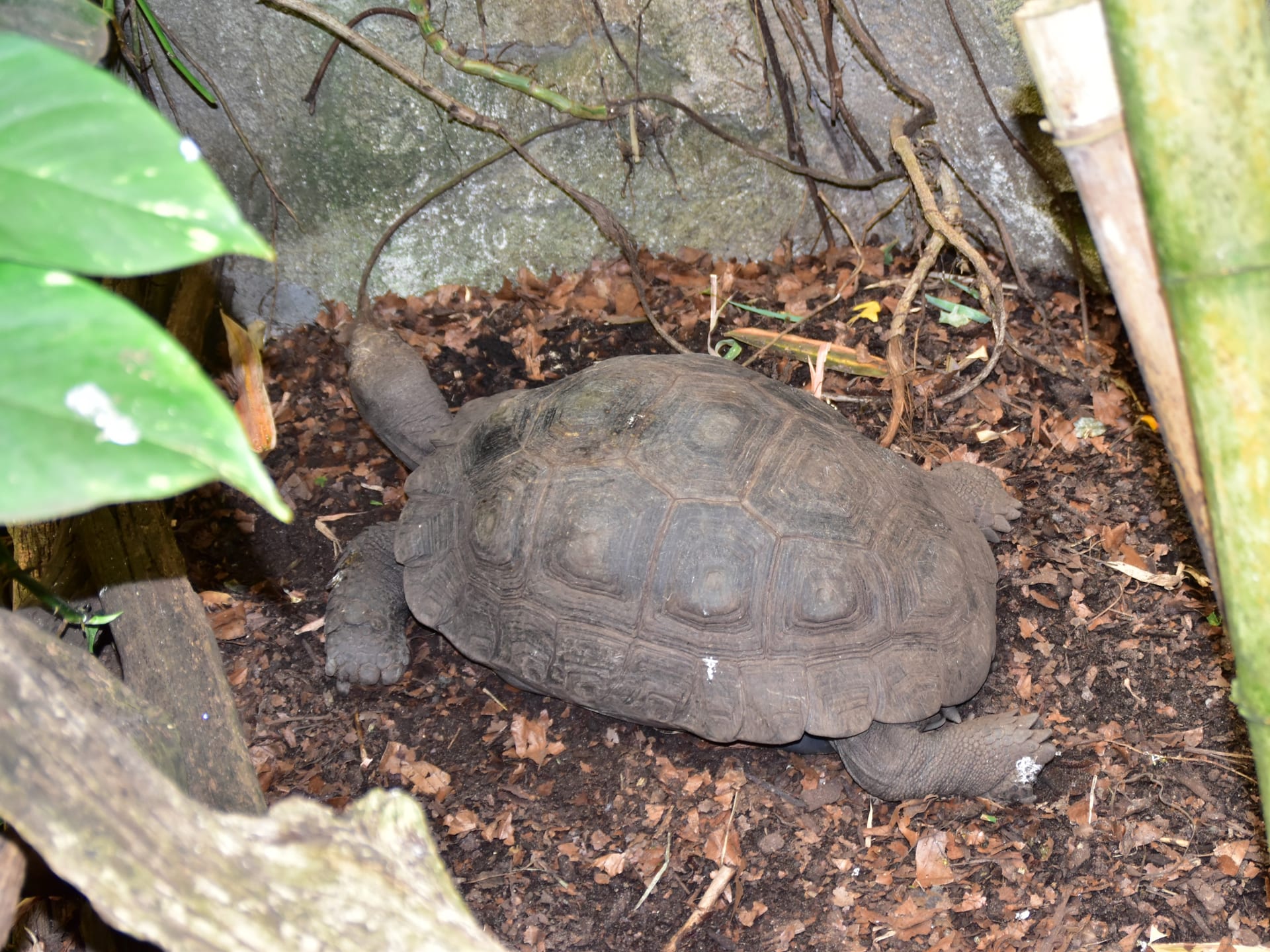
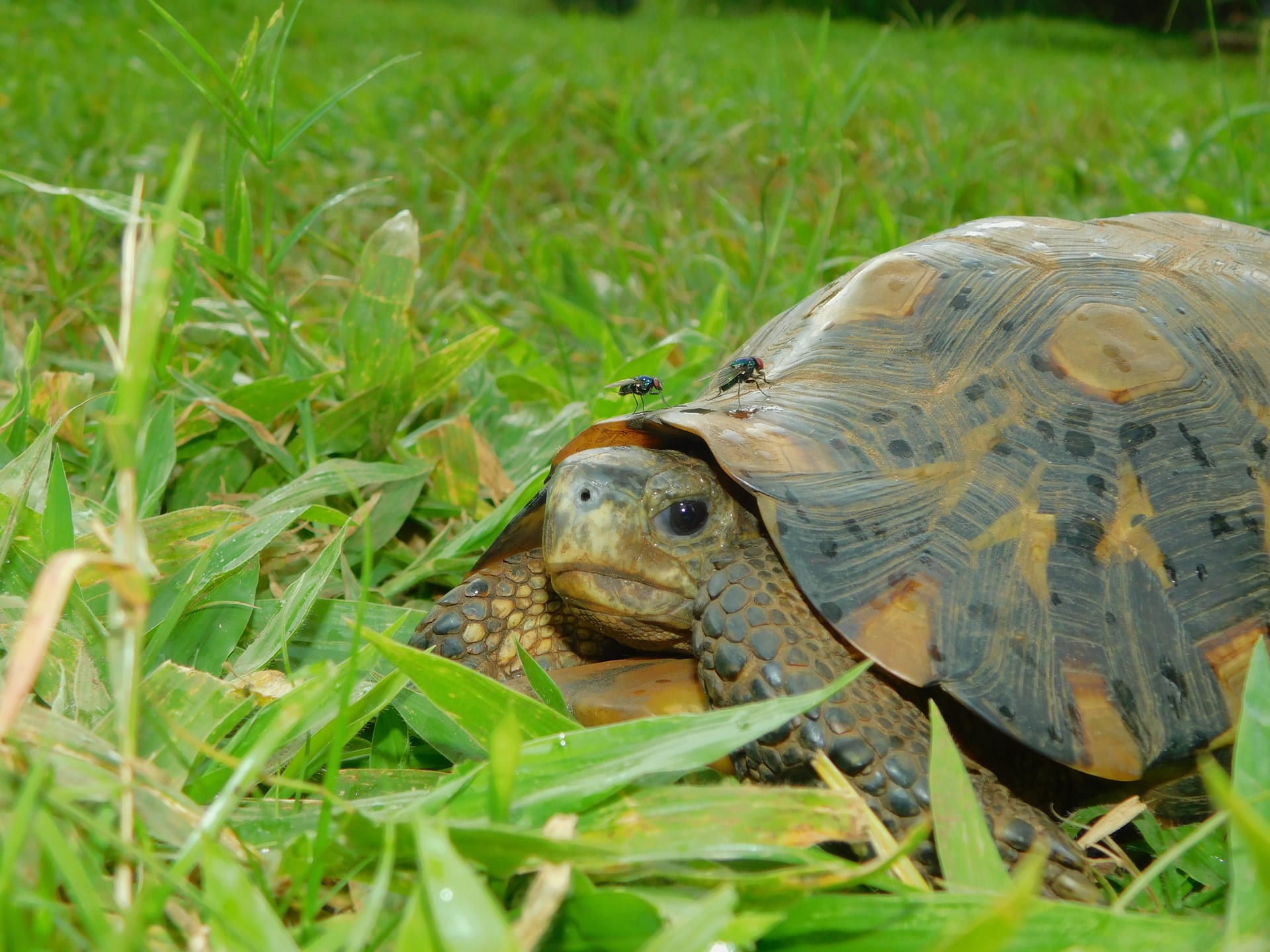
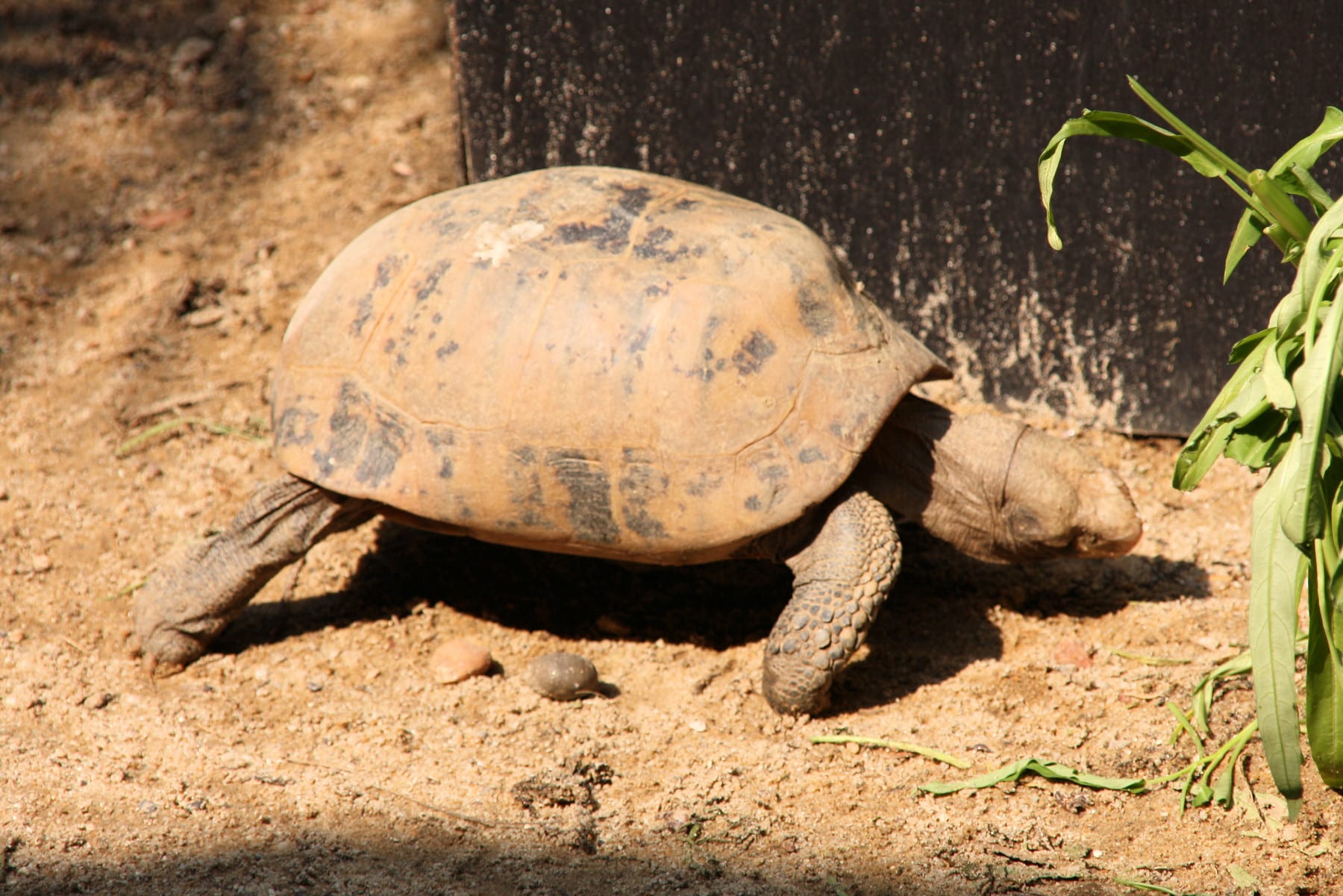
The rear marginal scutes flare outwards like a skirt, which gives the tortoise its English and Japanese names; the specific name marginata means bordered. It is the largest Testudo, with a carapace to 39 cm, and the flare is most pronounced in males.
Difficulty
Intermediate
Lifespan
Fifty to seventy years under good care
Size
Carapace up to 39cm, with typical adults at 30-38cm
Humidity
40〜70%
Diet
Grasses, leaves, flowers, fruit and tortoise diet
About
Testudo marginata is the largest of the Mediterranean tortoises, with a carapace to 39 cm. The shell is elongated and rather flat, and the rear marginal scutes flare outwards like a skirt - the source of its English and Japanese names and of the specific name marginata, meaning bordered. The flare is strongest in males and weak in juveniles, and the plastron carries three or four pairs of triangular markings. It lives in dry scrubland and shelters in holes in the ground and rock crevices; the Peloponnese population digs burrows up to three metres deep. It aestivates in summer, and mountain populations of the nominate form also hibernate in winter. It is entirely herbivorous, eating grasses, leaves, flowers and fruit. Hardy and of manageable adult size, it is regarded as one of the easier tortoises, and only small numbers of European captive-bred animals reach Japan.
Source: Wikipedia (CC BY-SA 4.0)
Size of the Marginated Tortoise
The Marginated Tortoise grows to Carapace up to 39cm, with typical adults at 30-38cm.
Basic Info
Origin
Greece including the Peloponnese and southern Albania, with introduced populations in Italy and Sardinia, in dry scrubland
Lifespan
Fifty to seventy years under good care
Size
Carapace up to 39cm, with typical adults at 30-38cm
Humidity
40〜70%
Diet
Care Specifications
PeacefulSolitaryBreeding: Moderate
Sources: Reptiles Magazine: Marginated Tortoise Information and Care / Wikipedia (Japanese): Marginated tortoise / Wikipedia (English): Marginated tortoise / Reptile Database
References & Sources
Edited & verified by: BreederDirect editorial team
The taxonomic, regulatory, and husbandry data on this page are compiled and verified against the authoritative primary sources below.
Primary sources
- Wikipedia
- CITES Appendices
- Ministry of the Environment: list of invasive alien species
- Order for Enforcement of the Act on Welfare and Management of Animals (designated dangerous animals)
- Reptiles Magazine: Marginated Tortoise Information and Care
- Wikipedia (Japanese): Marginated tortoise
- Wikipedia (English): Marginated tortoise
- Reptile Database
Taxonomy & Authority
Accepted name: Testudo marginata Schoepff, 1793
Synonyms: Testudo marginata Schoepff, 1793, Chersus marginatus (Wagler, 1830), Testudo weissingeri Bour, 1996
Authority databases: Reptile Database
Nomenclature follows global taxonomic authority databases.
Regulations & Conservation Status
CITES Appendix IIIUCN LC · Least Concern
Listed in CITES Appendix II at the family level (Testudinidae) in 1977 (current listing effective January 2, 2017). As an Appendix II species, registration certificates for international rare wildlife are not required. It does not fall under the designated animals listed in the Animal Protection and Management Act Enforcement Order, nor is it designated as a designated invasive species.
Sources: CITES Appendices / Ministry of the Environment: list of invasive alien species / Order for Enforcement of the Act on Welfare and Management of Animals (designated dangerous animals)
Regulations may change. Always verify the latest information with the relevant authorities.
Marginated Tortoise Listings
Loading latest listingsFind listings for this species