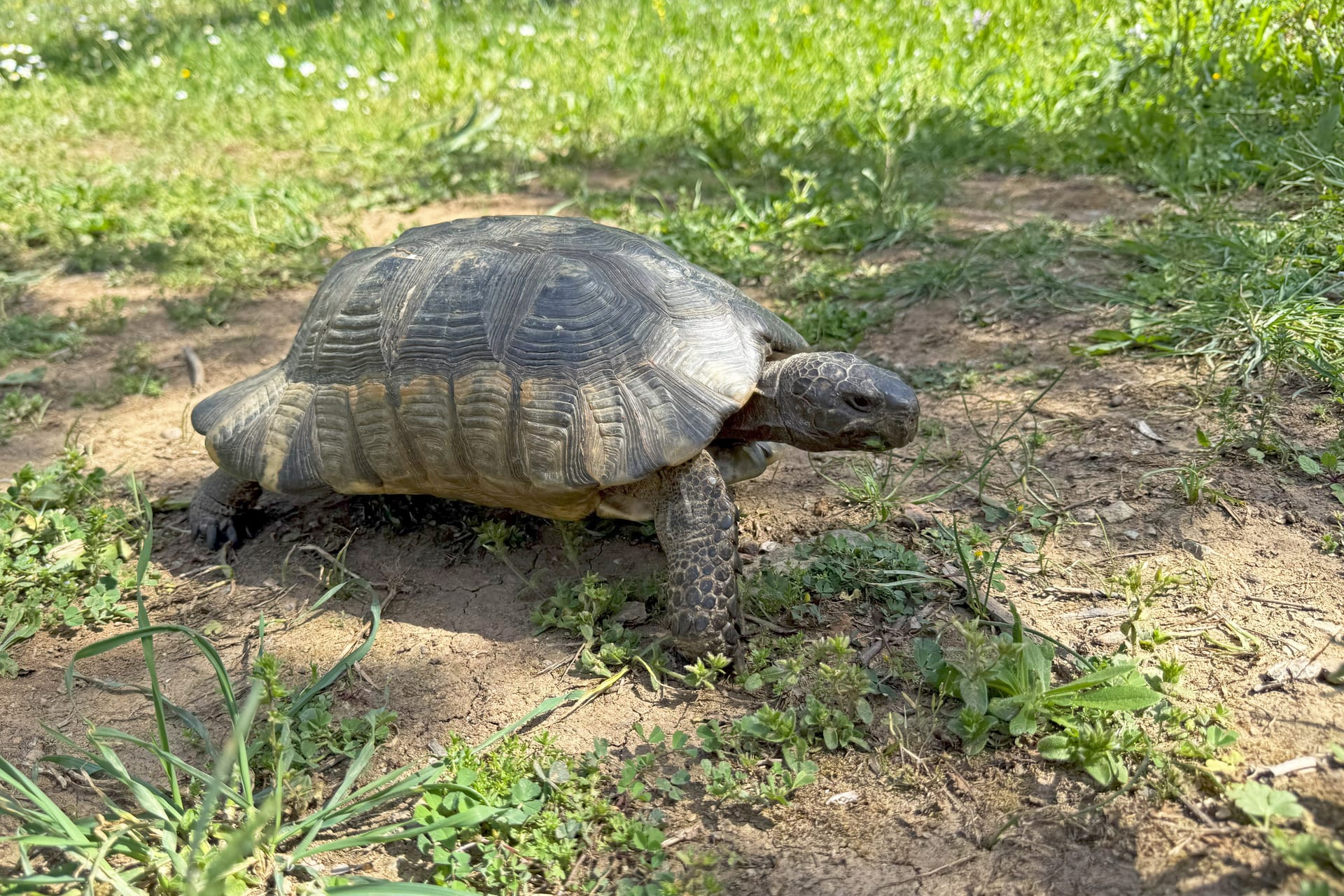
 © Bouke ten Cate / CC BY 4.0
Marginated Tortoise
The Marginated Tortoise is known for its distinctive silhouette, with the rear marginal scutes flaring outward like a skirt — the feature behind both its Japanese and English names. It is the largest species in the Mediterranean tortoise genus, reaching up to 39cm in carapace length, with the flaring most pronounced in males. Generally hardy and well-suited to outdoor keeping, this tortoise can live 50 to 70 years under proper care, making it a companion for decades. Watching its body and distinctive scutes develop over the years is one of the quiet rewards of keeping this species.
View Marginated Tortoise encyclopedia →0% commission on your first sales!Register by September 30, 2026 and your first 2 sales are commission-free!
Breeder Wanted!
List on BreederDirect and sell directly to customers nationwide!
6 Transparency Promises from Br-Choku
Every Reptiles & Amphibians from verified Breeder breeders includes complete information: morph, genetics, feeding requirements, and temperament details.
- Morph Information
- Actual Photos
- Feeding Information
- Temperament Information
- Genetics Information
- Age (Months)
Browse all 319 breeds
Difficulty Level
Feeding Type
Temperament
Verified breeders wanted for Reptiles & Amphibians
Breeders are signing up now ahead of launch. Subscribe to be notified when new listings go live.
Getting alerts is free with a member account. When new listings match your saved search, we'll notify you by email and in-app.
Browse other categories
Verified breeders (preview)
Are you raising reptiles & amphibians?
Register as a breeder and connect with buyers directly.
Apply as a breederMarginated Tortoise key facts
- Care level
- Intermediate
- Lifespan
- Fifty to seventy years under good care
- Size
- Carapace up to 39cm, with typical adults at 30-38cm
- Temperature
- Diet
- Grasses, leaves, flowers, fruit and tortoise diet
- Temperature & Humidity
- Use a mercury vapour lamp or similar to hold the spot directly under the bulb at 35-38 C, letting the rest of the enclosure fall to room temperature so there is a gradient. Nights at 18-21 C are fine. If humidity stays above 60 per cent, keep the animal above 27 C at all times.
- Enclosure
- Give at least 5 cm of substrate so the tortoise can dig in, and keep it slightly damp to create microclimates. Once it reaches about 10 cm it can live outdoors and tolerates fairly harsh conditions. Outdoors, sink the walls deep and cap the corners with an overhang so it cannot climb out.
- Diet & Feeding
- Entirely herbivorous: feed grasses, leaves, flowers and fruit. Avoid high-protein, high-fat foods, which cause shell deformity.
- Temperament
- Hardy, easy to handle and of manageable adult size. It is placid, but males fight, so if several are kept together give them plenty of space and hides.
- Notes
- The family Testudinidae was listed on CITES Appendix II in 1977, the current listing effective 2 January 2017. Appendix II species need no individual registration certificate in Japan, and it is neither a designated dangerous animal nor an invasive alien species there. Collection and export of wild animals are tightly restricted, and the trade is supplied entirely by European captive-bred stock.
About Marginated Tortoise
An introduction to the Marginated Tortoise, the largest Mediterranean tortoise species — its traits, temperament, and key points to know before bringing one home.
7 things to know before welcoming a Marginated Tortoise
1Requires Ample Space
Adults typically reach 30-38cm in carapace length, with a maximum of 39cm, making this a large species. Indoor enclosures should be sized with future growth in mind, and outdoor space is worth considering where possible.
2An Exceptionally Long Lifespan
Under proper care, this species can live 50 to 70 years — potentially outliving its keeper. Before bringing one home, it's worth thinking about long-term care arrangements, including who might take over in the future.
3Suited to Intermediate Keepers
This species is generally considered suitable for intermediate keepers. It's best to have a foundation in tortoise care basics — temperature and humidity control, UV lighting — before bringing one home.
4The Distinctive Flaring Scutes
As it matures, the rear marginal scutes flare outward like a skirt — the species' most defining trait. This is especially pronounced in males, becoming more distinct with age.
5A Generally Easygoing Temperament
Many individuals are described as calm and easygoing, though temperament can vary. After bringing one home, observe its behavior closely and adjust your approach to match its individual pace.
6Managing UV Light and Temperature Gradients
UV lighting and a proper temperature gradient are essential to this tortoise's health. Set up a basking hotspot alongside a cooler area within the enclosure, and make daily temperature checks part of your routine.
7Watching for Changes in Condition
Make it a habit to observe appetite, shell condition, and activity levels regularly. Given the long lifespan involved, building a relationship where you can catch small changes early matters all the more.
Frequently asked questions about Marginated Tortoise
- Q.How large does a Marginated Tortoise grow?
- A.It is the largest Mediterranean tortoise species, reaching up to 39cm in carapace length, with typical adults measuring 30-38cm. Plan enclosure space with this eventual size in mind.
- Q.How long will I be caring for this tortoise?
- A.Under proper care, this species can live 50 to 70 years. It's worth thinking through a long-term care plan before bringing one home.
- Q.Is this species suitable for beginners?
- A.This species is generally considered suited to intermediate keepers rather than beginners. Understanding the basics of tortoise care — temperature, humidity, and UV lighting — beforehand is recommended.
- Q.What is the flaring scute the name refers to?
- A.As the tortoise matures, its rear marginal scutes flare outward like a skirt — the feature behind both its Japanese and English names. This is especially pronounced in males.
- Q.Is this species subject to any international trade regulation?
- A.Marginated Tortoise is listed in CITES Appendix II. International trade requires a permit from the exporting country, but as far as CITES is concerned, no registration is needed to buy or sell individuals already legally in Japan.
Useful tools for Marginated Tortoise care
Learn more about Marginated Tortoise in the encyclopedia
View Marginated Tortoise encyclopedia entry →
Care difficulty, lifespan, size and diet — all basics covered.
More in this category
Can't find the one you're looking for?
Post your wishes for free and breeders with matching animals will contact you with introductions.