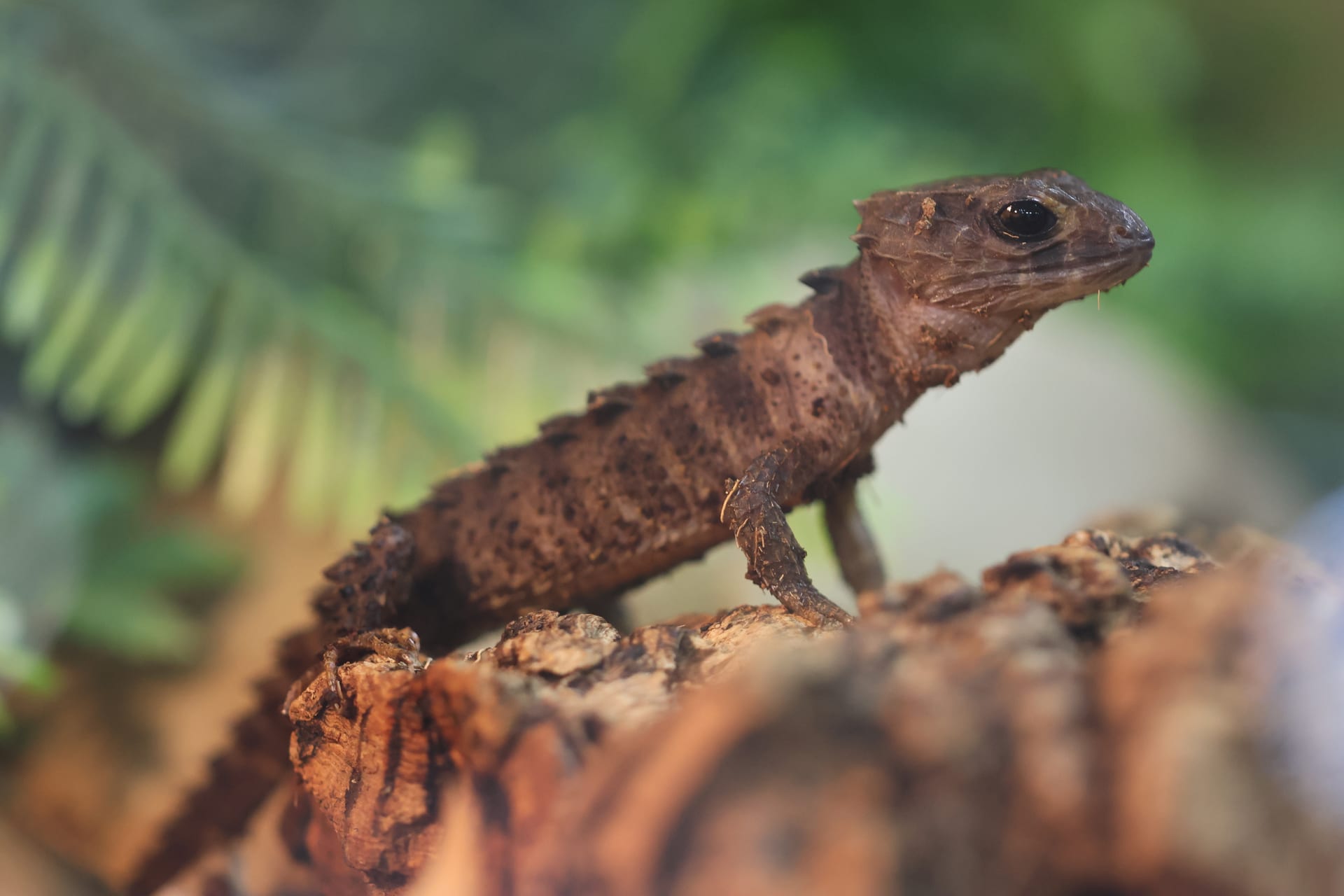
 © Melvin TOULLEC / CC BY-SA 4.0
White-Eyed Crocodile Skink
The White-Eyed Crocodile Skink is a forest-floor lizard native to New Guinea, easily recognized by the rows of raised, spiky-looking scales running down its back. Its name comes from the pale rim around each eye, and many individuals have a calm, quiet temperament that rewards patient observation. Crocodile skinks are among the few lizards known to vocalize, sometimes letting out a small squeak when startled. In captivity they can live for over a decade, making them a long-term companion for their keeper.
View White-Eyed Crocodile Skink encyclopedia →0% commission on your first sales!Register by September 30, 2026 and your first 2 sales are commission-free!
Breeder Wanted!
List on BreederDirect and sell directly to customers nationwide!
6 Transparency Promises from Br-Choku
Every Reptiles & Amphibians from verified Breeder breeders includes complete information: morph, genetics, feeding requirements, and temperament details.
- Morph Information
- Actual Photos
- Feeding Information
- Temperament Information
- Genetics Information
- Age (Months)
Browse all 280 breeds
Difficulty Level
Feeding Type
Temperament
Verified breeders wanted for Reptiles & Amphibians
Breeders are signing up now ahead of launch. Subscribe to be notified when new listings go live.
Getting alerts is free with a member account. When new listings match your saved search, we'll notify you by email and in-app.
Browse other categories
Verified breeders (preview)
Are you raising reptiles & amphibians?
Register as a breeder and connect with buyers directly.
Apply as a breederWhite-Eyed Crocodile Skink key facts
- Care level
- Intermediate
- Lifespan
- Over 10 years in captivity
- Temperature
- Humidity
- Diet
- Insectivorous: crickets, worms and other insects and arthropods
- Temperature & Humidity
- Following practice for the congeneric red-eyed crocodile skink, keep the warm hide at 27-28 C, the cool side at 24-26 C and nights at 22-24 C. Hold relative humidity at 70-80 percent by day, raising it to 80-100 percent at night. It is very intolerant of dry conditions and dehydrates rapidly in them.
- Enclosure
- A forest-floor animal, it prefers dim conditions with plenty of hides at ground level. Around 60 x 45 x 45 cm suffices for a single animal. Use 5-10 cm of a moisture-retentive substrate such as 60 percent organic topsoil with 40 percent coconut fibre. It likes to swim, so provide a generous water container it can submerge in. Live plants help stabilise humidity.
- Diet & Feeding
- Insectivorous, taking crickets, worms and similar prey. Offer feeders scaled to its size, dusted with calcium and vitamin supplements. Because it prefers low light, it responds better when fed during the dimmer hours.
- Temperament
- Timid, favouring low light and plenty of cover. Startled, it dives into a hide and may vocalise. Frequent handling is stressful and should be avoided. If animals are housed together, provide more hides than animals and check that no fighting occurs.
- Notes
- Not listed on any CITES appendix. The IUCN assesses it as Least Concern. It appears neither on the schedule of designated dangerous animals under the Order for Enforcement of the Act on Welfare and Management of Animals nor on Japan's list of invasive alien species. Much of the available husbandry information derives from the congeneric red-eyed crocodile skink and may not transfer exactly.
About White-Eyed Crocodile Skink
A New Guinea forest-floor skink known for its spiky dorsal scales and white-rimmed eyes. Suited to keepers with some experience; can live over 10 years in captivity.
7 things to know before welcoming a White-Eyed Crocodile Skink
1Humidity Is Key
Native to the humid forest floors of New Guinea, this skink needs consistently high humidity in its enclosure. Pay attention to substrate moisture retention and ventilation balance to avoid letting the habitat dry out.
2A Shy, Secretive Nature
This skink prefers to stay hidden and feels most secure with multiple shelters, leaf litter, or cork bark to retreat into. Many individuals are naturally shy, and forcing handling can cause unnecessary stress.
3A Lizard That Can Vocalize
Crocodile skinks are among the rare lizard species capable of vocalizing, occasionally letting out a small sound when startled. This can be surprising to first-time keepers but is a normal behavior for the genus.
4An Intermediate-Level Pet
This species is considered suitable for keepers with some prior reptile experience, particularly in managing temperature, humidity, and feeding routines. First-time reptile owners should research care requirements thoroughly before bringing one home.
5An Insectivorous Diet
This skink is primarily insectivorous, so keepers need to consider appropriate prey size and nutritional balance. Calcium and other supplements should be considered based on the specific care setup.
6A Decade-Long Commitment
This species is known to live over 10 years in captivity, so prospective keepers should plan for a long-term commitment. It's worth considering how future life changes, such as moving or travel, might affect ongoing care.
7Setting Up the Enclosure First
Setting up the enclosure, substrate, thermo-hygrometer, and hiding spots before bringing the skink home reduces stress during the transition. It's best to have the habitat fully ready in advance rather than scrambling to prepare after arrival.
Frequently asked questions about White-Eyed Crocodile Skink
- Q.Can beginners keep a White-Eyed Crocodile Skink?
- A.This species is considered suitable for keepers with some experience, as it requires careful temperature and humidity management. First-time reptile keepers are encouraged to thoroughly research care requirements before bringing one home.
- Q.How long can I expect to keep this skink?
- A.In captivity, this species is known to live over 10 years. It's important to consider bringing one home only if you're prepared for long-term care.
- Q.Does this skink really make sounds?
- A.Yes, crocodile skinks are among the few lizard species known to vocalize. They may let out a small sound when startled, which is a natural behavior for the genus.
- Q.Can I handle this skink regularly?
- A.Many individuals are naturally shy and prefer staying hidden, so frequent handling can cause stress. This species is best suited to a quieter, observation-focused keeping style.
- Q.Is this species subject to any regulations?
- A.The White-Eyed Crocodile Skink is not listed under CITES.
Useful tools for White-Eyed Crocodile Skink care
Learn more about White-Eyed Crocodile Skink in the encyclopedia
View White-Eyed Crocodile Skink encyclopedia entry →
Care difficulty, lifespan, size and diet — all basics covered.
More in this category
Can't find the one you're looking for?
Post your wishes for free and breeders with matching animals will contact you with introductions.