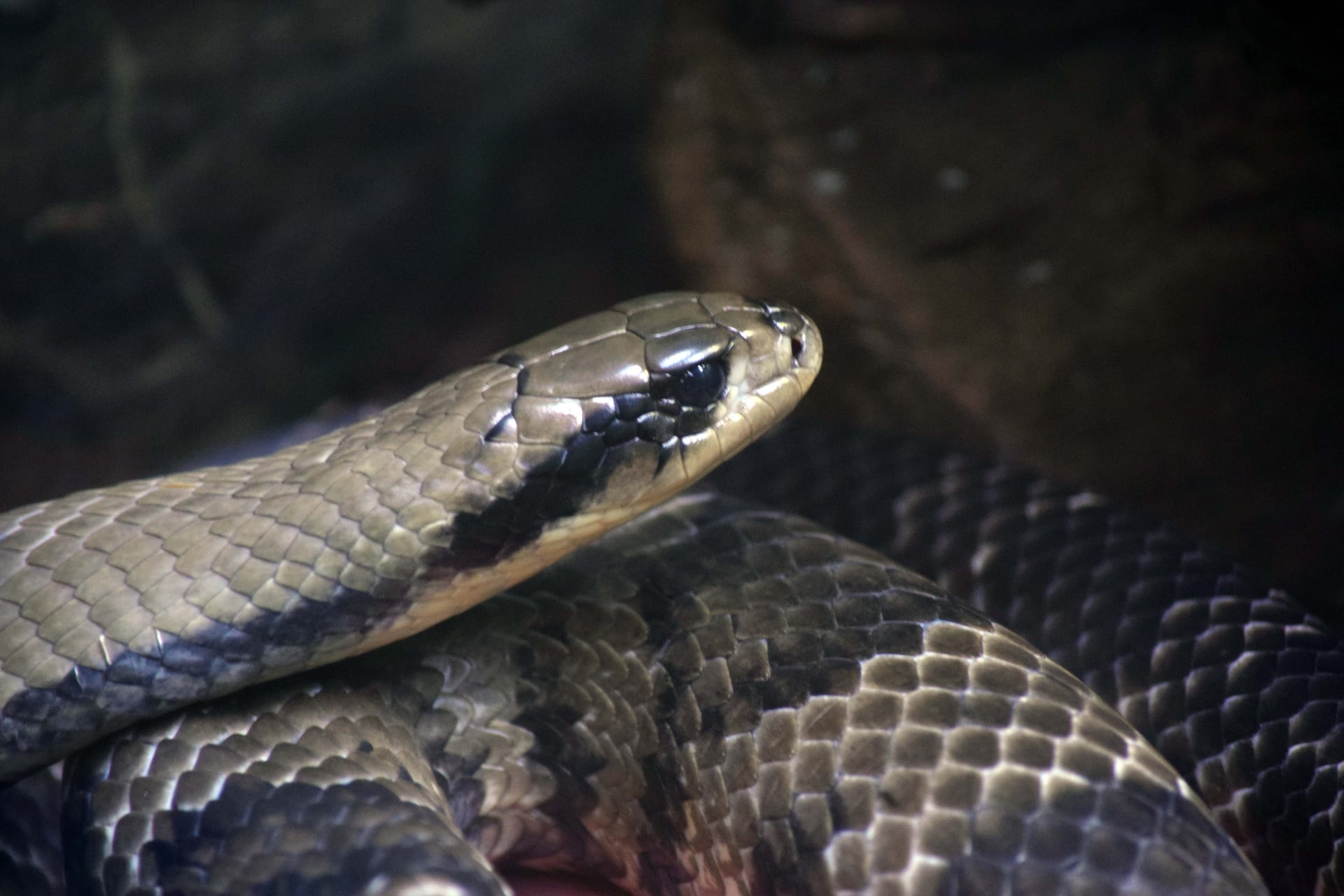
 © Miguelrangeljr / CC BY-SA 4.0
False Water Cobra
The False Water Cobra is a large colubrid snake native to South America, often found near rivers and wetlands. When threatened, it flattens its neck into a hood-like shape reminiscent of a true cobra, all while keeping its body low and horizontal rather than rearing up. Despite this dramatic bluff, it's an alert, active snake that's fascinating to watch. Adults typically reach around 2 meters, with some individuals exceeding 3 meters, so a spacious enclosure is essential. Because it's rear-fanged with mild venom, this snake is best suited to experienced keepers.
View False Water Cobra encyclopedia →0% commission on your first sales!Register by September 30, 2026 and your first 2 sales are commission-free!
Breeder Wanted!
List on BreederDirect and sell directly to customers nationwide!
6 Transparency Promises from Br-Choku
Every Reptiles & Amphibians from verified Breeder breeders includes complete information: morph, genetics, feeding requirements, and temperament details.
- Morph Information
- Actual Photos
- Feeding Information
- Temperament Information
- Genetics Information
- Age (Months)
Browse all 280 breeds
Difficulty Level
Feeding Type
Temperament
Verified breeders wanted for Reptiles & Amphibians
Breeders are signing up now ahead of launch. Subscribe to be notified when new listings go live.
Getting alerts is free with a member account. When new listings match your saved search, we'll notify you by email and in-app.
Browse other categories
Verified breeders (preview)
Are you raising reptiles & amphibians?
Register as a breeder and connect with buyers directly.
Apply as a breederFalse Water Cobra key facts
- Care level
- Advanced
- Lifespan
- 10-15 years
- Size
- Usually about 2m, exceeding 3m at most
- Diet
- Frozen-thawed mice and rats, fish, amphibians
- Temperature & Humidity
- As an animal of marshes and rainforest it needs a humid setup with a thermal gradient.
- Enclosure
- This is a snake of over 2 m, so it needs a robust enclosure with a large floor area and a lid that locks securely. It is drawn to water, so provide a container big enough for the whole animal.
- Diet & Feeding
- In the wild it takes a broad range of prey, including fish, amphibians and small mammals; in captivity appropriately sized frozen rodents form the staple. The feeding response is very strong, so always use a hook at feeding time and keep hands away.
- Temperament
- Active and inquisitive, but the rear fangs and venom make it a snake for experienced keepers. Recorded bites have caused marked swelling, bruising, numbness, itching and dizziness, with symptoms more pronounced when the snake holds on for a long time.
- Notes
- Japan's list of designated dangerous animals covers only Dispholidus, Rhabdophis, Tachymenis and Thelotornis among the colubrids, so this species is not included. It is nonetheless mildly venomous, and both the enclosure and the handling routine should assume the risk of a bite. Species+ lists it on CITES Appendix II.
About False Water Cobra
A large South American colubrid known for its cobra-like hood display. Reaching around 2m or more, the False Water Cobra suits experienced keepers only.
7 things to know before welcoming a False Water Cobra
1A Spacious Enclosure
Adults typically grow to around 2 meters, and some individuals exceed 3 meters, so you'll need an enclosure sized for their adult length from the start. Prioritize enough floor space for the snake to stretch out and coil comfortably.
2Semi-Aquatic Habits
This species has semi-aquatic habits and appreciates a large water dish it can fully submerge in. A soaking area also helps maintain appropriate humidity levels within the enclosure.
3Cobra-Like Threat Display
When startled or threatened, this snake flattens its neck into a cobra-like hood while keeping its body horizontal rather than rearing up. In most cases this display, along with a loud hiss, is simply a bluff meant to warn off a perceived threat.
4Rear Fangs and Mild Venom
This snake is rear-fanged and mildly venomous, so a bite can cause swelling and pain. Handle it calmly and securely, and avoid bringing your face or neck close to the animal's head.
5An Alert, Quick Temperament
This is an alert, quick-moving snake, and many individuals stay somewhat defensive, so handling calls for calm, confident movements and prior experience. Avoid sudden approaches, and take time to let each snake adjust at its own pace.
6Best Suited to Experienced Keepers
Its large size, quick movements, and mild venom make this a snake best suited to keepers with solid reptile experience. If you're new to snake keeping, it's worth building experience with a more beginner-friendly species first.
7Temperature and Environment
Since this species comes from warm, humid regions of South America, maintaining an appropriate temperature gradient and humidity level in the enclosure supports its wellbeing. Provide both a basking spot and hiding places so the snake can choose the environment that suits it best.
Frequently asked questions about False Water Cobra
- Q.Can beginners keep a False Water Cobra?
- A.This species is generally recommended for experienced keepers due to its quick movements and mild venom. First-time snake owners are usually better off starting with a more beginner-friendly species.
- Q.How large does this snake grow?
- A.It typically reaches around 2 meters in total length, and some individuals grow beyond 3 meters. It's best to plan for an enclosure sized for its full adult length from the start.
- Q.How dangerous is its venom?
- A.It's rear-fanged with mild venom, and a bite typically causes localized swelling and pain rather than anything more severe. Even so, calm handling and basic precautions are important to avoid being bitten.
- Q.Why does it flare its neck like a cobra?
- A.When startled or threatened, it flattens its neck into a hood-like shape, which is where its common name comes from. Unlike a true cobra, it keeps its body horizontal rather than rearing upright during this display.
- Q.Is this species regulated under CITES?
- A.False Water Cobra is listed in CITES Appendix II. International trade requires a permit from the exporting country, but as far as CITES is concerned, no registration is needed to buy or sell individuals already legally in Japan.
Useful tools for False Water Cobra care
Learn more about False Water Cobra in the encyclopedia
View False Water Cobra encyclopedia entry →
Care difficulty, lifespan, size and diet — all basics covered.
More in this category
Can't find the one you're looking for?
Post your wishes for free and breeders with matching animals will contact you with introductions.