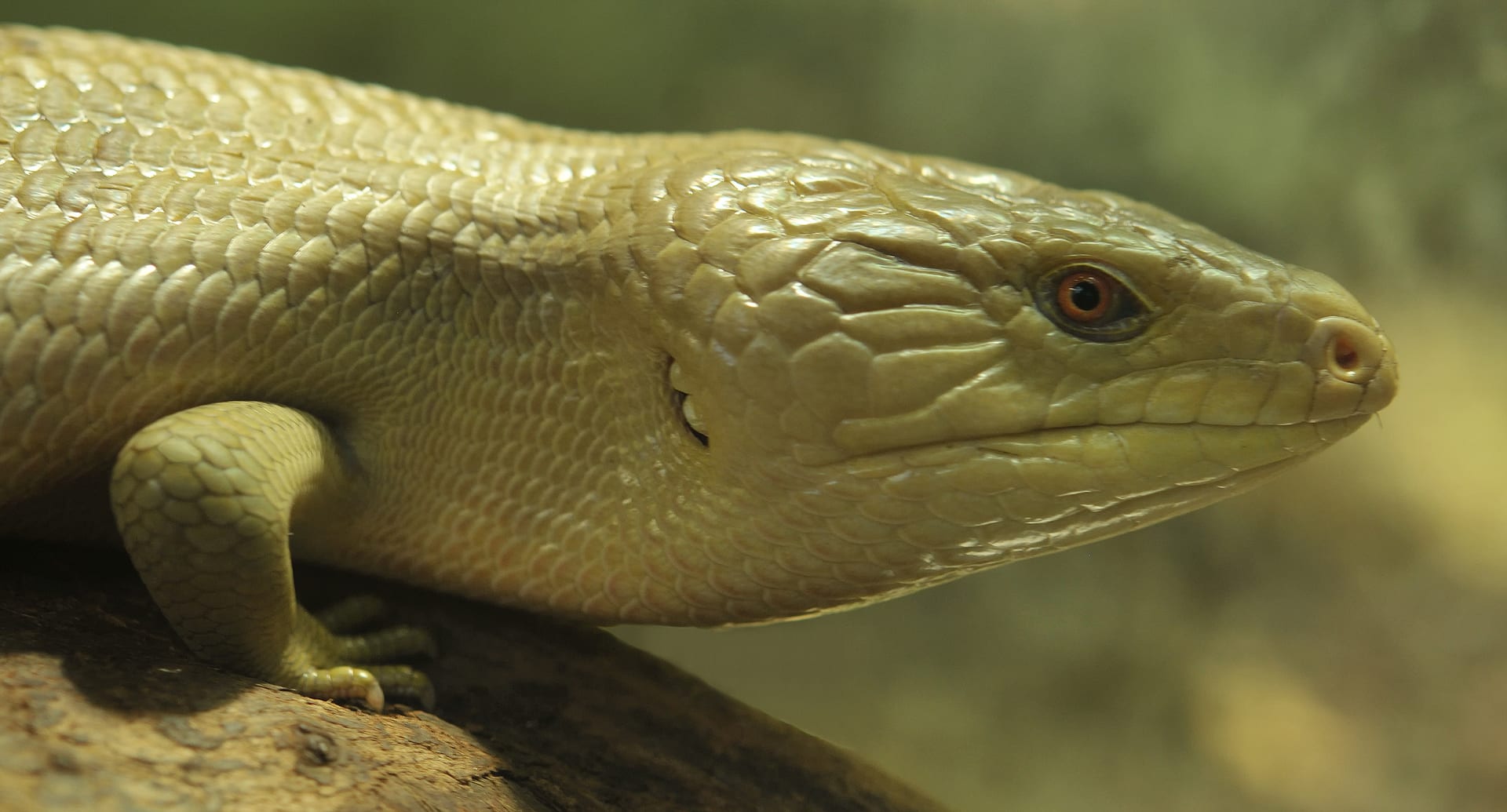
 © Michael Gäbler / CC BY-SA 3.0
Eastern Blue-Tongued Skink
The Eastern Blue-Tongued Skink, native to Australia and Indonesia's Tanimbar Islands, is one of the largest species in the blue-tongued skink genus. With a stocky body, short legs, and a length that can exceed 60cm and weight over 1kg, it has real presence in an enclosure. Its name comes from the vivid blue-purple tongue it flashes when threatened, a dramatic bluff considering how docile these lizards actually are. Calm, slow-moving, and quick to settle around keepers, they are a popular choice for reptile beginners. They are also remarkably hardy, often living 15 to 20 years, with some records extending past 35, making them a companion built for the long haul.
View Eastern Blue-Tongued Skink encyclopedia →Breeder Wanted!
List on BreederDirect and sell directly to customers nationwide!
BreederDirect's 6 Transparency Commitments
Every Reptiles & Amphibians from verified Breeder breeders includes complete information: morph, genetics, feeding requirements, and temperament details.
- Morph Information
- Actual Photos
- Feeding Information
- Temperament Information
- Genetics Information
- Age (Months)
Browse all 319 breeds
Difficulty Level
Feeding Type
Temperament
Verified breeders wanted for Reptiles & Amphibians
Breeders are signing up now ahead of launch. Subscribe to be notified when new listings go live.
Getting alerts is free with a member account. When new listings match your saved search, we'll notify you by email and in-app.
Browse other categories
Verified breeders (preview)
Are you raising reptiles & amphibians?
Register as a breeder and connect with buyers directly.
Apply as a breederEastern Blue-Tongued Skink key facts
- Care level
- Beginner-friendly
- Lifespan
- 15-20 years, with records over 35 years
- Size
- Over 60cm
- Temperature
- 21〜29℃
- Humidity
- 40〜60%
- Diet
- Insects, snails, small animals, vegetables and fruit (omnivorous)
- Temperature & Humidity
- As an Australian species, aim for a cool side of 21-29 C and nights of 18-24 C, with humidity of 40-60% for T. scincoides scincoides. The basking surface for this species is set higher, at 40-46 C, using a cluster of halogen flood bulbs.
- Enclosure
- Provide a floor area at least three times the lizard's total length (a minimum of 1.1 square metres) and at least 45 cm of height, or 60 cm if lighting and heating sit inside the enclosure. Add a substrate it can burrow into, several hides and a UVB lamp.
- Diet & Feeding
- Omnivorous. Feed babies up to three months daily, juveniles of three to eight months three times a week, and adults from eight months once or twice a week, a portion about the size of the head. Animal protein should make up 70-80% of the diet under one year and 50-60% in adults.
- Temperament
- Diurnal and slow-moving. It is hardy, tames readily and is easy to handle. Keep it singly, as adults may fight if housed together.
- Notes
- Australia strictly prohibits the export of its native wildlife, so Australian animals in the trade descend from stock exported before the ban. Australia listed the species on CITES Appendix III effective 22 June 2022.
About Eastern Blue-Tongued Skink
A large blue-tongued skink native to Australia and Indonesia, known for its stocky build and calm temperament. Beginner-friendly to care for, with a lifespan of 15 to 20 years, it makes a long-term companion.
7 things to know before welcoming a Eastern Blue-Tongued Skink
1Give It Room to Grow
Adults can exceed 60cm in length, so provide a roomy enclosure with plenty of floor space to move around in. Use a generous layer of substrate so it can dig and crawl comfortably.
2Temperature Gradient and Basking
Set up a basking spot on the warm end and maintain a temperature gradient across the enclosure so it can choose its own comfort zone. Watch for nighttime temperature drops as well.
3Calm, People-Friendly Nature
These skinks tend to be slow-moving and even-tempered, often growing cooperative with handling once settled in. They may flash their tongue or puff up when startled, but biting is uncommon.
4An Omnivore With Varied Tastes
Their diet includes insects and animal protein alongside vegetables and fruit. That flexibility makes it easier to build a balanced menu, one reason they are considered beginner-friendly.
5Hardy, But Watch Their Weight
This is generally a hardy, easy-care species, but its omnivorous appetite means overfeeding can lead to obesity. Check body condition regularly and adjust portions as needed.
6UVB Lighting Matters
A UVB light is recommended to support long-term health. Keep exposure time and distance consistent, and watch daily for any changes in appetite or activity.
7A Commitment of 15+ Years
Lifespan runs 15 to 20 years, with some individuals recorded living past 35 under good care. Before bringing one home, make sure you can provide a stable setup for the long term.
Frequently asked questions about Eastern Blue-Tongued Skink
- Q.Is this species good for beginners?
- A.Yes, their calm and slow-moving nature makes them a popular choice for first-time reptile keepers. Just keep in mind they grow into a large lizard exceeding 60cm, so plan enclosure space accordingly from the start.
- Q.How big do they get?
- A.Adults reach over 60cm in total length, making this one of the larger blue-tongued skink species. Their thick body and short limbs give them a solid, substantial presence.
- Q.How long do they live?
- A.Typical lifespan is around 15 to 20 years, with some individuals recorded living past 35 under excellent care. It's a long-term commitment, so plan for a companion that will be with you for many years.
- Q.Where does the name "blue-tongued" come from?
- A.It comes from the vivid blue-purple tongue they flash when threatened. This is usually hidden from view and only shown when the skink opens its mouth wide while startled or on guard.
- Q.Are they affected by CITES?
- A.Eastern Blue-Tongued Skink is listed in CITES Appendix III (listed by Australia for its own populations). International trade needs documents such as a certificate of origin, but as far as CITES is concerned, no registration is needed to buy or sell in Japan.
Useful tools for Eastern Blue-Tongued Skink care
Learn more about Eastern Blue-Tongued Skink in the encyclopedia
View Eastern Blue-Tongued Skink encyclopedia entry →
Care difficulty, lifespan, size and diet — all basics covered.
More in this category
Can't find the one you're looking for?
Post your wishes for free and breeders with matching animals will contact you with introductions.