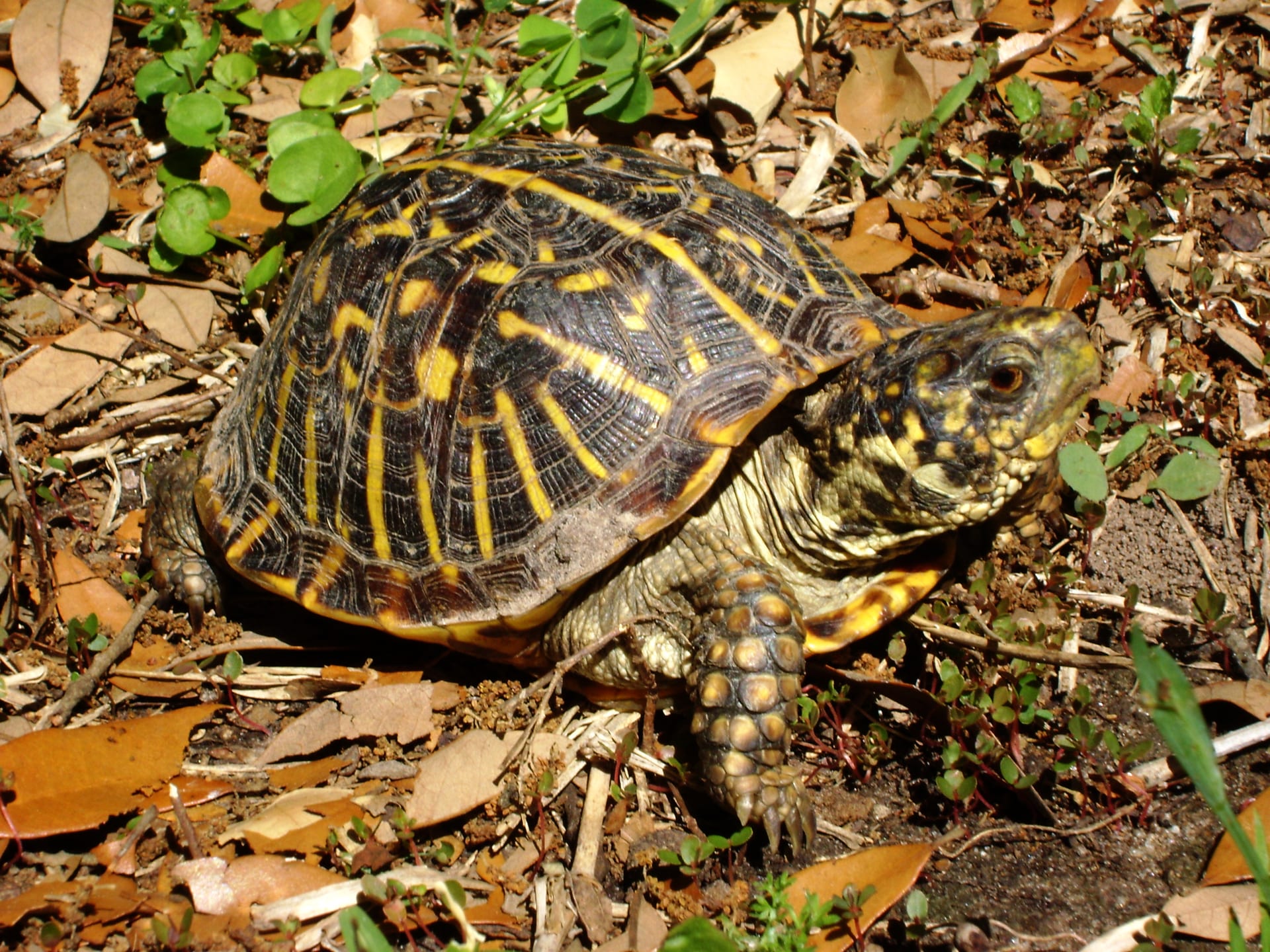
 © Patrick Feller https://www.flickr.com/photos/nakrnsm/ / CC BY 2.0
Ornate Box Turtle
The Ornate Box Turtle is a small terrestrial turtle native to the grasslands of central North America, known for its dark brown to black shell decorated with radiating yellow patterns. With a maximum shell length of about 14 cm, it's the smallest species in the American box turtle genus, with a slightly flatter shell than its relatives — and it's even the official state reptile of Kansas. When startled, it withdraws its head, legs, and tail into its shell. It loves to bask and hibernates for a relatively long period in winter, so it suits keepers ready for a slow, patient relationship. Its composed temperament and striking shell pattern are part of its lasting appeal.
View Ornate Box Turtle encyclopedia →0% commission on your first sales!Register by September 30, 2026 and your first 2 sales are commission-free!
Breeder Wanted!
List on BreederDirect and sell directly to customers nationwide!
BreederDirect's 6 Transparency Commitments
Every Reptiles & Amphibians from verified Breeder breeders includes complete information: morph, genetics, feeding requirements, and temperament details.
- Morph Information
- Actual Photos
- Feeding Information
- Temperament Information
- Genetics Information
- Age (Months)
Browse all 319 breeds
Difficulty Level
Feeding Type
Temperament
Verified breeders wanted for Reptiles & Amphibians
Breeders are signing up now ahead of launch. Subscribe to be notified when new listings go live.
Getting alerts is free with a member account. When new listings match your saved search, we'll notify you by email and in-app.
Browse other categories
Verified breeders (preview)
Are you raising reptiles & amphibians?
Register as a breeder and connect with buyers directly.
Apply as a breederOrnate Box Turtle key facts
- Care level
- Intermediate
- Lifespan
- Few captive lifespan data (it takes 7-10+ years to mature)
- Size
- Maximum carapace length 14 cm (females larger)
- Diet
- Omnivore (insects, worms, fruit, plants)
- Housing
- A grassland species usually kept in a well-ventilated, rather dry terrarium. Provide deep diggable substrate and shaded or moist refuges for hot periods.
- Temperature & Humidity
- It loves basking but retreats to shade or burrows when too hot, so provide a basking spot and a cooler area. It brumates for a relatively long winter.
- Diet & Feeding
- Box turtles are omnivores; combine insects, worms, fruit and plants.
- Temperament
- Nominate animals may stretch out their legs and head to look bigger when threatened, while desert animals tend to close up in the shell.
- Notes
- Hybrids with eastern box turtles occur where they overlap, so do not breed it with other box turtles. Never release a captive animal into the wild.
About Ornate Box Turtle
A small North American box turtle with a dark shell marked by radiating yellow patterns. At up to 14 cm, it's the smallest American box turtle species and Kansas's state reptile — a long-lived pick for intermediate keepers.
7 things to know before welcoming a Ornate Box Turtle
1A Dry, Terrestrial Setup
Ornate Box Turtles are largely terrestrial and rarely swim, preferring dry to semi-dry grassland habitats. Use a deep layer of moisture-retentive substrate like soil or leaf litter so they can burrow. Keep a shallow water dish available at all times to prevent dehydration.
2Heat Gradient & UVB
As ectotherms, they need a basking spot and a cooler zone within the enclosure to regulate their body temperature. UVB lighting is essential for healthy bone and shell development. Adjust temperature and humidity regularly based on the season and the turtle's condition.
3Shy, Gentle Temperament
This is a cautious species that pulls its head and legs tightly into its shell when startled. Give a new turtle plenty of time to settle in rather than handling it right away. Once acclimated, it will become more active and venture out from hiding.
4Omnivorous, Insect-Based Diet
In the wild they eat mostly earthworms and insects, along with some fruit. In captivity, offer live prey like crickets alongside a balanced mix of vegetables and fruit. Calcium supplementation also supports healthy shell growth.
5A Species That Hibernates Long
Ornate box turtles naturally hibernate for a relatively long period in winter. If you hibernate yours, provide deep substrate for digging and only do so once you've confirmed the turtle is healthy. If you don't, keep temperatures stable so it stays in good condition. When in doubt, consult an experienced keeper.
6Plan for Long-Term Care
Captive lifespan data remains limited, but wild populations have declined through habitat loss and collection for the pet trade. Choose captive-bred animals and consider carefully before bringing one home whether you can provide committed, long-term care.
7Prepare Spacious Housing
Set up a roomy enclosure with deep substrate and reliable temperature and humidity control before your turtle arrives. Providing multiple hides to burrow into helps keep stress low.
Frequently asked questions about Ornate Box Turtle
- Q.Is the Ornate Box Turtle suitable for beginners?
- A.It's generally considered a species for intermediate keepers, since it requires solid knowledge of temperature, humidity, and UVB management. Because it's a long-lived species, it's best to have your setup fully ready before bringing one home.
- Q.Do I need to keep it in water?
- A.No, Ornate Box Turtles are largely terrestrial and don't swim much. A shallow water dish for drinking and humidity is generally enough.
- Q.How large does it grow?
- A.Its shell reaches a maximum length of about 14 cm. It's the smallest species in the American box turtle genus, and females typically grow larger than males.
- Q.Does it need to hibernate in winter?
- A.In the wild, the Ornate Box Turtle hibernates for a relatively long period in winter. If you hibernate yours, provide deep substrate for digging and check its health first. If you don't, keep temperatures stable throughout the winter.
- Q.Are there any legal considerations to be aware of?
- A.The Ornate Box Turtle is listed on CITES Appendix II. Please keep this in mind as reference information when considering keeping one.
Useful tools for Ornate Box Turtle care
Learn more about Ornate Box Turtle in the encyclopedia
View Ornate Box Turtle encyclopedia entry →
Care difficulty, lifespan, size and diet — all basics covered.
More in this category
Can't find the one you're looking for?
Post your wishes for free and breeders with matching animals will contact you with introductions.