Source: Wikimedia Commons
Ornate Box Turtle
IntermediateTerrapene ornata
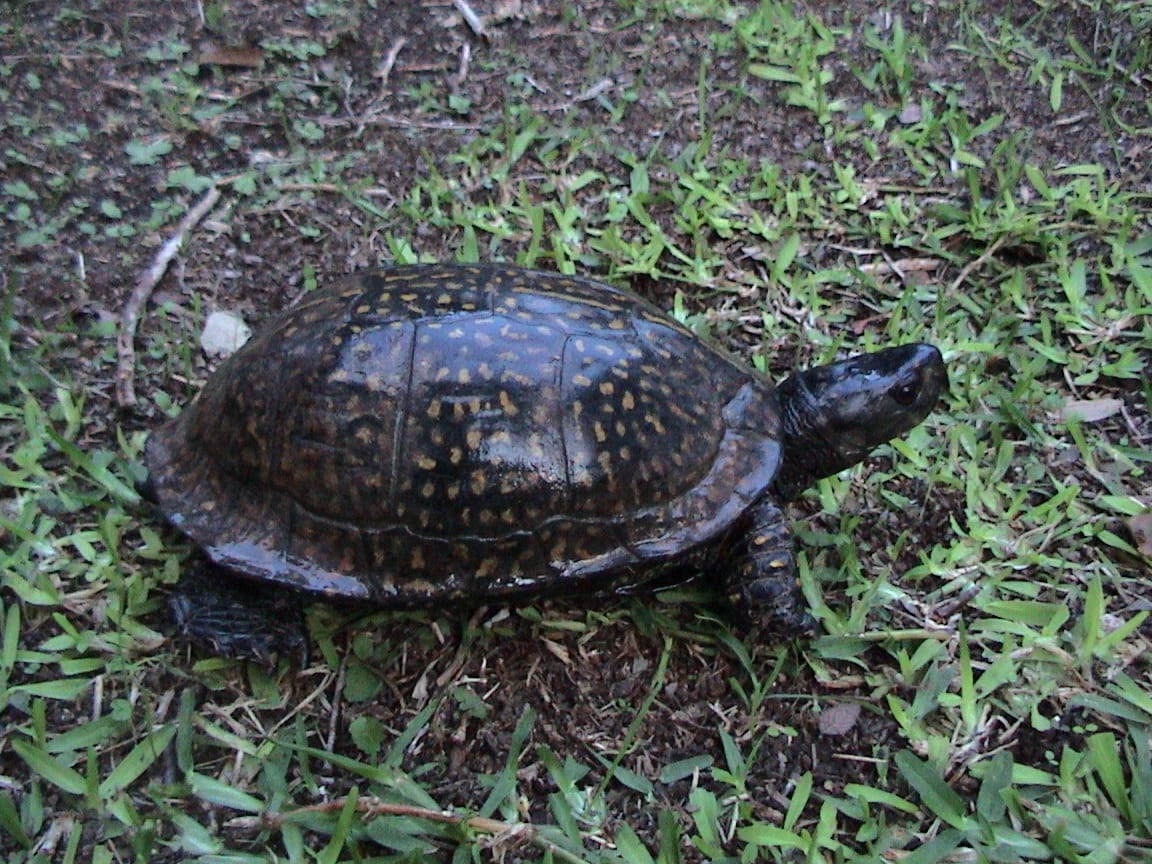
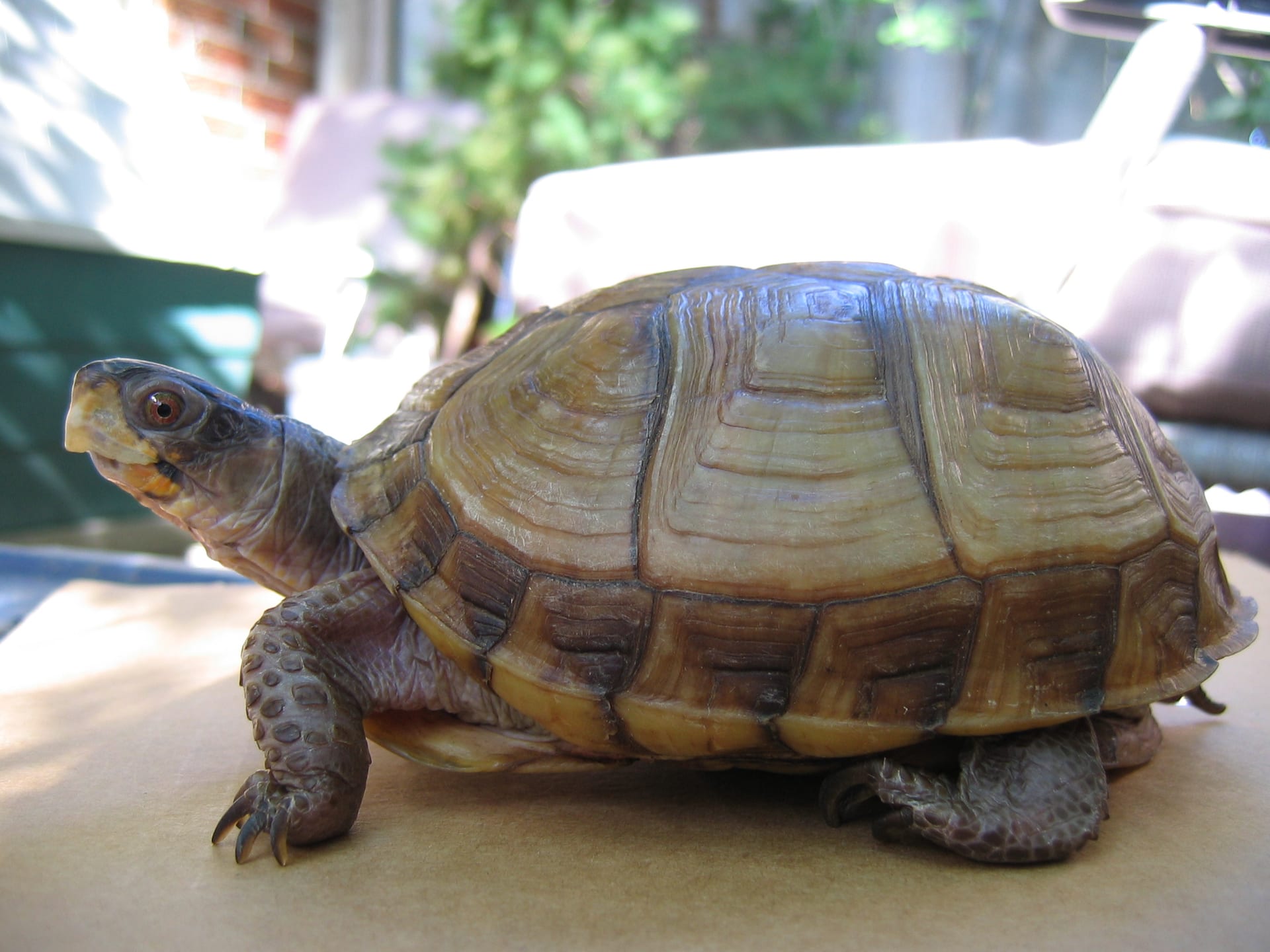
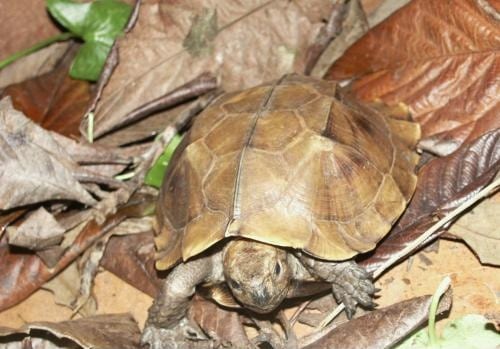
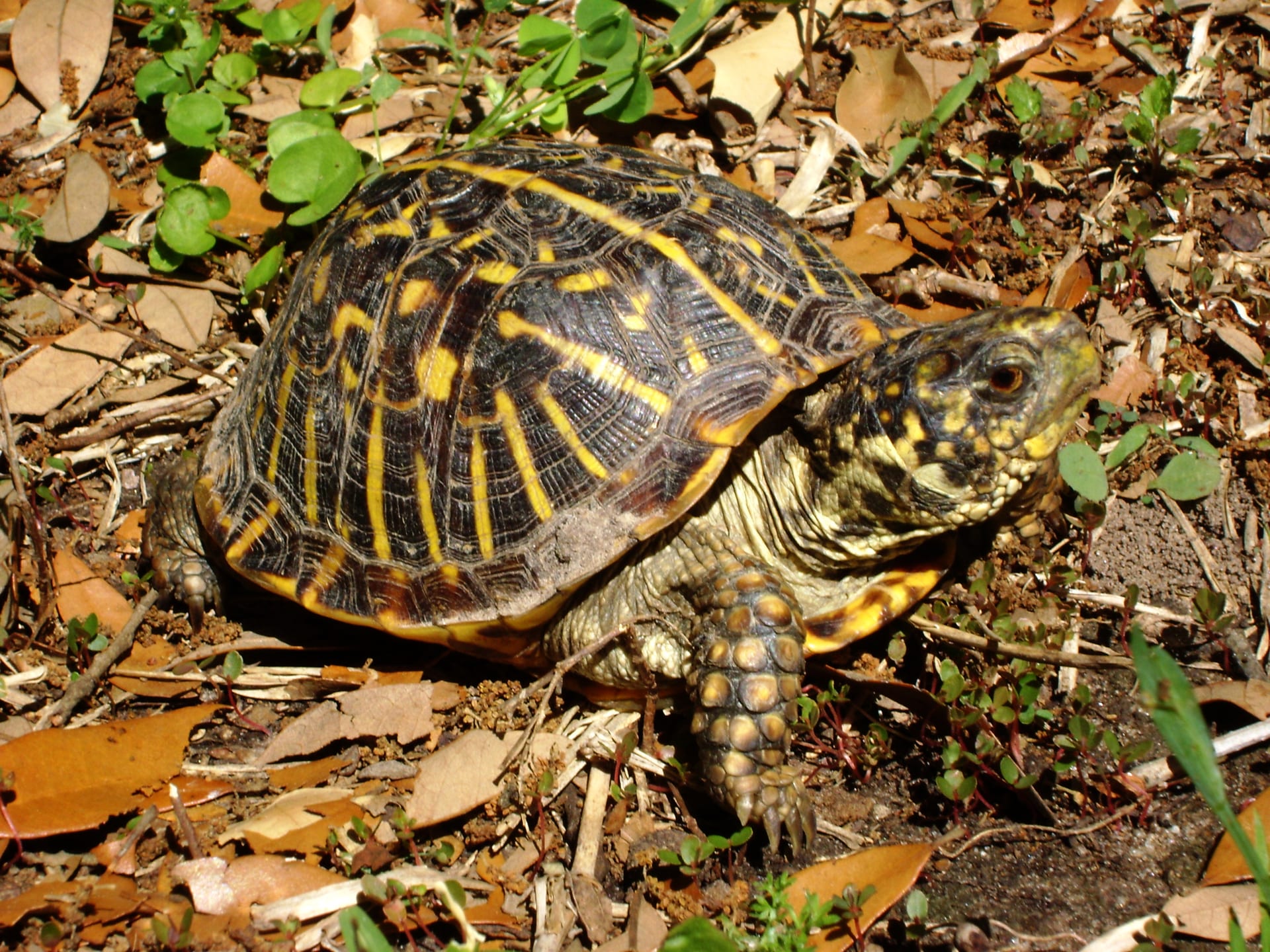
A box turtle of the central North American grasslands with yellow radiating lines on a black to dark brown shell. At up to 14 cm it is the smallest Terrapene, with a somewhat flattened carapace.
Difficulty
Intermediate
Temperature
25〜32℃
Lifespan
Few captive lifespan data (it takes 7-10+ years to mature)
Size
Maximum carapace length 14 cm (females larger)
Humidity
40〜70%
Diet
Omnivore (insects, worms, fruit, plants)
About
The ornate box turtle is an emydid box turtle of the central United States (including Wisconsin, Illinois, Iowa, Nebraska, Kansas, Oklahoma, Texas, New Mexico and Arizona) and northern Mexico, and the state reptile of Kansas. At a maximum carapace length of 14 cm it is the smallest Terrapene, and females are larger than males. The shell is flatter than in other box turtles, black or dark brown with radiating yellow or tan markings. Two subspecies have traditionally been recognized, the nominate form and the desert box turtle (T. o. luteola) of drier country, but the Reptile Database follows TTWG (2025) in recognizing none. It lives on flat or gently rolling grassland with few trees, basks readily and retreats to shade, burrows or water when overheated. It overwinters in other animals' burrows or holes it digs itself, typically deeper than those of sympatric eastern box turtles. Habitat loss and collection for the pet trade have reduced numbers, and US states regulate collection. After the 1995 CITES listing, exports from the United States nearly stopped, so small numbers of animals captive-bred in Europe and Japan make up the Japanese trade.
Source: Wikipedia (CC BY-SA 4.0)
Lifespan of the Ornate Box Turtle
The Ornate Box Turtle lives Few captive lifespan data (it takes 7-10+ years to mature).
Size of the Ornate Box Turtle
The Ornate Box Turtle grows to Maximum carapace length 14 cm (females larger).
Basic Info
Origin
Central to south-western United States and northern Mexico
Lifespan
Few captive lifespan data (it takes 7-10+ years to mature)
References & Sources
Edited & verified by: BreederDirect editorial team
The taxonomic, regulatory, and husbandry data on this page are compiled and verified against the authoritative primary sources below.
Taxonomy & Authority
Accepted name: Terrapene ornata (Agassiz, 1857)
Synonyms: Cistudo ornata Agassiz, 1857, Terrapene longinsulae Hay, 1908
Authority databases: GBIF · The Reptile Database: Terrapene ornata · GBIF: Terrapene ornata
Nomenclature follows global taxonomic authority databases.
Regulations & Conservation Status
CITES Appendix II
Listed in CITES Appendix II. International trade requires an export permit from the country of origin, but no registration is needed to keep or transfer the animal within Japan. The whole genus Terrapene has been listed since 1995.
Sources: Species+ (CITES): Terrapene ornata
Regulations may change. Always verify the latest information with the relevant authorities.
Ornate Box Turtle Listings
Loading latest listingsFind listings for this species