Source: Wikimedia Commons
Florida Box Turtle
IntermediateTerrapene carolina bauri
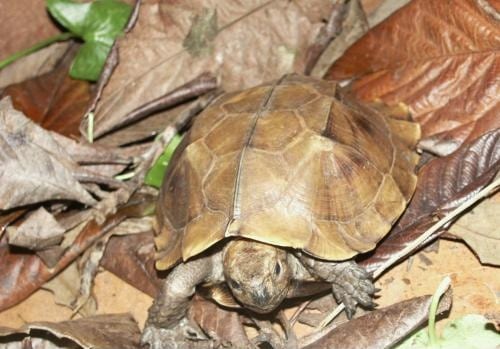
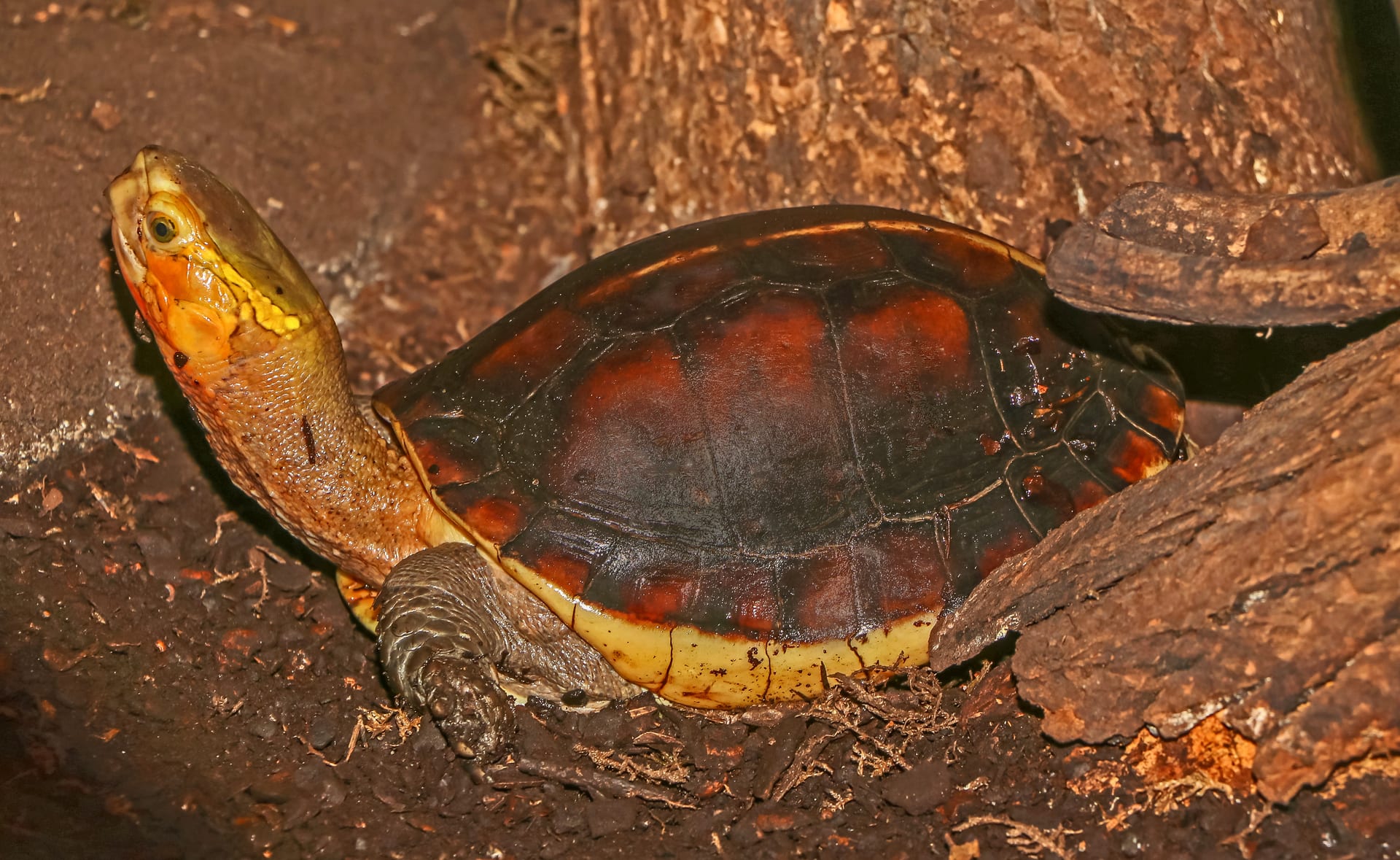
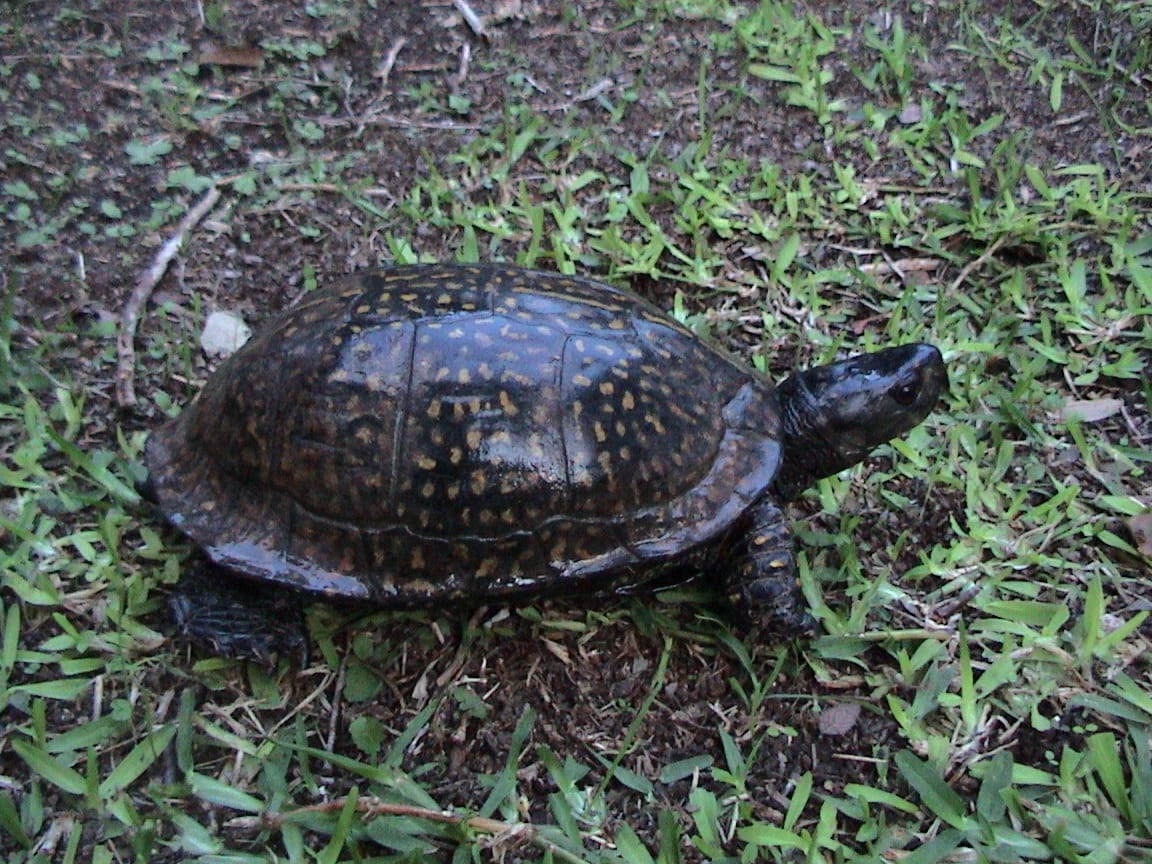
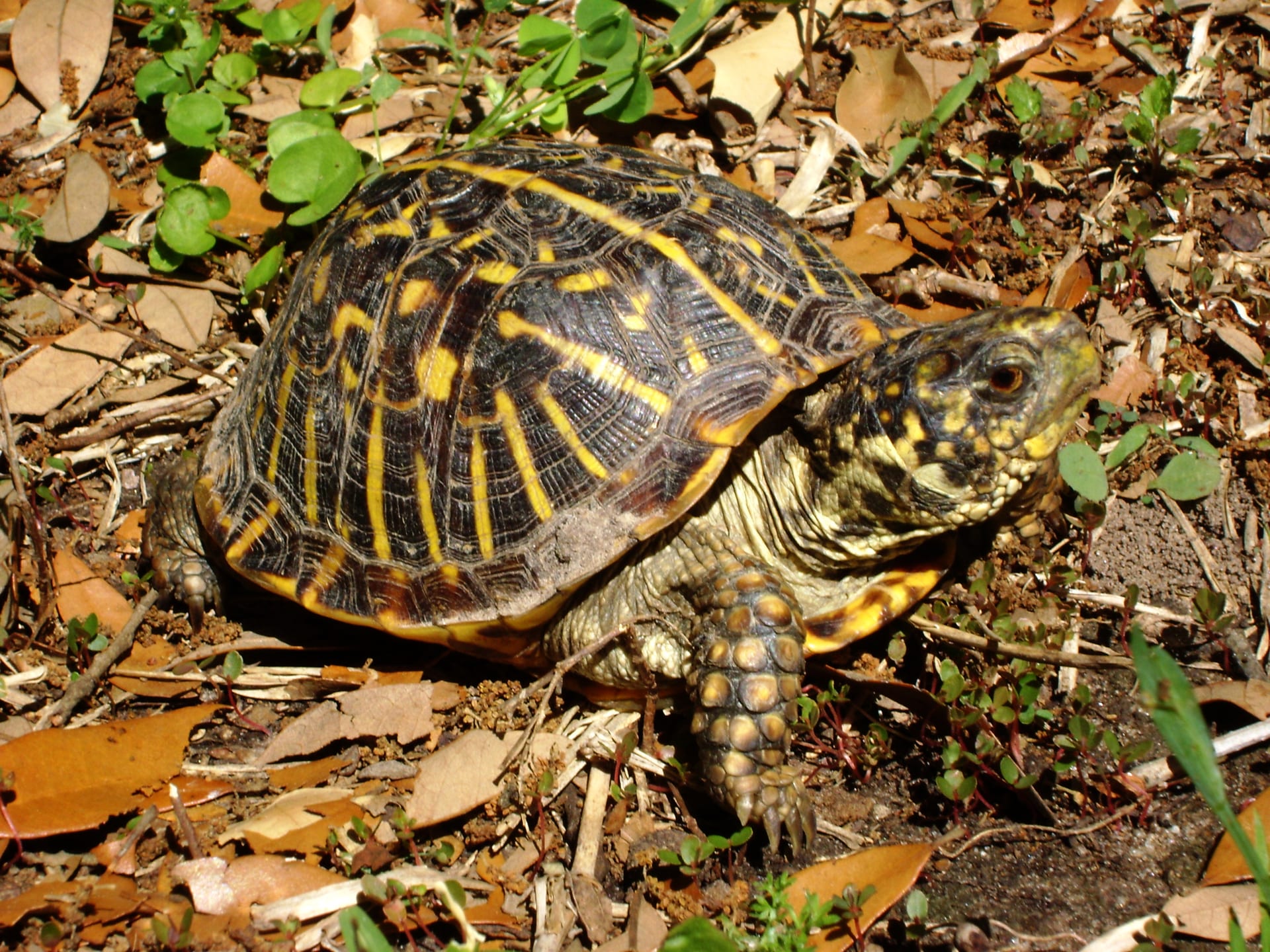
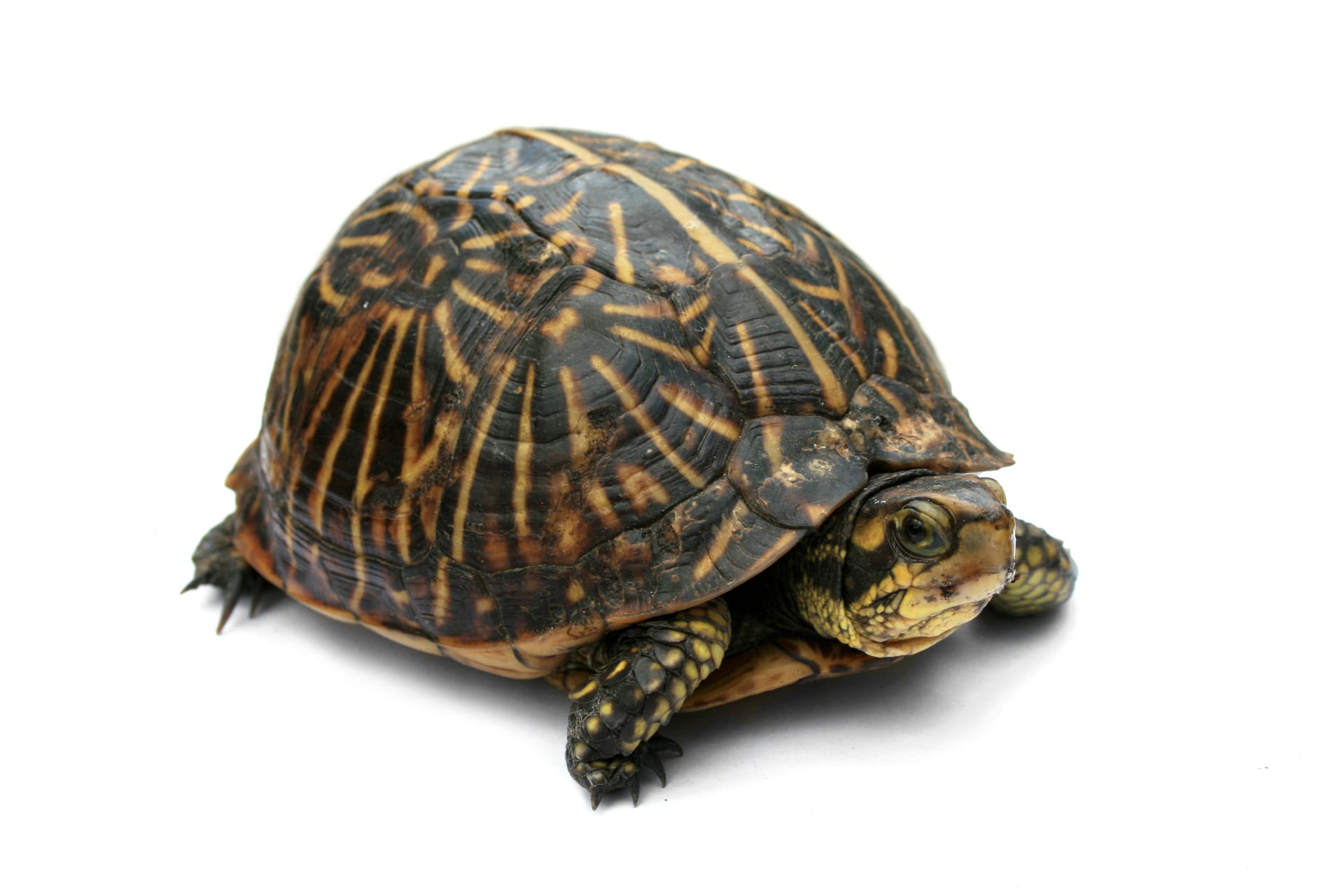
The southernmost subspecies of the common box turtle. Bright yellow radiating lines on a dark, high-domed shell identify it, and it is less cold-tolerant than other subspecies.
Difficulty
Intermediate
Temperature
21〜32℃
Lifespan
Few captive lifespan data (plan for a long-lived pet)
Size
Carapace length 12.1-15.8 cm (females), 12.8-17.3 cm (males)
Humidity
70〜90%
Diet
Omnivore (snails, fruit, leaves, insects, fungi)
About
The Florida box turtle is Terrapene carolina bauri, a subspecies of the common box turtle in the family Emydidae. The Reptile Database currently recognizes three subspecies of T. carolina: the nominate form, this one and the Gulf Coast box turtle (T. c. major). It has the southernmost range, covering mainland Florida and extreme south-eastern Georgia, and it also occurs in the Florida Keys and on Gulf barrier islands. Its identifying feature is a pattern of distinct yellow radiating stripes on the domed carapace, which makes it easy to tell from other subspecies. The plastron varies from solid yellow to solid black. Males are larger: carapace length is 12.1-15.8 cm in females and 12.8-17.3 cm in males. It favors damp habitats such as wetlands, marsh edges and flatwoods but does not enter water deep enough to swim. It spends most of its life buried in litter or soil; activity slows from November to February, but because of the warm climate it does not fully brumate and is less tolerant of cold than other subspecies. It is an omnivore eating snails, fruit, leaves, insects, crustaceans and fungi. In Japan it is available through specialist shops.
Source: Wikipedia (CC BY-SA 4.0)
Size of the Florida Box Turtle
The Florida Box Turtle grows to Carapace length 12.1-15.8 cm (females), 12.8-17.3 cm (males).
Temperature & humidity for the Florida Box Turtle
The ideal temperature for the Florida Box Turtle is 21〜32℃. Ideal humidity is 70〜90%.
Basic Info
Origin
Florida and extreme south-eastern Georgia, USA
Lifespan
Few captive lifespan data (plan for a long-lived pet)
References & Sources
Edited & verified by: BreederDirect editorial team
The taxonomic, regulatory, and husbandry data on this page are compiled and verified against the authoritative primary sources below.
Taxonomy & Authority
Accepted name: Terrapene carolina bauri Taylor, 1895
Authority databases: GBIF · The Reptile Database: Terrapene carolina · GBIF: Terrapene carolina bauri
Nomenclature follows global taxonomic authority databases.
Regulations & Conservation Status
CITES Appendix II
Listed in CITES Appendix II. International trade requires an export permit from the country of origin, but no registration is needed to keep or transfer the animal within Japan. For CITES purposes it falls under Terrapene carolina (the whole genus Terrapene has been in Appendix II since 1995).
Sources: Species+ (CITES): Terrapene carolina
Regulations may change. Always verify the latest information with the relevant authorities.
Florida Box Turtle Listings
Loading latest listingsFind listings for this species