Source: Wikimedia Commons
Gulf Coast Box Turtle
IntermediateTerrapene carolina major
The largest subspecies of the common box turtle, from the Gulf Coastal Plain. Big males exceed 20 cm carapace length, and it uses water more than other subspecies.
Difficulty
Intermediate
Temperature
25〜32℃
Size
Large males exceed 20 cm carapace length (largest subspecies)
Humidity
40〜70%
Diet
Omnivore (insects, worms, fruit, leaves)
About
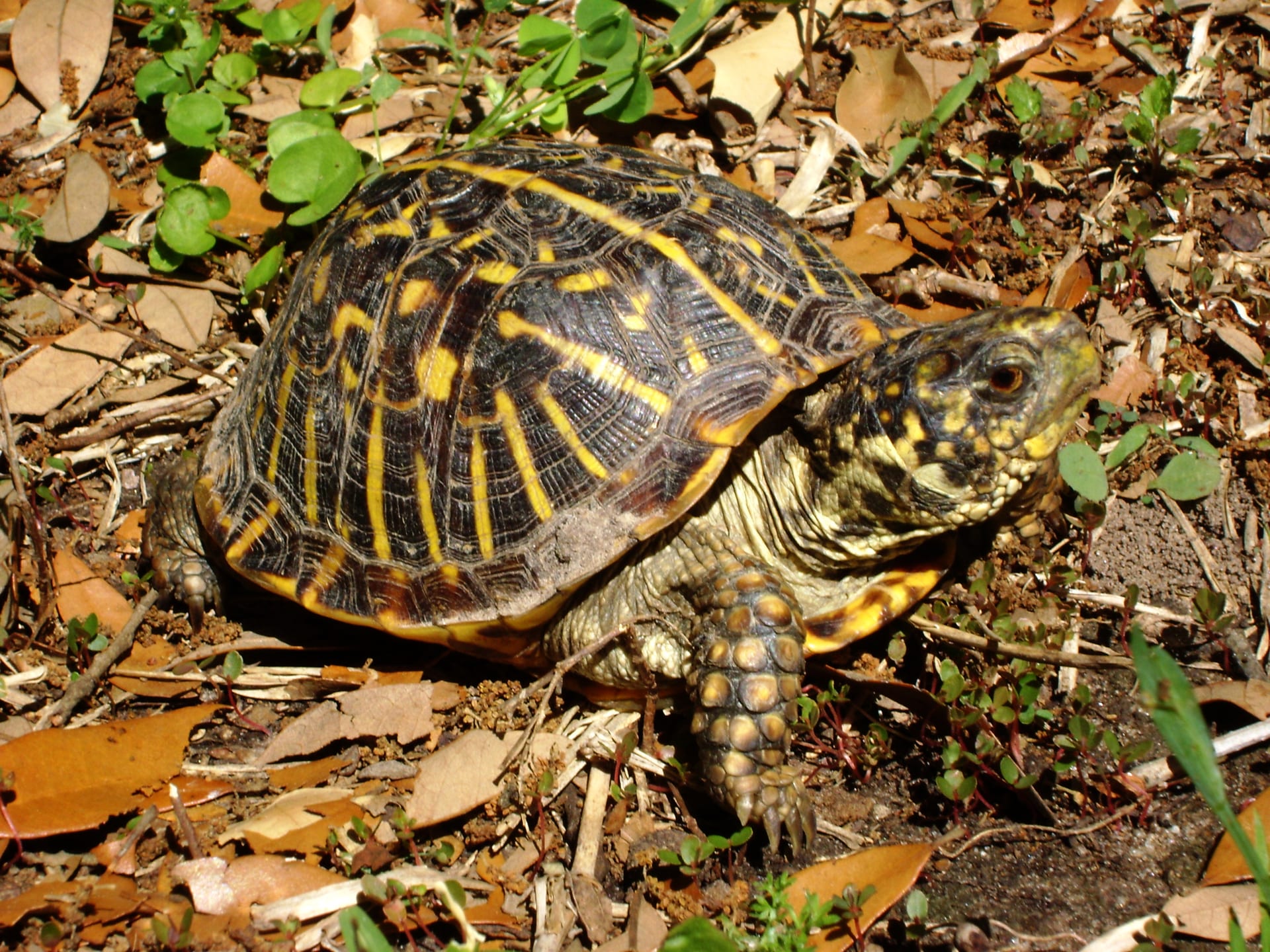
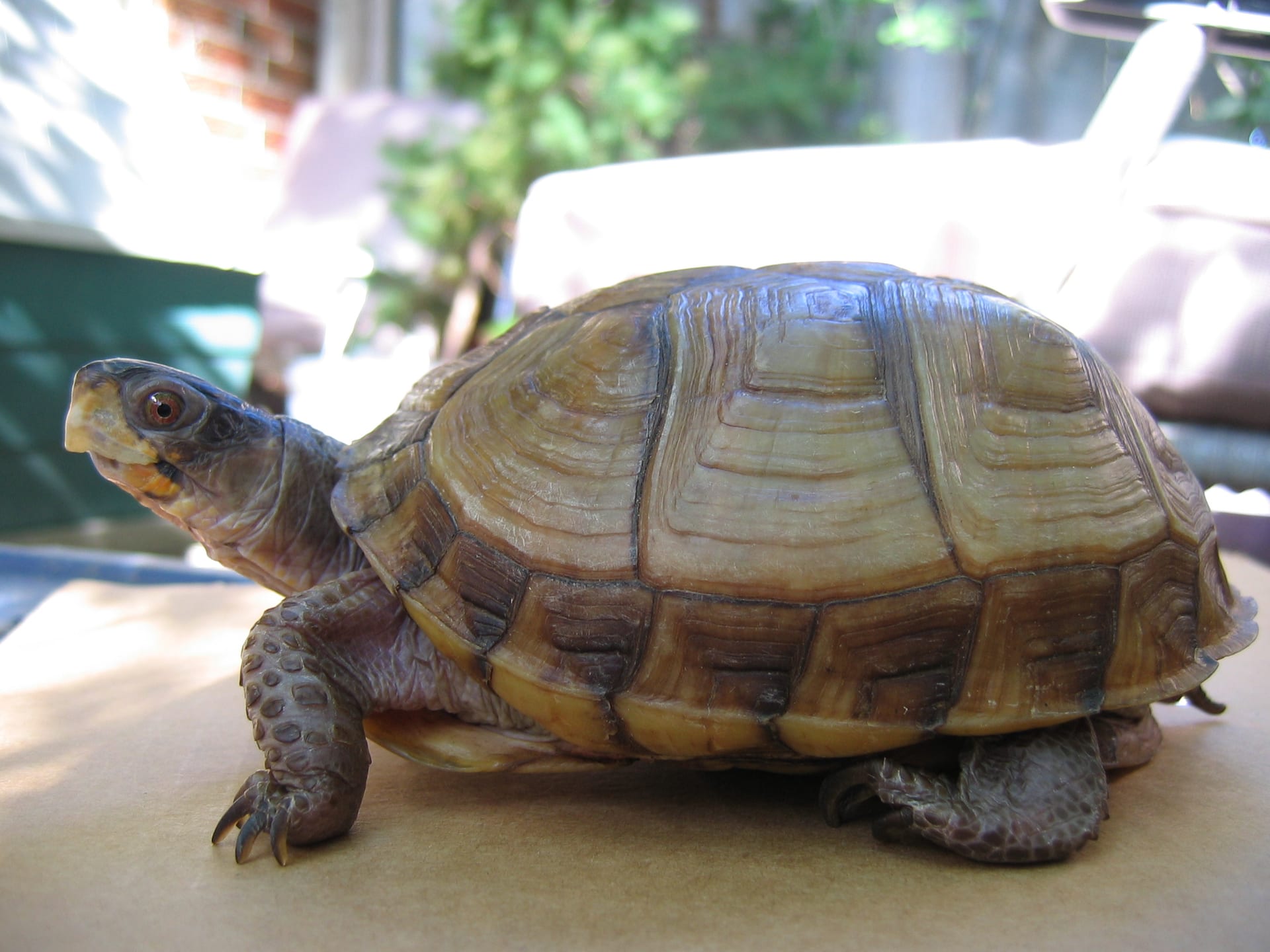
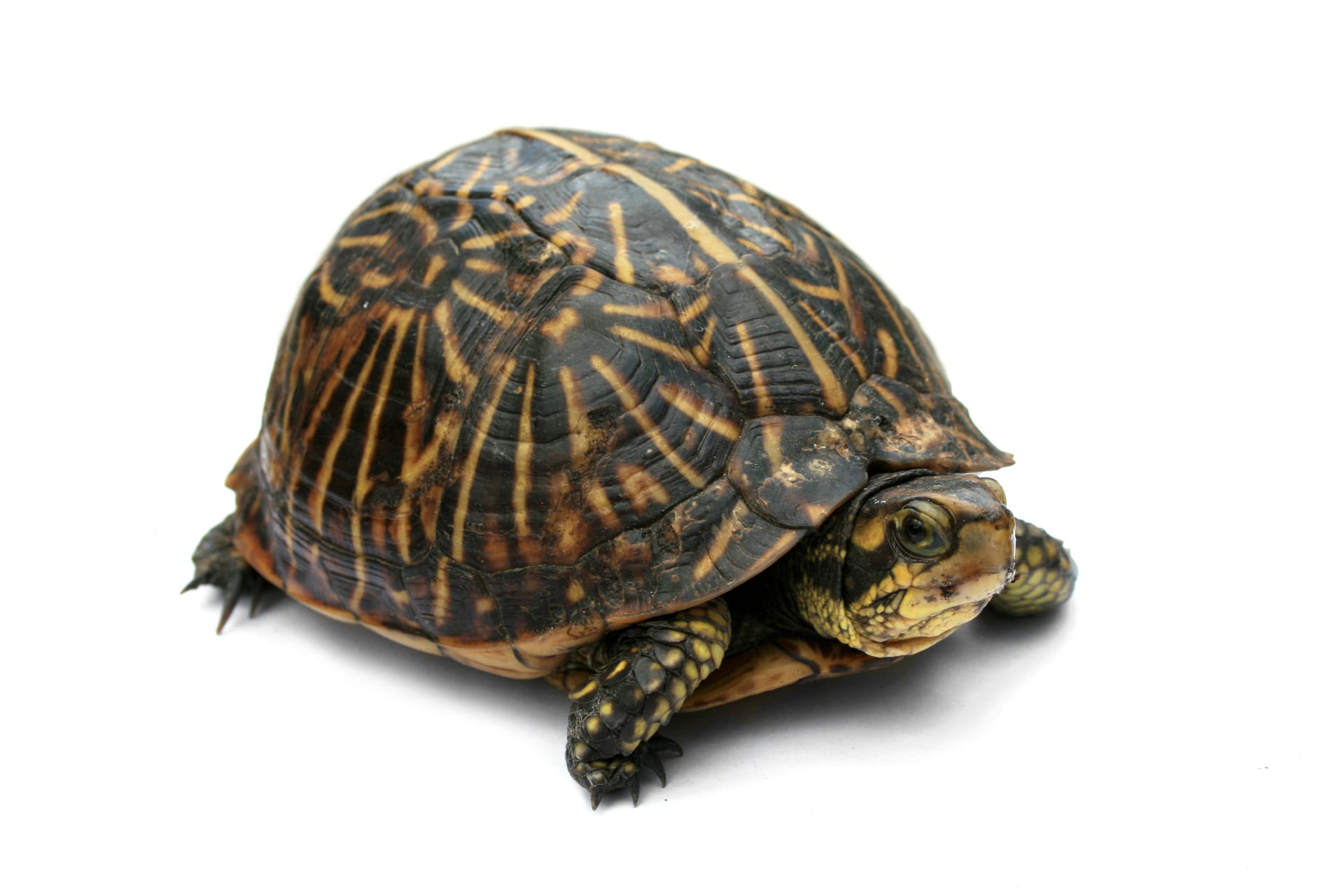
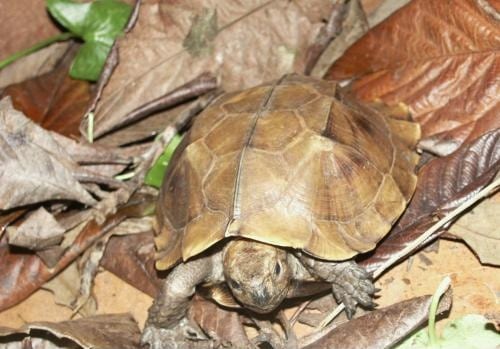
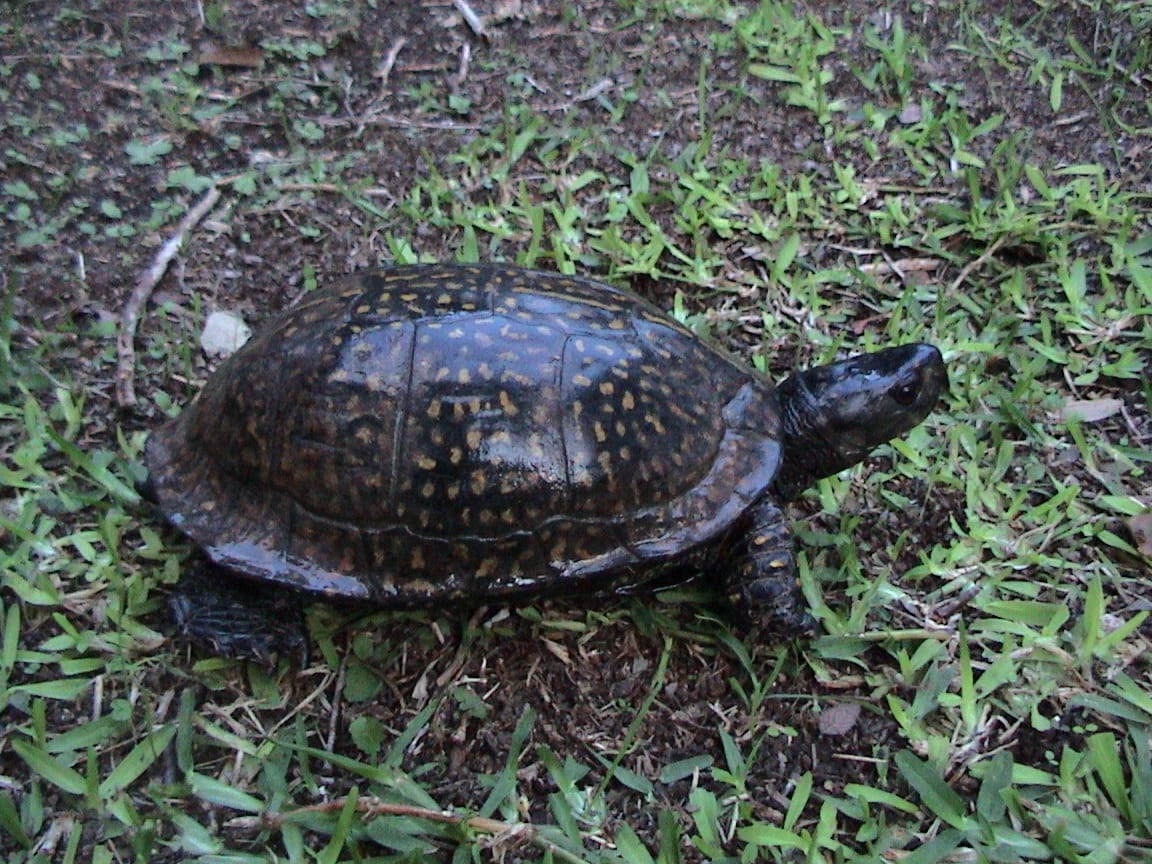
The Gulf Coast box turtle is Terrapene carolina major, a subspecies of the common box turtle found only on the Gulf Coastal Plain of Alabama, Florida, Georgia, Louisiana and Mississippi, USA. It is the largest subspecies, and big males can exceed 20 cm in midline carapace length. Males are larger than females and have a concave plastron to aid mating. It is dark brown to black with yellow stripes or blotches whose extent varies greatly. Morphological variation is very high and intergrades with the sympatric Florida, eastern and three-toed box turtles are not unusual, so assigning a subspecies from appearance alone is difficult. Butler et al. (2011) found no diagnosable morphology for major and suggested it arose through introgression between eastern box turtles and the extinct T. c. putnami. It is often found around estuaries and swamps near shallow permanent water and uses water more than other subspecies. It is not common in the Japanese trade and appears only occasionally in specialist shops.
Source: Wikipedia (CC BY-SA 4.0)
Size of the Gulf Coast Box Turtle
The Gulf Coast Box Turtle grows to Large males exceed 20 cm carapace length (largest subspecies).
Basic Info
Origin
Gulf Coastal Plain of the USA (Alabama, Florida, Georgia, Louisiana, Mississippi)
Size
Large males exceed 20 cm carapace length (largest subspecies)
Temperature
25〜32℃
Humidity
40〜70%
Diet
References & Sources
Edited & verified by: BreederDirect editorial team
The taxonomic, regulatory, and husbandry data on this page are compiled and verified against the authoritative primary sources below.
Taxonomy & Authority
Accepted name: Terrapene carolina major (Agassiz, 1857)
Synonyms: Cistudo major Agassiz, 1857
Authority databases: GBIF · The Reptile Database: Terrapene carolina · GBIF: Terrapene carolina major
Nomenclature follows global taxonomic authority databases.
Regulations & Conservation Status
CITES Appendix II
Listed in CITES Appendix II. International trade requires an export permit from the country of origin, but no registration is needed to keep or transfer the animal within Japan. For CITES purposes it falls under Terrapene carolina (the whole genus Terrapene has been in Appendix II since 1995).
Sources: Species+ (CITES): Terrapene carolina
Regulations may change. Always verify the latest information with the relevant authorities.
Gulf Coast Box Turtle Listings
Loading latest listingsFind listings for this species