Source: Wikimedia Commons
Keeled Box Turtle
IntermediateCuora mouhotii
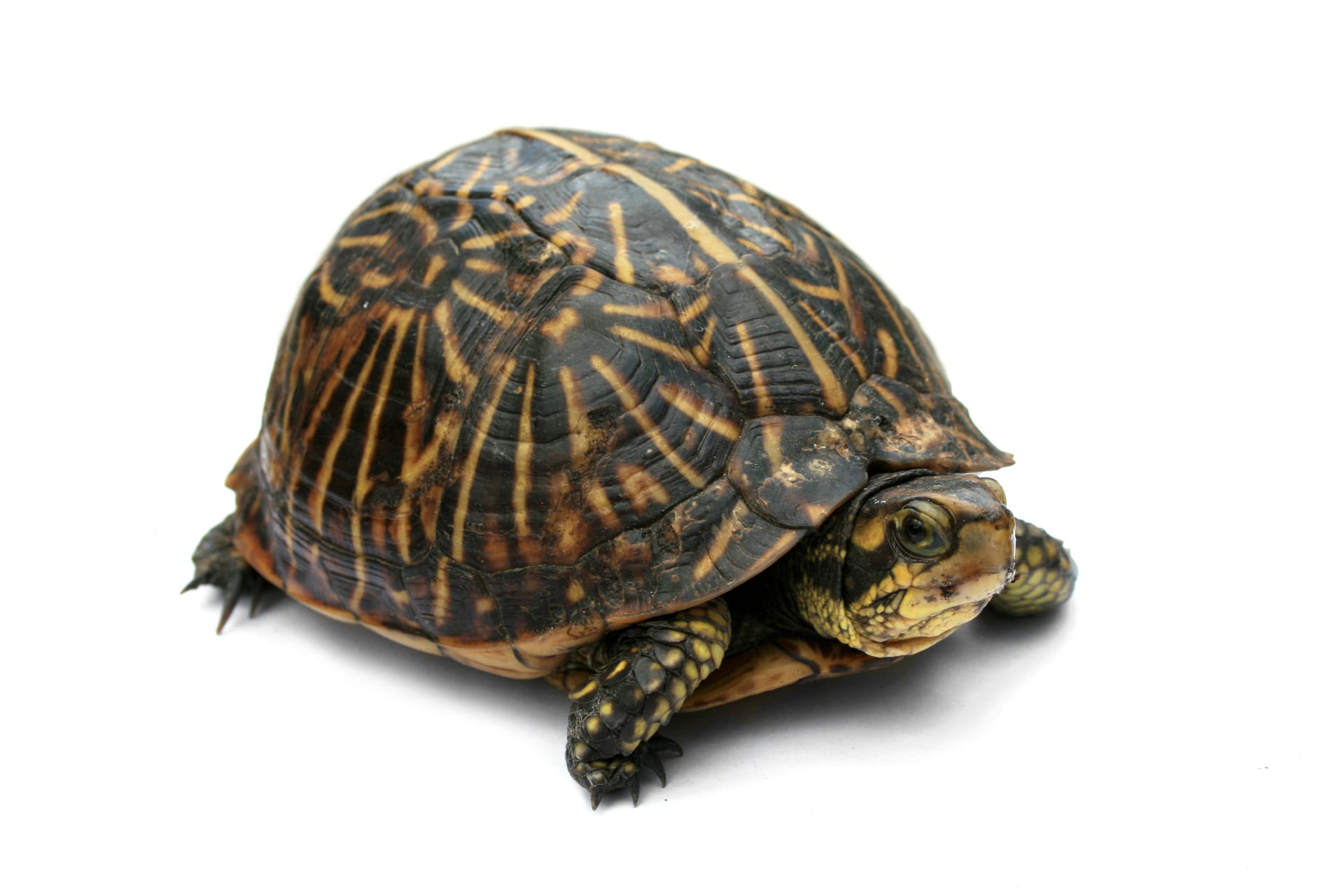
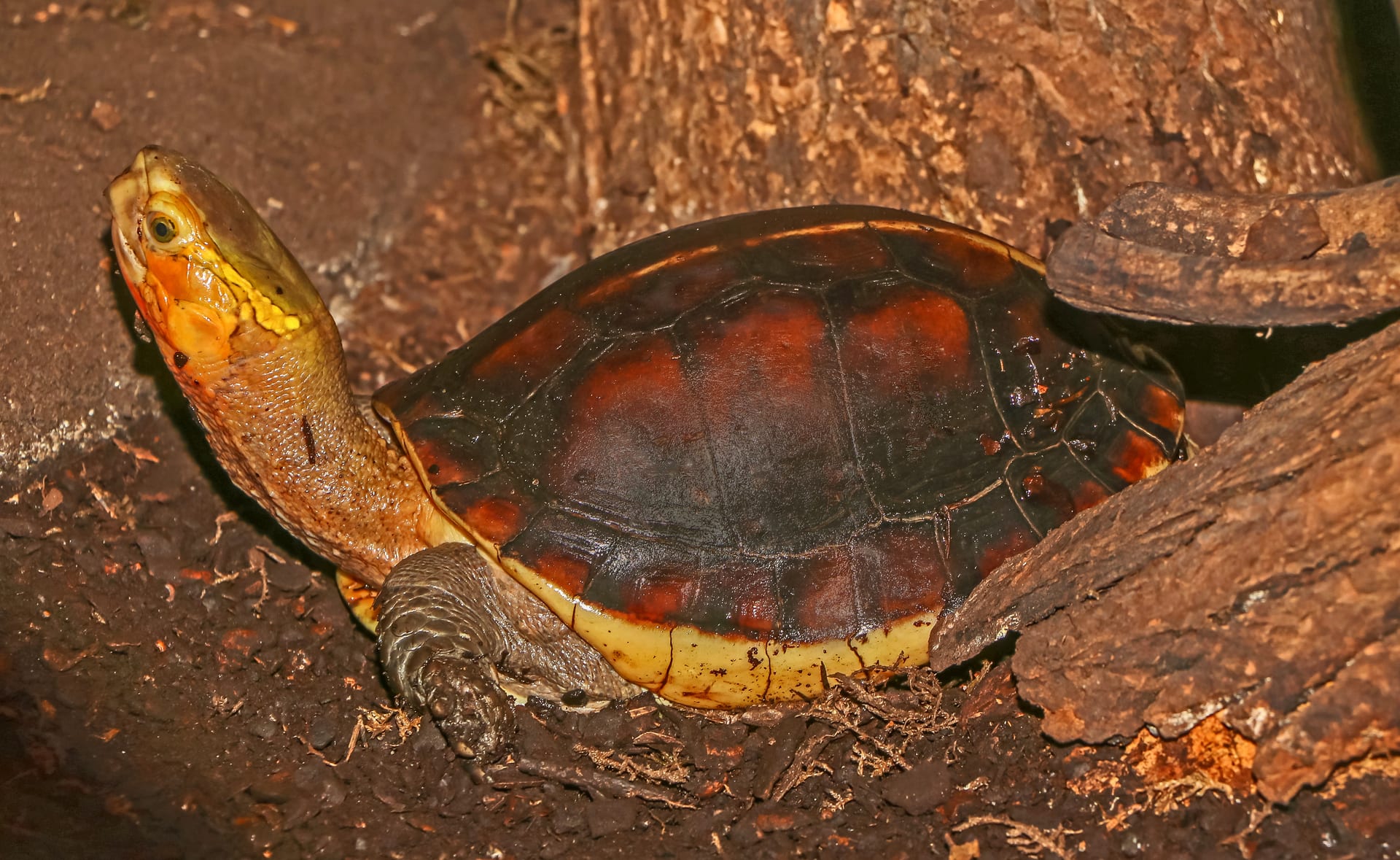
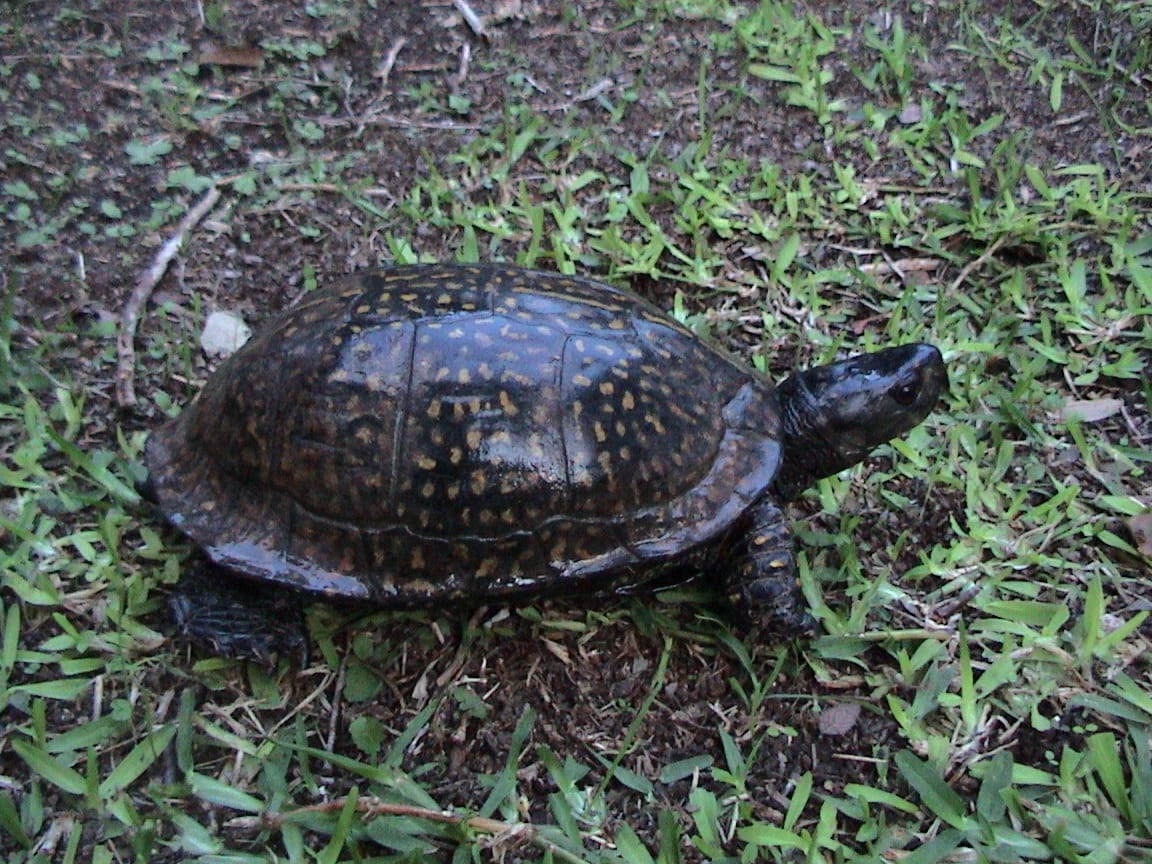
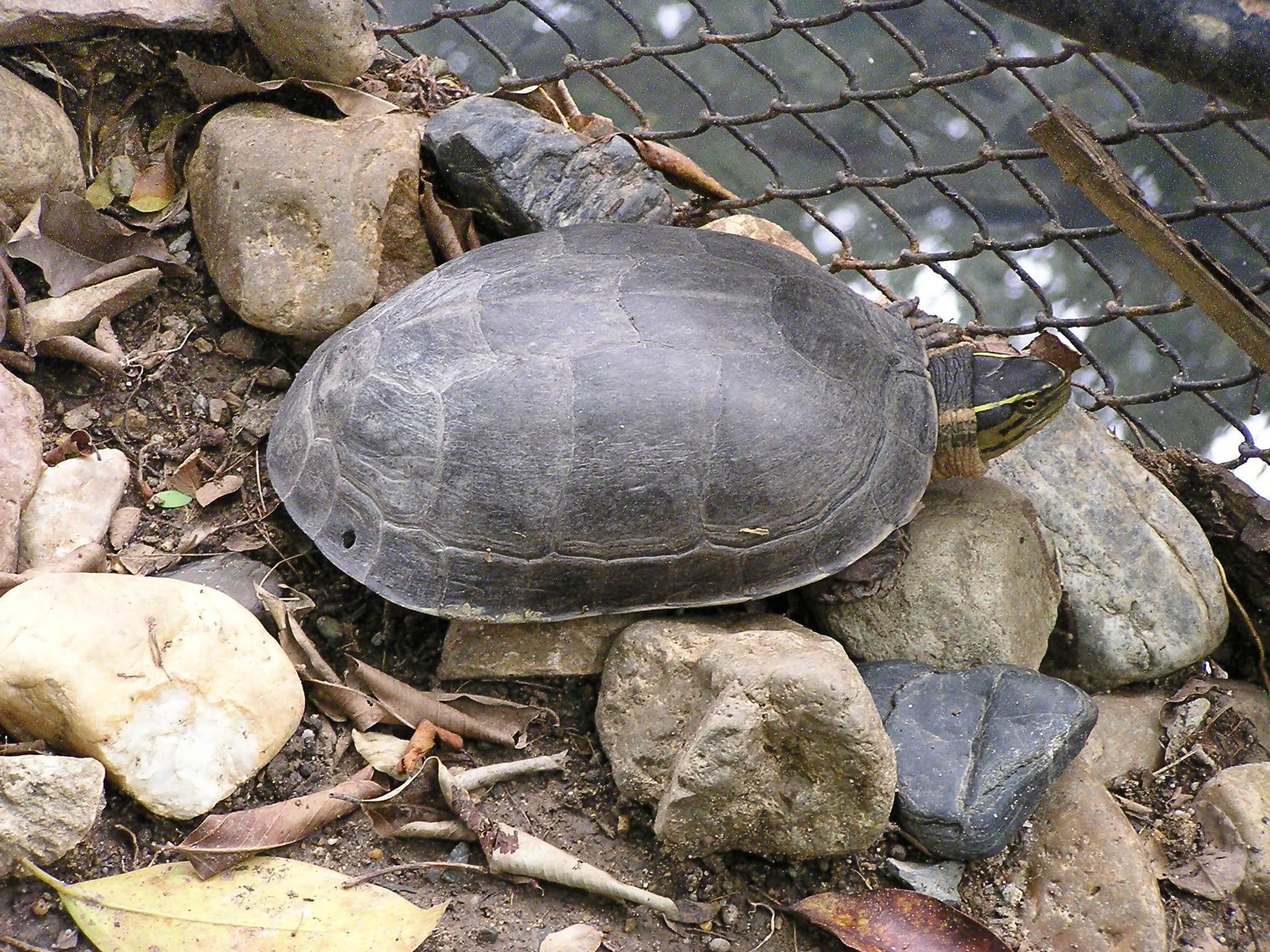
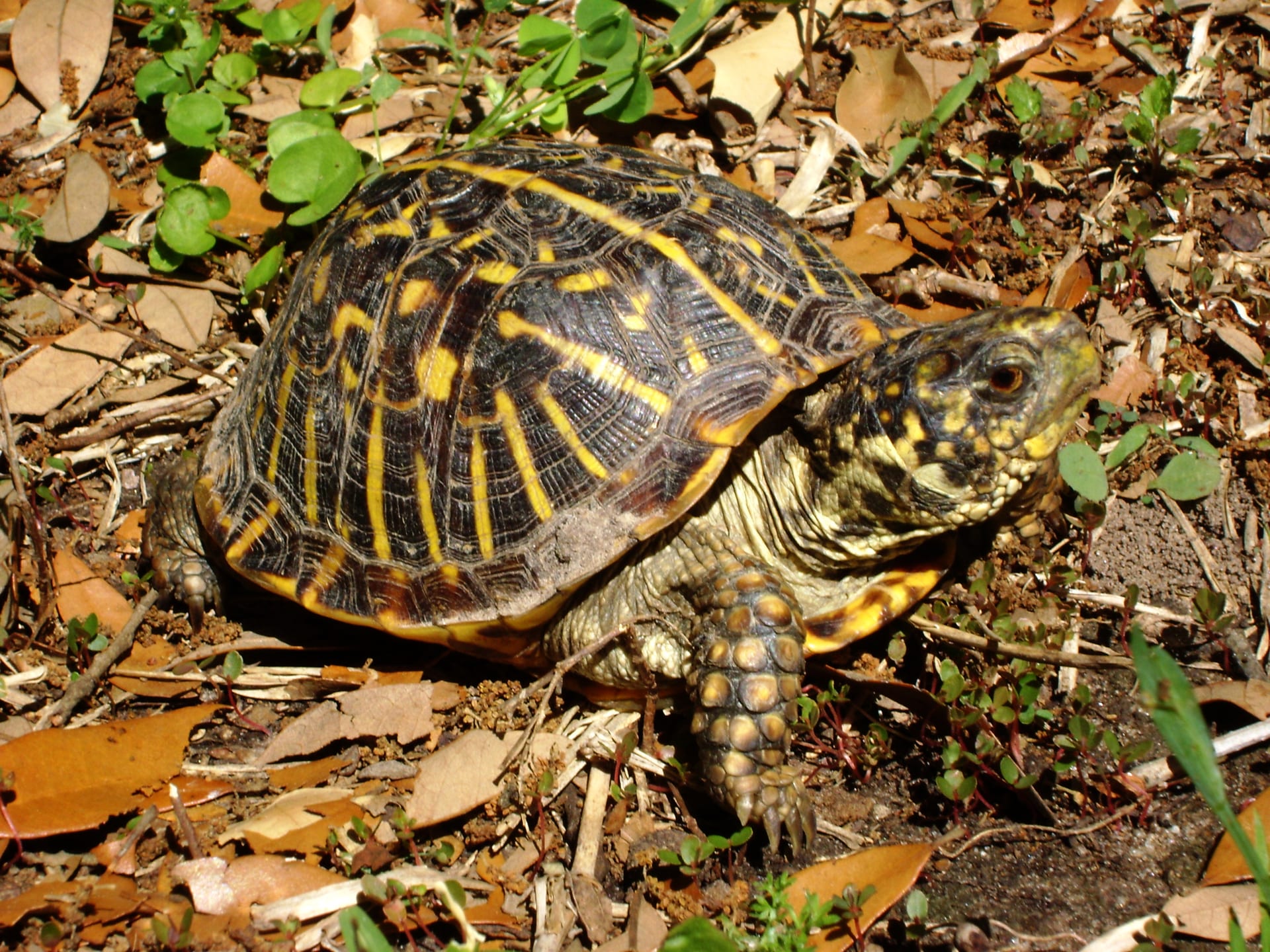
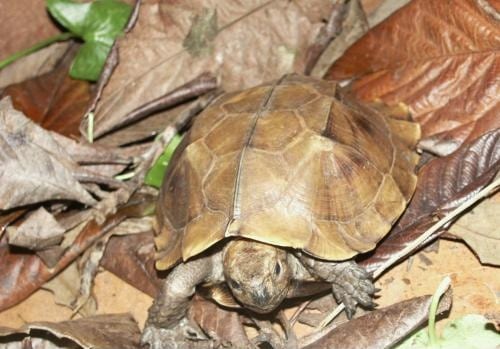
An Asian box turtle with three high keels on the carapace and a serrated rear edge. Largely terrestrial, it favors fallen fruit, and eye color separates males (black or brown) from females (orange or red).
Difficulty
Intermediate
Temperature
25〜32℃
Lifespan
Few data on lifespan in captivity
Size
Carapace length averages 15-17 cm, max 20.2 cm
Humidity
40〜70%
Diet
Mainly herbivorous omnivore (fallen fruit, worms, snails)
About
The keeled box turtle is a geoemydid of the genus Cuora found in China (Hainan and Yunnan), Vietnam, Laos, Thailand, Myanmar, north-eastern India, Bhutan and Bangladesh. It was long placed alone in the genus Pyxidea, but molecular studies show it belongs in the Cuora group. Two subspecies are recognized, the nominate form and C. m. obsti of Vietnam. The elongated carapace carries three high keels with a flat area between the lateral ones, and the rear marginal scutes are sharply serrated. The carapace is brown to reddish brown and the plastron light to dark brown. Maximum carapace length is 20.2 cm, and one survey found averages of 15-17 cm. The feet are only partially webbed, reflecting a terrestrial lifestyle. Males have longer, thicker claws and black or brown eyes, while females have shorter claws and orange or red eyes. In the wild it is mainly herbivorous with a preference for fallen fruit, and it also takes worms and snails. Males can be very aggressive when mating and may injure females. A hybrid with C. galbinifrons was once described as a subspecies. In Japan it is available through specialist shops.
Source: Wikipedia (CC BY-SA 4.0)
Size of the Keeled Box Turtle
The Keeled Box Turtle grows to Carapace length averages 15-17 cm, max 20.2 cm.
Basic Info
Origin
Southern China (Hainan, Yunnan), Indochina, Myanmar, north-eastern India and Bhutan
Lifespan
Few data on lifespan in captivity
Size
Carapace length averages 15-17 cm, max 20.2 cm
Temperature
25〜32℃
References & Sources
Edited & verified by: BreederDirect editorial team
The taxonomic, regulatory, and husbandry data on this page are compiled and verified against the authoritative primary sources below.
Taxonomy & Authority
Accepted name: Cuora mouhotii (Gray, 1862)
Synonyms: Cuora serrata Iverson & Mccord, 1992, Cyclemys mouhotii Gray, 1862, Pyxidea mouboti Smith & James, 1958, Pyxidea mouhotii (Gray, 1862), Pyxidea mouhotii obsti Fritz, Andreas & Lehr, 1998
Authority databases: GBIF · The Reptile Database: Cuora mouhotii · GBIF: Cuora mouhotii
Nomenclature follows global taxonomic authority databases.
Regulations & Conservation Status
CITES Appendix II
Listed in CITES Appendix II. International trade requires an export permit from the country of origin, but no registration is needed to keep or transfer the animal within Japan. Listed under Cuora spp. (except Appendix I species) since 23 February 2023, with a zero export quota for wild specimens traded for commercial purposes, so legal trade is mainly in captive-bred animals.
Sources: Species+ (CITES): Cuora mouhotii
Regulations may change. Always verify the latest information with the relevant authorities.
Keeled Box Turtle Listings
Loading latest listingsFind listings for this species