Source: Wikimedia Commons
Chinese Three-Striped Box Turtle
AdvancedCuora trifasciata
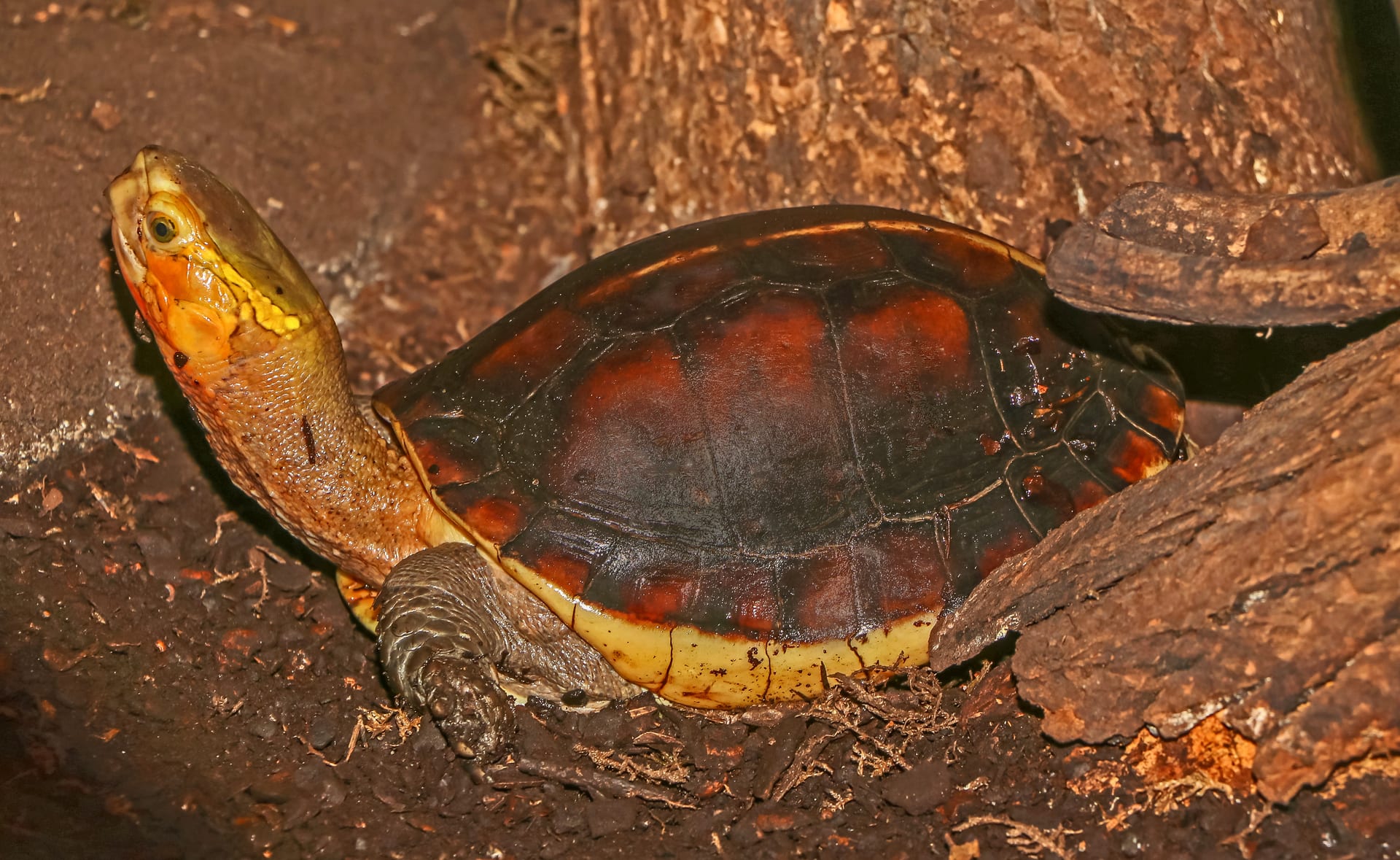
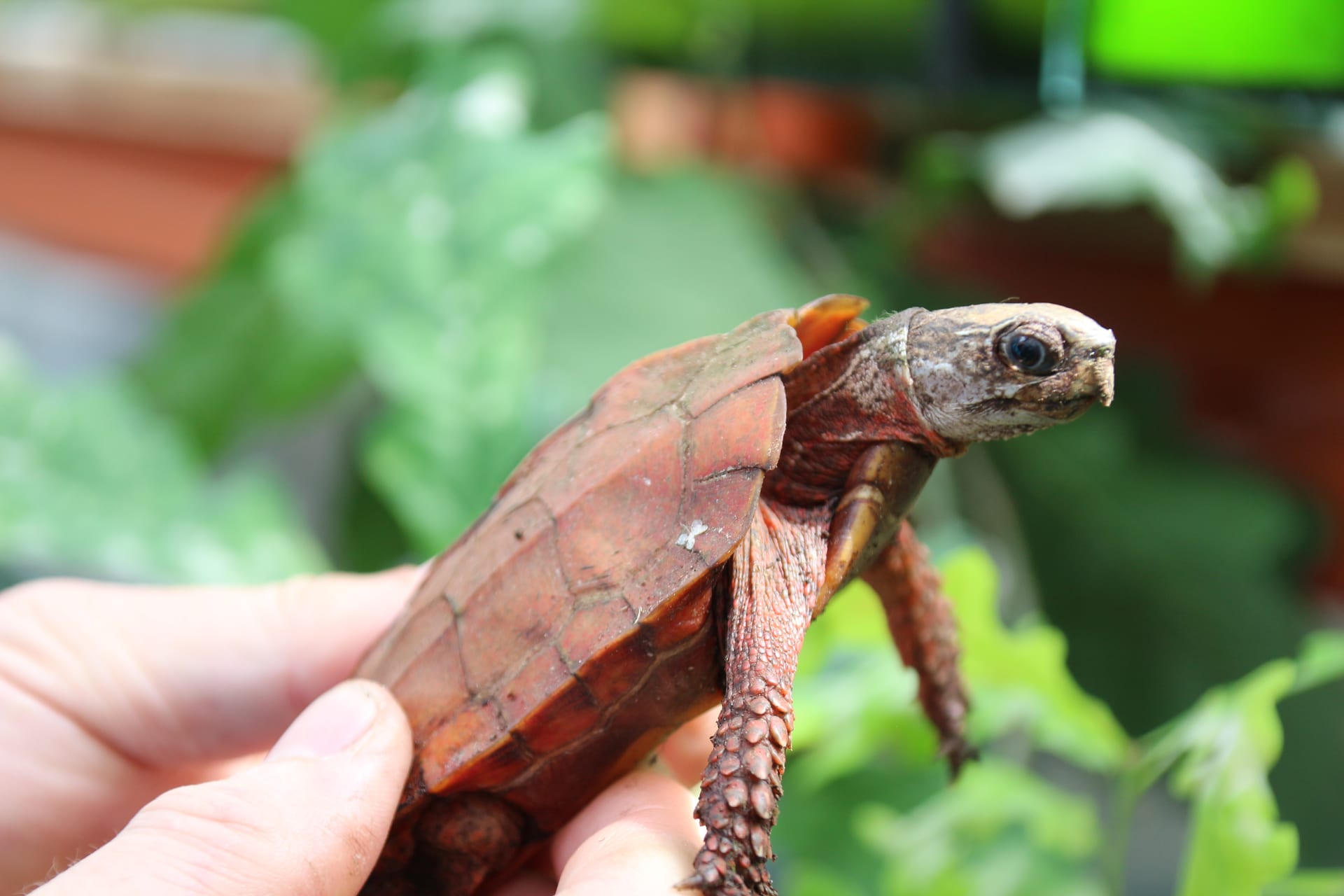
Named for the three black stripes running along its orange to reddish brown carapace. The head is yellow and the limbs and tail are reddish brown to orange. Prized in China as a medicinal animal, it has been severely depleted by collection. The carapace reaches 21 cm.
Difficulty
Advanced
Temperature
25〜32℃
Lifespan
Maximum recorded longevity in captivity is 31 years
Size
Carapace up to 21cm, with females larger than males
Humidity
40〜70%
Diet
Insects, crustaceans, snails, fish, tadpoles, aquatic plants, fruit and prepared pellets
About
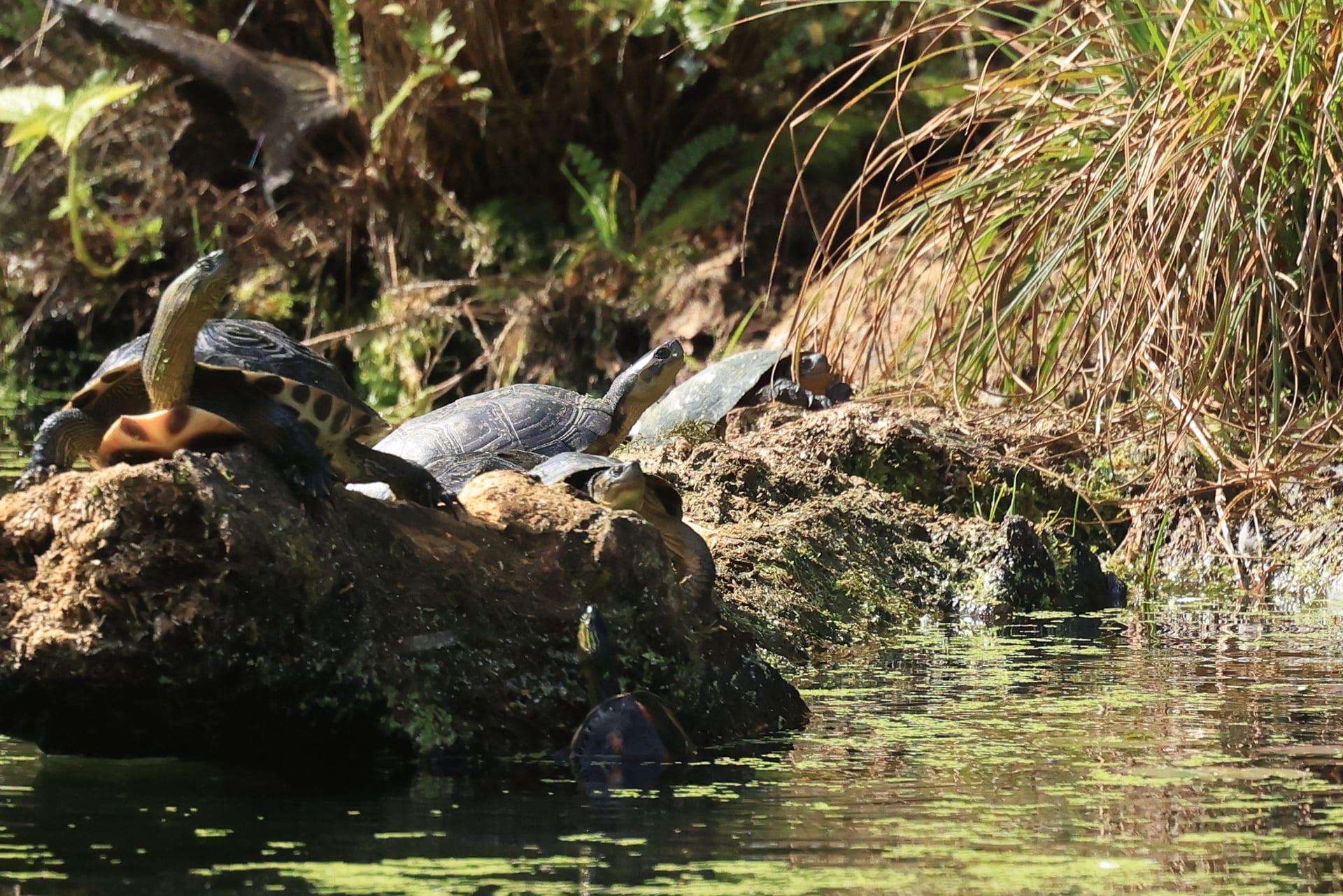
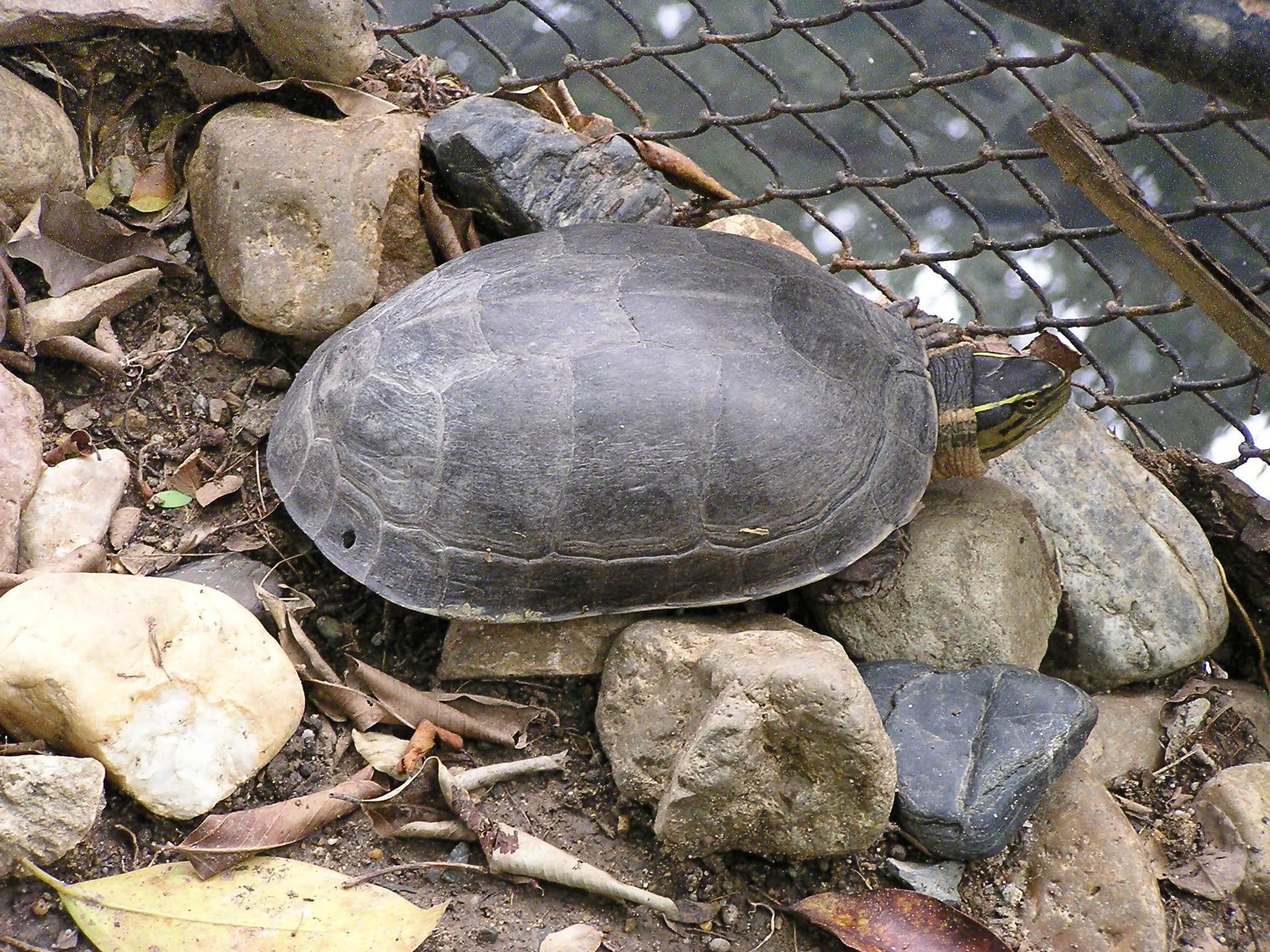
Cuora trifasciata is a geoemydid box turtle with a carapace to 21 cm, females being larger. The rather flat oval carapace is orange, reddish brown or brown with three black to dark brown stripes running along the keels, the source of its English and Japanese names. The plastron is black to dark brown with yellow margins except on the gular and humeral scutes. The head is yellow to dark yellow with an oval brown, black-edged blotch behind the eye and on the back of the head, and the limbs and tail are tinged reddish brown to orange. Semi-aquatic to semi-terrestrial, it is active both on land and in water, and juveniles are more aquatic. It is omnivorous with a carnivorous bias, taking insects, crustaceans, snails and fish, and has even been recorded eating young rodents. In China it is prized as a supposed cancer cure, and the resulting collection has caused a steep decline and widespread smuggling from neighbouring countries.
Source: Wikipedia (CC BY-SA 4.0)
Lifespan of the Chinese Three-Striped Box Turtle
The Chinese Three-Striped Box Turtle lives Maximum recorded longevity in captivity is 31 years.
Size of the Chinese Three-Striped Box Turtle
The Chinese Three-Striped Box Turtle grows to Carapace up to 21cm, with females larger than males.
Basic Info
Origin
Southern China, Hong Kong, northern Viet Nam, Laos and Cambodia, in muddy weedy swamps, marshes and paddy fields and in clear small streams at 50-400 m
Lifespan
Maximum recorded longevity in captivity is 31 years
Care Specifications
Semi-aggressiveSolitaryBreeding: Hard
Sources: Wikipedia (Japanese): Chinese three-striped box turtle / Wikipedia (English): Chinese three-striped box turtle / Reptile Database / AnAge: The Animal Ageing and Longevity Database
References & Sources
Edited & verified by: BreederDirect editorial team
The taxonomic, regulatory, and husbandry data on this page are compiled and verified against the authoritative primary sources below.
Primary sources
- Wikipedia
- CITES Appendices
- Ministry of the Environment: list of invasive alien species
- Order for Enforcement of the Act on Welfare and Management of Animals (designated dangerous animals)
- Wikipedia (Japanese): Chinese three-striped box turtle
- Wikipedia (English): Chinese three-striped box turtle
- Reptile Database
- AnAge: The Animal Ageing and Longevity Database
Taxonomy & Authority
Accepted name: Cuora trifasciata (Bell, 1825)
Synonyms: Sternothaerus trifasciatus Bell, 1825, Cistoclemmys trifasciata (Fitzinger, 1835), Cuora cyclornata Blanck, McCord & Le, 2006
Authority databases: Reptile Database
Nomenclature follows global taxonomic authority databases.
Regulations & Conservation Status
CITES Appendix IIIUCN CR · Critically Endangered
Genus Cuora spp. was listed on CITES Appendix II in 2000 (current listing effective February 23, 2023). This species bears an annotation of zero export quota for commercial purposes of wild specimens. Because it is on Appendix II, registration as an international rare species is not required. This species is not designated as either a specific animal under the Schedule of the Enforcement Ordinance of the Animal Protection and Management Law or a specified alien species.
Sources: CITES Appendices / Ministry of the Environment: list of invasive alien species / Order for Enforcement of the Act on Welfare and Management of Animals (designated dangerous animals)
Regulations may change. Always verify the latest information with the relevant authorities.
Chinese Three-Striped Box Turtle Listings
Loading latest listingsFind listings for this species