The Complete Care Guide for Chinese Water Dragons: Vertical Enclosures, Water Areas, Temperature & Humidity Management
A comprehensive guide to caring for Chinese Water Dragons (*Physignathus cocincinus*). This guide covers everything from beginner to intermediate level: vertical large enclosure setup, the necessity of water areas, temperature gradients, UVB lighting, cricket feeding, how to acclimate them to handling, and disease prevention.
Key Takeaways
A comprehensive guide to caring for Chinese Water Dragons (*Physignathus cocincinus*). This guide covers everything from beginner to intermediate level: vertical large enclosure setup, the necessity of water areas, temperature gradients, UVB lighting, cricket feeding, how to acclimate them to handling, and disease prevention.
What are Chinese Water Dragons?
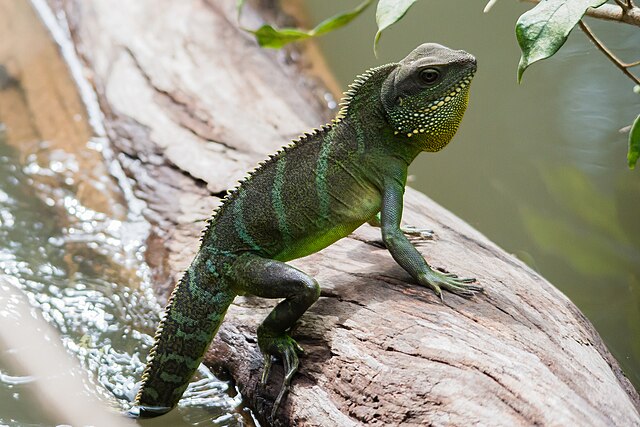
The Chinese Water Dragon (scientific name: Physignathus cocincinus) is a large agamid lizard native to tropical rainforests throughout Southeast Asia and southern China. Adults reach a total length of 60–90 cm (including the tail) and are a popular pet species, renowned for their vivid emerald-green coloration and striking blue and purple banded patterns.
✍️
BreederDirect Editorial
The BreederDirect editorial team specializes in care information for animals, covering veterinary care and breeding to deliver beginner-friendly guides.
Find Reptiles on BreederDirect
Buy directly from verified breeders
Browse Related Listings
Find Reptiles listings related to this article on BreederDirect. Buy directly from verified breeders.
Related Tools
Related Articles
Browse by Category
🪸Coral
🐠Marine Fish
🐟Tropical Fish
🐡Goldfish
🐟Medaka
🦎Reptiles
Share
Basic Information
Item
Details
Scientific Name
Physignathus cocincinus
Total Length (Adult)
60–90 cm (tail comprises 2/3 of total length)
Lifespan
10–15 years (with proper care)
Native Range
Southern China, Thailand, Vietnam, Cambodia, Malaysia
Behavior
Semi-arboreal and semi-aquatic; habituated to climbing branches near water
Sexual Dimorphism
Males have more vibrant coloring on the head and throat; larger dorsal crest
In the wild, they perch on branches along riverbanks and dive into the water when threatened—a distinctive behavior also observed in captivity. For this reason, a water area is absolutely essential in the enclosure.
Setting Up the Enclosure Environment
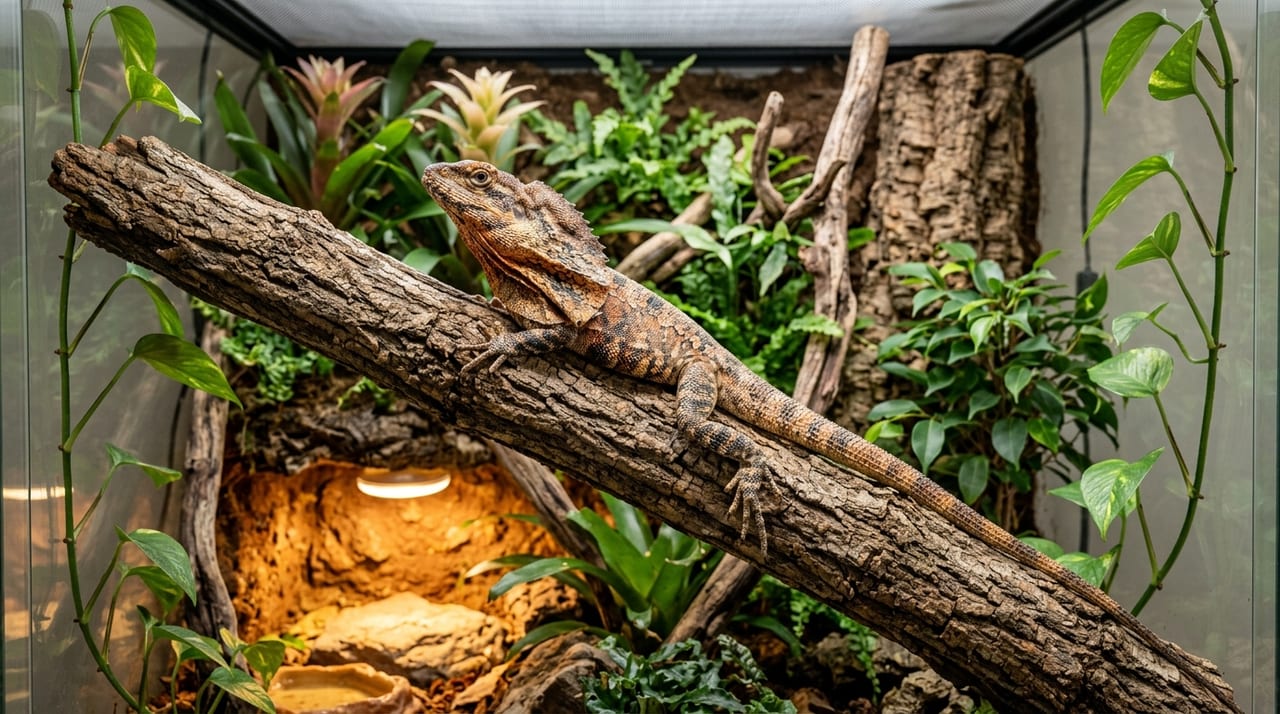
Chinese Water Dragons grow to a substantial size as adults, making a properly-sized enclosure essential.
Enclosure Size
Due to their semi-arboreal nature, height is more important than width.
Individual Size
Minimum Dimensions (W×D×H)
Recommended Size
Juveniles–Subadults (–40 cm)
60×45×90 cm
90×45×120 cm
Adults (40 cm+)
90×60×120 cm
120×60×180 cm or larger
When housing multiple dragons, males will fight over territory; therefore, solitary housing or a single male with multiple females is recommended.
Water Area Setup (Critical)
A water area is essential for Chinese Water Dragons.
Pool Space: Provide a depth of at least 10–20 cm and width sufficient to accommodate the entire body length
A filtered water container (such as a turtle tank or basin) is ideal for hygiene
Maintain water temperature at 26–28°C using a heater
Change the water daily or every other day (as feces contaminate the water)
Without a water area, the risk of skin disease, infection, and dehydration increases significantly.
Temperature and Humidity
Area
Temperature
Basking Spot
38–42°C
Warm Side
28–32°C
Cool Side
24–27°C
Night (Overall)
22–25°C
Humidity
70–80%
An automated misting system (2–3 times daily) is highly effective for maintaining high humidity. Manual misting should be done at least twice daily.
UVB Lighting
UVB lighting is essential for preventing metabolic bone disease (MBD) in agamid lizards.
UVI 2.0–4.0 is recommended (T5HO 6%–10% lamps are a good guideline)
Photoperiod: 12–14 hours daily
Replace the lamp every 6 months (UVB output declines invisibly over time)
Ideally, position the basking spot within the UVB zone
Feeding
Chinese Water Dragons are primarily insectivorous but omnivorous; adults also consume small amounts of vegetables and fruits.
Food Types and Feeding Frequency
Individual Size
Primary Food
Secondary Food
Frequency
Juveniles (–25 cm)
Crickets (up to L size), Dubia roaches
—
Daily
Subadults (25–50 cm)
Crickets, Dubia roaches, Mealworms
Pinky mice (1–2 times/month)
Every other day
Adults (50 cm+)
Dubia roaches, Crickets, Superworms
Vegetables (komatsuna, bok choy), small amounts of fruit
3–4 times/week
Calcium dusting should be applied to every feeding. Use calcium with vitamin D3 once or twice weekly.
Hydration Tips
Chinese Water Dragons prefer drinking from water droplets on leaves rather than directly from a water bowl. Misting in the morning creates droplets on leaves and enclosure surfaces, which encourages drinking.
Handling and Temperament
Chinese Water Dragons become relatively easy to handle once acclimated, but they are extremely nervous immediately after acquisition.
Gradual Acclimation Process
First 2–3 Weeks: Do not handle; let them acclimate to the environment (feed quietly)
Presence Acclimation: Spend 10–15 minutes quietly near the enclosure daily
Hand Feeding: Offer crickets with tweezers to establish trust and show your hand is safe
Short Handling Sessions: Begin with 5–10 minutes and gradually increase duration
Stress signs include darkened coloration, mouth rubbing (mouthing), and regurgitation. If these occur, cease handling and reassess the enclosure environment.
Add visual barriers in enclosure, improve environment
Impaired shedding
Low Humidity
Increase humidity above 80%, provide warm baths
Weight loss and appetite loss
Parasites or Infection
Fecal exam, veterinary consultation
Mouth Rubbing (nose rubbing) is a common issue in Chinese Water Dragons. It occurs when the glass is too transparent, allowing them to see outside and repeatedly rub their noses searching for an exit. Applying an opaque material to the lower half of the enclosure's front significantly improves this behavior.
Conclusion
The Chinese Water Dragon is a visually striking species, prized for its vibrant green coloration and distinctive diving behavior. By properly implementing four key elements—a large vertical enclosure, appropriate water areas, high humidity, and proper UVB management—you can successfully maintain them for 10+ years. Though initially delicate, with proper environmental conditions and patient, gradual acclimation, they can become trusting and handleable companions.