About the Ackie Monitor
The Ackie Monitor (Varanus acanthurus) is a small species of the Varanidae family found in the arid, rocky regions of northern to central Australia. Also known as the "Ackie Monitor," "Spiny-tailed Monitor," or "Ridge-tailed Monitor," the name comes from the spiny scales along the tail.
With a total length of 40–60 cm (tail roughly twice the body length), the Ackie Monitor is among the smallest of the Varanidae family. Its compact size, abundant availability in the pet trade, ease of handling, and successful breeding records have made it increasingly popular as a beginner monitor lizard in Japan.
Characteristics of the Ackie Monitor
Body Shape and Appearance
- Total length: 40–60 cm (females 40–50 cm, males 45–60 cm)
- Weight: Approximately 100–200 g
- Coloration: Brown to tan base with fine cream-colored spots and reticulated patterns. The tail is covered with robust, spine-like scales used for defense and communication
The most commonly available subspecies are Red Ackie (V. a. acanthurus) and Yellow Ackie (V. a. brachyurus), with the Red Ackie displaying more intense red coloration.
Temperament and Behavior
While relatively calm for a monitor species, Ackie Monitors are naturally shy animals and may bite or display threat behaviors without proper handling training.
- With proper conditioning, many individuals become very handleable
- Rock crevice-dwelling behavior makes hiding spaces essential in the enclosure
- Excellent vision and sense of smell—they learn feeding times and recognize their keeper's face, showing considerable intelligence
- Tail-whipping is a threat display (less dangerous than larger species, but caution is warranted)
Enclosure Setup
Size and Structure
Ackie Monitors are active and require adequate space to thrive.
| Care Stage | Recommended Enclosure Size (W×D×H) |
|---|
| Baby to Juvenile (under 30 cm) | 60×45×45 cm |
| Subadult to Adult | 120×60×60 cm or larger |
| Breeding Pair | 150×60×60 cm or larger |
The enclosure must feature robust locking mechanisms (these lizards are escape artists).
Temperature Settings
Proper thermoregulation in Ackie Monitors requires a significant temperature gradient.
| Zone | Temperature |
|---|
| Basking Spot | 50–60℃ (rock surface temperature) |
| Hot Zone | 35–40℃ |
| Cool Zone | 25–30℃ |
| Night (entire enclosure) | 20–25℃ |
The high-temperature basking spot is the most critical aspect of Ackie Monitor care. Surface temperatures of 50℃ or higher mimic natural basking rocks in the wild; temperatures below this can impair digestion, compromise immune function, and stunt growth.
Heating Equipment Selection
- Basking lamp: Halogen bulb or mercury vapor lamp (to achieve 50–60℃ surface temperature)
- Supplemental heating: Ceramic heater (for nighttime temperature maintenance)
- Under-floor heating: Heat mat (substrate temperature support)
- Thermometers: Two-point measurement system (contact thermometer for basking surface + digital probe for ambient temperature)
UVB Lighting
UVB lighting is essential for vitamin D3 synthesis in Ackie Monitors.
- Recommended UVB intensity: UVI 2–4 (equivalent to Ferguson Zone 3)
- Recommended lamps: T5 HO type (ReptiSun 10.0, Arcadia 12%, etc.)
- Lighting distance: 30–40 cm from lamp to basking surface
- Photoperiod: 12–14 hours per day
Substrate
Use substrate that mimics the natural environment (rocky, arid areas).
- Red sand and gravel mix: Most natural, promotes digging behavior
- Play sand: Easier to maintain
- Depth: 15–30 cm (allows space for burrowing and egg-laying behavior)
Layout and Hiding Spots
Rock crevice-dwelling behavior makes hide boxes essential.
- Stacked flat stone and slate creating "rock formations"—multiple locations recommended
- Commercial reptile tubes and cork bark
- Hides should fit snugly around the body for a sense of security
Feeding
Ackie Monitors are carnivorous (feeding on insects, small reptiles, and small mammals). In captivity, insects form the primary diet.
Feeding Schedule
| Growth Stage | Feeding Frequency |
|---|
| Baby (under 10 cm) | Daily or every other day |
| Juvenile (10–30 cm) | 2–3 times per week |
| Adult | 2–3 times per week |
Overfeeding leads to obesity and fatty liver disease, so moderation is key.
Recommended Prey
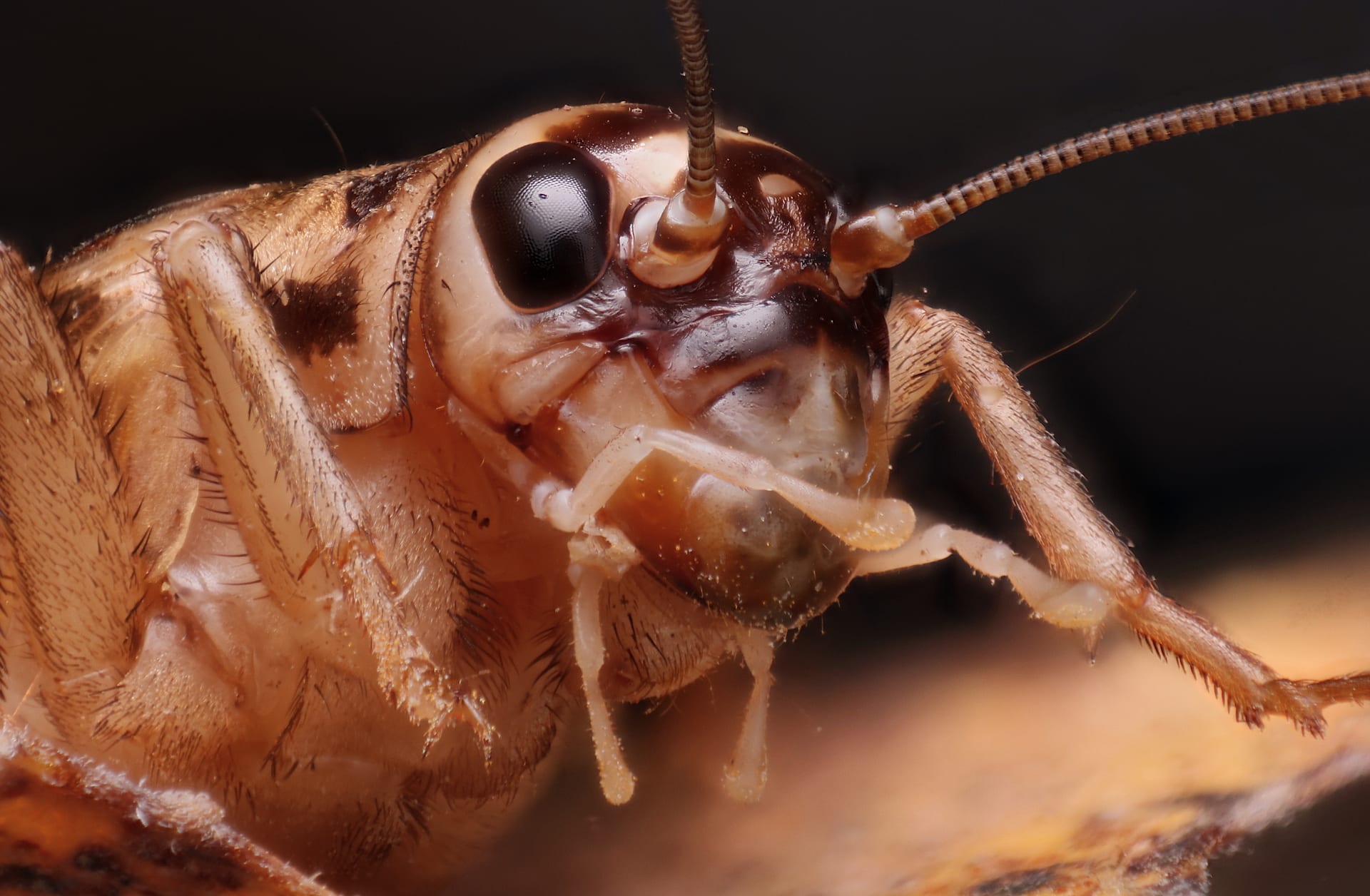
- Crickets (Banded and European House Crickets): Primary staple. Gut-load before offering
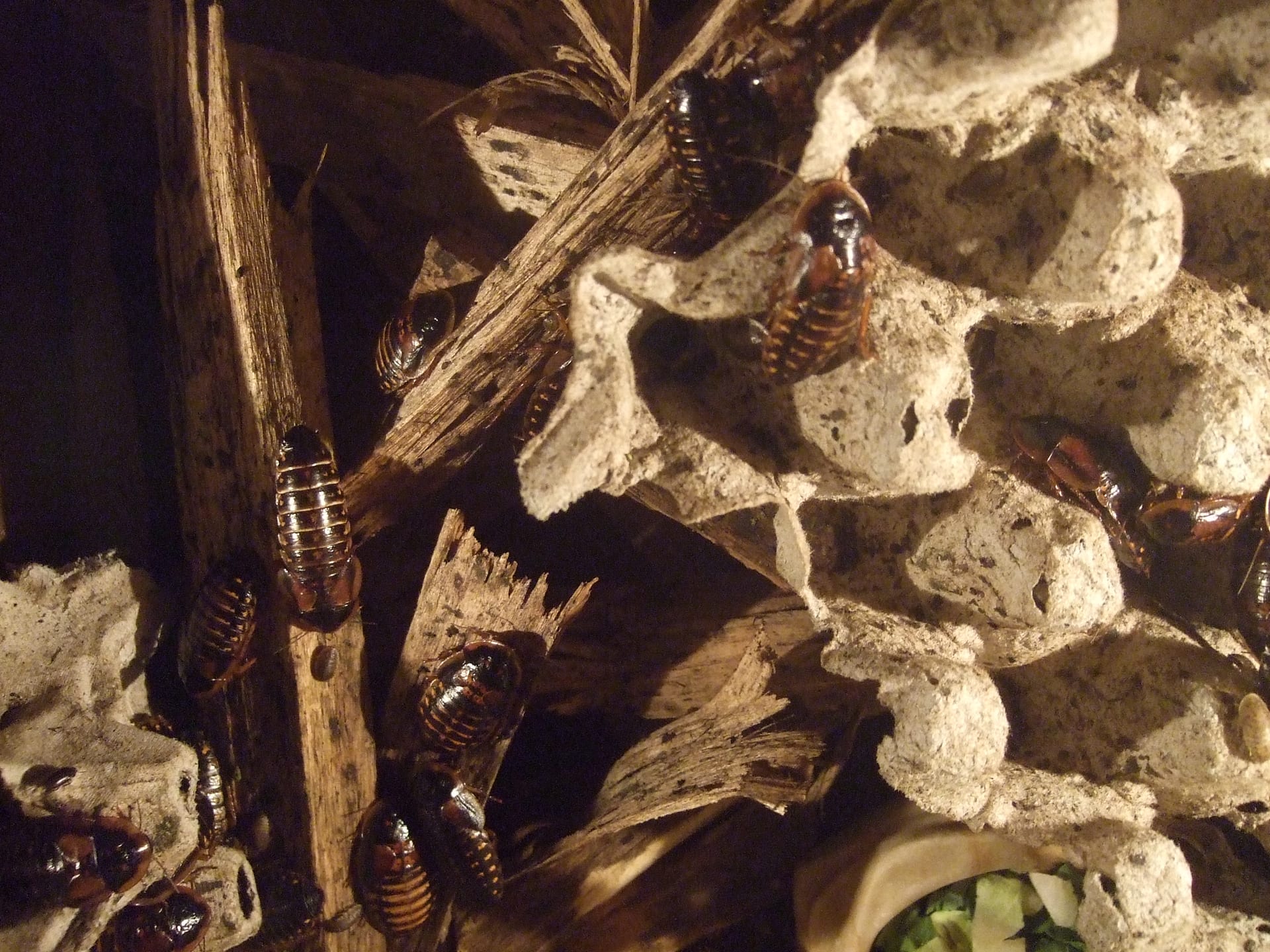
- Dubia Roaches: High nutritional value, easy to maintain. Excellent long-term staple
- Mealworms: High fat content—offer sparingly as treats only
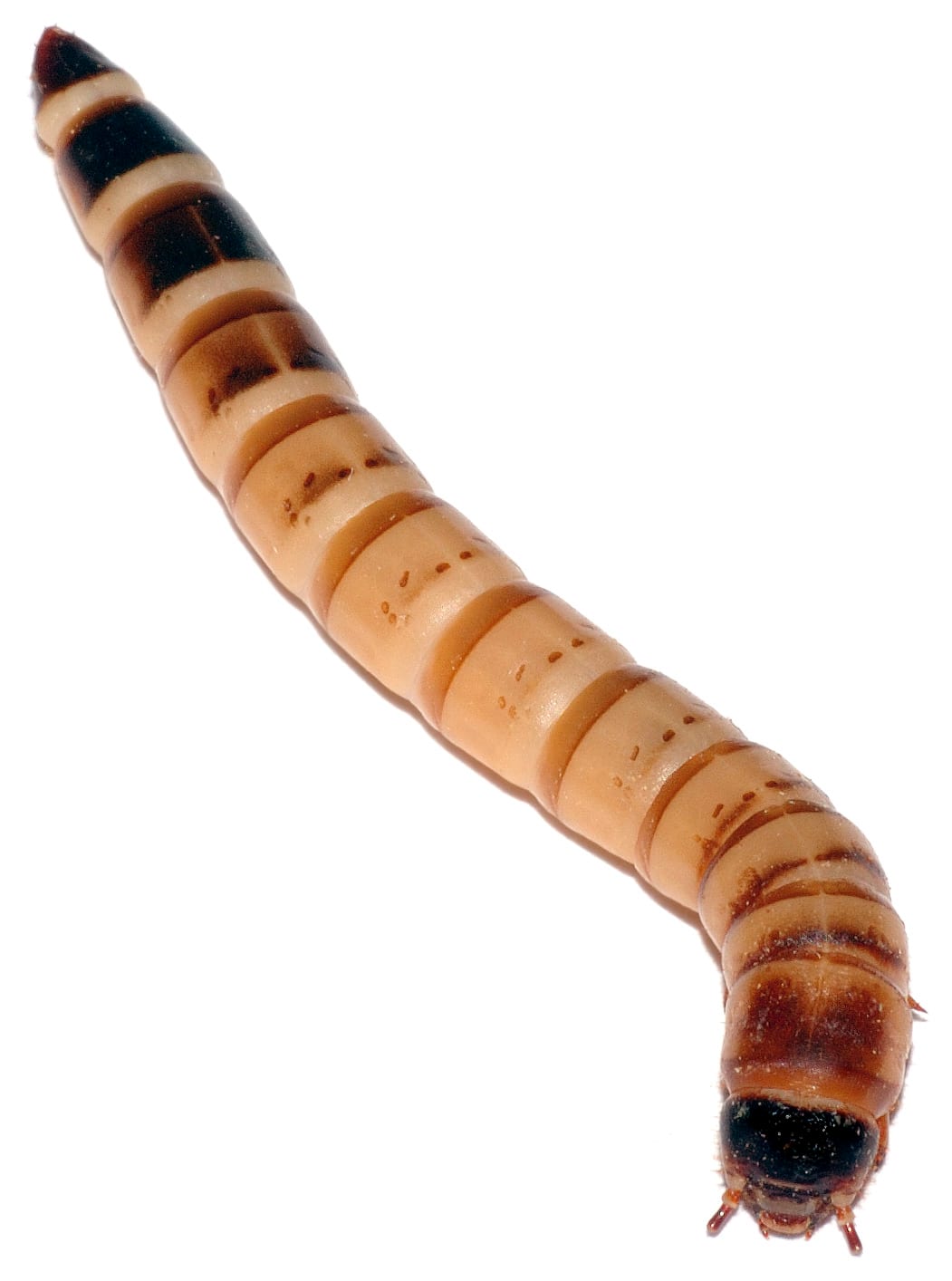
- Superworms (Giant Mealworms): Supplemental food for adults
- Pink Mice (Pinkies): For adults and pre-breeding females; 1–2 times per month
Important: Avoid wild-caught insects (garden crickets, frogs, etc.) due to risks from pesticides and parasites.
Supplementation
| Supplement | Frequency | Purpose |
|---|
| Calcium powder (with D3) | 2 out of 3 feedings | Skeletal formation and MBD prevention |
| Multivitamin | 1–2 times per week | General nutritional support |
| Calcium powder (without D3) | Several times per month | Calcium supplementation |
"Dust" prey items with powder supplements before feeding.
Handling and Taming
With proper conditioning, Ackie Monitors become receptive to regular handling, but patience is essential.
Gradual Taming Steps
- Weeks 1–2: Allow the lizard to acclimate to the enclosure (no handling)
- Weeks 3–4: Begin hand-feeding with tweezers (hand familiarity)
- After 1 month: Start brief handling sessions (1–2 minutes)
- Gradually extend: Increase duration (ultimately up to 15–30 minutes is possible)
- If threat displays occur (hissing, body inflation, escape attempts), return the lizard immediately
- Forcing handling damages trust-building
- Support from below (don't grab): Grasping from above causes fear
Breeding
Ackie Monitors are known as relatively easy-to-breed monitors in captivity.
Pairing and Pre-breeding Conditioning
- Males identified by: Hemipenal bulge posterior to the cloaca; breeding males tend to be larger
- 3–4 months pre-breeding: High-protein feeding to build stamina
- Cooling period: Lowering temperature to 22–24℃ for several weeks to one month triggers breeding behavior
Egg-laying
- Females become increasingly active in digging before egg-laying → provide a nesting chamber (moist substrate, at least 20 cm deep)
- Clutch size: 6–20 eggs
- Multiple clutches possible per season (2–4 clutches)
Egg Incubation Management
- Incubator temperature: 28–32℃ (approximately 30℃ optimal)
- Incubation substrate: Perlite (moistened to 1–1.5 times the egg weight in water)
- Incubation period: 80–120 days
Common Health Issues
| Issue | Cause | Solution |
|---|
| Loss of appetite / Refusal to eat | Stress, inadequate basking temperature, breeding season | Check temperature, reduce handling frequency |
| Incomplete shedding | Low humidity | Warm bath (30℃, 10–15 minutes), place damp moss in hides |
| Obesity | Overfeeding, insufficient exercise | Reduce feeding frequency and quantity, enlarge enclosure |
| MBD (Metabolic Bone Disease) | Calcium and D3 deficiency | Ensure consistent supplementation, improve UVB |
Summary
The Ackie Monitor is a beginner-friendly monitor lizard that checks all the boxes: small, hardy, and breeding readily in captivity. Success comes down to three key points: proper high-temperature basking zones, rock crevice layouts, and balanced feeding. This species is highly recommended for anyone attempting monitor lizard husbandry for the first time.