Source: Wikimedia Commons
Chinese Box Turtle
IntermediateCuora flavomarginata
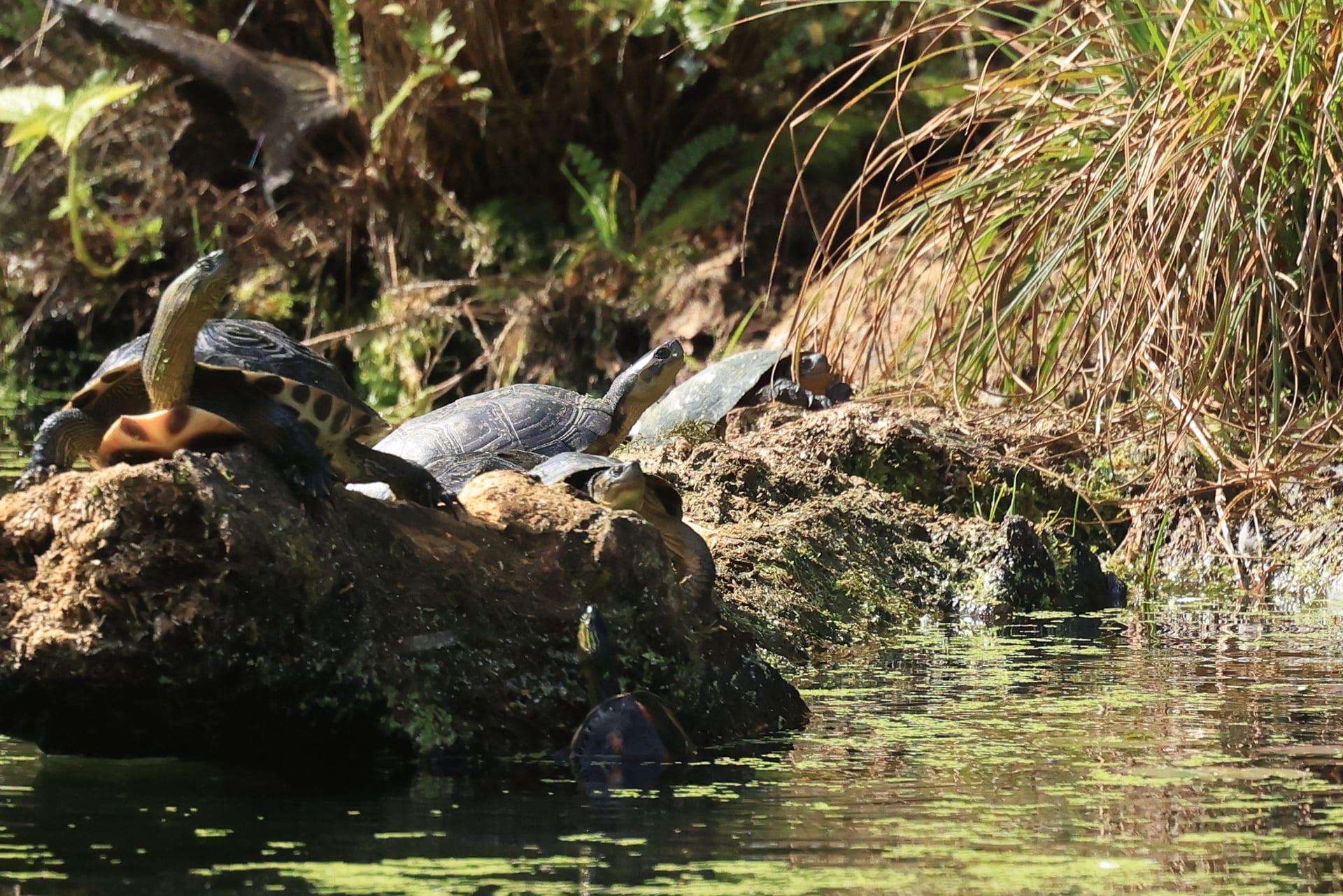
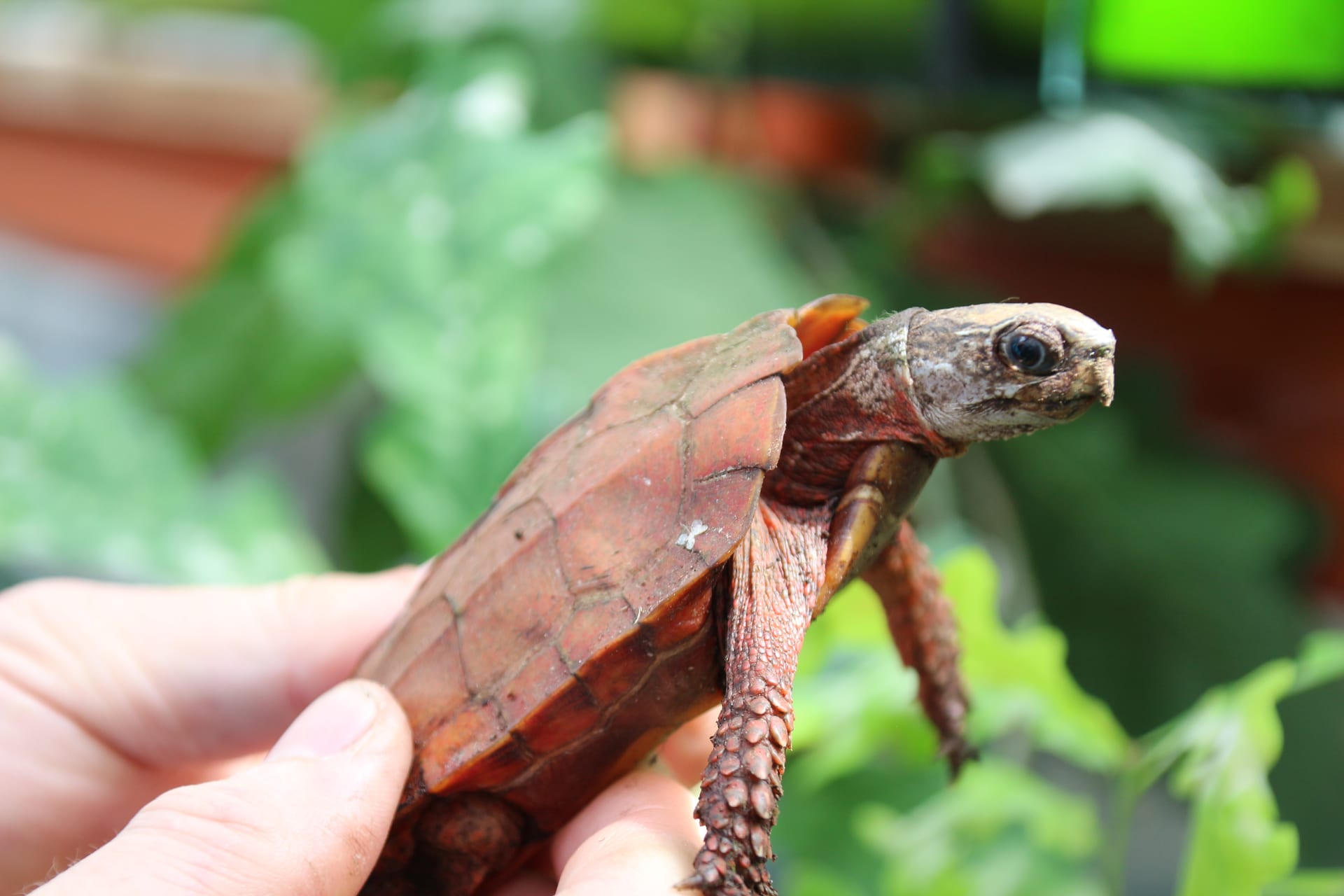
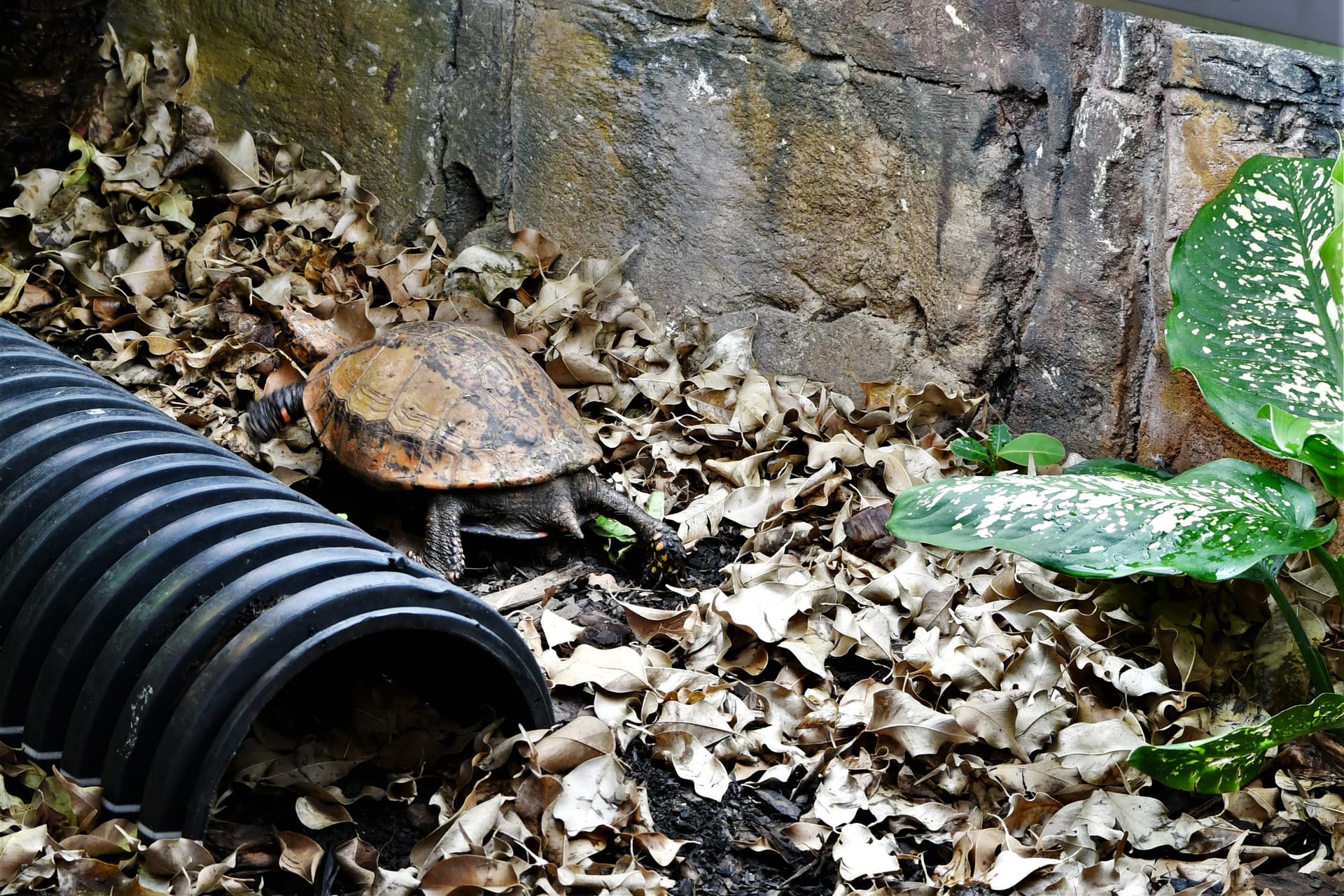
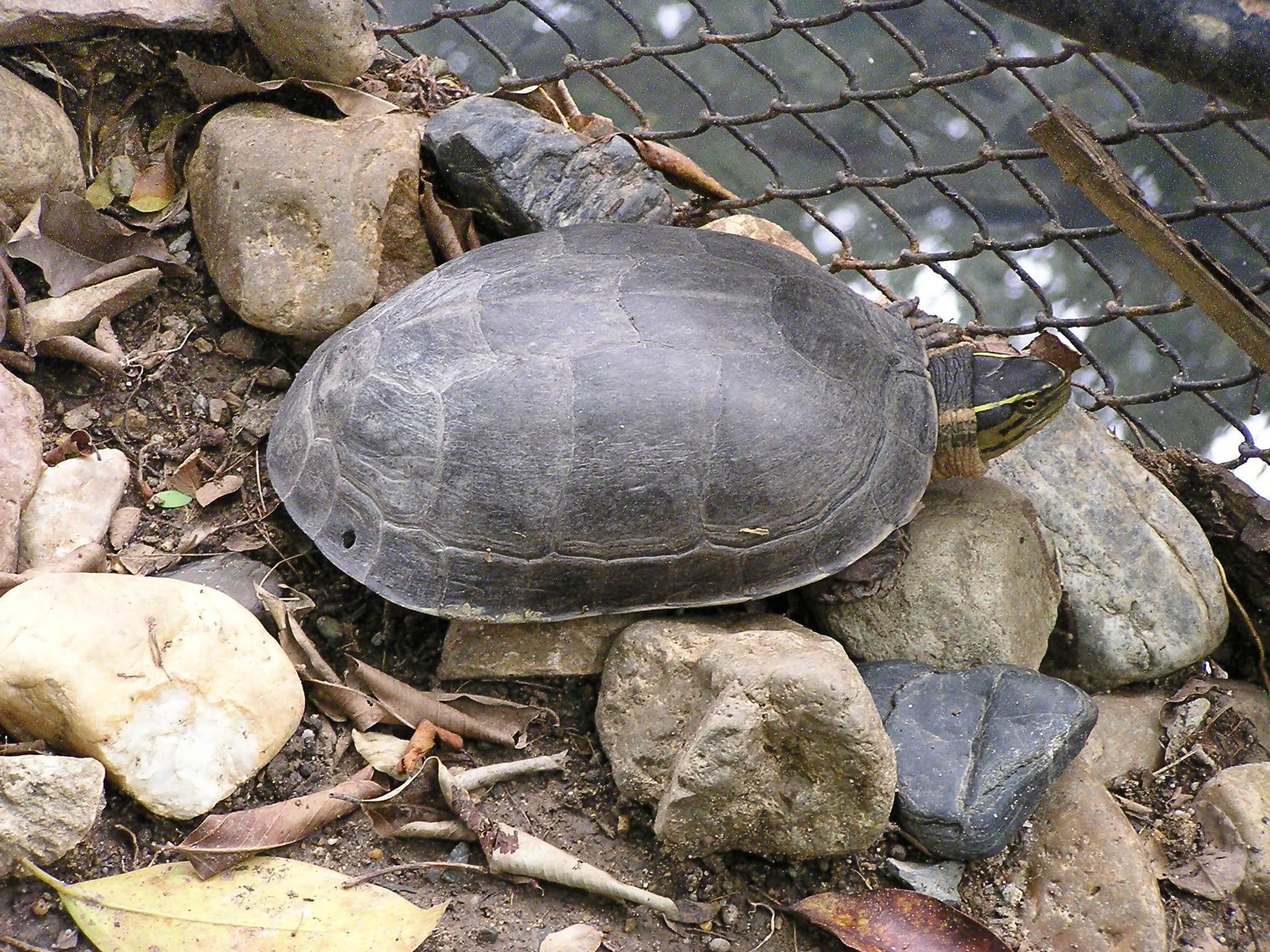
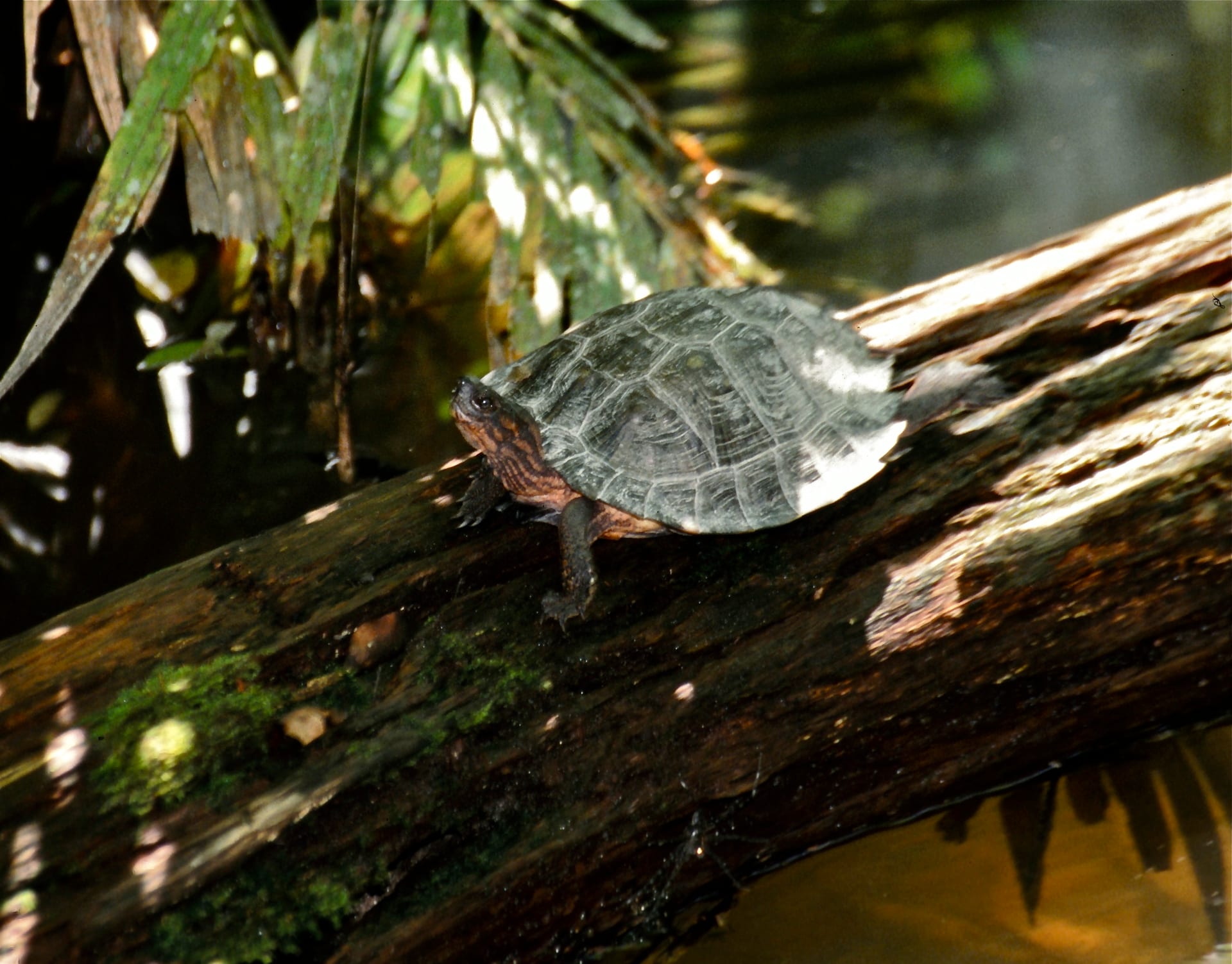
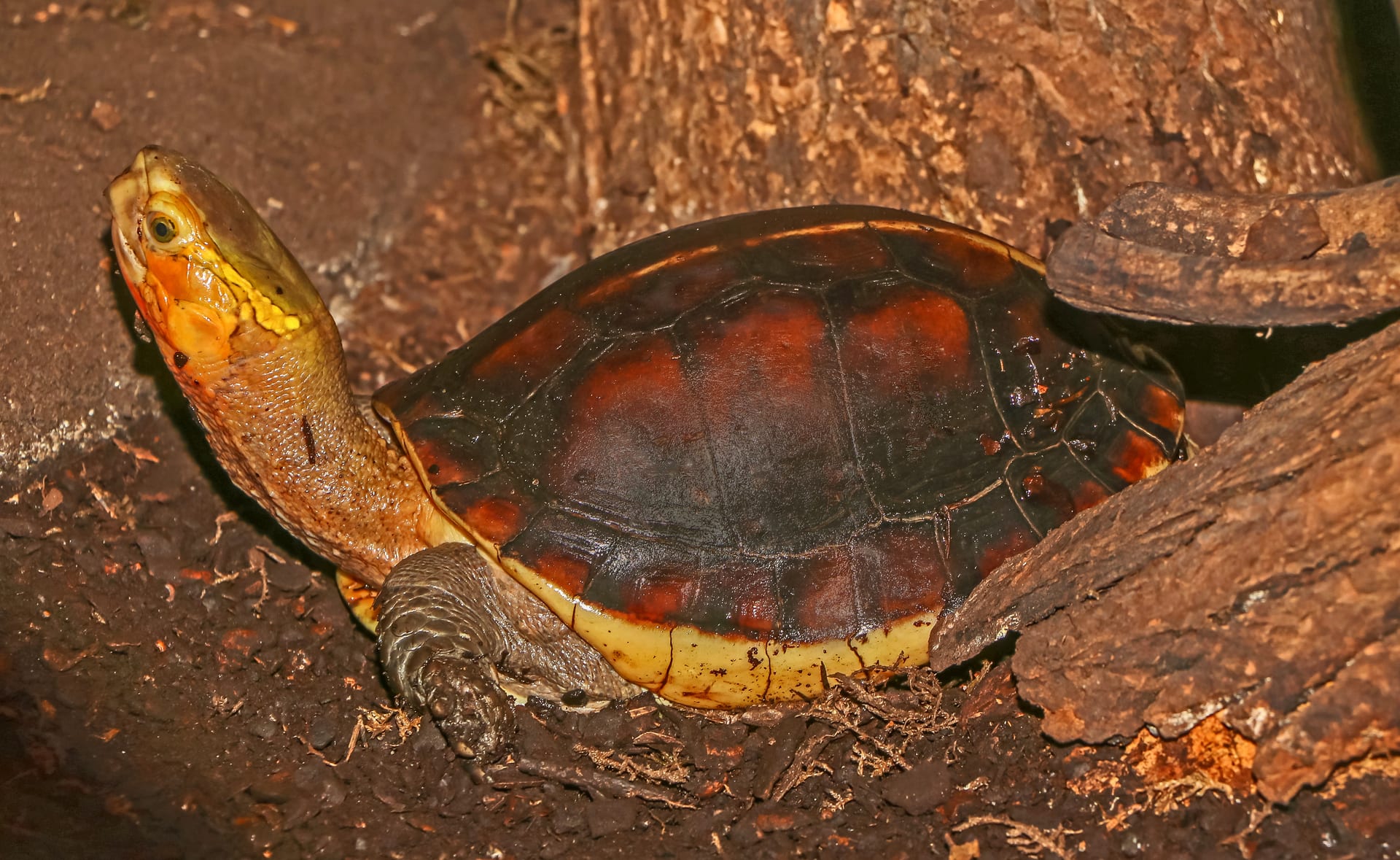
A terrestrial box turtle with a domed carapace and a plastral hinge that closes the shell completely. The specific name flavomarginata, meaning yellow-margined, refers to the yellow underside of the marginal scutes. The carapace reaches 19.5 cm.
Difficulty
Intermediate
Temperature
25〜32℃
Lifespan
Maximum recorded longevity in captivity is 19 years
Size
Carapace up to 19.5cm
Humidity
40〜70%
Diet
Insects, spiders, land snails, earthworms, fruit and prepared pellets
About
Cuora flavomarginata is a geoemydid box turtle; the name used in the trade refers to the nominate subspecies of mainland China and Taiwan. The carapace reaches 19.5 cm and is strongly domed, dark brown to blackish brown with a purplish cast, with yellow or orange stripes flanking the vertebral keel. The undersides of the marginal scutes are yellow, the source of the specific name flavomarginata, meaning yellow-margined. The plastral hinge is among the best developed in the genus and closes the shell completely. Terrestrial, it lives in humid broadleaf forest and its margins, and although it will sit in shallow water in summer it rarely submerges. It is omnivorous, eating insects, spiders, land snails, earthworms and fruit. The endemic Japanese subspecies, found on Ishigaki and Iriomote, was designated a national natural monument in 1972.
Source: Wikipedia (CC BY-SA 4.0)
Lifespan of the Chinese Box Turtle
The Chinese Box Turtle lives Maximum recorded longevity in captivity is 19 years.
Size of the Chinese Box Turtle
The Chinese Box Turtle grows to Carapace up to 19.5cm.
Basic Info
Origin
South-central China and Taiwan for the nominate subspecies, with the endemic Yaeyama subspecies on Ishigaki and Iriomote in Japan, in humid broadleaf forest and its surroundings below about 800 m
Lifespan
Maximum recorded longevity in captivity is 19 years
Size
Care Specifications
Semi-aggressiveSolitaryBreeding: Moderate
Sources: Reptiles Magazine: Chinese Box Turtle Care and Breeding / Wikipedia (Japanese): Yellow-margined box turtle / Reptile Database / AnAge: The Animal Ageing and Longevity Database
References & Sources
Edited & verified by: BreederDirect editorial team
The taxonomic, regulatory, and husbandry data on this page are compiled and verified against the authoritative primary sources below.
Primary sources
- Wikipedia
- CITES Appendices
- Ministry of the Environment: list of invasive alien species
- Order for Enforcement of the Act on Welfare and Management of Animals (designated dangerous animals)
- Agency for Cultural Affairs: database of nationally designated cultural properties
- Reptiles Magazine: Chinese Box Turtle Care and Breeding
- Wikipedia (Japanese): Yellow-margined box turtle
- Reptile Database
- AnAge: The Animal Ageing and Longevity Database
Taxonomy & Authority
Accepted name: Cuora flavomarginata (Gray, 1863)
Synonyms: Cistoclemmys flavomarginata Gray, 1863, Cuora flavomarginata evelynae Ernst & Lovich, 1990, Cuora flavomarginata sinensis Hsu, 1930
Authority databases: Reptile Database
Nomenclature follows global taxonomic authority databases.
Regulations & Conservation Status
CITES Appendix IIIUCN EN · Endangered
Genus Cuora spp. was listed on CITES Appendix II in 2000 (current listing effective February 23, 2023). This species bears an annotation of zero export quota for commercial purposes of wild specimens. Because it is on Appendix II, registration as an international rare species is not required. This species is not designated as either a specific animal under the Schedule of the Enforcement Ordinance of the Animal Protection and Management Law or a specified alien species. The Japanese endemic subspecies C. f. evelynae was designated as a natural monument in 1972, and collection, captive breeding, and transfer are restricted under the Cultural Properties Protection Law.
Sources: CITES Appendices / Ministry of the Environment: list of invasive alien species / Order for Enforcement of the Act on Welfare and Management of Animals (designated dangerous animals) / Agency for Cultural Affairs: database of nationally designated cultural properties
Regulations may change. Always verify the latest information with the relevant authorities.
Chinese Box Turtle Listings
Loading latest listingsFind listings for this species