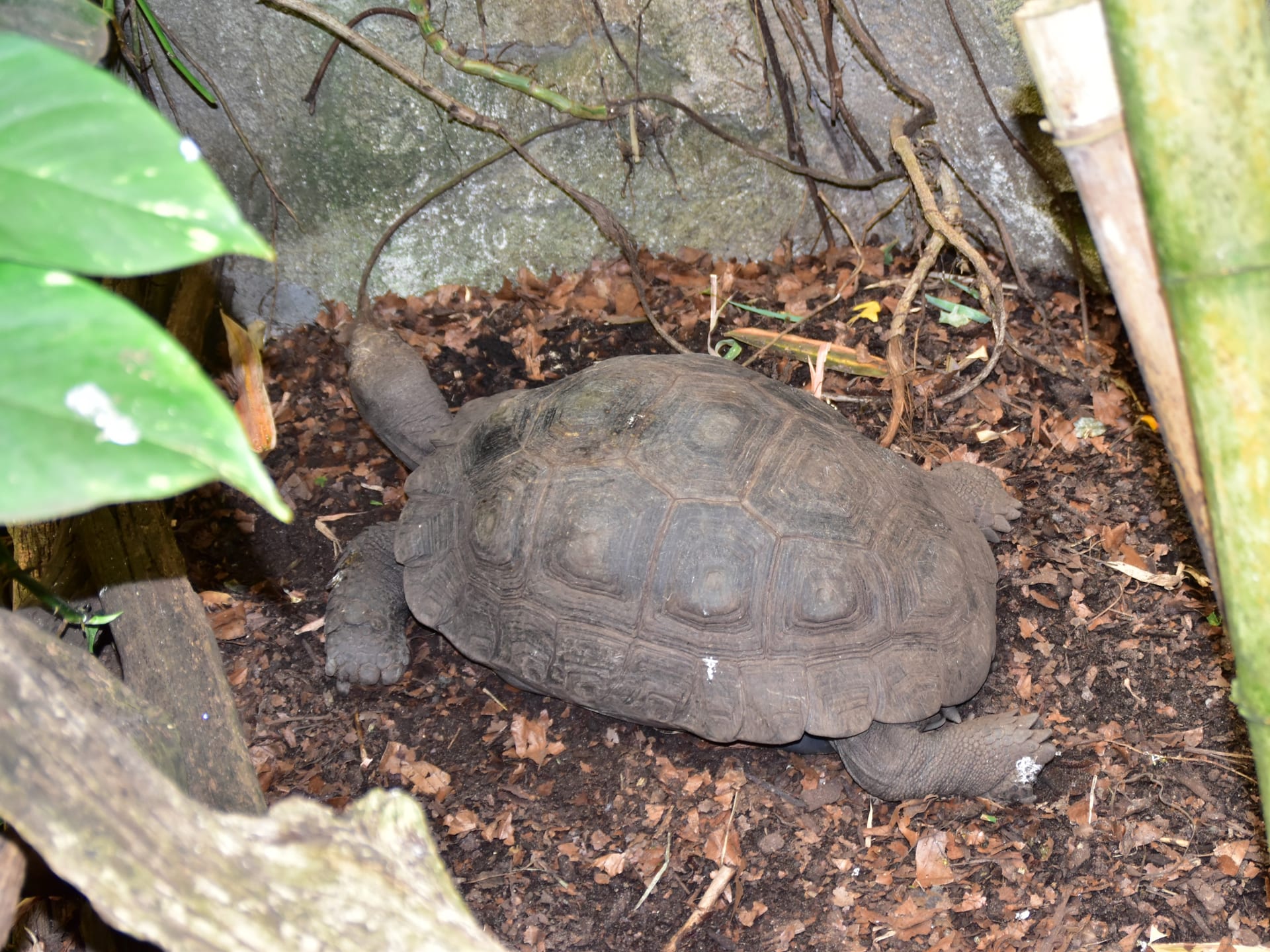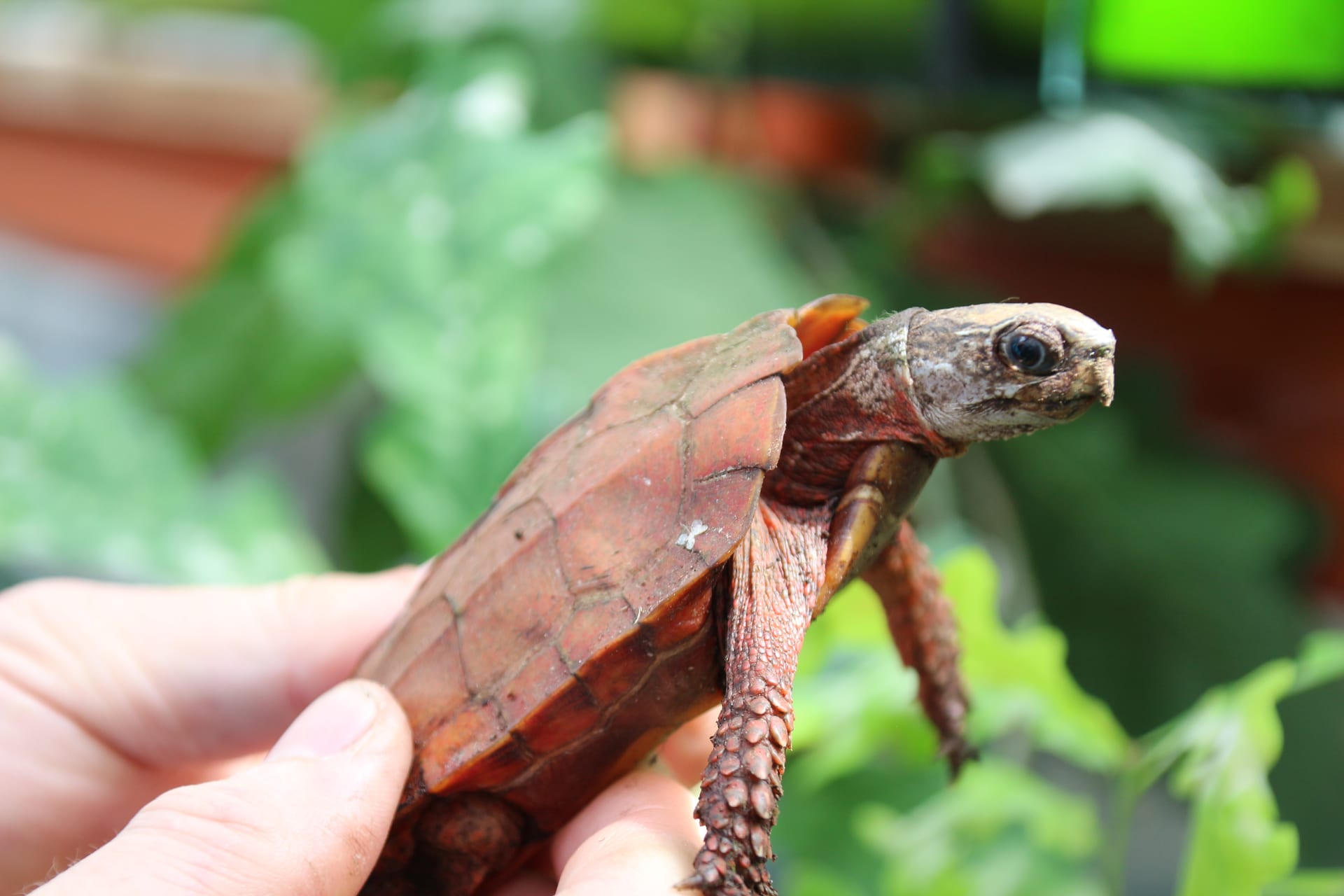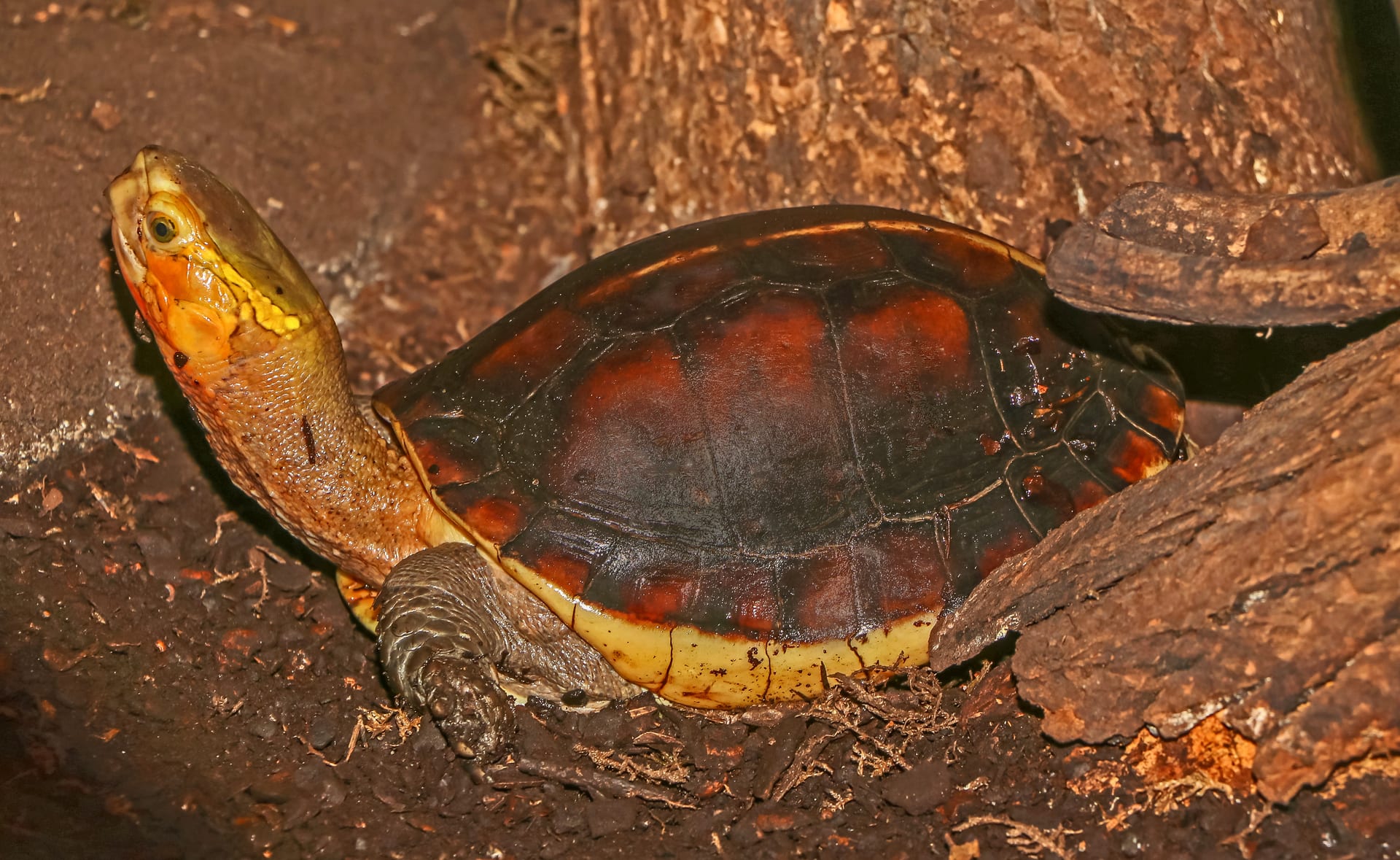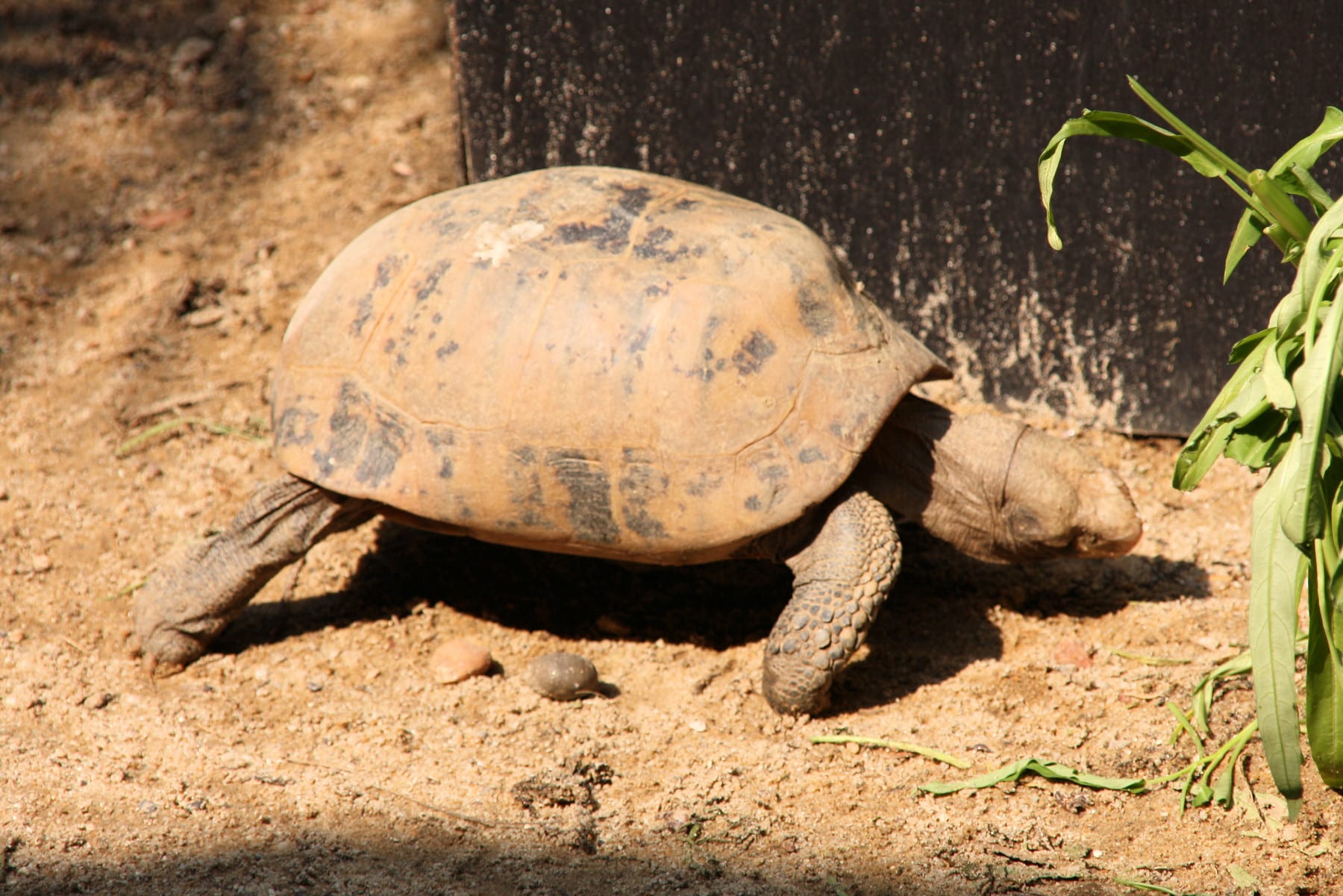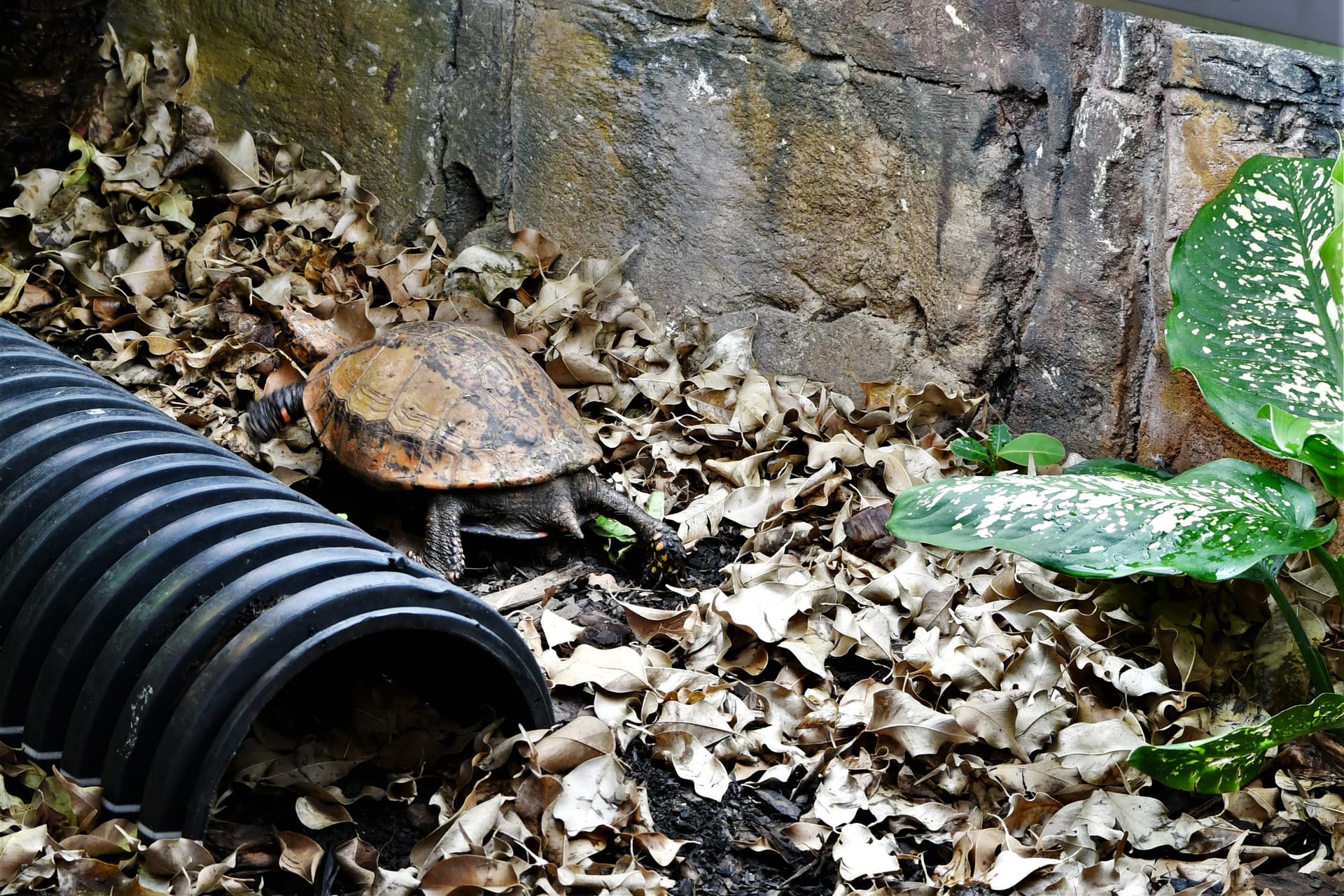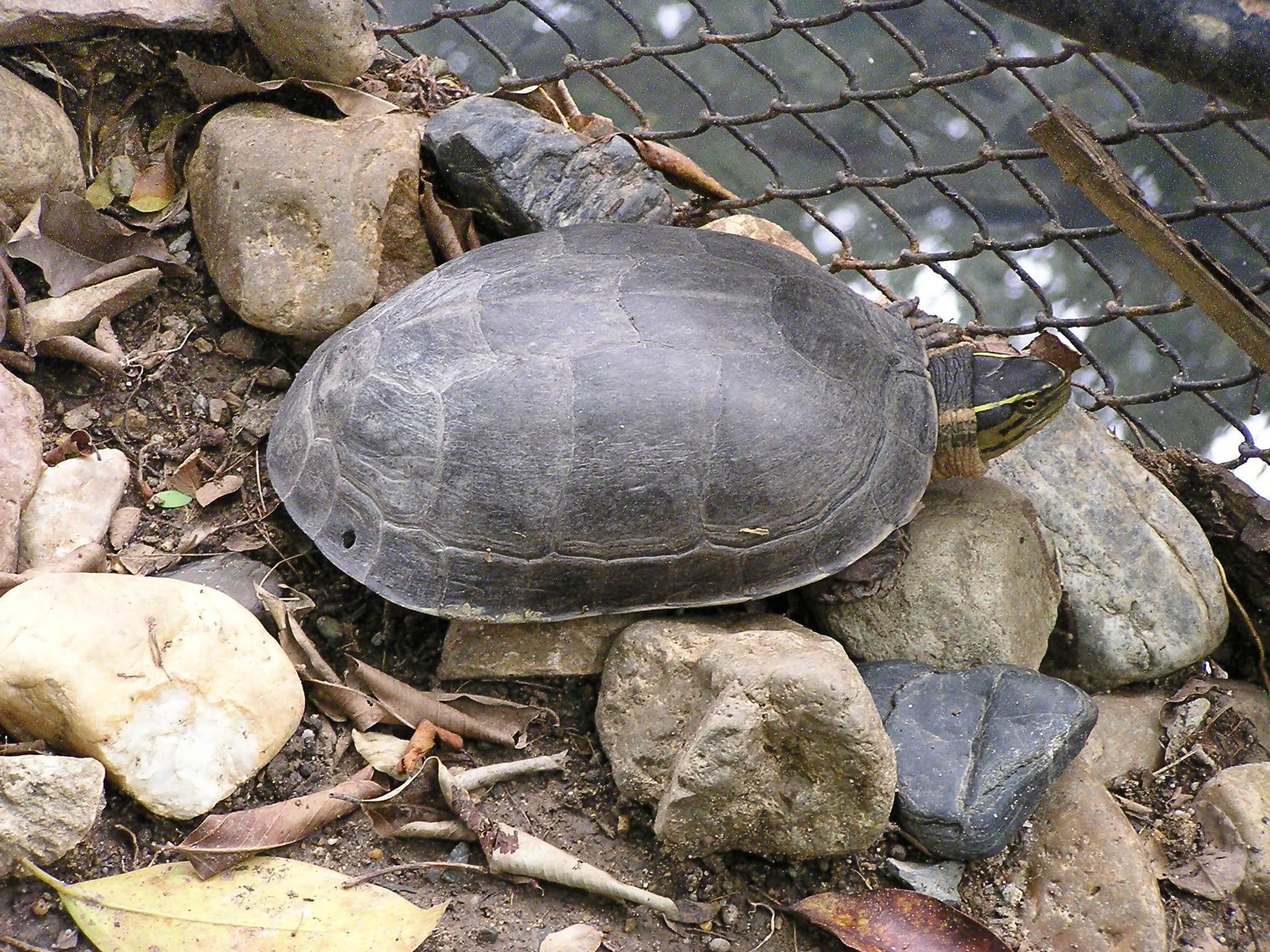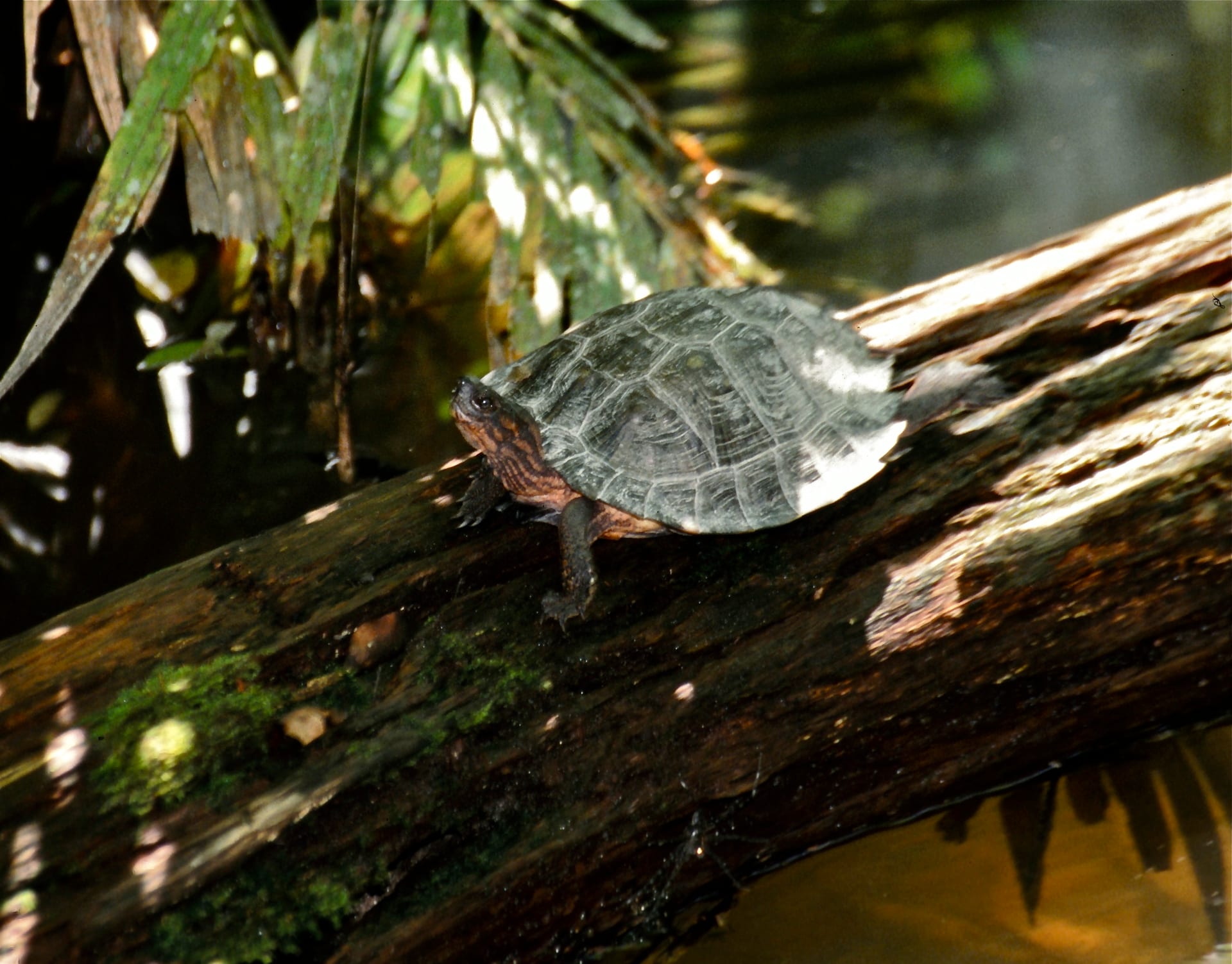
Source: Wikimedia Commons
Spiny Turtle
AdvancedHeosemys spinosa
The sharp spines on the marginal scutes of juveniles give the turtle its English and Japanese names, and the specific name spinosa means spiny. The spines disappear with growth. It is the smallest member of its genus, with a carapace to 22.5 cm.
Difficulty
Advanced
Temperature
25〜32℃
Lifespan
Maximum recorded longevity in captivity is 22 years
Size
Carapace 18-22.5cm
Humidity
40〜70%
Diet
Chopped vegetables, fruit and prepared pellets
About
Heosemys spinosa is the type species of its genus and the smallest member of it, with a carapace of 18-22.5 cm. The shell is rather flat and a broad barrel shape seen from above, brown with paler yellowish brown along the keel. The plastron is yellow to yellowish brown with radiating black markings. Its most striking feature is the shape of the juvenile: the marginal scutes end in sharp points and further spines run along the rear of the keel, the costal scutes and the front of the gular scutes. The specific name spinosa, meaning spiny, matches the English and Japanese names, and the spines are thought to deter predators. They are lost with growth and the carapace darkens. In adult females the joint between the rear of the carapace and plastron becomes ligamentous, giving the plastron some movement and making it easier to lay large eggs. Terrestrial, it lives around forest streams below 900 m and rests buried in leaf litter.
Source: Wikipedia (CC BY-SA 4.0)
Lifespan of the Spiny Turtle
The Spiny Turtle lives Maximum recorded longevity in captivity is 22 years.
Size of the Spiny Turtle
The Spiny Turtle grows to Carapace 18-22.5cm.
Basic Info
Origin
Sumatra and Borneo in Indonesia, Malaysia, Singapore, southern Thailand, southern Myanmar and the Philippines, around streams and pools in tropical rainforest and monsoon forest below 900 m
Lifespan
Maximum recorded longevity in captivity is 22 years
Size
Care Specifications
PeacefulSolitaryBreeding: Hard
Sources: Wikipedia (Japanese): Spiny turtle / Wikipedia (English): Spiny turtle / Reptile Database / AnAge: The Animal Ageing and Longevity Database
References & Sources
Edited & verified by: BreederDirect editorial team
The taxonomic, regulatory, and husbandry data on this page are compiled and verified against the authoritative primary sources below.
Primary sources
- Wikipedia
- CITES Appendices
- Ministry of the Environment: list of invasive alien species
- Order for Enforcement of the Act on Welfare and Management of Animals (designated dangerous animals)
- Wikipedia (Japanese): Spiny turtle
- Wikipedia (English): Spiny turtle
- Reptile Database
- AnAge: The Animal Ageing and Longevity Database
Taxonomy & Authority
Accepted name: Heosemys spinosa (Gray, 1831)
Synonyms: Emys spinosa Gray, 1831, Geoemyda spinosa (Boulenger, 1889), Heosemys spinosa (McDowell, 1964)
Authority databases: Reptile Database
Nomenclature follows global taxonomic authority databases.
Regulations & Conservation Status
CITES Appendix IIIUCN EN · Endangered
Listed in CITES Appendix II, effective February 13, 2003. Because of Appendix II status, no individual registration certificate under the international rare and endangered species regulation is required. It is not listed as a special animal under the Enforcement Ordinance of the Animal Welfare and Management Act, nor as a specified invasive species.
Sources: CITES Appendices / Ministry of the Environment: list of invasive alien species / Order for Enforcement of the Act on Welfare and Management of Animals (designated dangerous animals)
Regulations may change. Always verify the latest information with the relevant authorities.
Spiny Turtle Listings
Loading latest listingsFind listings for this species