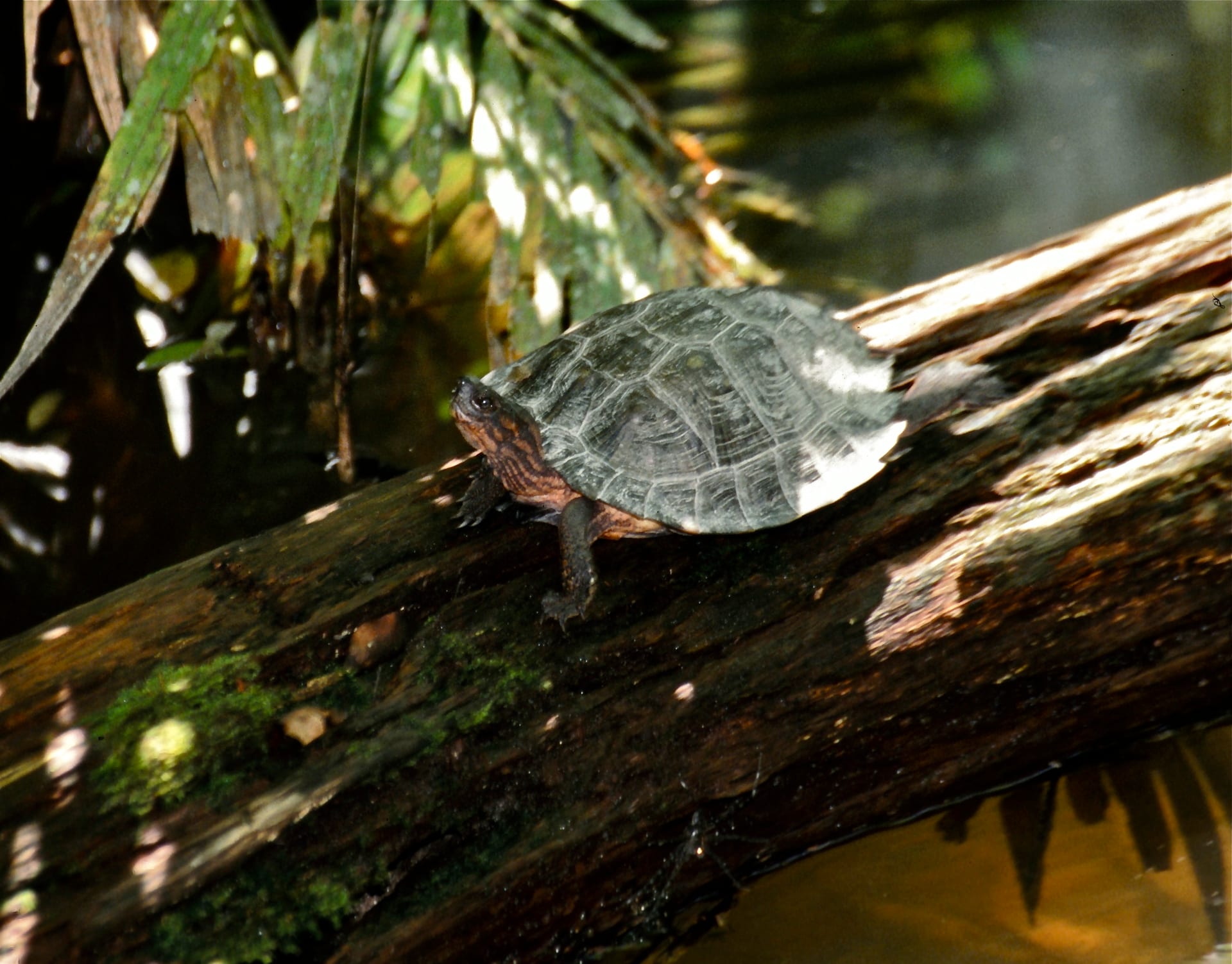
 © Bernard DUPONT from FRANCE / CC BY-SA 2.0
Spiny Turtle
The Spiny Turtle gets its name — in both Japanese and English — from the sharp, spine-like points along the rim of its shell as a juvenile. These spines gradually smooth out and disappear as the turtle matures. It's the smallest species in the Heosemys genus, staying compact even as an adult, with a maximum shell length of around 22.5 cm. Spiny Turtles tend to be quiet and shy, preferring to stay tucked away rather than out in the open. The longest recorded lifespan in captivity is 22 years, making this a long-term companion for the right keeper. That said, they call for careful humidity and temperature management, and are generally considered a species suited to experienced keepers.
View Spiny Turtle encyclopedia →0% commission on your first sales!Register by September 30, 2026 and your first 2 sales are commission-free!
Breeder Wanted!
List on BreederDirect and sell directly to customers nationwide!
6 Transparency Promises from Br-Choku
Every Reptiles & Amphibians from verified Breeder breeders includes complete information: morph, genetics, feeding requirements, and temperament details.
- Morph Information
- Actual Photos
- Feeding Information
- Temperament Information
- Genetics Information
- Age (Months)
Browse all 280 breeds
Difficulty Level
Feeding Type
Temperament
Verified breeders wanted for Reptiles & Amphibians
Breeders are signing up now ahead of launch. Subscribe to be notified when new listings go live.
Getting alerts is free with a member account. When new listings match your saved search, we'll notify you by email and in-app.
Browse other categories
Verified breeders (preview)
Are you raising reptiles & amphibians?
Register as a breeder and connect with buyers directly.
Apply as a breederAbout Spiny Turtle
The Spiny Turtle is the smallest Heosemys species, known for its spiky juvenile shell rim. Reaching up to 22.5 cm with captive lifespans up to 22 years, it's a species suited to experienced keepers.
7 things to know before welcoming a Spiny Turtle
1Juvenile spines fade with age
The sharp spines along the shell's edge are most visible in juveniles. As the turtle grows, these points gradually smooth over and become far less noticeable in adults.
2A small species, up to 22.5 cm
This is the smallest species in the Heosemys genus, with adults reaching a maximum shell length of about 18 to 22.5 cm. That modest size makes housing easier to manage than larger turtle species.
3Humidity control is essential
This species thrives in high-humidity conditions, so keeping enclosure moisture stable is essential. Letting the habitat dry out too much can lead to health problems, so regular monitoring matters.
4Quiet and prone to hiding
Spiny Turtles tend to be cautious and spend much of their time tucked out of sight. Providing several secure hiding spots in the enclosure helps them settle in.
5Best suited to experienced keepers
Because of the precise temperature and humidity control required, this species is generally recommended for keepers with prior reptile experience. It's important to have the habitat fully set up before bringing one home.
6A long-term companion
The longest known captive lifespan for this species is 22 years. It's worth considering whether you can commit to long-term care before bringing one home.
7Prepare the habitat in advance
Before bringing a Spiny Turtle home, it's best to have hiding spots, a water area, and equipment for maintaining proper humidity and temperature already set up. Careful preparation in advance helps you avoid scrambling to adjust conditions afterward.
Frequently asked questions about Spiny Turtle
- Q.Can a beginner keep a Spiny Turtle?
- A.Spiny Turtles are generally considered a species for experienced keepers. If you're not yet comfortable managing humidity and temperature carefully, it may be worth building up reptile-keeping experience first.
- Q.How long do the juvenile spines last?
- A.The sharp spines seen in juveniles gradually smooth out as the turtle grows. By adulthood they typically become much less prominent.
- Q.How big does a Spiny Turtle get as an adult?
- A.It's the smallest species in the Heosemys genus, with adults reaching a maximum shell length of about 18 to 22.5 cm. That's notably more compact than many larger turtle species.
- Q.What is the Spiny Turtle's lifespan?
- A.The longest recorded lifespan in captivity is 22 years. It's worth considering the long-term commitment involved before deciding to bring one home.
- Q.Is the Spiny Turtle subject to any international trade regulations?
- A.The Spiny Turtle is not listed under CITES. It falls outside the scope of that international trade regulation.
Useful tools for Spiny Turtle care
Learn more about Spiny Turtle in the encyclopedia
View Spiny Turtle encyclopedia entry →
Care difficulty, lifespan, size and diet — all basics covered.
More in this category
Can't find the one you're looking for?
Post your wishes for free and breeders with matching animals will contact you with introductions.