 © Brian Gratwicke / CC BY 2.0
Solomon Island Leaf Frog
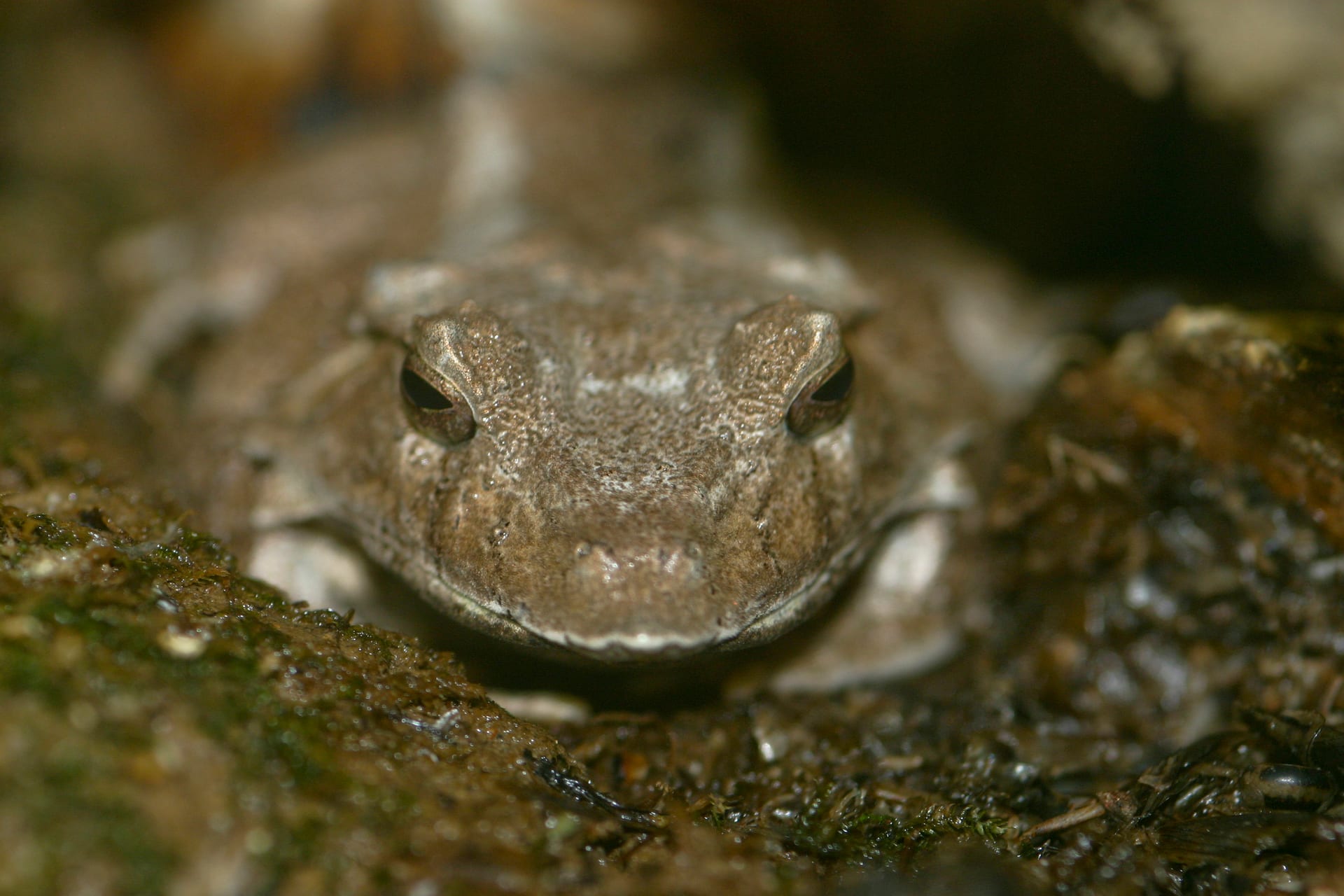
The Solomon Island leaf frog is a forest-floor species native to the Solomon Islands. Its sharply pointed snout and horn-like projections above the eyes, combined with mottled brown coloring, give it a striking resemblance to a dead leaf. Unlike most frogs, it skips the tadpole stage entirely, with froglets emerging directly from the egg. Adults reach about 6 to 10 cm, and their still, ambush-style presence gives them a distinctive charm. Considered a species for intermediate keepers, they reward owners who enjoy building a leaf-litter setup that highlights their camouflage.
View Solomon Island Leaf Frog encyclopedia →0% commission on your first sales!Register by September 30, 2026 and your first 2 sales are commission-free!
Breeder Wanted!
List on BreederDirect and sell directly to customers nationwide!
6 Transparency Promises from Br-Choku
Every Reptiles & Amphibians from verified Breeder breeders includes complete information: morph, genetics, feeding requirements, and temperament details.
- Morph Information
- Actual Photos
- Feeding Information
- Temperament Information
- Genetics Information
- Age (Months)
Browse all 280 breeds
Difficulty Level
Feeding Type
Temperament
Verified breeders wanted for Reptiles & Amphibians
Breeders are signing up now ahead of launch. Subscribe to be notified when new listings go live.
Getting alerts is free with a member account. When new listings match your saved search, we'll notify you by email and in-app.
Browse other categories
Verified breeders (preview)
Are you raising reptiles & amphibians?
Register as a breeder and connect with buyers directly.
Apply as a breederSolomon Island Leaf Frog key facts
- Care level
- Intermediate
- Lifespan
- 5-9 years
- Size
- 6-10cm
- Temperature
- 21〜29℃
- Humidity
- 50〜70%
- Diet
- Crickets, insects, small amphibians and reptiles
- Temperature & Humidity
- It tolerates 21-29 C, with about 26-27 C ideal; above 32 C can kill quickly. Hold humidity at 50-70%. It endures around 30% briefly, but only with water always available.
- Enclosure
- About 60 x 45 x 45 cm suits one to three adults. Use deep leaf litter with hides and a shallow water dish. Allow roughly 75 L of space per adult.
- Diet & Feeding
- Crickets and other insects form the staple, and large individuals also take small amphibians and reptiles. As an ambush predator it pounces readily on anything that moves.
- Temperament
- A powerful jumper that pounces fast from ambush. Juveniles can be reared in groups, but once they mature at ten to twelve months they eat conspecifics, so adults are kept in pairs. Females fight one another.
- Notes
- It can injure its pointed snout by striking the enclosure when jumping, which invites bacterial infection, so pad transport containers and walls. Most trade animals are wild caught, though captive-bred stock is increasing.
About Solomon Island Leaf Frog
A leaf-mimicking frog endemic to the Solomon Islands, known for its pointed snout and horn-like projections. Froglets hatch directly from eggs, skipping the tadpole stage. Best suited to intermediate keepers.
7 things to know before welcoming a Solomon Island Leaf Frog
1Built to mimic a dead leaf
The pointed snout, horn-like projections above the eyes, and mottled brown pattern are all adaptations for blending into forest-floor leaf litter. Recreating this with dry leaves and driftwood in the enclosure not only suits the frog but also makes it easier to appreciate its camouflage.
2No tadpole stage
Unlike most frogs, this species undergoes direct development, with froglets hatching straight from the egg rather than passing through a tadpole stage. This removes the need to raise aquatic tadpoles, but eggs and newly hatched froglets still require specific humidity and environmental conditions.
3A sit-and-wait ambush hunter
This frog is not an active mover — it tends to stay motionless among leaf litter, waiting for prey to come close. Expect long stretches of stillness rather than frequent activity, and enjoy its quiet presence rather than looking for constant movement.
4Adult size and enclosure space
Adults grow to roughly 6 to 10 cm. Since they're typically kept singly, an oversized enclosure isn't strictly necessary, but choosing a cage with enough floor space for leaf litter and hiding spots will help the setup feel natural.
5Suited to intermediate keepers
This species is generally considered suitable for intermediate keepers. Those with some prior amphibian-keeping experience — particularly with humidity management and reading a frog's condition — should find it manageable, though it may be a bit demanding as a first amphibian.
6Make health checks a habit
Because it's easy to overlook amid leaf litter, use feeding and misting time as an opportunity to check its skin condition, coloring, and responsiveness. Getting familiar with its usual hiding spot and posture makes it easier to notice changes early.
7Prepare the setup before bringing one home
Setting up the leaf litter, hiding spots, and humidity-retention equipment suited to a forest-floor frog before bringing one home reduces stress during the transition. After arrival, prioritize letting it settle into its new environment rather than handling it right away.
Frequently asked questions about Solomon Island Leaf Frog
- Q.Is this species listed under CITES?
- A.The Solomon Island leaf frog is not listed under CITES. There is nothing further to note on this point.
- Q.Do I need to raise it from a tadpole?
- A.No, this species skips the tadpole stage entirely — froglets hatch directly from the egg. This means there's no aquatic tadpole-rearing stage to manage.
- Q.Is this frog suitable for beginners?
- A.This species is generally rated as suitable for intermediate keepers. Having basic amphibian-keeping knowledge and some experience with humidity management will help ensure a smooth start.
- Q.How large does it grow as an adult?
- A.Adults reach approximately 6 to 10 cm in size. Use this as a guide when planning enclosure space.
- Q.Will it be active and visible often?
- A.This frog tends to stay still among leaf litter as it waits for prey, rather than moving around actively. It's best enjoyed by observing its quiet, patient presence rather than expecting frequent movement.
Useful tools for Solomon Island Leaf Frog care
Learn more about Solomon Island Leaf Frog in the encyclopedia
View Solomon Island Leaf Frog encyclopedia entry →
Care difficulty, lifespan, size and diet — all basics covered.
More in this category
Can't find the one you're looking for?
Post your wishes for free and breeders with matching animals will contact you with introductions.