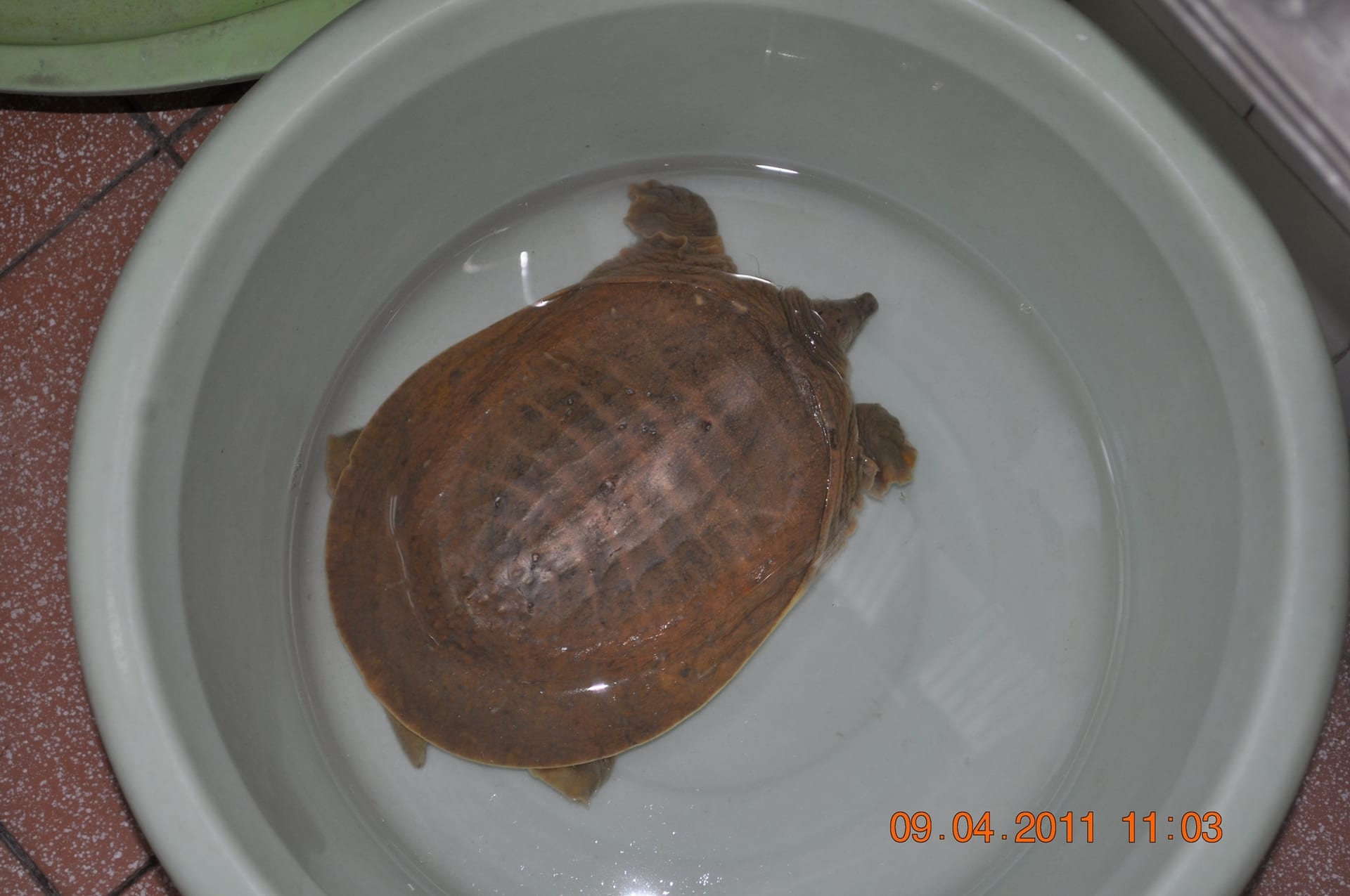
 © Zinogre / CC BY 4.0
Chinese Softshell Turtle
The Chinese softshell turtle is known for its shell surface, which lacks the hard keratinized scutes of typical turtles and instead has a soft, leathery texture — the very trait behind its "softshell" name. It breathes by poking its long, snorkel-like snout above the water's surface while its body stays buried in the sandy or muddy substrate below, waiting to ambush prey. Watching it lie hidden with just its nose exposed has real charm, but it has a powerful bite and should always be handled with care. Considered suited to intermediate keepers, it rewards those ready to engage closely with a distinctive aquatic species.
View Chinese Softshell Turtle encyclopedia →0% commission on your first sales!Register by September 30, 2026 and your first 2 sales are commission-free!
Breeder Wanted!
List on BreederDirect and sell directly to customers nationwide!
6 Transparency Promises from Br-Choku
Every Reptiles & Amphibians from verified Breeder breeders includes complete information: morph, genetics, feeding requirements, and temperament details.
- Morph Information
- Actual Photos
- Feeding Information
- Temperament Information
- Genetics Information
- Age (Months)
Browse all 280 breeds
Difficulty Level
Feeding Type
Temperament
Verified breeders wanted for Reptiles & Amphibians
Breeders are signing up now ahead of launch. Subscribe to be notified when new listings go live.
Getting alerts is free with a member account. When new listings match your saved search, we'll notify you by email and in-app.
Browse other categories
Verified breeders (preview)
Are you raising reptiles & amphibians?
Register as a breeder and connect with buyers directly.
Apply as a breederChinese Softshell Turtle key facts
- Care level
- Intermediate
- Lifespan
- 15-30 years
- Size
- Carapace to 33cm in females and 27cm in males; Japanese populations reach 38.5cm, with rare records to 60cm
- Diet
- Prepared pellets, fish, amphibians, crustaceans, molluscs and occasionally aquatic plants
- Temperature & Humidity
- It ranges across temperate and subtropical East Asia, and native Japanese populations hibernate. If heating the water, avoid sudden changes.
- Enclosure
- It buries itself, so keep it in an aquarium with a deep layer of fine sand. Powerful filtration is essential, and because it is prone to skin disease the water and substrate must be kept clean. Keep the water shallow enough for the snout to reach the surface and provide a basking area.
- Diet & Feeding
- Omnivorous with a strong carnivorous bias, taking fish, amphibians, crustaceans and molluscs. Captive animals accept prepared pellets. Overfeeding fouls the water quickly.
- Temperament
- Handled animals bite in self-defence. The jaws are powerful and the turtle tries to pull its head back under the shell while still holding on, so handle it with great care. Cannibalism occurs, so house it singly as a rule.
- Notes
- The species is not currently on any CITES appendix; China listed it on Appendix III in 2005 but the listing was later removed. It is neither a designated dangerous animal nor an invasive alien species in Japan. Native and farm-derived animals are already mixed in Japanese waters, so never release or abandon animals outdoors.
About Chinese Softshell Turtle
Chinese softshell turtles feature a soft, leathery shell and a burrowing, ambush lifestyle. A strong-biting species suited to intermediate keepers.
7 things to know before welcoming a Chinese Softshell Turtle
1The Soft Shell Surface
Unlike hard-shelled turtles, the Chinese softshell's shell surface is not keratinized and has a leathery, pliable texture. Because of this, tank decor and handling should be chosen carefully to avoid scrapes or injuries to the shell.
2A Powerful, Cautious Bite
This species has a strong bite and may snap when startled or provoked. Handle it calmly during routine care and maintenance, and avoid bringing hands too close without caution.
3A Burrowing Nature
It naturally buries itself in sand or mud at the bottom of the water to lie in wait for prey. Providing a substrate deep enough to burrow into lets it display this natural behavior — just remember to check on its condition even when it's out of sight.
4Snorkel-Style Breathing
It breathes by extending its long snout just above the water's surface, letting it take in air while staying hidden underwater. Watching this snorkeling behavior is one of the real pleasures of keeping this species.
5Why It Suits Intermediate Keepers
This species is rated as suited to intermediate keepers. Managing water quality and handling its bite risk are best approached by someone with some prior turtle-keeping experience rather than a first-time keeper.
6Plan for Its Adult Size
Adults reach a carapace length of up to about 33 cm in females and 27 cm in males. Some Japanese populations have recorded even larger sizes, so it's important to prepare housing that can accommodate its eventual adult size.
7Preparing the Habitat in Advance
Before bringing one home, set up a habitat suited to its natural behavior — burrowable substrate, a basking or land area, and filtration to maintain water quality. It's generally best kept as a single animal per enclosure.
Frequently asked questions about Chinese Softshell Turtle
- Q.Does the Chinese softshell turtle bite?
- A.Yes, it has a strong bite and may snap when startled. Handle it calmly during care and avoid bringing your hands too close without caution.
- Q.Is this species suitable for beginners?
- A.It's rated as suited to intermediate keepers rather than beginners, since water quality management and handling its bite require some prior experience.
- Q.How large does it grow?
- A.Adults typically reach a carapace length of up to about 33 cm in females and 27 cm in males, with some Japanese populations recorded even larger.
- Q.Why is the shell soft rather than hard?
- A.Its shell surface lacks the hard keratinized layer seen in most turtles and instead has a leathery texture — the very trait behind its English name, "softshell."
- Q.Is this species subject to any trade regulations?
- A.This species is not listed under CITES.
Useful tools for Chinese Softshell Turtle care
Learn more about Chinese Softshell Turtle in the encyclopedia
View Chinese Softshell Turtle encyclopedia entry →
Care difficulty, lifespan, size and diet — all basics covered.
Chinese Softshell Turtle related articles
See more Chinese Softshell Turtle articles →More in this category
Can't find the one you're looking for?
Post your wishes for free and breeders with matching animals will contact you with introductions.