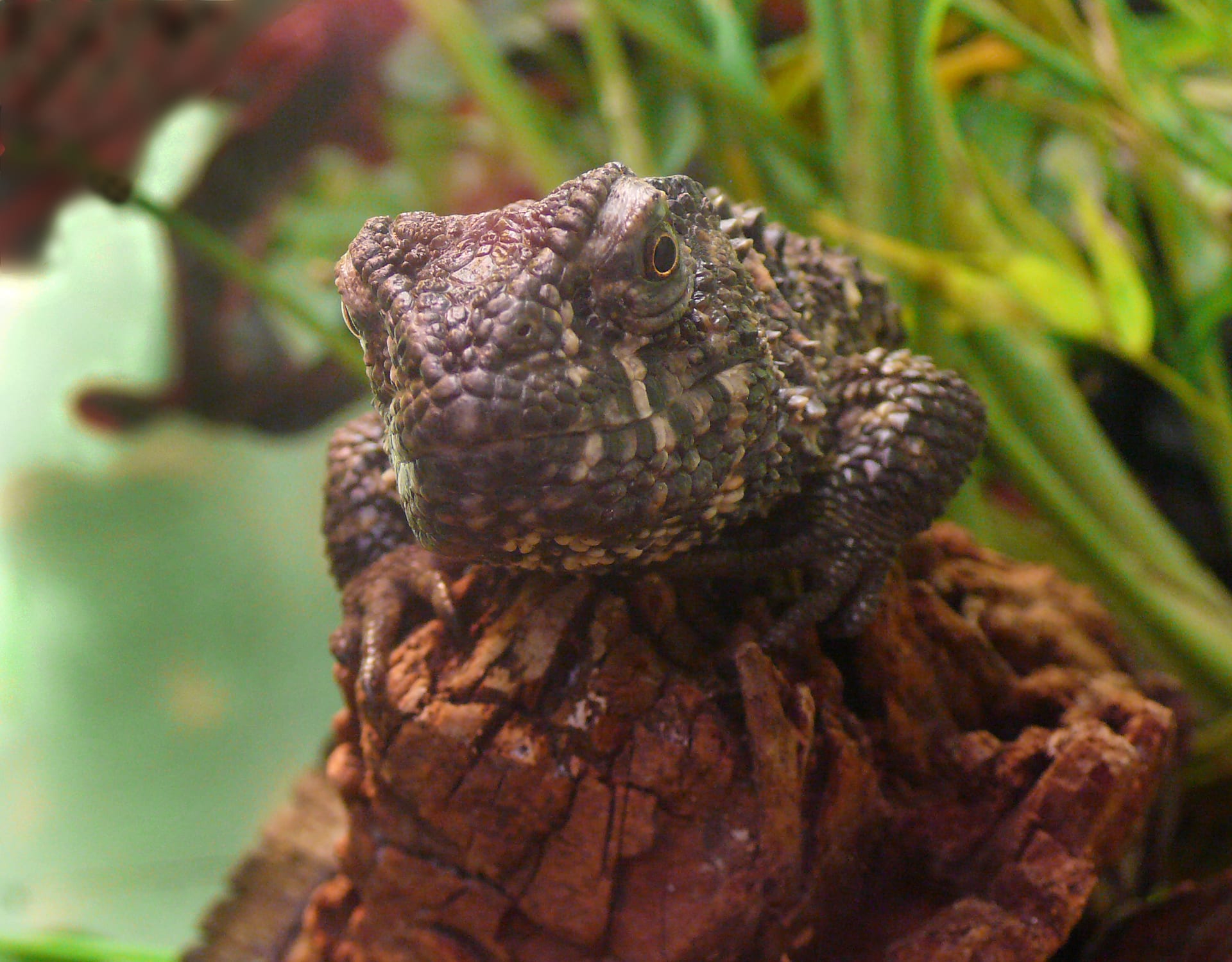
 © TimVickers / Public domain
Chinese Crocodile Lizard
The Chinese crocodile lizard is a semi-aquatic lizard native to fast-flowing streams in southern China and northeastern Vietnam. Its name comes from the raised, bony scales running along its back and tail, which give it a crocodile-like appearance. Adults typically reach 40 to 46 cm in length, with males growing slightly larger than females. Coloring is generally brown, and some individuals show red or yellow markings, adding natural variety between animals. While generally calm in temperament, this species requires careful attention to water quality and enclosure setup, making it best suited to experienced reptile keepers rather than beginners.
View Chinese Crocodile Lizard encyclopedia →0% commission on your first sales!Register by September 30, 2026 and your first 2 sales are commission-free!
Breeder Wanted!
List on BreederDirect and sell directly to customers nationwide!
6 Transparency Promises from Br-Choku
Every Reptiles & Amphibians from verified Breeder breeders includes complete information: morph, genetics, feeding requirements, and temperament details.
- Morph Information
- Actual Photos
- Feeding Information
- Temperament Information
- Genetics Information
- Age (Months)
Browse all 280 breeds
Difficulty Level
Feeding Type
Temperament
Verified breeders wanted for Reptiles & Amphibians
Breeders are signing up now ahead of launch. Subscribe to be notified when new listings go live.
Getting alerts is free with a member account. When new listings match your saved search, we'll notify you by email and in-app.
Browse other categories
Verified breeders (preview)
Are you raising reptiles & amphibians?
Register as a breeder and connect with buyers directly.
Apply as a breederChinese Crocodile Lizard key facts
- Care level
- Advanced
- Lifespan
- Well over 10 years in captivity; one imported male was estimated by its keeper at more than 15 years
- Size
- Total length 40-46cm, males slightly larger
- Temperature
- Diet
- Carnivorous: insects, earthworms, tadpoles, small fish and frogs
- Temperature & Humidity
- In the wild it lives at 200-760 m, where summer air temperatures peak at 38 C, winters fall to -4 C and the day-night swing is wide. In captivity hold the water at 19-27 C, then from around November lower it to about 15 C for a hibernation of three to four months; this winter cooling is regarded as essential for captive breeding. Its habitat receives some 2,000 mm of rain a year and is almost permanently shrouded in mist, so keep humidity high.
- Enclosure
- Semiaquatic, so use an aquaterrarium that combines land and water. In one successful breeding setup a cage of about 91 x 36 x 36 cm gave a third of its floor to a water basin roughly 6 cm deep, with branches arranged to overhang the water. Always provide basking branches and retreats that let the animal hide, such as a hollow log or loose bark.
- Diet & Feeding
- A sit-and-wait predator that watches for prey from branches overhanging the water, taking insects, earthworms, tadpoles, small fish and frogs. In captivity crickets, mealworms and earthworms form the bulk of the diet. Juveniles take the same foods in smaller sizes.
- Temperament
- Strongly territorial: in the wild a single lizard usually occupies an entire pool or stretch of stream. Dominance is settled by gaping, tail-swinging and a push-up display in which the forelimbs are straightened. It does not tolerate company, so house it singly except when breeding.
- Notes
- It has been listed on CITES Appendix I since 2 January 2017. Under Japan's Species Conservation Act it is an internationally endangered species, and transferring one within Japan requires an individual registration certificate; trading or transferring an unregistered animal breaches that Act. It is neither a specified animal nor an invasive alien species under Japanese law. It was placed on Appendix II on 18 January 1990 and moved to Appendix I in 2017 as poaching and international trade increased. Although its lineage is close to the helodermatid lizards, a 2023 proteomic analysis of its mandibular glands found no toxin-related proteins, so it is not venomous. Wild-caught animals have repeatedly been reported sold as captive-bred, so always check the registration certificate and the origin. Rearing the young is difficult and genuinely captive-bred animals rarely reach the market.
About Chinese Crocodile Lizard
An introduction to the Chinese crocodile lizard, a semi-aquatic species from southern China and Vietnam, covering its traits, temperament, and key care basics for prospective keepers.
7 things to know before welcoming a Chinese Crocodile Lizard
1A Semi-Aquatic Setup
Because this species lives along fast-flowing streams, its enclosure needs both a land area and a water area. Keeping the water clean requires ongoing filtration and water changes, making the setup itself a major part of care.
2Suited to Experienced Keepers
The Chinese crocodile lizard is generally considered an advanced-level species to keep. Beyond basic reptile care knowledge, keepers should be comfortable managing the specific demands of a semi-aquatic setup.
3A Calm but Wary Nature
These lizards tend to have a fairly calm temperament, but they will dive into water and hide when startled. Providing hiding spots and cover helps keep them relaxed in their enclosure.
4Know the Adult Size
Adults grow to about 40 to 46 cm in length, with males typically slightly larger than females. Make sure your enclosure plans account for this size before bringing one home.
5A Long-Term Commitment
In captivity, these lizards commonly live 10 years or more, and some keepers report individuals surpassing 15 years. Consider the long-term lifestyle commitment before deciding to keep one.
6Watch Skin and Shedding
The bony, ridged scales that give this species its name also offer visual cues about its health. Keep an eye on shedding and skin condition so you can notice changes early.
7Prepare the Habitat First
Set up the land-and-water enclosure fully before bringing your lizard home. Give a new arrival time to settle in quietly, and avoid handling it too soon.
Frequently asked questions about Chinese Crocodile Lizard
- Q.Can beginners keep a Chinese crocodile lizard?
- A.This species is generally considered suited to experienced keepers rather than beginners. Managing its semi-aquatic setup and maintaining water quality both require specialized knowledge, so it's best approached after some reptile-keeping experience.
- Q.How big do Chinese crocodile lizards get?
- A.Adults typically reach about 40 to 46 cm in length. Males tend to grow slightly larger than females.
- Q.How long do they live?
- A.In captivity, they commonly live 10 years or more, with some keepers reporting individuals living past 15 years. Prospective owners should be prepared for a long-term commitment.
- Q.Are they aggressive or calm?
- A.They tend to have a fairly calm temperament, but will retreat into water and hide when startled. Providing a quiet hiding spot helps them feel secure.
- Q.Are there any legal regulations to know about?
- A.Chinese Crocodile Lizard is listed in CITES Appendix I. In Japan it is an "internationally endangered species" under the Act on Conservation of Endangered Species of Wild Fauna and Flora, so only registered individuals may be sold or transferred, and the registration certificate goes with the animal. Always check that the certificate is provided.
Useful tools for Chinese Crocodile Lizard care
Learn more about Chinese Crocodile Lizard in the encyclopedia
View Chinese Crocodile Lizard encyclopedia entry →
Care difficulty, lifespan, size and diet — all basics covered.
More in this category
Can't find the one you're looking for?
Post your wishes for free and breeders with matching animals will contact you with introductions.