 © FakirNL / CC BY-SA 4.0
Yellow-Footed Tortoise
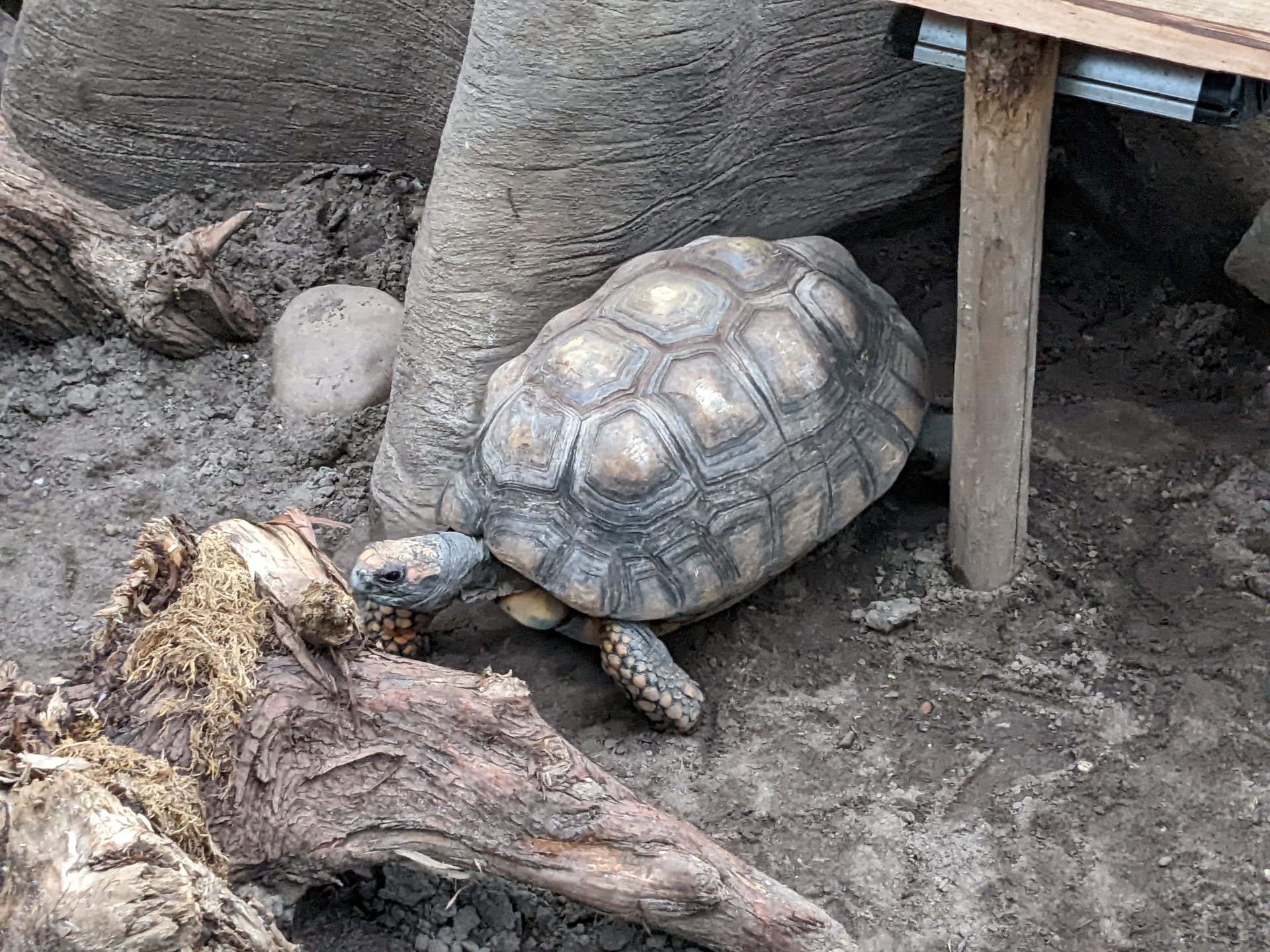
The Yellow-Footed Tortoise is South America's largest tortoise, named for the yellow and orange markings on the large scales of its front legs. Calm and even-tempered, it tends to settle well with attentive keepers, making for a rewarding long-term companion. Because it grows large and can live 50 years or more under proper care, prospective owners need a housing plan built for the long haul. It's a tortoise best suited to experienced keepers ready for that commitment.
View Yellow-Footed Tortoise encyclopedia →0% commission on your first sales!Register by September 30, 2026 and your first 2 sales are commission-free!
Breeder Wanted!
List on BreederDirect and sell directly to customers nationwide!
6 Transparency Promises from Br-Choku
Every Reptiles & Amphibians from verified Breeder breeders includes complete information: morph, genetics, feeding requirements, and temperament details.
- Morph Information
- Actual Photos
- Feeding Information
- Temperament Information
- Genetics Information
- Age (Months)
Browse all 280 breeds
Difficulty Level
Feeding Type
Temperament
Verified breeders wanted for Reptiles & Amphibians
Breeders are signing up now ahead of launch. Subscribe to be notified when new listings go live.
Getting alerts is free with a member account. When new listings match your saved search, we'll notify you by email and in-app.
Browse other categories
Verified breeders (preview)
Are you raising reptiles & amphibians?
Register as a breeder and connect with buyers directly.
Apply as a breederYellow-Footed Tortoise key facts
- Care level
- Advanced
- Lifespan
- Fifty years or more under good care, commonly given as 50-60 years
- Size
- Carapace up to 82cm, though most animals reach about 35cm
- Temperature
- Diet
- Leafy greens, fruit, flowers, mushrooms, tortoise diet and a small amount of animal protein
- Temperature & Humidity
- Hold the basking spot at 29-32 C and use full-spectrum UVB lighting alongside. It is intolerant of dry air, where it can suffer poor growth, constipation and urinary stones, so keep the humidity up with a moisture-retaining substrate and regular misting.
- Enclosure
- It grows large and is active, so it is unsuited to an ordinary home unless a very large space is available. Enclosure walls should be 30-45 cm high depending on the size of the animal, and the substrate about 2.5 cm deep for hatchlings and no more than 7.5 cm for adults.
- Diet & Feeding
- Omnivorous with a strong plant bias: build the diet on flowers and fruit with leaves, roots, bark, grasses and mushrooms. It also takes a small amount of animal food such as insects and land snails.
- Temperament
- A male in breeding condition draws alongside another tortoise and bobs its head in challenge, and rivals that answer ram and try to overturn each other. Males also bite females that refuse to mate, so keeping animals singly is safer unless breeding is intended.
- Notes
- The family Testudinidae was listed on CITES Appendix II in 1977, the current listing effective 2 January 2017. Appendix II species need no individual registration certificate in Japan, and this one is neither a designated dangerous animal nor an invasive alien species. Habitat loss and collection for food and the pet trade have caused a steep decline.
About Yellow-Footed Tortoise
The Yellow-Footed Tortoise, South America's largest tortoise, is known for yellow leg markings, a 50+ year lifespan, and its status as an advanced-keeper species.
7 things to know before welcoming a Yellow-Footed Tortoise
1Requires Ample Enclosure Space
Adults typically reach around 35 cm in carapace length, with the largest individuals growing up to 82 cm. Plan your enclosure and living space with full adult size in mind from the very start.
2A Lifelong Commitment of 50+ Years
With proper care, this species is thought to live 50 to 60 years or more. Before bringing one home, think through long-term plans such as future moves or who will continue caring for it down the line.
3Temperature and Humidity Management Is Key
Originating from South American forest habitats, this species needs an environment that avoids excessive dryness along with proper heating equipment. Create a temperature and humidity gradient in the enclosure and check it daily.
4Calm and People-Friendly Temperament
This species has a relatively calm temperament and may approach its keeper once accustomed to them. It suits an unhurried keeping style built around gradually earning the tortoise's trust.
5A Plant-Based Diet Requires Planning
The diet is centered on plant matter such as vegetables, fruit, and wild greens. Keepers need to rotate a variety of foods to keep the nutritional balance from becoming skewed.
6Make a Habit of Checking the Shell
This tortoise has a distinctive shell with saw-toothed marginal scutes. Make it a habit to regularly observe the shell's condition and any changes as part of routine health checks.
7Prepare Equipment and Knowledge Beforehand
As this species is considered suitable for experienced keepers, it's reassuring to gather information and consult experienced keepers in advance, in addition to preparing a full set of husbandry equipment. Take the time to prepare fully before bringing one home.
Frequently asked questions about Yellow-Footed Tortoise
- Q.Can beginners keep a Yellow-Footed Tortoise?
- A.The Yellow-Footed Tortoise is considered suitable for experienced keepers. Its large adult size, long lifespan, and demanding temperature and humidity requirements make it better suited to those with prior tortoise-keeping experience.
- Q.How big does it eventually grow?
- A.Most individuals grow to around 35 cm in carapace length. Some can reach up to 82 cm, so it's important to plan enclosure space with full adult size in mind.
- Q.How long can I expect to live alongside one?
- A.Under proper care, it's thought to live 50 years or more, often cited as 50 to 60 years. Consider that this may be a relationship spanning much of a human lifetime.
- Q.What is its temperament like?
- A.It's generally described as calm and can become accustomed to people. That said, individual personalities vary, so it's important to observe each tortoise's own behavior after bringing it home.
- Q.Where do the yellow markings that give it its name appear?
- A.Yellow and orange markings appear on the large scales of the front legs, which is the source of both its Japanese and English names. The exact coloring can vary between individuals.
Useful tools for Yellow-Footed Tortoise care
Learn more about Yellow-Footed Tortoise in the encyclopedia
View Yellow-Footed Tortoise encyclopedia entry →
Care difficulty, lifespan, size and diet — all basics covered.
More in this category
Can't find the one you're looking for?
Post your wishes for free and breeders with matching animals will contact you with introductions.