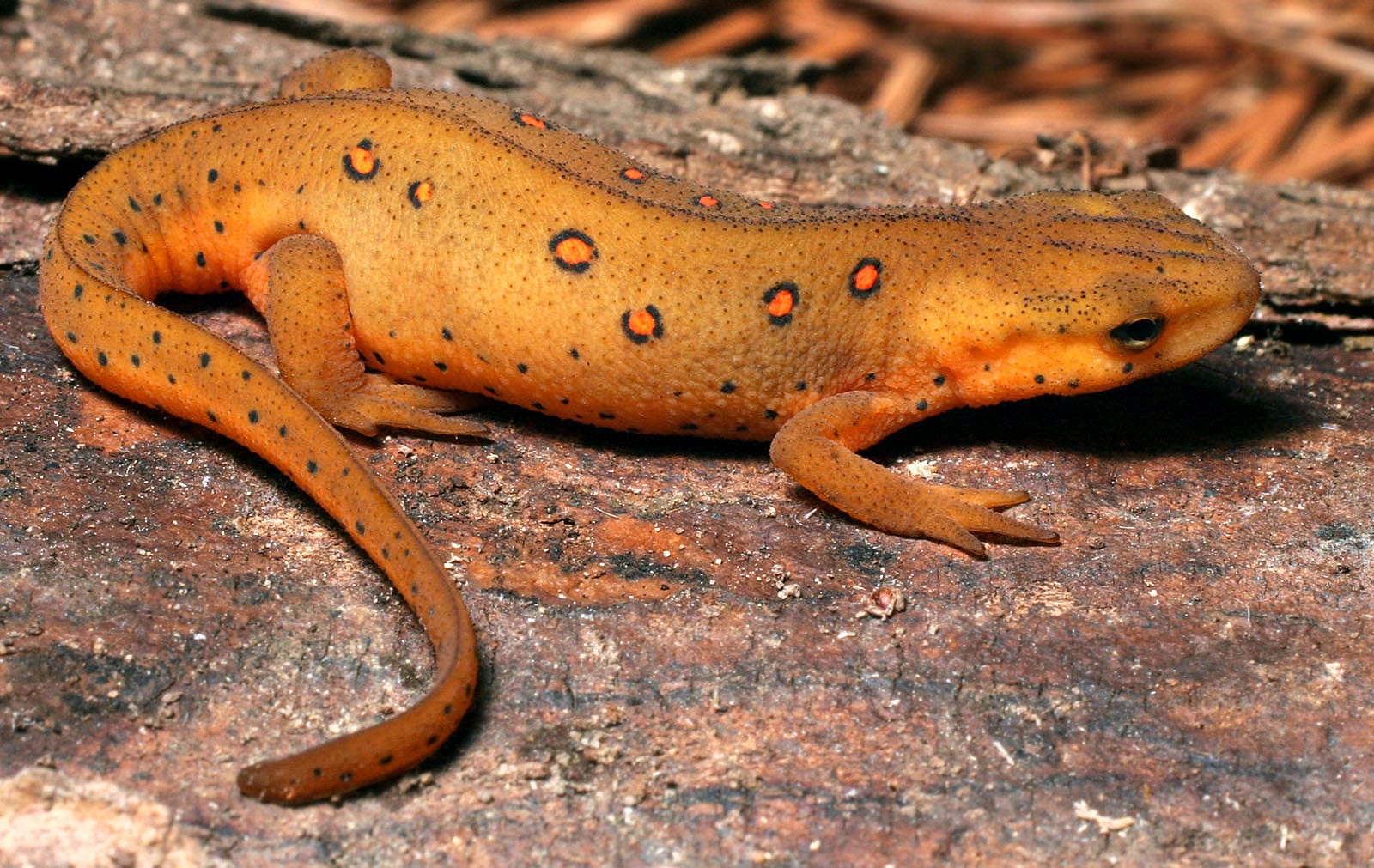
 © Patrick Coin (Patrick Coin) / CC BY-SA 2.5
Eastern Newt
The Eastern Newt is a small salamander native to a wide swath of eastern North America, known for its olive-green skin dotted with black-ringed red spots. What makes this species especially fascinating is its three-stage life cycle: after hatching in water, juveniles transform into a strikingly orange, land-dwelling stage called a "red eft" before eventually returning to ponds and streams as aquatic adults. Calm and unfazed by observation, Eastern Newts are considered well suited to beginner keepers. With a lifespan of 12 to 15 years, they offer a long-term chance to watch each life stage unfold up close.
View Eastern Newt encyclopedia →0% commission on your first sales!Register by September 30, 2026 and your first 2 sales are commission-free!
Breeder Wanted!
List on BreederDirect and sell directly to customers nationwide!
6 Transparency Promises from Br-Choku
Every Reptiles & Amphibians from verified Breeder breeders includes complete information: morph, genetics, feeding requirements, and temperament details.
- Morph Information
- Actual Photos
- Feeding Information
- Temperament Information
- Genetics Information
- Age (Months)
Browse all 280 breeds
Difficulty Level
Feeding Type
Temperament
Verified breeders wanted for Reptiles & Amphibians
Breeders are signing up now ahead of launch. Subscribe to be notified when new listings go live.
Getting alerts is free with a member account. When new listings match your saved search, we'll notify you by email and in-app.
Browse other categories
Verified breeders (preview)
Are you raising reptiles & amphibians?
Register as a breeder and connect with buyers directly.
Apply as a breederEastern Newt key facts
- Care level
- Beginner-friendly
- Lifespan
- 12-15 years
- Size
- Up to 13cm (efts 2-8cm)
- Temperature
- 18〜23℃
- Diet
- Earthworms, frozen bloodworms, blackworms and small invertebrates
- Temperature & Humidity
- Keep 18-23 C in spring and summer and 5-10 C in winter. It forages under ice in the wild so tolerates cold well, though freezing should be avoided; sustained heat is the greater risk.
- Enclosure
- Three adults suit a 38 L (10-gallon) tank half filled with water, planted and furnished with driftwood, with a spot that breaks the surface. Filtration is needed but keep the flow gentle, and change about 20% of the water weekly.
- Diet & Feeding
- Feed chopped earthworms, live or frozen bloodworms and blackworms. Some take prepared pellets, but these do not make a good staple. Efts need small earthworms, whiteworms and pinhead crickets.
- Temperament
- Peaceable and suited to groups. Adults are active in the water by day and easy to watch. Avoid housing with fish or crustaceans, as predation can go either way.
- Notes
- The skin contains tetrodotoxin, so always wash your hands after handling. The eft and adult stages need completely different setups, so confirm which stage you are buying.
About Eastern Newt
A North American newt known for its three-stage life cycle — aquatic larva, orange land-dwelling "red eft," then aquatic adult. Beginner-friendly, living 12-15 years and reaching up to 13cm.
7 things to know before welcoming a Eastern Newt
1Three-Stage Life Cycle
Eastern Newts pass through three distinct phases: an aquatic larval stage, a land-dwelling juvenile stage called a "red eft," and finally an aquatic adult stage. Because their appearance and habitat needs shift dramatically at each stage, keepers need to adjust the enclosure as the newt matures.
2Habitat Changes by Stage
During the red eft stage, newts need a mostly terrestrial setup with moist substrate and a shallow water dish, while adults require a primarily aquatic environment. Knowing this beforehand helps you plan the right enclosure for whichever stage your newt is in.
3Mild Skin Toxin Awareness
Like many newts, Eastern Newts secrete mild toxins through their skin as a natural defense. Always wash your hands thoroughly after handling one, and avoid touching your face or mouth, especially in households with young children.
4Cool Water Temperatures
Adult Eastern Newts prefer cool water and can struggle if temperatures climb too high. Keep an eye on water temperature, particularly during summer, and consider a cooling solution if needed.
5Calm, Observable Temperament
Eastern Newts tend to be calm and unbothered by observation, making them enjoyable to watch as they go about their natural behavior. They can generally be kept in small groups, though individual temperament can vary.
6Prepare the Right Setup
Because the ideal setup changes between the terrestrial eft stage and the aquatic adult stage, it helps to prepare adaptable enclosure materials before bringing one home. Choose a securely lidded enclosure, since newts are capable of climbing and escaping.
7A Long-Term Commitment
With a lifespan of 12 to 15 years, an Eastern Newt is a long-term commitment that lets you witness its full transformation across life stages. Before bringing one home, make sure you can provide consistent care for the long haul.
Frequently asked questions about Eastern Newt
- Q.Is the Eastern Newt suitable for beginners?
- A.Yes, Eastern Newts are generally considered beginner-friendly. That said, their care needs change across life stages, so it helps to understand their life cycle before bringing one home.
- Q.How large do Eastern Newts get?
- A.Adults reach up to about 13cm, while the juvenile red eft stage is smaller, typically 2 to 8cm.
- Q.How long do Eastern Newts live?
- A.They typically live 12 to 15 years, making them a fairly long-lived pet. Consider whether you can commit to their care over that timeframe before bringing one home.
- Q.What is the "red eft" stage?
- A.The red eft is the bright orange, land-dwelling juvenile stage that Eastern Newts pass through after their aquatic larval stage. Once this stage ends, they return to water and become aquatic adults.
- Q.Is it safe to handle them with bare hands?
- A.Eastern Newts secrete mild toxins through their skin, so you should wash your hands thoroughly after handling one and avoid touching your face or mouth. If you're concerned, minimizing bare-hand contact is a reasonable precaution.
Useful tools for Eastern Newt care
Learn more about Eastern Newt in the encyclopedia
View Eastern Newt encyclopedia entry →
Care difficulty, lifespan, size and diet — all basics covered.
More in this category
Can't find the one you're looking for?
Post your wishes for free and breeders with matching animals will contact you with introductions.