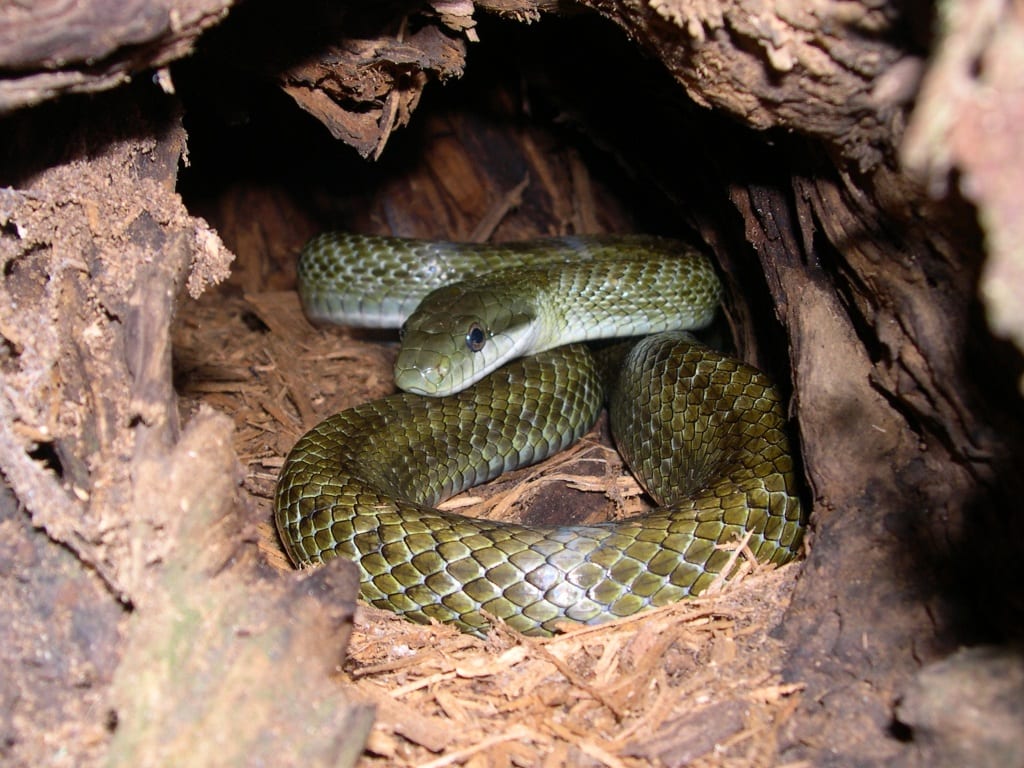
 © Takahashi / Public domain
Japanese Rat Snake
The Japanese rat snake (Aodaisho) is one of the largest non-venomous snakes native to mainland Japan, recognized by its olive-brown body marked with four faint dark stripes running from head to tail. Calm and even-tempered by nature, it tends to settle into handling well, which is part of why it's often recommended to first-time snake keepers. In the wild, sharp ridges along the edges of its belly scales let it grip tree trunks and climb straight up, and the species thrives even in built-up residential areas. Adults typically reach 100–200 cm in length with a sturdy build, making this a snake you can expect to know for many years.
View Japanese Rat Snake encyclopedia →0% commission on your first sales!Register by September 30, 2026 and your first 2 sales are commission-free!
Breeder Wanted!
List on BreederDirect and sell directly to customers nationwide!
6 Transparency Promises from Br-Choku
Every Reptiles & Amphibians from verified Breeder breeders includes complete information: morph, genetics, feeding requirements, and temperament details.
- Morph Information
- Actual Photos
- Feeding Information
- Temperament Information
- Genetics Information
- Age (Months)
Browse all 280 breeds
Difficulty Level
Feeding Type
Temperament
Verified breeders wanted for Reptiles & Amphibians
Breeders are signing up now ahead of launch. Subscribe to be notified when new listings go live.
Getting alerts is free with a member account. When new listings match your saved search, we'll notify you by email and in-app.
Browse other categories
Verified breeders (preview)
Are you raising reptiles & amphibians?
Register as a breeder and connect with buyers directly.
Apply as a breederJapanese Rat Snake key facts
- Care level
- Beginner-friendly
- Lifespan
- A captive record of 17 years and 7 months
- Size
- 100-200cm total length, about 5cm in girth
- Diet
- Carnivorous: rodents, birds and their eggs, frogs, lizards and shrews
- Temperature & Humidity
- A species native to Japan, it brumates for three to four months in winter. As a temperate snake adapted to the Japanese climate it needs no excessive heating and does well with some seasonal variation. Provide a brumation period if you intend to breed.
- Enclosure
- A large snake reaching 2 m, it needs enough floor area to lie coiled with room to spare. It is an excellent climber, so add branches or shelves stout enough to carry its weight. Because the keels on its ventral scales let it climb vertical surfaces, secure the lid firmly. Provide hides on both the warm and cool sides and a water container.
- Diet & Feeding
- It has a broad diet centred on rodents but including birds and their eggs, frogs, lizards and shrews, and it raids nests in trees for eggs and nestlings. In captivity offer frozen-thawed mice and rats sized to the snake. Eggs swallowed whole are broken in the oesophagus and only the contents digested.
- Temperament
- Non-venomous and generally placid. When threatened it defends itself by releasing a foul secretion from the cloaca. Captive-bred Japanese animals tame down well and are easy to handle. Snakes can prey on one another regardless of species, so keep it singly. Do not house it with the Amur rat snake, with which it produces fertile hybrids.
- Notes
- Not listed on any CITES appendix. The IUCN assesses it as Least Concern. It appears neither on the schedule of designated dangerous animals under the Order for Enforcement of the Act on Welfare and Management of Animals nor on Japan's list of invasive alien species. As a native Japanese species, collection from the wild may be restricted by local ordinances or by rules covering protected areas. The albino population around Iwakuni in Yamaguchi Prefecture has been a designated national monument since 1924 and cannot be collected. Most animals in trade are domestically bred morphs such as albino and striped.
About Japanese Rat Snake
A guide to the Japanese rat snake (Aodaisho), one of mainland Japan's largest non-venomous snakes. Calm, beginner-friendly, and growing to 100–200 cm — here's what to know before bringing one home.
7 things to know before welcoming a Japanese Rat Snake
1Needs a Spacious Enclosure
Adults reach 100–200 cm in length, so the enclosure needs enough depth and height to match their full-grown size. Since they move vertically as much as horizontally, adding climbing branches or shelf-like layouts helps them stay active.
2A Natural Climber
Strong ridges along the edges of its belly scales let it grip tree trunks and climb straight up with ease. Because even a small gap in the enclosure lid can allow an escape, make sure the lid is securely fastened at all times.
3Generally Calm, But Varies
Once accustomed to handling, many individuals stay calm and settled, which is part of why the species is considered beginner-friendly. That said, wild-caught individuals or juveniles can be more defensive and may bite, so it's best to let a new snake settle in before handling it.
4Plan for a Long Lifespan
In captivity, individuals have been recorded living as long as 17 years and 7 months, so this is a long-term commitment rather than a short one. It's worth thinking ahead about the space and ongoing care you can provide years down the line before bringing one home.
5Watch for Shedding Signs
As it grows, the snake sheds its skin periodically, and beforehand its colors dull and its eyes can turn cloudy white. It tends to be more sensitive during this period, so avoid handling and keep humidity up to help the shed go smoothly.
6Temperature and Humidity Basics
Though naturally adapted to Japan's climate, maintaining a proper temperature gradient and clear wet/dry zones within the enclosure is still fundamental to keeping it healthy. Pay extra attention to environmental swings during seasons with big temperature changes.
7Feeding: Frozen-Thawed Mice
As a carnivore, it's typically fed frozen-thawed mice in captivity. Appetite can vary between individuals, so adjust feeding frequency and prey size as the snake grows.
Frequently asked questions about Japanese Rat Snake
- Q.Is the Japanese rat snake venomous?
- A.No, the Japanese rat snake is non-venomous. If bitten, the wound can simply be treated as a normal physical injury, such as by cleaning and disinfecting it.
- Q.How big does a Japanese rat snake get?
- A.Adults typically reach 100–200 cm in total length, with a body diameter of around 5 cm. It's one of the largest snake species found on mainland Japan.
- Q.Can beginners keep a Japanese rat snake?
- A.Yes, it's generally considered beginner-friendly, and many individuals have a fairly calm temperament, which is why it's a popular first snake for many keepers. That said, since it grows quite large, it's important to prepare a suitably sized enclosure and care routine before bringing one home.
- Q.How long do Japanese rat snakes live?
- A.There's a captive record of an individual living 17 years and 7 months. It's worth considering whether you can commit to its long-term care before bringing one home.
- Q.Is the Japanese rat snake subject to any legal regulations?
- A.The Japanese rat snake is not subject to CITES.
Useful tools for Japanese Rat Snake care
Learn more about Japanese Rat Snake in the encyclopedia
View Japanese Rat Snake encyclopedia entry →
Care difficulty, lifespan, size and diet — all basics covered.
More in this category
Can't find the one you're looking for?
Post your wishes for free and breeders with matching animals will contact you with introductions.