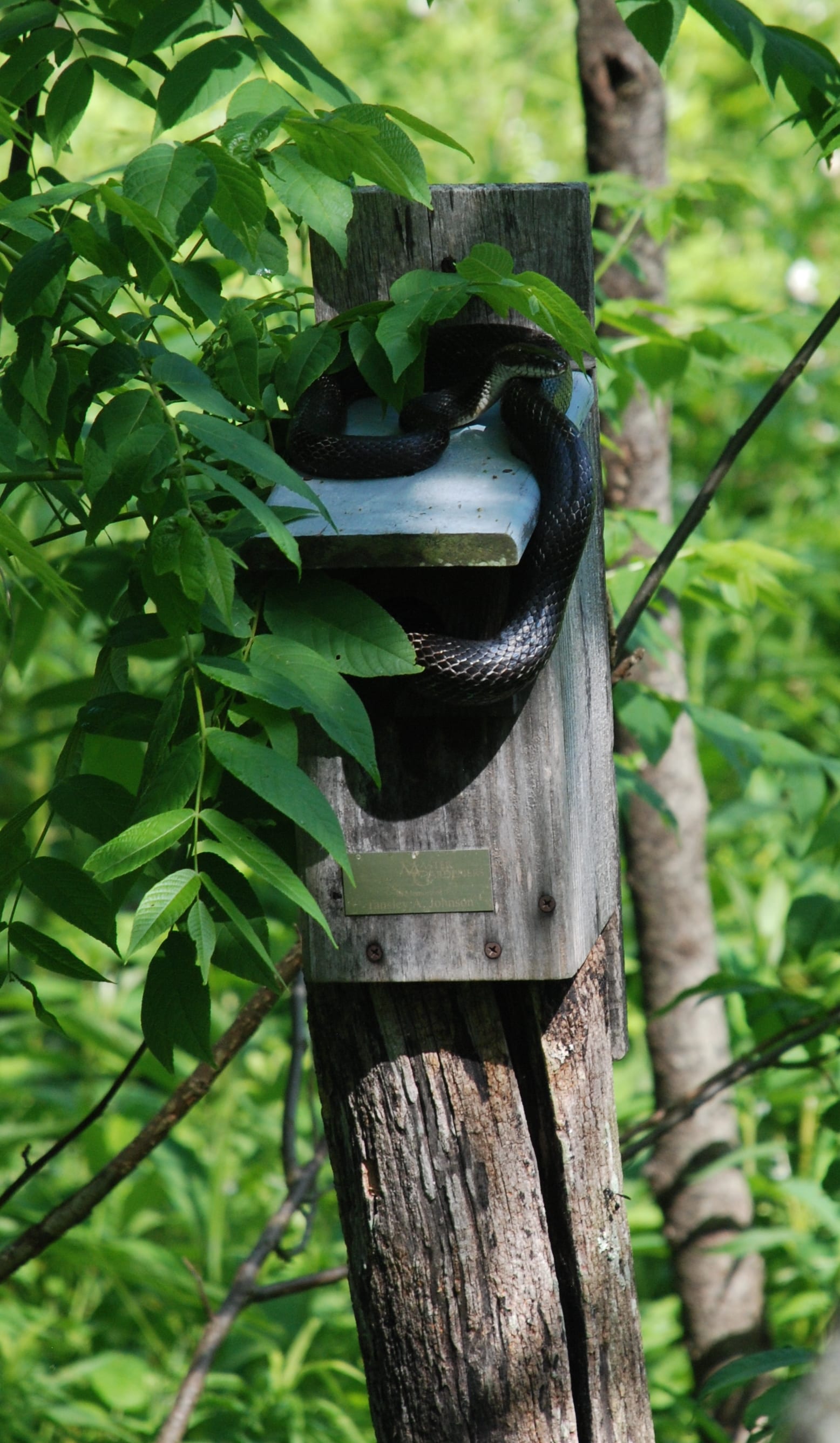
 © Jarek Tuszyński / CC BY-SA 3.0
Texas Rat Snake
The Texas Rat Snake is a large colubrid native to central North America, ranging west of the Mississippi River. Hatchlings start out gray with brown blotches, then gradually darken into a glossy black as they mature, with striking white lips and throat. Individuals from Texas often show warm orange or reddish tones, adding to the natural variation within the species. Despite their impressive size, they tend to have a calm, easygoing temperament, which is why they're considered a good choice for keepers looking for a substantial snake to start with.
View Texas Rat Snake encyclopedia →0% commission on your first sales!Register by September 30, 2026 and your first 2 sales are commission-free!
Breeder Wanted!
List on BreederDirect and sell directly to customers nationwide!
6 Transparency Promises from Br-Choku
Every Reptiles & Amphibians from verified Breeder breeders includes complete information: morph, genetics, feeding requirements, and temperament details.
- Morph Information
- Actual Photos
- Feeding Information
- Temperament Information
- Genetics Information
- Age (Months)
Browse all 280 breeds
Difficulty Level
Feeding Type
Temperament
Verified breeders wanted for Reptiles & Amphibians
Breeders are signing up now ahead of launch. Subscribe to be notified when new listings go live.
Getting alerts is free with a member account. When new listings match your saved search, we'll notify you by email and in-app.
Browse other categories
Verified breeders (preview)
Are you raising reptiles & amphibians?
Register as a breeder and connect with buyers directly.
Apply as a breederTexas Rat Snake key facts
- Care level
- Beginner-friendly
- Lifespan
- 15-20 years
- Size
- 107-183cm, with a record individual of 218cm
- Temperature
- 22〜32℃
- Humidity
- 50〜70%
- Diet
- Thawed frozen mice and rats
- Temperature & Humidity
- Aim for 29-32 C in the basking area and 22-25 C on the cool side, turning the heat off at night so the enclosure cools. Average humidity should be 50-70 percent, naturally dipping by day and rising at night. Mist as needed and line the cool hide with damp sphagnum moss to create a humid retreat.
- Enclosure
- Slender though it looks, this is an explorer, and the stated minimum for one adult is about 180 x 90 x 90 cm. Start juveniles in something small and move them up, to an enclosure at least 90 cm long and beyond. Use a soil-based substrate with clean leaf litter on top, which both holds humidity and gives the snake something to explore. Remove faeces and urates daily.
- Diet & Feeding
- It takes mainly rodents, along with birds and eggs. In captivity offer thawed frozen mice or rats sized to the snake. It is active both day and night, so feeding time is flexible. Leave it alone for a while after a meal to avoid regurgitation.
- Temperament
- When startled it freezes and wrinkles into kinks, and when cornered it either flees or vibrates its tail; researchers do not regard the tail vibration as rattlesnake mimicry. Keep it singly. Texas animals have a reputation for being feisty, so build up handling gradually.
- Notes
- It is not listed in the CITES appendices. It is neither a specified animal under the Appended Table of Japan's Act on Welfare and Management of Animals nor an invasive alien species under the Invasive Alien Species Act. The IUCN Red List assesses it as Least Concern. The name black rat snake is also used for Pantherophis alleghaniensis, a different species found east of the Mississippi, so confirm the scientific name Pantherophis obsoletus when buying.
About Texas Rat Snake
A large colubrid native to central North America. Hatchlings are gray with brown blotches, maturing into glossy black adults with white lips and throat. Calm and easy to keep, making it a great choice for beginners.
7 things to know before welcoming a Texas Rat Snake
1Space for a Large Snake
Adults typically reach 107–183 cm, with record individuals reported at up to 218 cm. Provide a spacious, tall enclosure that lets it fully stretch out and move comfortably.
2Color Changes With Age
Hatchlings are gray with brown blotches, but as they mature they develop a glossy black coloration with white lips and throat. Texas specimens can show orange or reddish tones, adding visual variety as the snake grows.
3Calm, Manageable Temperament
Despite its large size, this species tends to have a calm and easygoing disposition, and many individuals settle well with regular handling. It's considered suitable for first-time keepers, though gentle handling is still important to avoid startling it.
4Secure Against Escapes
Rat snakes are strong and can squeeze through surprisingly small gaps. Make sure the enclosure lid and latches are secure, with no openings it could push through.
5Temperature and Humidity Control
A gentle day-night temperature gradient, along with a warm basking spot and hiding places, helps it feel secure. Avoid extremes of dryness or humidity, adjusting as needed for the season and room conditions.
6Care During Shedding
As shedding approaches, the skin may look dull and the eyes can turn cloudy. Avoid handling during this period and keep humidity slightly elevated to help the shed go smoothly.
7What to Prepare Before Adoption
Have an appropriately sized enclosure, heating equipment, a thermometer/hygrometer, hides, and a water dish ready before bringing your snake home. Since it grows quite large, plan ahead for the extra space it will eventually need.
Frequently asked questions about Texas Rat Snake
- Q.How big does a Texas Rat Snake get?
- A.Adults typically reach 107–183 cm, with record individuals reported at up to 218 cm. Since it grows quite large, it's worth planning ahead for the enclosure space it will eventually need.
- Q.Is this snake suitable for beginners?
- A.Yes, it's considered a good choice for first-time keepers thanks to its calm and manageable temperament. That said, since it grows to a large size, make sure you can provide an appropriately sized enclosure and setup.
- Q.Why do juveniles and adults look so different?
- A.Hatchlings are gray with brown blotches, but as they mature they develop a glossy black coloration with white lips and throat. Texas specimens may also show orange or reddish tones, making the color transition part of the appeal.
- Q.Does it bite?
- A.It generally has a calm temperament, but it may bite if startled or stressed. Avoid sudden movements or loud noises, and handle it in a calm environment.
- Q.Is temperature and humidity management difficult?
- A.It's relatively manageable if you provide a gentle day-night temperature gradient along with a basking spot and hides. Avoid extremes of dryness or humidity and adjust according to the season.
Useful tools for Texas Rat Snake care
Learn more about Texas Rat Snake in the encyclopedia
View Texas Rat Snake encyclopedia entry →
Care difficulty, lifespan, size and diet — all basics covered.
More in this category
Can't find the one you're looking for?
Post your wishes for free and breeders with matching animals will contact you with introductions.