Source: Wikimedia Commons
Texas Rat Snake
BeginnerPantherophis obsoletus
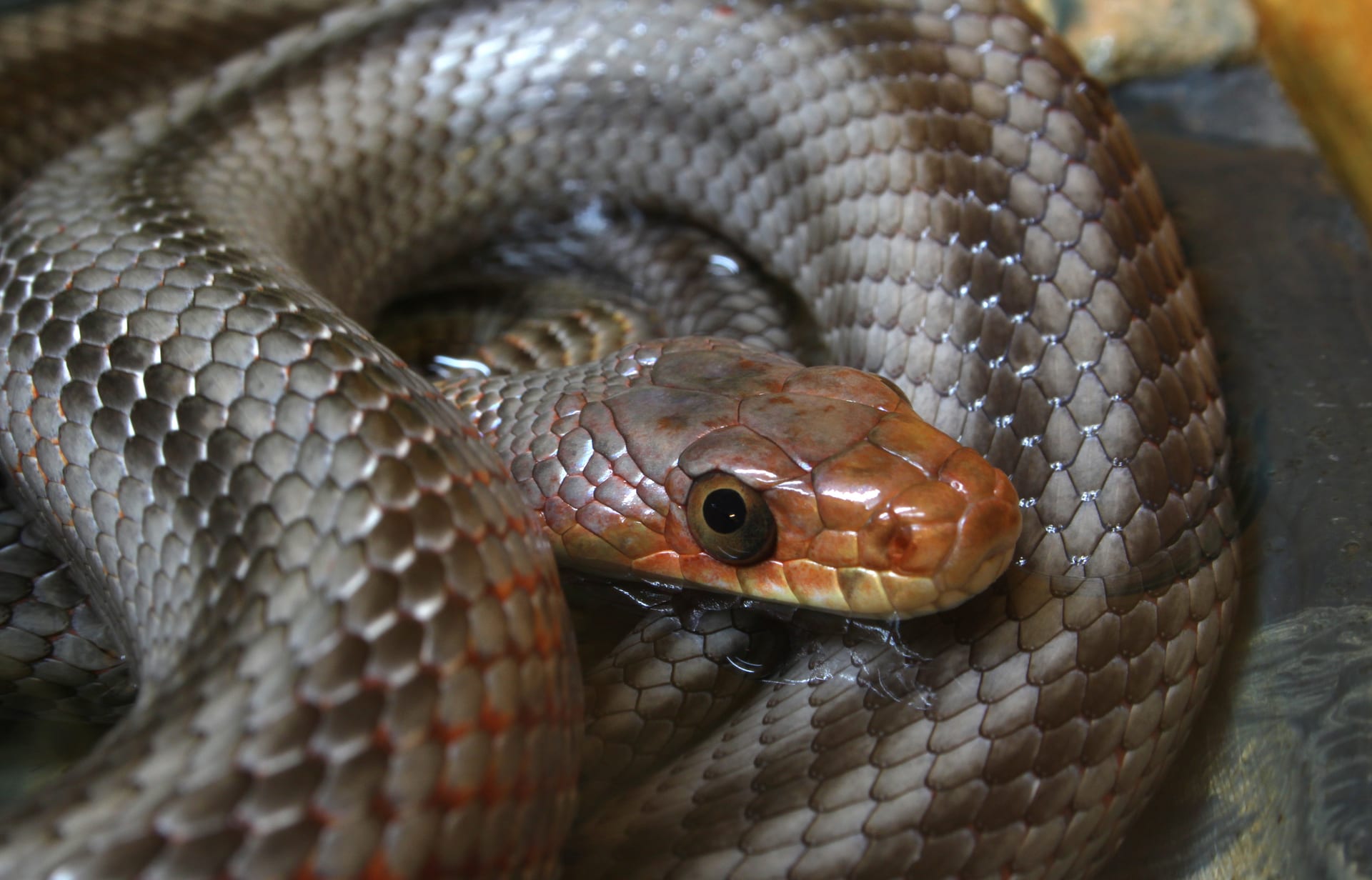
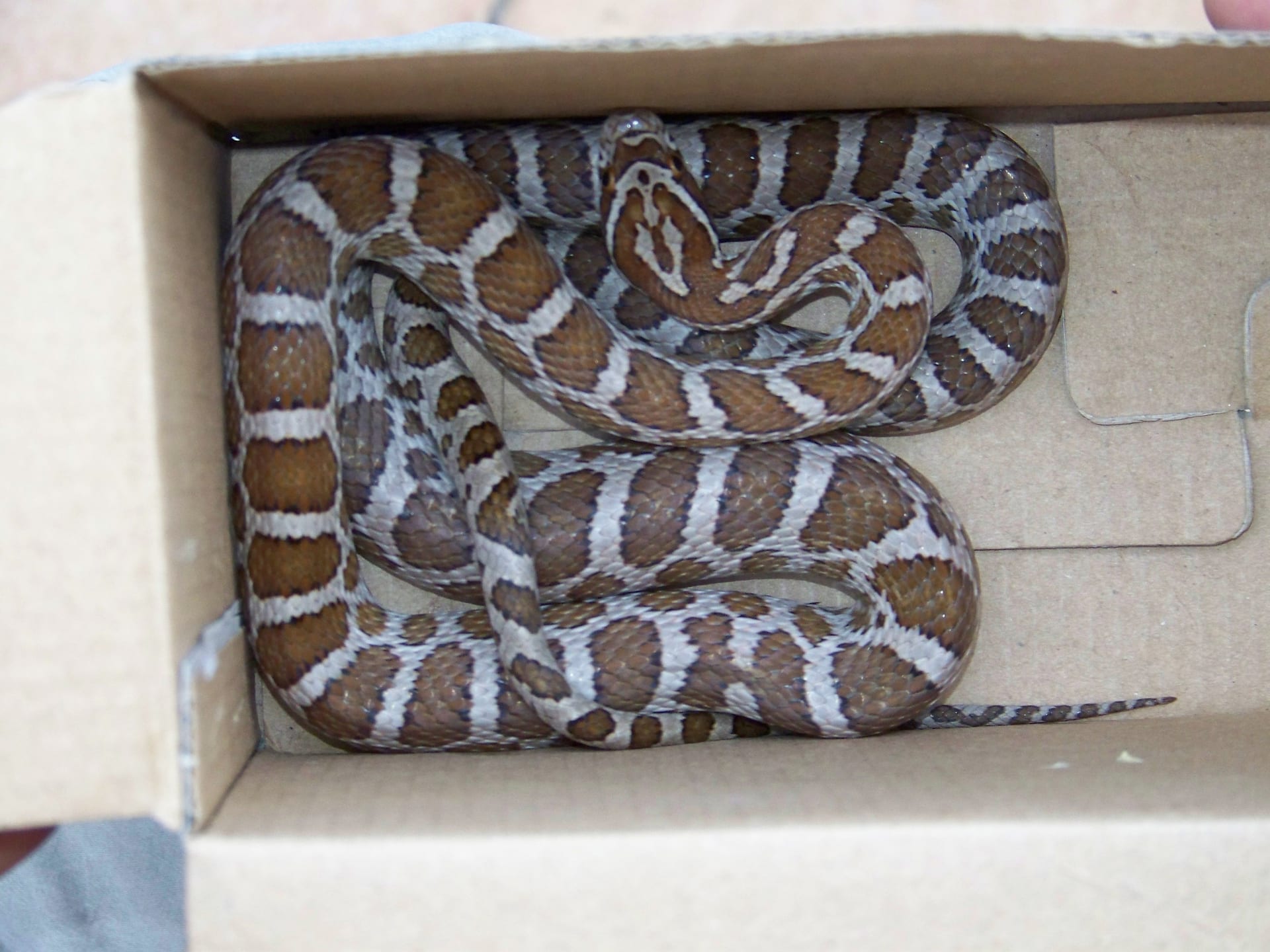
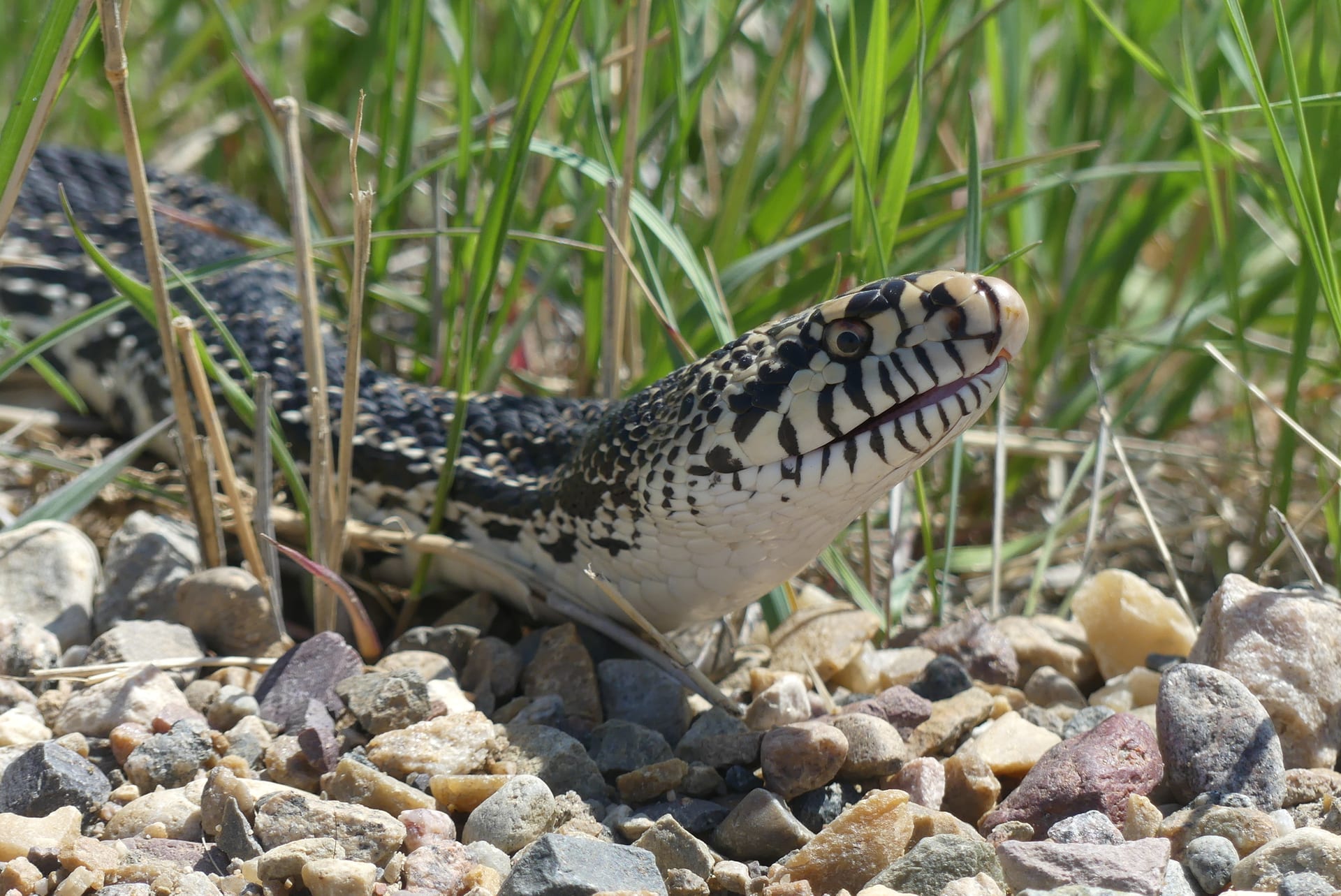
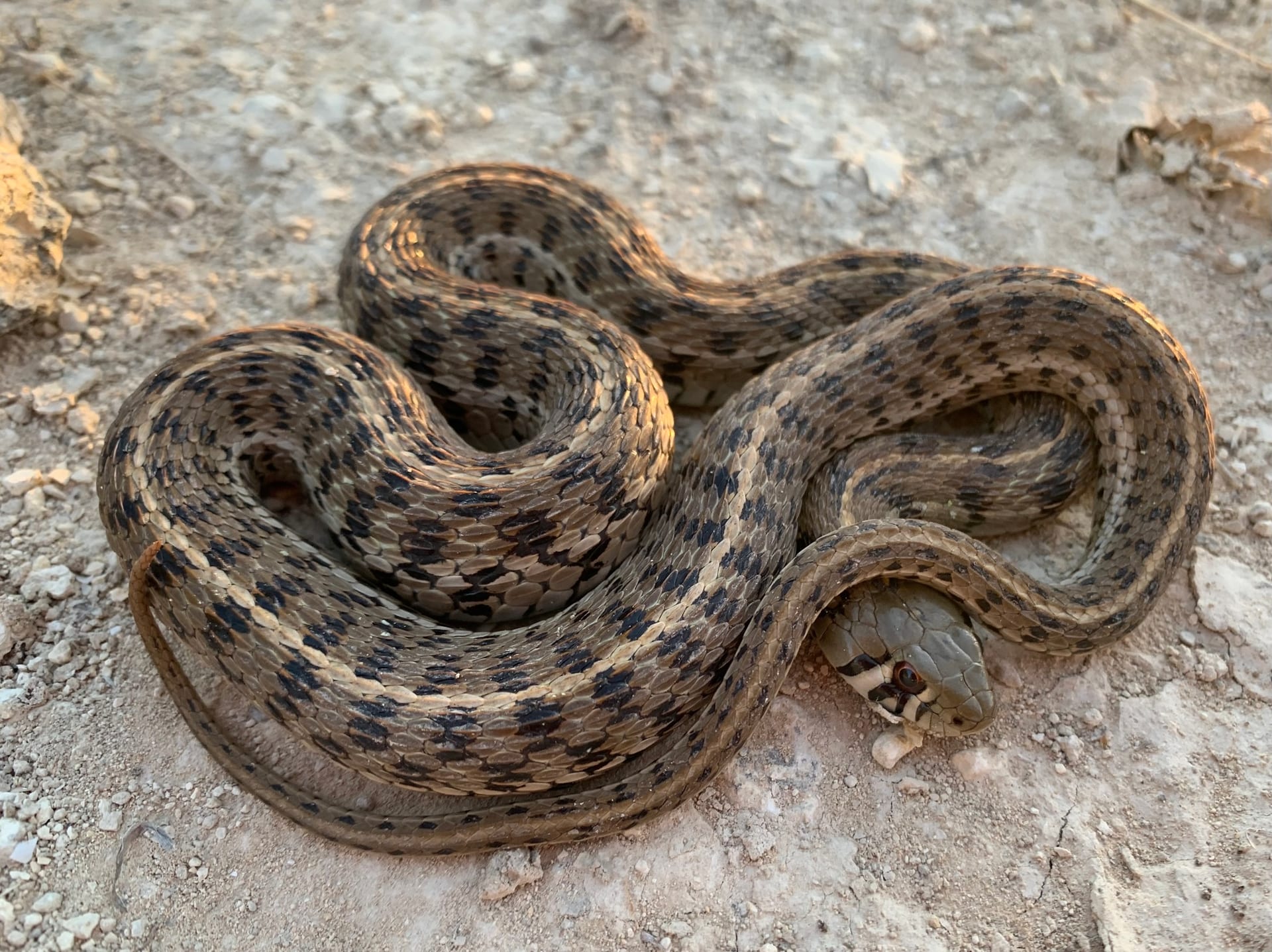
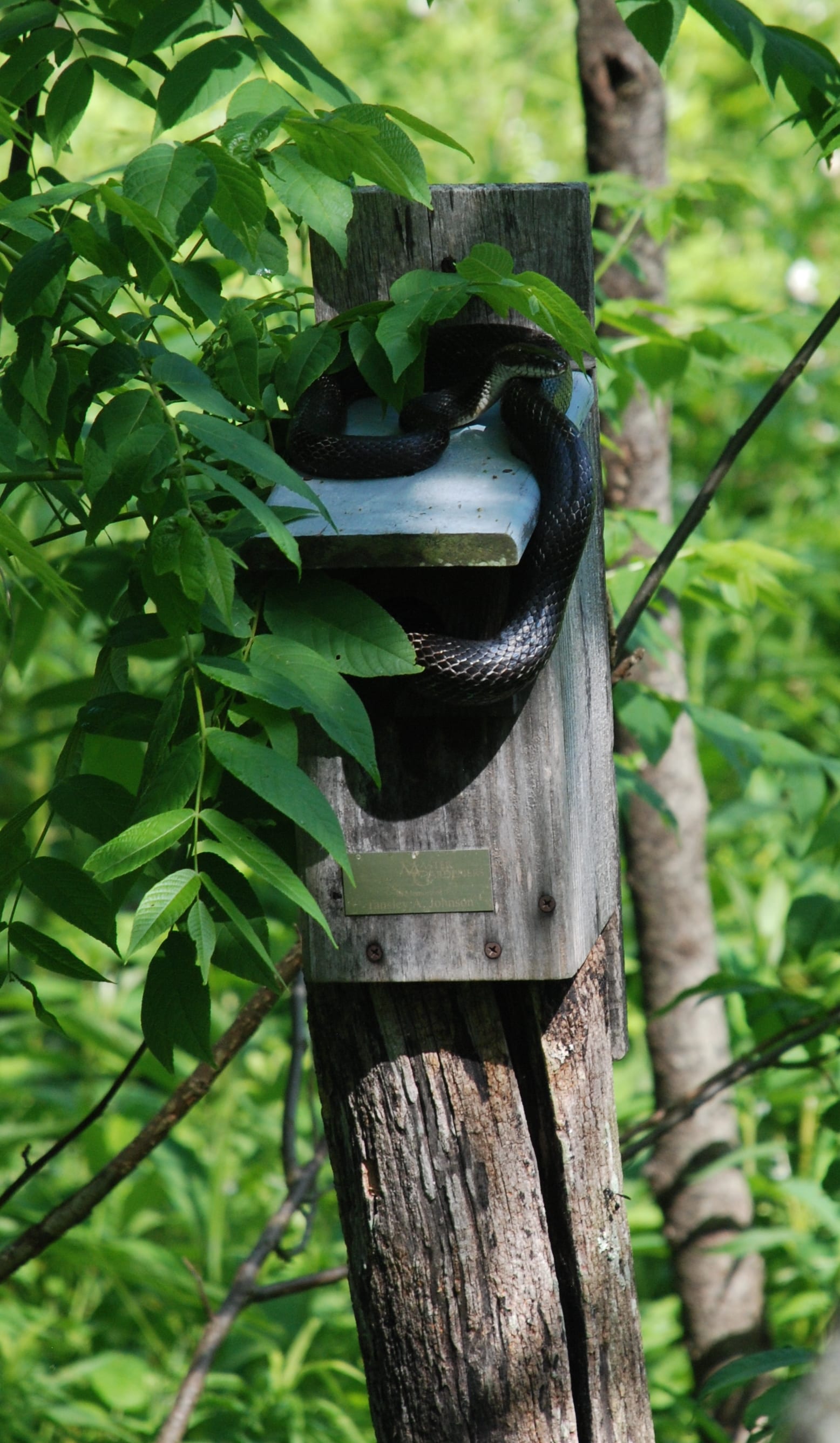
A large colubrid of central North America west of the Mississippi. Juveniles are grey with brown blotches and darken quickly, adults becoming glossy black with white lips, chin and throat. Texas animals carry orange or red tints.
Difficulty
Beginner
Temperature
22〜32℃
Lifespan
15-20 years
Size
107-183cm, with a record individual of 218cm
Humidity
50〜70%
Diet
Thawed frozen mice and rats
About
Pantherophis obsoletus is a nonvenomous colubrid of central North America west of the Mississippi River. Total length is typically 107 to 183 cm, with a record individual of 218 cm. Juveniles are strongly patterned, brown blotches on grey, but darken rapidly, and adults are glossy black above with white lips, chin and throat. The colour variant known as the Texas rat snake is brown to black, often with tinges of orange or red, and occurs in southern Oklahoma, Texas and Louisiana. Rat snakes of this genus are mainly diurnal and adapt to habitats from bayou through prairie to rock outcrops, with a particular preference for wooded country, especially oaks. When startled the snake may freeze and wrinkle itself into a series of kinks, and if pressed further it flees quickly or vibrates its tail.
Source: Wikipedia (CC BY-SA 4.0)
Lifespan of the Texas Rat Snake
The Texas Rat Snake lives 15-20 years.
Size of the Texas Rat Snake
The Texas Rat Snake grows to 107-183cm, with a record individual of 218cm.
Temperature & humidity for the Texas Rat Snake
The ideal temperature for the Texas Rat Snake is 22〜32℃. Ideal humidity is 50〜70%.
Basic Info
Origin
The United States west of the Mississippi River, from eastern and southern Iowa south through Missouri and Arkansas to western Louisiana, west to eastern Texas and north through Oklahoma and eastern Kansas to south-eastern Nebraska
Care Specifications
Semi-aggressiveSolitaryBreeding: Easy
Sources: ReptiFiles: Black Ratsnake Care Sheet / Reptiles Magazine: Texas Rat Snake Care Sheet / Wikipedia (English)
References & Sources
Edited & verified by: BreederDirect editorial team
The taxonomic, regulatory, and husbandry data on this page are compiled and verified against the authoritative primary sources below.
Taxonomy & Authority
Accepted name: Pantherophis obsoletus (Say, 1823)
Synonyms: Coluber obsoletus Say, 1823, Elaphe obsoleta (Say, 1823), Elaphe obsoleta lindheimerii Conant & Collins, 1991
Authority databases: GBIF · Reptile Database
Nomenclature follows global taxonomic authority databases.
Regulations & Conservation Status
Not CITES-listedIUCN LC · Least Concern
Not listed in any appendix of the Convention on International Trade in Endangered Species (CITES) (not registered in Species+). Does not fall under either the specified animals listed in the appended table of the Ordinance for Enforcement of the Animal Welfare and Management Law, nor the specified invasive alien species under the Invasive Alien Species Act.
Sources: CITES Appendices (species not listed) / IUCN Red List
Regulations may change. Always verify the latest information with the relevant authorities.
Texas Rat Snake Listings
Loading latest listingsFind listings for this species