Source: Wikimedia Commons
Great Plains Rat Snake
BeginnerPantherophis emoryi
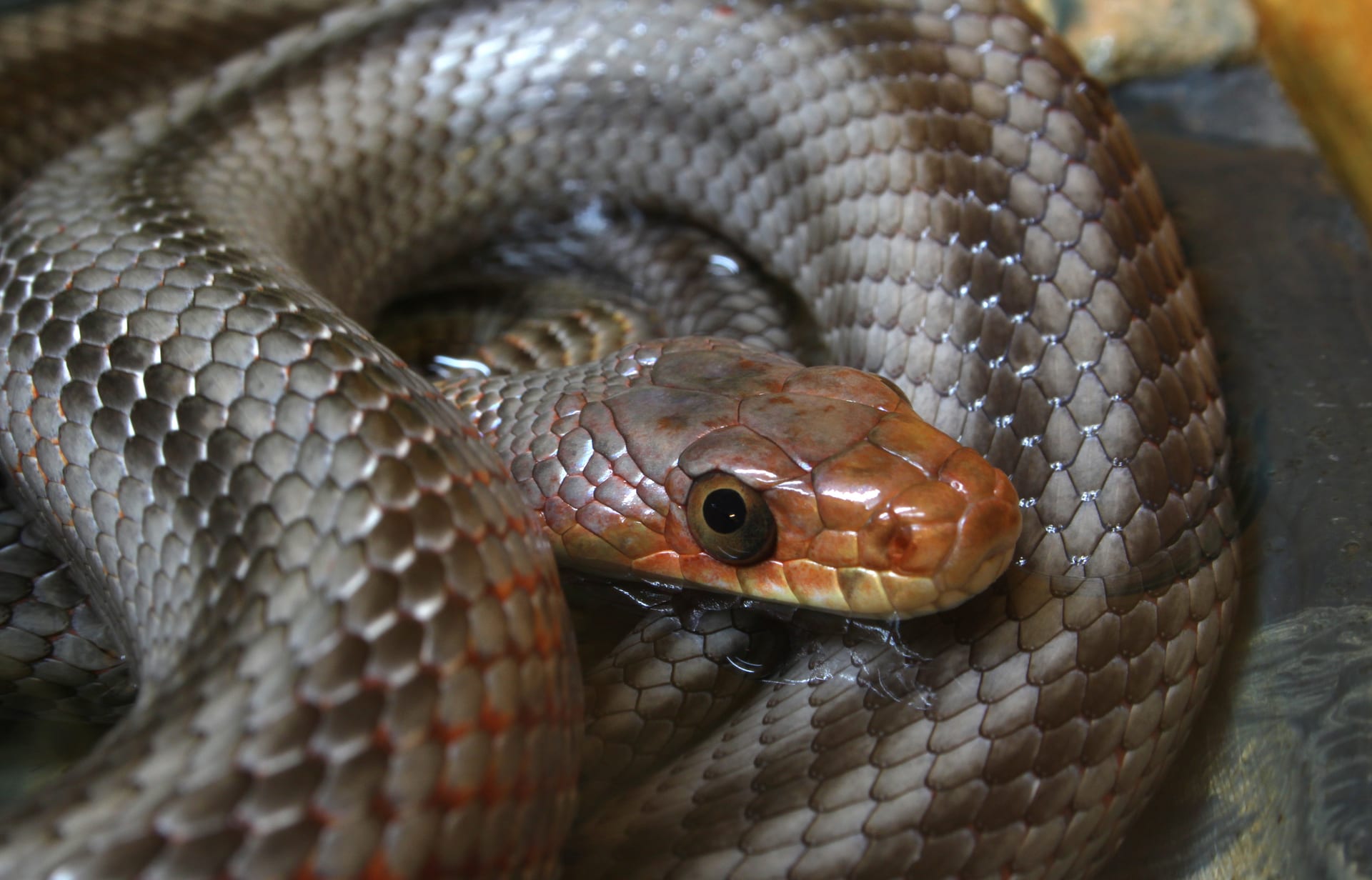
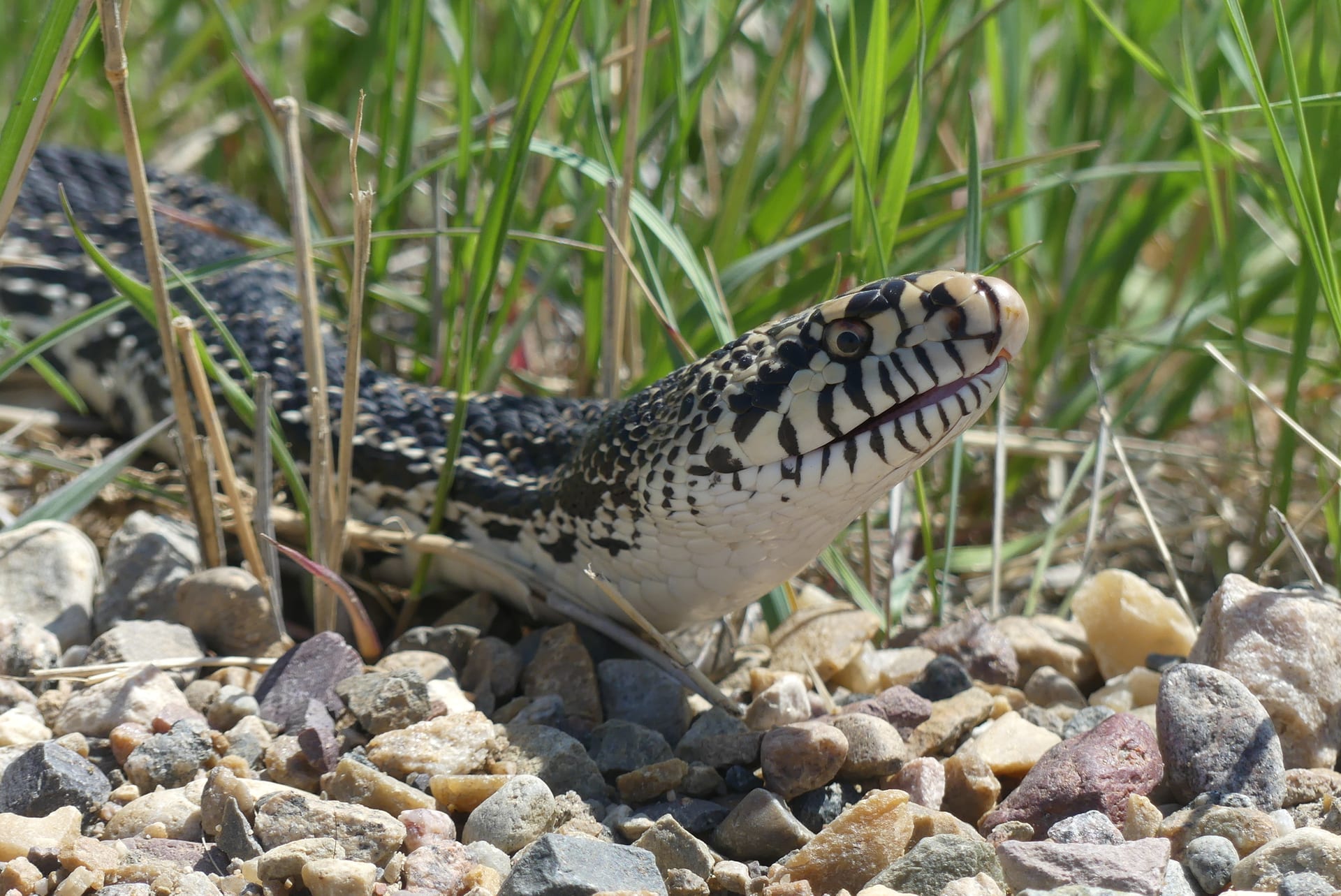
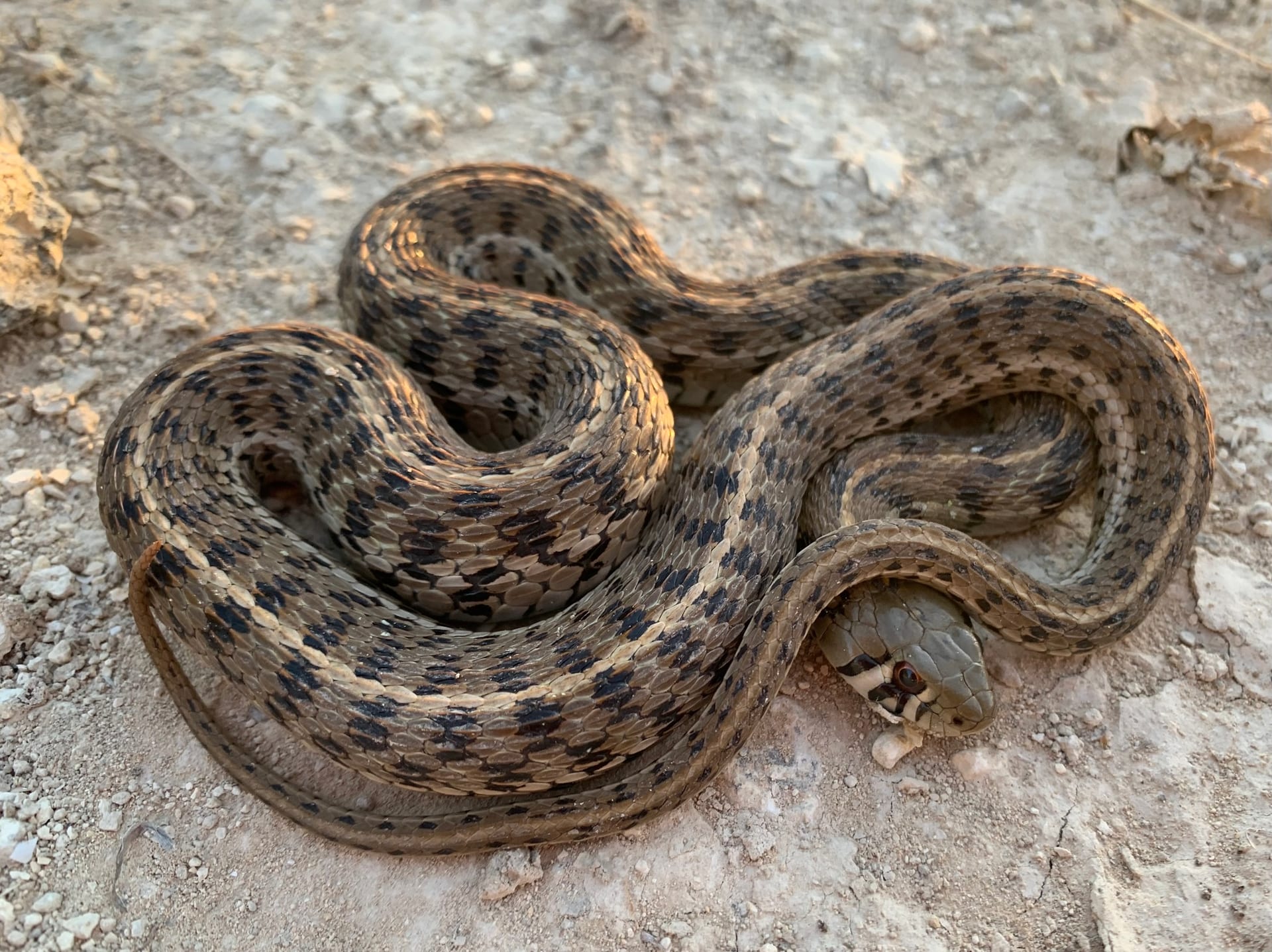
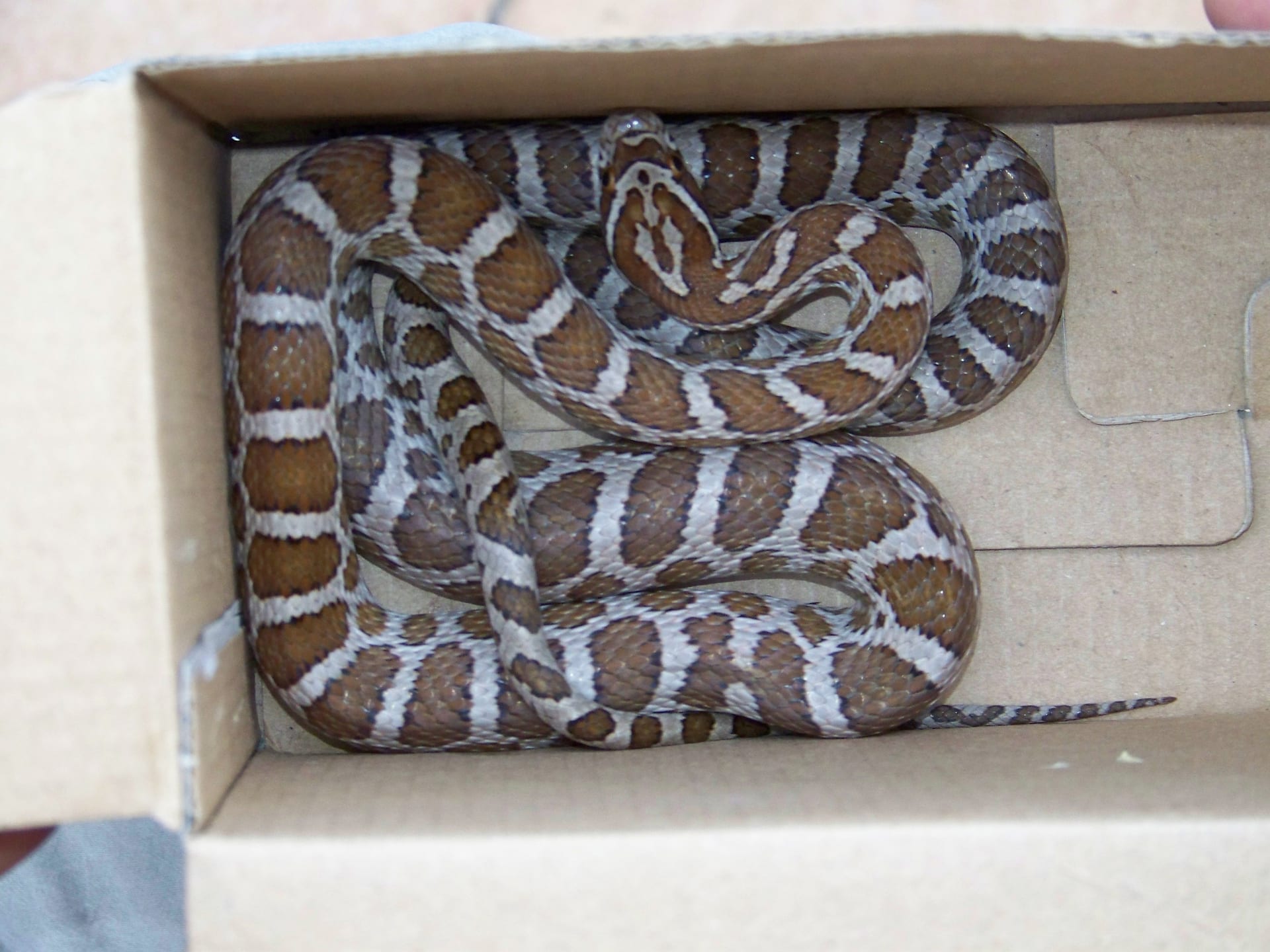
A colubrid of the grasslands of central North America. Dark grey to brown blotches run down a light grey or tan back, and stripes on each side of the head meet to form a point between the eyes.
Difficulty
Beginner
Temperature
25〜32℃
Lifespan
15-20 years
Size
91-152cm
Humidity
40〜70%
Diet
Thawed frozen mice and rats
About
Pantherophis emoryi is a nonvenomous colubrid ranging from the central United States into northern Mexico. It is light grey or tan with dark grey, brown or green-grey blotching down the back, and stripes on either side of the head that meet to form a point between the eyes, a useful identification feature. Total length including tail reaches 91 to 152 cm. It prefers open grassland and lightly forested country but also occupies coastal plains, semi-arid regions and rocky, moderately mountainous terrain, and it is often found on farmland. West of the Mississippi the brilliance of the corn snake is lost, and various races have been described over the decades under names such as emoryi, meahllmorum, slowinskii and intermontana. It carries many common names, among them brown rat snake and prairie rat snake.
Source: Wikipedia (CC BY-SA 4.0)
Lifespan of the Great Plains Rat Snake
The Great Plains Rat Snake lives 15-20 years.
Size of the Great Plains Rat Snake
The Great Plains Rat Snake grows to 91-152cm.
Basic Info
Origin
The central United States from Missouri to Nebraska and Colorado and south to Texas, and into northern Mexico, favouring open grassland and lightly wooded country but also found on coastal plains, in semi-arid regions and in rocky, moderately mountainous terrain
Lifespan
15-20 years
Size
91-152cm
Care Specifications
PeacefulSolitaryBreeding: Easy
Sources: Reptiles Magazine: Rat Snakes Of The United States / Wikipedia (English) / Reptile Database
References & Sources
Edited & verified by: BreederDirect editorial team
The taxonomic, regulatory, and husbandry data on this page are compiled and verified against the authoritative primary sources below.
Taxonomy & Authority
Accepted name: Pantherophis emoryi (Baird & Girard, 1853)
Synonyms: Elaphe guttata emoryi (Baird & Girard, 1853), Coluber laetus Boulenger, 1894, Elaphe guttata meahllmorum Smith et al., 1994
Authority databases: GBIF · Reptile Database
Nomenclature follows global taxonomic authority databases.
Regulations & Conservation Status
Not CITES-listedIUCN LC · Least Concern
Not listed in any appendix of the Convention on International Trade in Endangered Species (CITES) (not registered in Species+). Does not fall under either the specified animals listed in the appended table of the Ordinance for Enforcement of the Animal Welfare and Management Law, nor the specified invasive alien species under the Invasive Alien Species Act.
Sources: CITES Appendices (species not listed) / IUCN Red List
Regulations may change. Always verify the latest information with the relevant authorities.
Great Plains Rat Snake Listings
Loading latest listingsFind listings for this species