Source: Wikimedia Commons
Baird's Rat Snake
BeginnerPantherophis bairdi
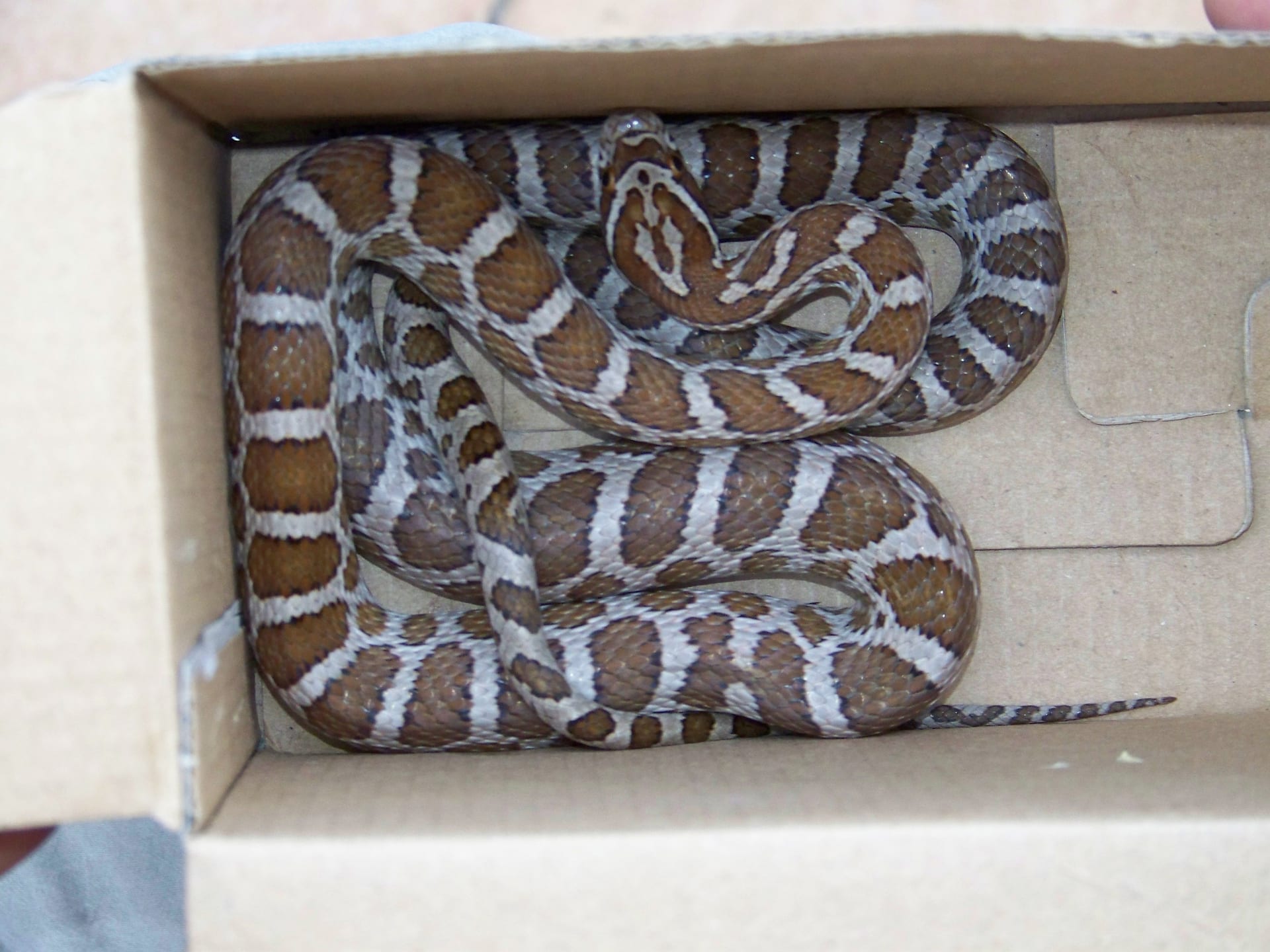
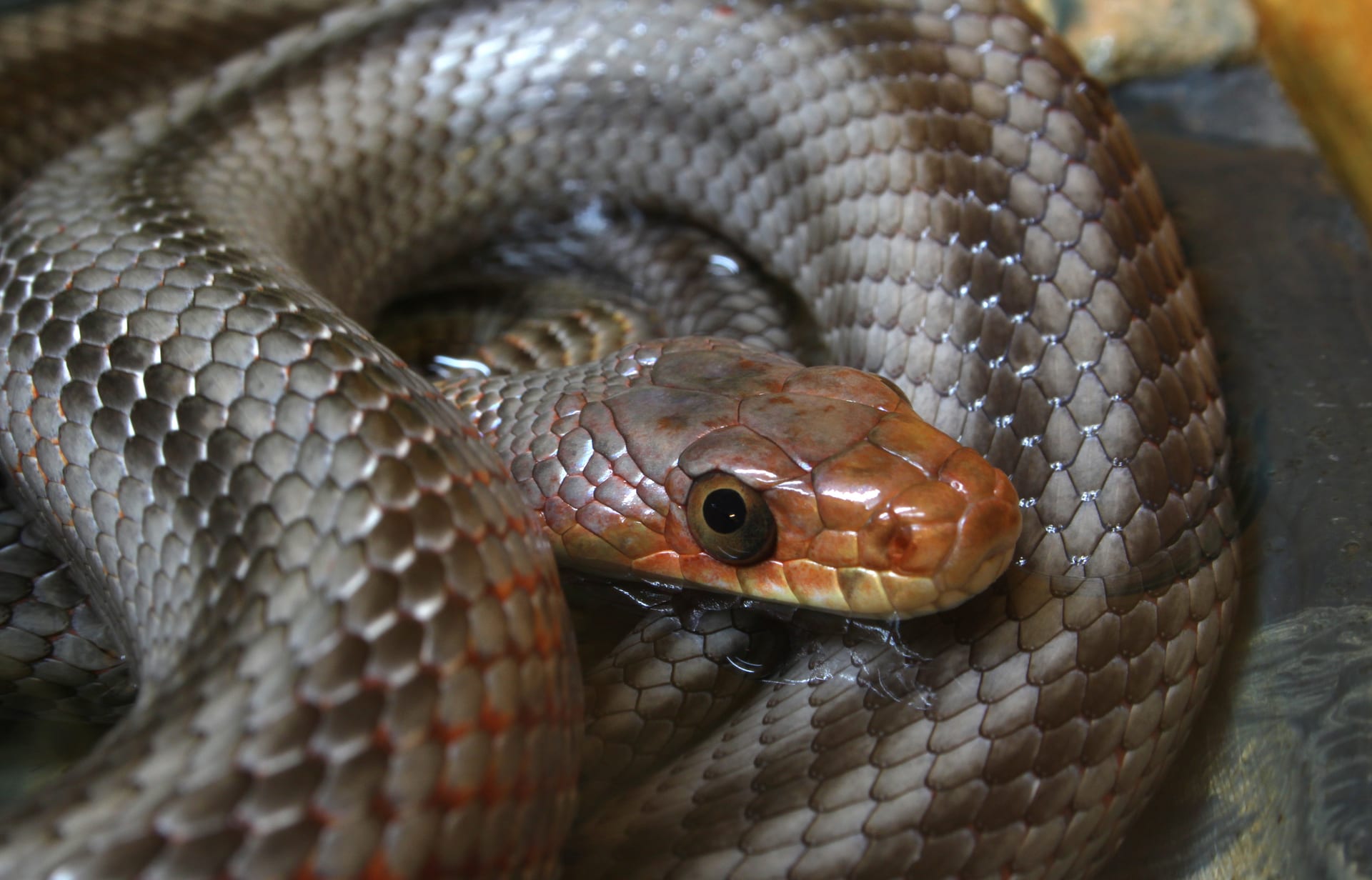
A colubrid of the semi-arid rocky country of western Texas and north-eastern Mexico. Four stripes run from neck to tail over an orange-yellow to deep salmon ground colour, and it is gentler in temperament than most rat snakes.
Difficulty
Beginner
Temperature
25〜32℃
Lifespan
15-20 years
Size
64-140cm
Humidity
40〜70%
Diet
Thawed frozen mice and rats
About
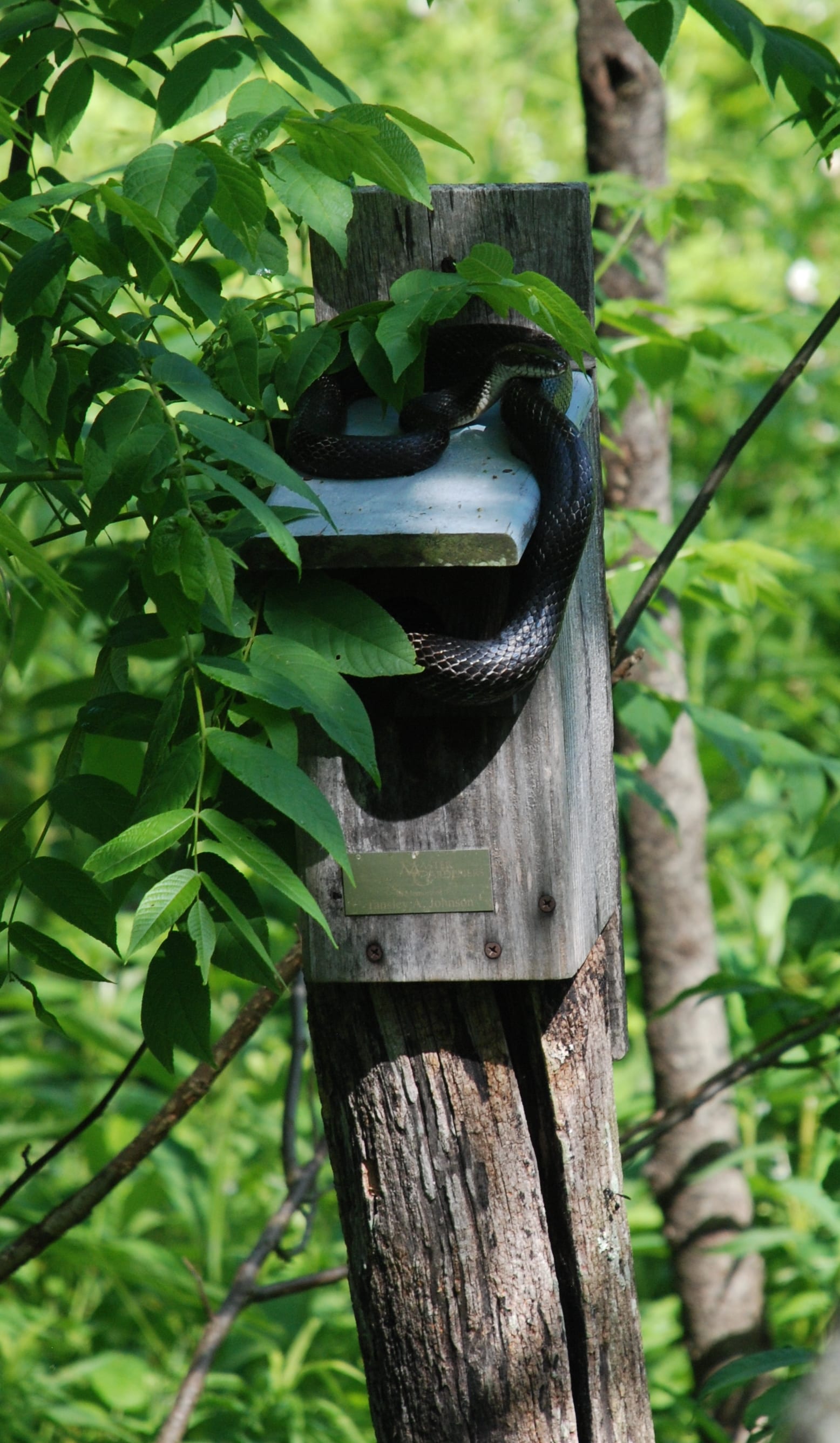
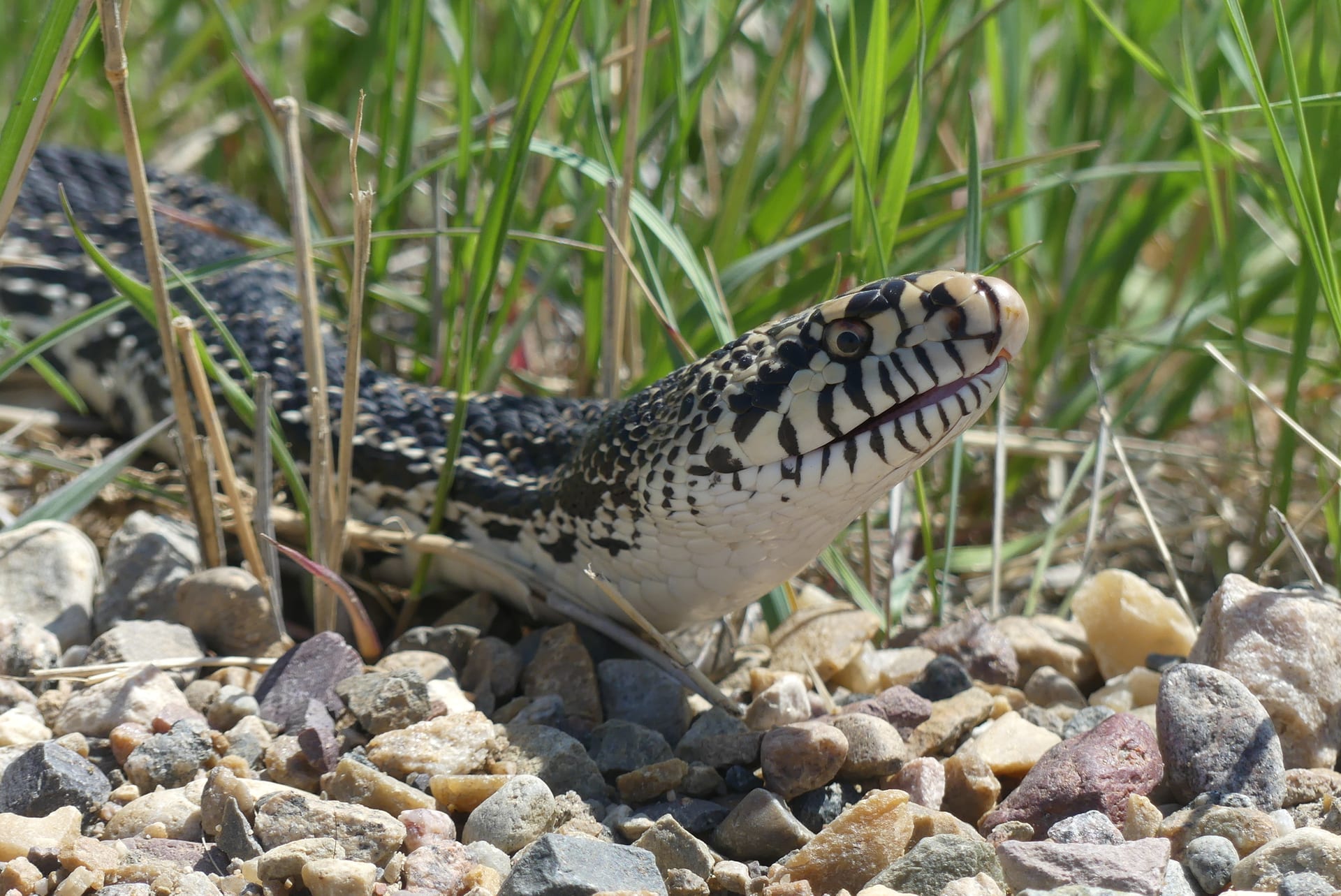
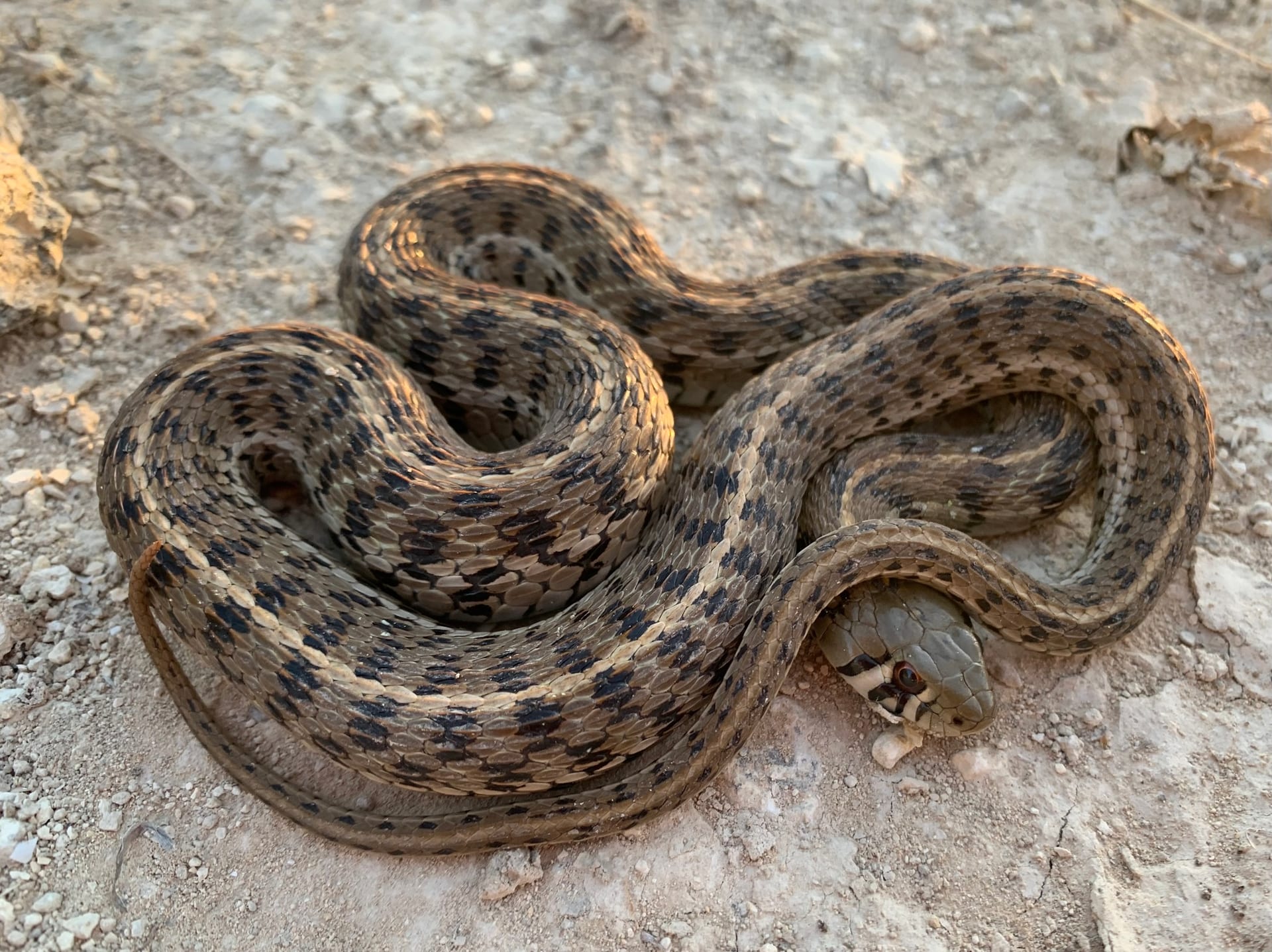
Pantherophis bairdi is a harmless colubrid of the south-western United States and adjacent north-eastern Mexico, found in the Big Bend region of western Texas and in the Mexican states of Coahuila, Nuevo Leon and Tamaulipas, where it prefers semi-arid, rocky habitat. It is known to be elusive and hard to find in the wild. Adults reach 64 to 140 cm in total length. The dorsal ground colour runs from orange-yellow through bright yellow to a darker salmon, overlaid with four stripes that run from the neck to the tail, and the belly is grey to yellow, darkening towards the tail. Its diet is mainly rodents, with birds also taken and juveniles often eating lizards. It is typically more pleasantly tempered than other rat snakes. It is oviparous, adult females laying clutches of up to ten eggs that take about three months to hatch.
Source: Wikipedia (CC BY-SA 4.0)
Lifespan of the Baird's Rat Snake
The Baird's Rat Snake lives 15-20 years.
Size of the Baird's Rat Snake
The Baird's Rat Snake grows to 64-140cm.
Basic Info
Origin
The Big Bend region of western Texas in the United States and the Mexican states of Coahuila, Nuevo Leon and Tamaulipas, in semi-arid rocky habitat, rocky wooded areas and upland desert
Lifespan
15-20 years
Size
64-140cm
Temperature
Care Specifications
PeacefulSolitaryBreeding: Easy
Sources: Reptiles Magazine: Baird's Rat Snake species listing / Reptiles Magazine: Rat Snakes Of The United States / Wikipedia (English)
References & Sources
Edited & verified by: BreederDirect editorial team
The taxonomic, regulatory, and husbandry data on this page are compiled and verified against the authoritative primary sources below.
Taxonomy & Authority
Accepted name: Pantherophis bairdi (Yarrow, 1880)
Synonyms: Coluber bairdi Yarrow, 1880, Elaphe bairdi (Yarrow, 1880)
Authority databases: GBIF · Reptile Database
Nomenclature follows global taxonomic authority databases.
Regulations & Conservation Status
Not CITES-listedIUCN LC · Least Concern
Not listed in any appendix of the Convention on International Trade in Endangered Species (CITES) (not registered in Species+). Does not fall under either the specified animals listed in the appended table of the Ordinance for Enforcement of the Animal Welfare and Management Law, nor the specified invasive alien species under the Invasive Alien Species Act.
Sources: CITES Appendices (species not listed) / IUCN Red List
Regulations may change. Always verify the latest information with the relevant authorities.
Baird's Rat Snake Listings
Loading latest listingsFind listings for this species