Corn Snake Genetics Guide | Morph Breeding and Line Fixation
A guide to corn snake morph genetics. Learn about inheritance patterns including amelanistic, anerythristic, and snow morphs.
Key Takeaways
A guide to corn snake morph genetics. Learn about inheritance patterns including amelanistic, anerythristic, and snow morphs.
Related Species
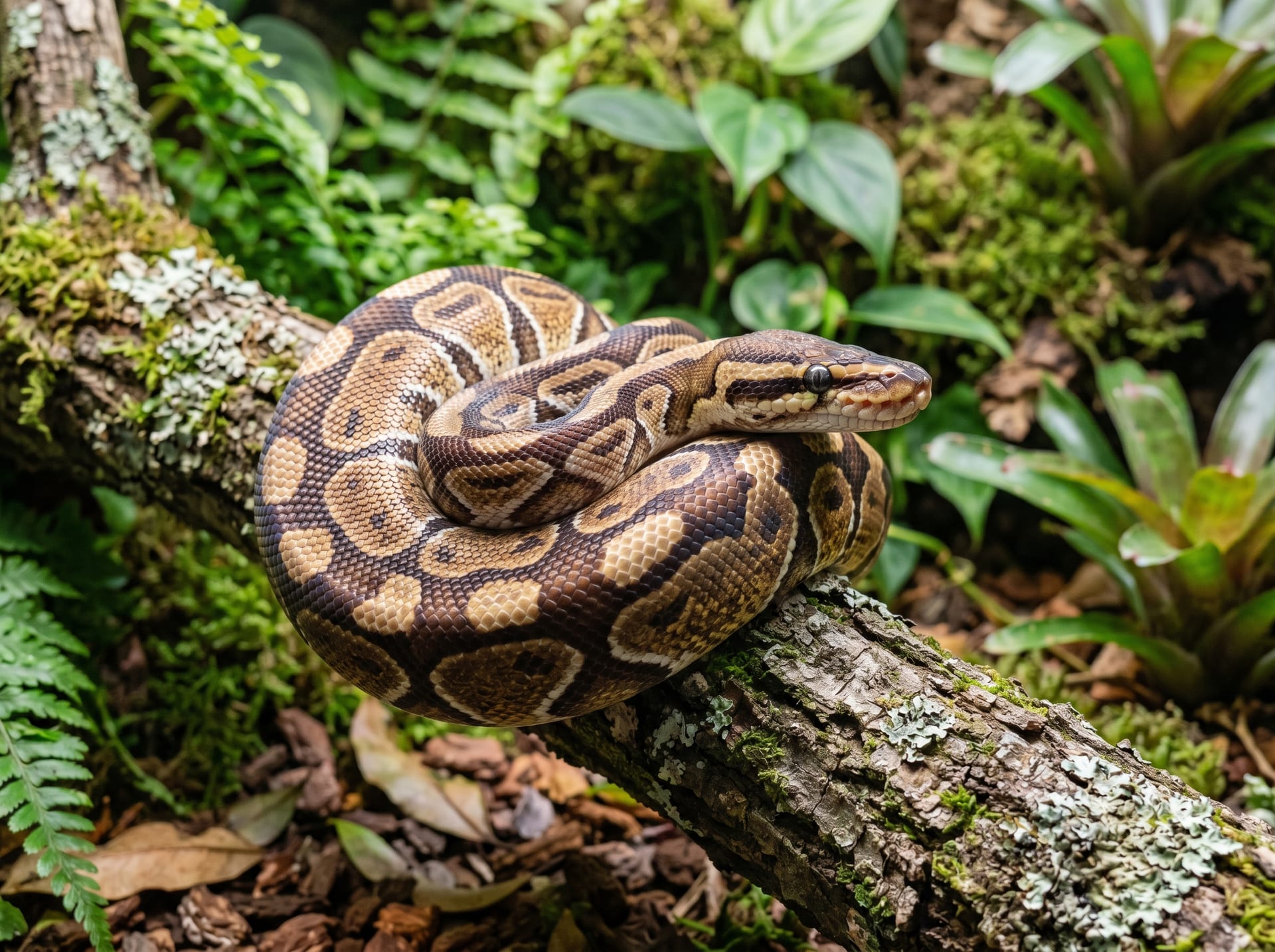
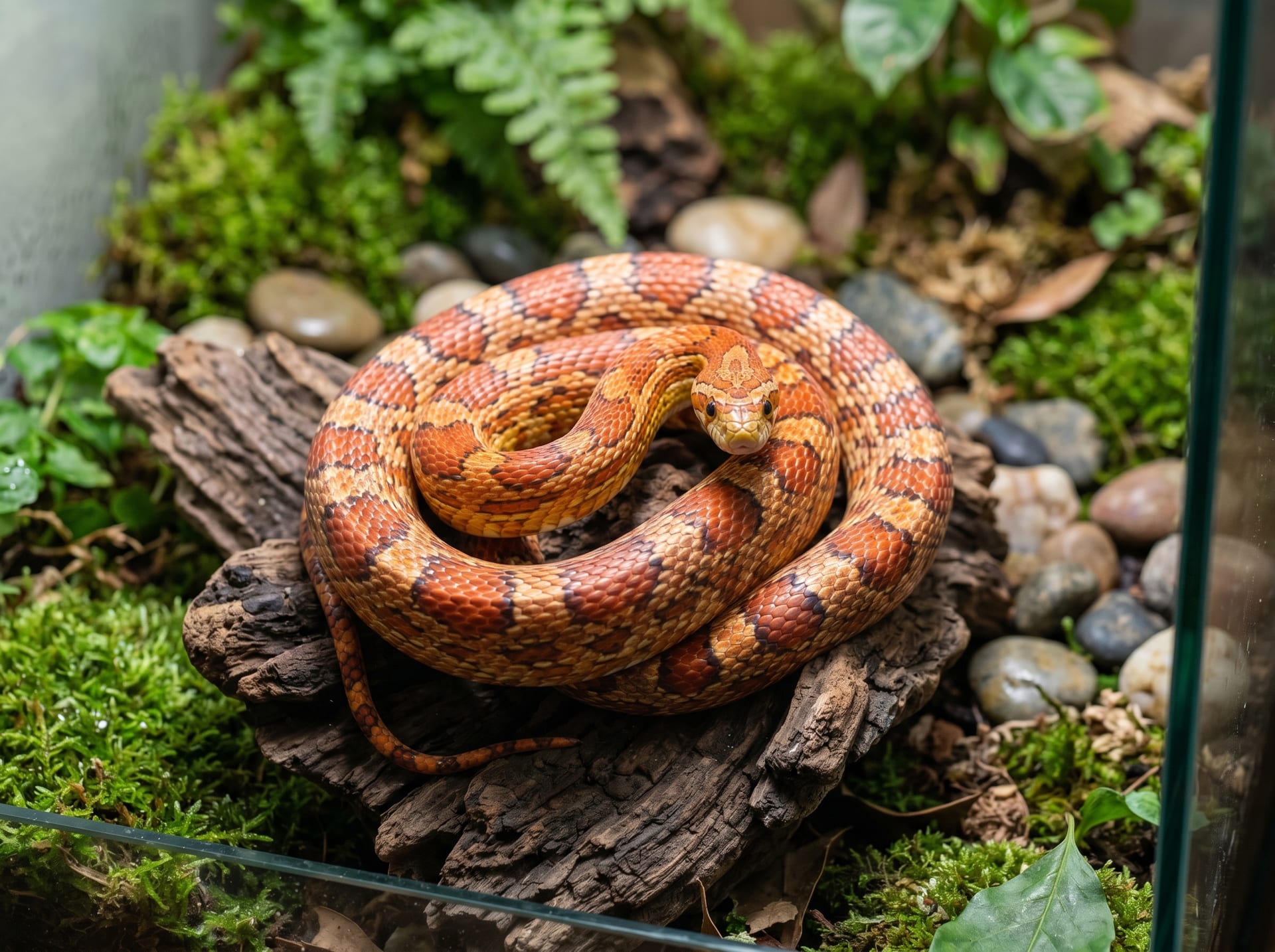
Corn snakes (Pantherophis guttatus) are among the reptile species with the most advanced genetic research. Native to North America and members of the Colubridae family, they are easy to keep even for beginners due to their docile temperament and robust constitution, making them popular worldwide. Another major appeal is the abundance of morphs (color and pattern variants). Understanding genetics expands the joy of breeding many times over—from the simple mechanics of recessive inheritance to complex combo morphs combining multiple genes.
This article explains corn snake morph genetics from the basics and provides a thorough guide to planning actual breeding combinations.
Basic Genetic Terminology: Essential Concepts to Know
Before starting corn snake breeding, let's review the fundamental genetic terms. Though they may sound complicated, the underlying mechanisms are straightforward.
- Wild Type (WT): The standard appearance of individuals in nature. Features a tan to orange base color with dark blotches aligned in a pattern—the most familiar appearance.
- Genotype: The actual combination of genes an individual carries. Includes genes that do not appear in the phenotype.
- Phenotype: The result of the genotype expressed as visible appearance.
- Recessive Inheritance: A trait that only manifests when two copies of the recessive allele are present. Most corn snake morphs follow this pattern.
- Het (Heterozygous): A carrier possessing one copy of a recessive allele. Appears normal but can pass the gene to offspring when bred.
- Homo (Homozygous): An individual with two copies of a recessive allele, showing the morph phenotype.
- Combo Morph: A combined trait resulting from two or more morph genes. Often appears dramatically different from single morphs.
Representative Morph Types and Characteristics
Corn snakes are said to have over 100 morphs. Here we introduce the major morphs that are particularly popular and foundational to breeding.
The table below lists representative morphs (corn snakes have over 100 morph types):
| Morph | Inheritance | Visual Characteristics |
|---|---|---|
| Amelanistic (Albino) | Recessive (single) | Lacks black pigment; bright red/orange/white |
| Anerythristic | Recessive (single) | Lacks red pigment; grayscale/white/black |
| Hypomelanistic | Recessive (single) | Reduced black pigment; brighter, more vivid |
| Lavender | Recessive (single) | Purple-tinted gray |
| Snow | Combo (Amel + Anery) | White to pale pink |
| Blizzard | Combo (Amel + Charcoal) | White to cream body |
Amelanistic (Amel)
A morph lacking black pigment (melanin), characterized by vibrant red, orange, and white coloration. Often called "albino," it has the longest history among corn snake morphs and enjoys unparalleled popularity. Prized for its beautiful coloration and high aesthetic value, it is also recommended for breeders new to handling morphs.
Anerythristic (Anery)
A morph lacking red and orange pigments, resulting in grayscale, white, and black body coloration. With its sophisticated, subdued appearance, it is valued as a component in combo morphs. Subtypes such as Type A and Type B also exist.
Hypomelanistic (Hypo)
A morph where black pigment is reduced but not entirely absent, resulting in a brighter overall appearance with increased yellow and orange tones. More vivid than wild type, it is utilized in various combos.
Lavender
A relatively new morph characterized by purple-tinted gray coloration. Its soft, pastel-like hue is popular, and combinations with other morphs often produce unique expressions. It attracts collectors' attention as a high-collectibility morph.
Snow
A combo morph combining amelanistic and anerythristic genetics. The ethereal white to pale pink coloration is captivating and popular even among corn snake beginners.
Blizzard
A combo morph combining amelanistic and charcoal genetics. Most individuals display pure white to cream coloration throughout, presenting a clean and striking appearance.
Using Punnett Squares: Predicting Breeding Outcomes
To automate calculations
After mastering the conceptual approach, use the Morph Calculator when you want quick probability results. Currently it covers ball pythons and leopard geckos but not corn snakes. However, you can use it to practice understanding how to read results for dominant, co-dominant, and recessive inheritance.
A "Punnett square" is a tool for visually organizing the genetic outcomes of a pairing. With recessive morphs, predictions can be made as follows:
Example 1: Amelanistic × Het Amelanistic
| A (Dominant) | a (Recessive) | |
|---|---|---|
| A (Dominant) | AA (Normal) | Aa (het amel) |
| a (Recessive) | Aa (het amel) | aa (Amelanistic) |
Result: 25% Normal · 50% het amel · 25% Amelanistic
Example 2: Het Amelanistic × Het Amelanistic
When both parents are het amel:
- 25% Normal (AA)
- 50% Visually normal but het amel (Aa)
- 25% Amelanistic (aa)
The key point is that 50% of normal-appearing individuals carry the recessive het allele. Identifying these hets requires genetic testing or planned test breeding.
Creating Combo Morphs: F1 and F2 Generation Planning
Combo morphs do not appear in a single generation; they require multi-generational planned breeding.
F1 Generation (First Generation)
For example, breeding amelanistic (aa BB) with anerythristic (AA bb) produces F1 offspring that are all het amel and het anery (Aa Bb). They appear nearly normal, but all are double hets.
F2 Generation (Second Generation)
Breeding F1 individuals together produces, probabilistically:
- 56.25% Normal appearance (including various het combinations)
- 18.75% Amelanistic alone
- 18.75% Anerythristic alone
- 6.25% Snow (combo morph complete)
The probability of snow appearing is about 1 in 16. While this seems low, since corn snakes lay 10–20 eggs per clutch, achieving your target combo through multiple breedings is entirely feasible.
Line Fixation
After a combo morph appears, breeding those individuals together stabilizes the genetics and "fixes" the line. As fixation progresses, the probability of producing the desired morph increases.
Consulting with Breeders: Benefits and Considerations
Successfully breeding corn snakes requires not only genetic understanding but also practical knowledge: maintaining parent health, cooling management (temperature reduction before brumation), and proper egg-laying environments.
One critical concern is the risk of "inbreeding." Small-scale breeding operations tend to produce closely related bloodlines, increasing the risk of reduced immunity and developmental abnormalities. Maintaining genetic diversity by periodically introducing unrelated individuals is strongly recommended.
Additionally, het individual genetics cannot be confirmed by appearance alone, making reliable breeder-provided information essential. Acquiring animals from breeders who properly maintain and disclose parent genetic records and breeding history is the first step toward responsible breeding.
Conclusion: Welcome Your Corn Snake Home at BreederDirect
Corn snake genetics may seem complex at first, but once you grasp the basics of recessive inheritance, you can predict breeding outcomes using Punnett squares. Mastering the concepts of het, homo, and combo opens the door to creating your own original morphs through planned, successive generations.
BreederDirect features breeders who clearly disclose genetic information and pedigrees, allowing you to purchase while reviewing parent genotypes and breeding histories. You can consult directly with breeders about specific breeding plans such as "starting reproduction from a het amel individual" or "attempting snow line development"—creating an environment where both beginners and experienced breeders can confidently start their programs. Take your first step into the world of corn snake morphs with BreederDirect.