What is a Carpet Python
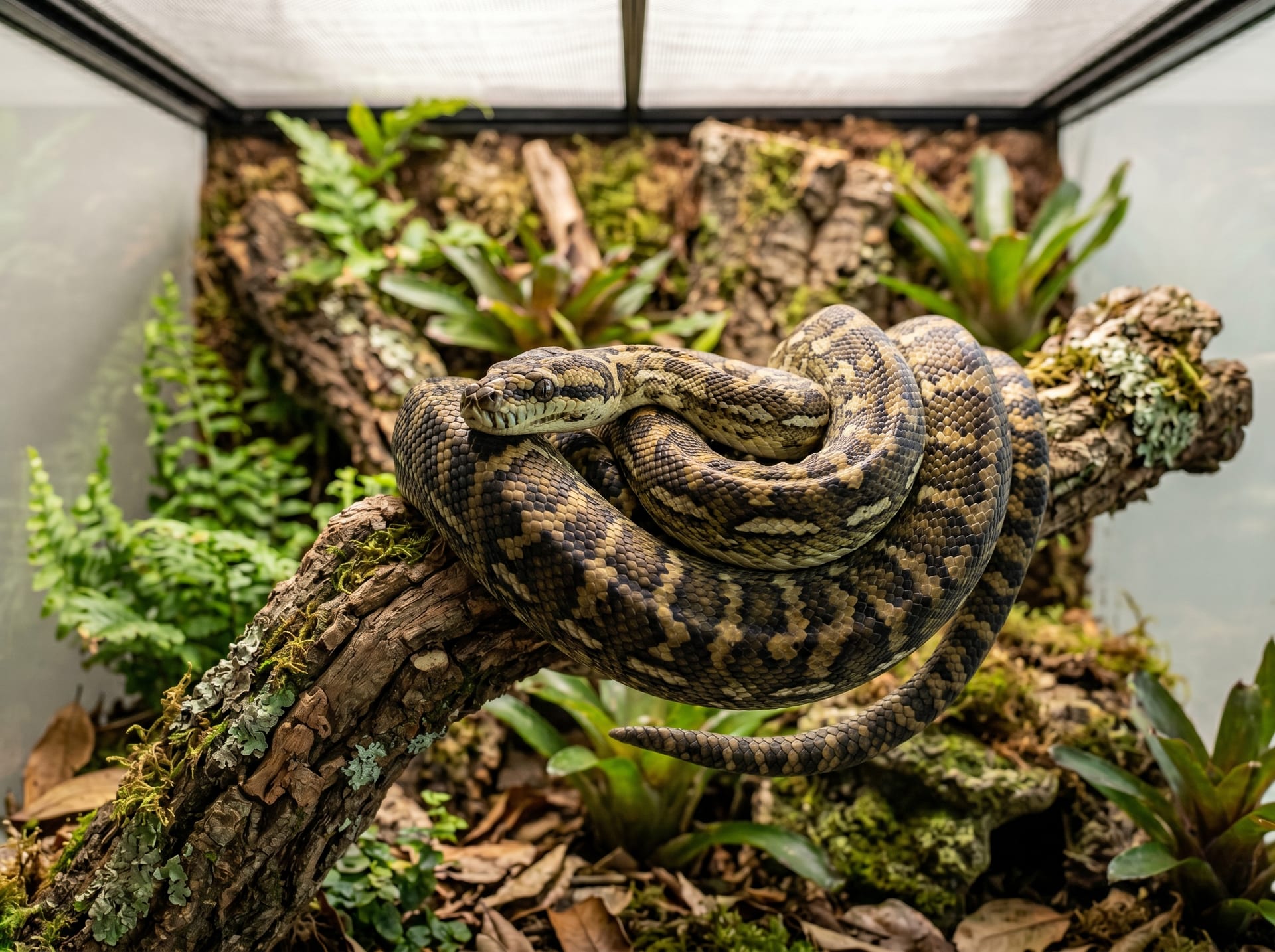
The carpet python (Morelia spilota genus) is a medium to large-sized python found in Australia, New Guinea, and eastern Indonesia. It gets its name from the beautiful patterns on its body—zigzag and blotch patterns resembling those on a carpet.
Position as a Pet Reptile
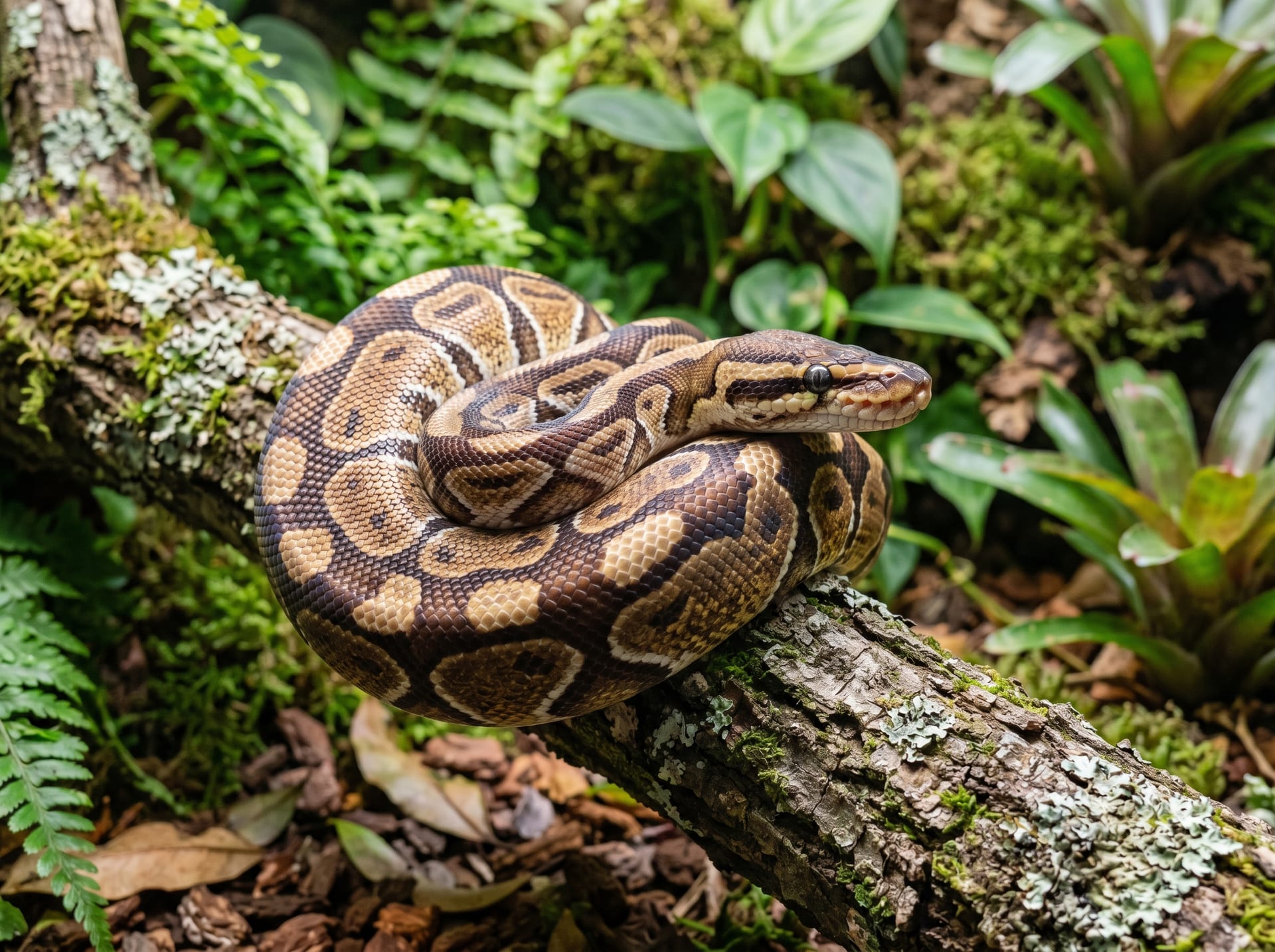
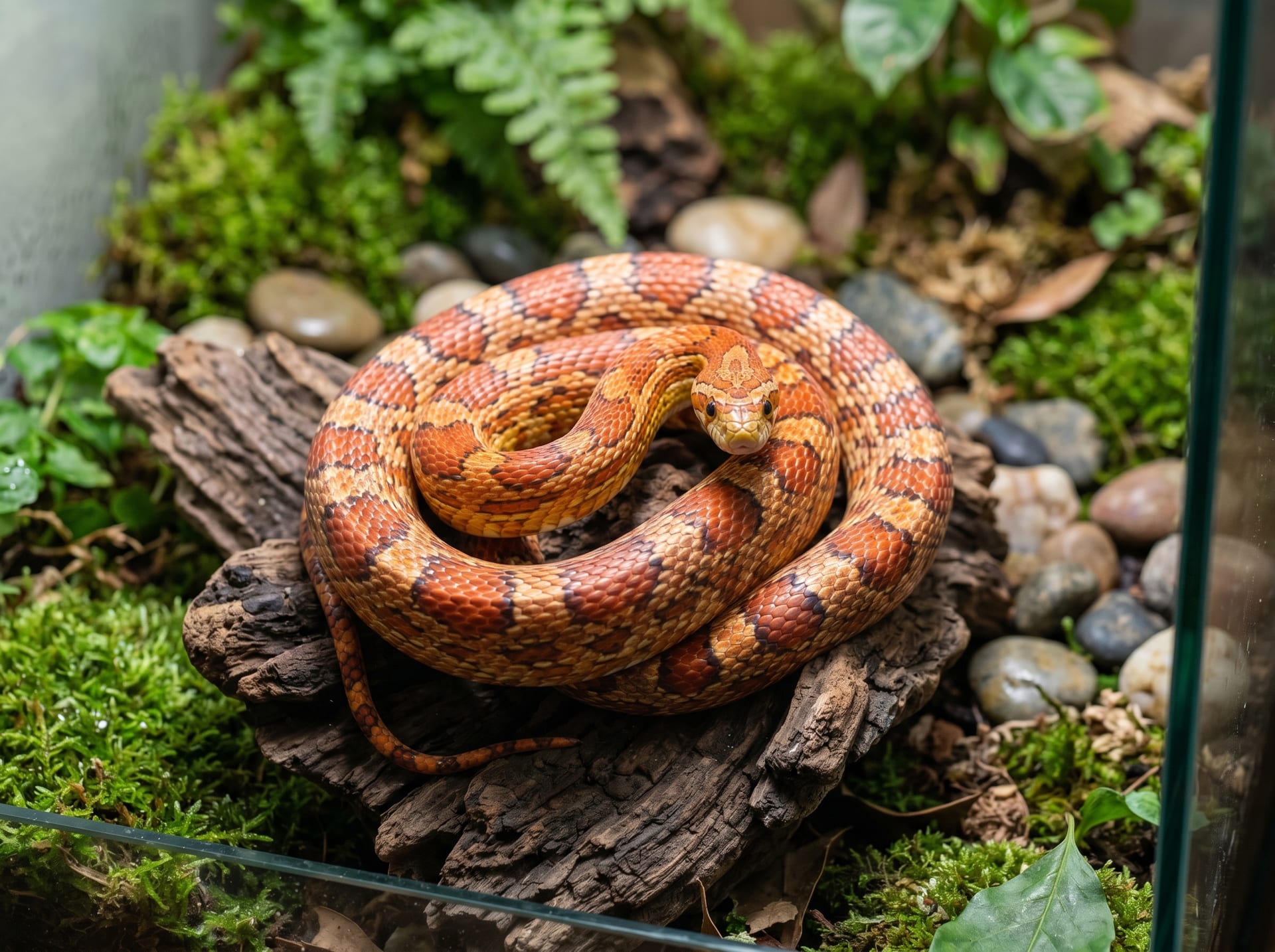
The carpet python is a globally popular medium-sized python, second only to ball pythons and corn snakes in popularity. With an easily manageable size (approximately 120–200 cm), abundant subspecies and morphs, and a relatively hardy constitution, it's ideal as a first step into python keeping.
Subspecies and Types
Carpet pythons have multiple subspecies, each with distinct coloration, patterns, and sizes.
| Subspecies | Scientific Name | Origin | Adult Size | Characteristics |
|---|
| Diamond Python | M. s. spilota | New South Wales Coast | Up to 2–2.5 m | Black with golden-edged spots. Cool-toned individuals |
| Jungle Carpet Python | M. s. cheynei | Northern Queensland Tropical Rainforest | 150–180 cm | Bright yellow and black contrast. Most popular |
| Coast Carpet Python | M. s. mcdowelli | Eastern Queensland Coast | 180–240 cm | Largest subspecies. Brown to olive tones |
| Irian Jaya Carpet Python | M. s. variegata type | Western New Guinea | 120–150 cm | Smallest subspecies. Compact and easy to keep |
| Northern Carpet Python | M. s. variegata | Northern Australia | 150–200 cm | Brown tones with beautiful striped patterns |
Cultivated Morphs
Among jungle carpets and coast carpets, morphs such as Jaguar, Zebra (stripe mutation), and Leucistic (white mutation) exist.
Enclosure Setup and Equipment
Enclosure Size
Carpet pythons are often semi-arboreal, making a tall enclosure essential.
| Age / Size | Recommended Enclosure Dimensions | Capacity |
|---|
| Juvenile to Subadult (up to 100 cm) | 60 cm × 45 cm × 60 cm (height) | Medium |
| Subadult to Adult (100–150 cm) | 90 cm × 45 cm × 90 cm | Large |
| Large Adult (150 cm+) | 120 cm × 60 cm × 90 cm+ | Extra Large |
Enclosure Material: Reptile-specific wooden vivariums and melamine-faced enclosures excel in insulation. Front glass-door models are convenient for observation and maintenance.
Escape Prevention: A locking door is essential. Pythons can push doors open with their heads.
Temperature Management
| Location | Temperature |
|---|
| Basking Spot | 35–38°C |
| Warm Side | 28–30°C |
| Cool Side | 24–27°C |
| Night (entire enclosure) | 22–25°C |
Heating Equipment
- Radiant Heat Panel (RHP): A radiative heat panel installed in the ceiling. Complements carpet pythons' arboreal behavior and naturally encourages basking.
- Basking Light (incandescent/halogen): Create a basking spot with 60–100 W bulbs.
- Ceramic Heater: Nighttime heating without light.
- Under-tank or Panel Heater: Supplemental heating for enclosure floor and sides.
Thermostat: Must be used to prevent overheating accidents.
UVB Lighting
Unlike ball pythons, carpet pythons benefit from weak to moderate UVB (recent research shows UVB is beneficial for all reptiles).
Recommended: Arcadia T5 6% UVB or Zoo Med Reptisun 5.0 for 12–14 hours daily.
Height and Climbing Materials
For semi-arboreal carpet pythons, it's important to create a three-dimensional environment with horizontal perches, thick driftwood, and PVC pipes. Attaching cork bark to walls is also effective.
Water Container
Large individuals also bathe, so provide a water container large enough for the entire body to fit comfortably. Always offer fresh water.
Feeding
Diet and Prey Types
Carpet pythons are obligate carnivores that primarily eat rodents (mice and rats).
Recommended Prey
| Individual Size | Primary Food | Size Guidelines |
|---|
| Juvenile (up to 60 cm) | Pink to Fuzzy Mice | 1–1.2× snake body width |
| Subadult (60–120 cm) | Adult Mice to Small Rats | 1–1.5× body width |
| Adult (120 cm+) | Medium to Large Rats | 1–1.5× body width |
Frozen-Thawed Prey Recommended: Live prey poses a risk of injury to snakes, so frozen-thawed prey is recommended. Avoid microwaves, as they overheat the interior. Thaw at room temperature or warm with warm water (37–40°C).
Feeding Frequency
| Age | Frequency |
|---|
| Juvenile (up to 12 months) | Once every 5–7 days |
| Subadult (1–3 years) | Once every 7–10 days |
| Adult (3 years+) | Once every 10–14 days (increase before breeding in females) |
Dealing with Feeding Refusal
Carpet pythons may lose appetite before and after shedding, during winter, and during breeding season. If a snake refuses food for 1–2 months but maintains body weight, it's not problematic. Ways to encourage feeding: reduce prey size, add live prey scent (roll prey in mouse bedding), or feed at night.
Handling and Taming
Juvenile carpet pythons are wary (may strike and bite), and taming takes time.
Gradual Taming Process
- Do not handle for 2 weeks after introduction: Start taming after the first successful feeding.
- Use a snake hook: Gently lift with a snake hook and transfer to your hand.
- Start with 5–10 minutes: Begin with short handling sessions, repeated regularly.
- Follow a regular schedule: Handling 2–3 times per week speeds taming.
Do not handle immediately after feeding (causes digestive upset and regurgitation. Wait at least 48 hours after feeding).
Breeding
Carpet pythons enter breeding condition after winter cooling (a period of lower temperatures).
Basic Breeding Cycle
| Time | Activity |
|---|
| May–August (Winter) | Cooling (lower temperature to 20–23°C) |
| August–October (Spring) | Warm-up → cohabitate male and female |
| October–December | Mating → egg formation (within 60–100 days) |
| December–February | Egg-laying (8–25 eggs) |
| 60–65 days after egg-laying | Hatching |
Note: Since carpet pythons are native to Australia, they display breeding behavior aligned with Southern Hemisphere seasons. In Japan, cooling during May–August (as above) makes biological sense.
Common Health Issues and Prevention
| Symptom | Possible Condition | Treatment |
|---|
| Regurgitation | Overheating, post-feeding handling, infection | Check temperature, resume feeding after 48 hours, consult vet |
| Wheezing (labored breathing) | Respiratory infection | Seek veterinary care immediately |
| Incomplete shedding (cloudy eyes afterward) | Insufficient humidity | Warm baths, humidity adjustment |
| Mouth rot (mouth pus) | Oral infection | Antibiotic treatment, consult vet |
| Mites | Parasites (from substrate or imported individuals) | Full substrate change, treatment |
Carpet pythons embody the true joy of python keeping with their diverse subspecies and morphs, and can live 10–20 years or longer. By maintaining appropriate temperature gradients, a climbing-rich environment, and a consistent feeding routine, even beginners can successfully keep them long-term. They are truly captivating snakes.