Source: Wikimedia Commons
Eastern Hognose Snake
AdvancedHeterodon platirhinos
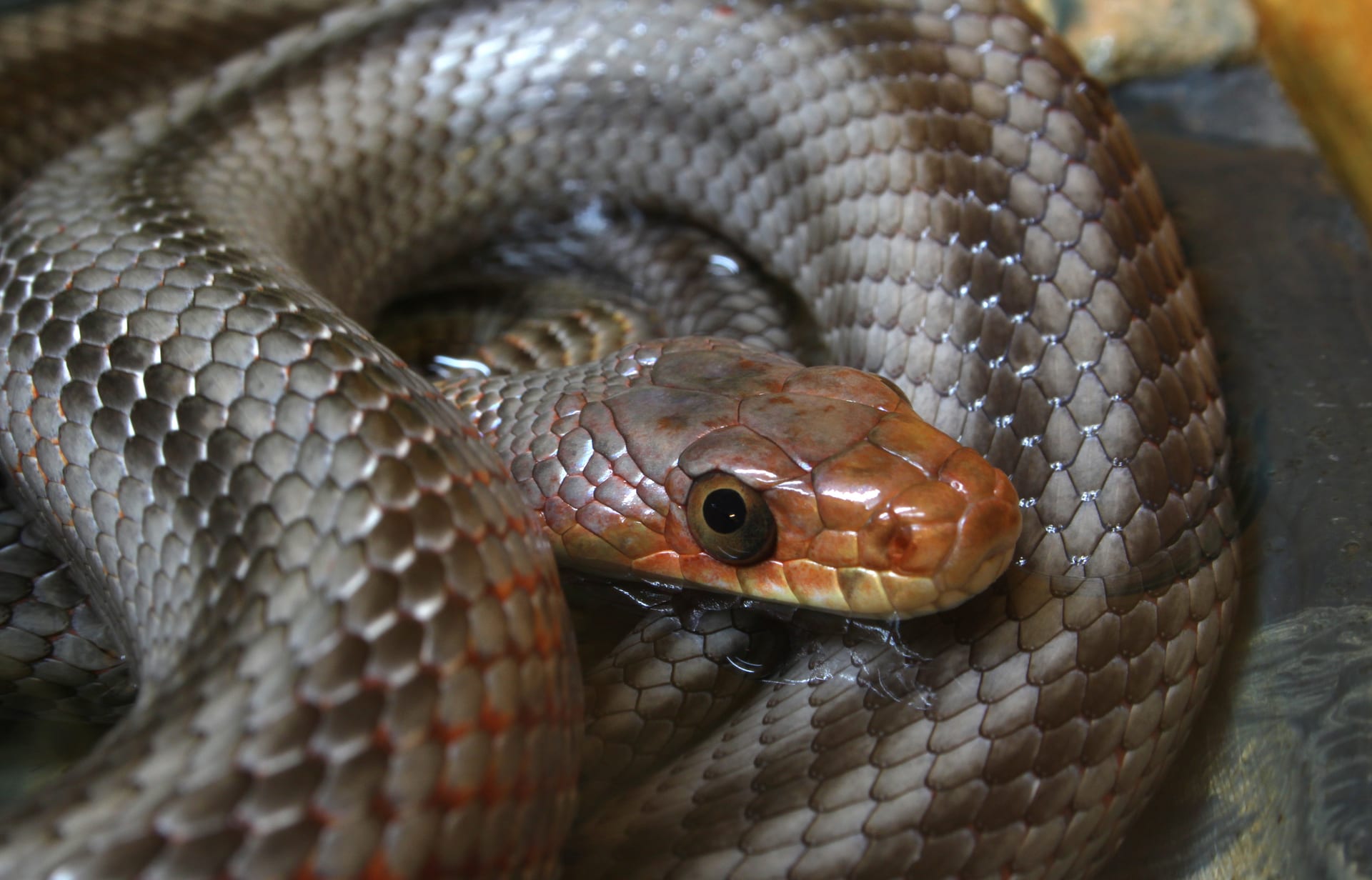
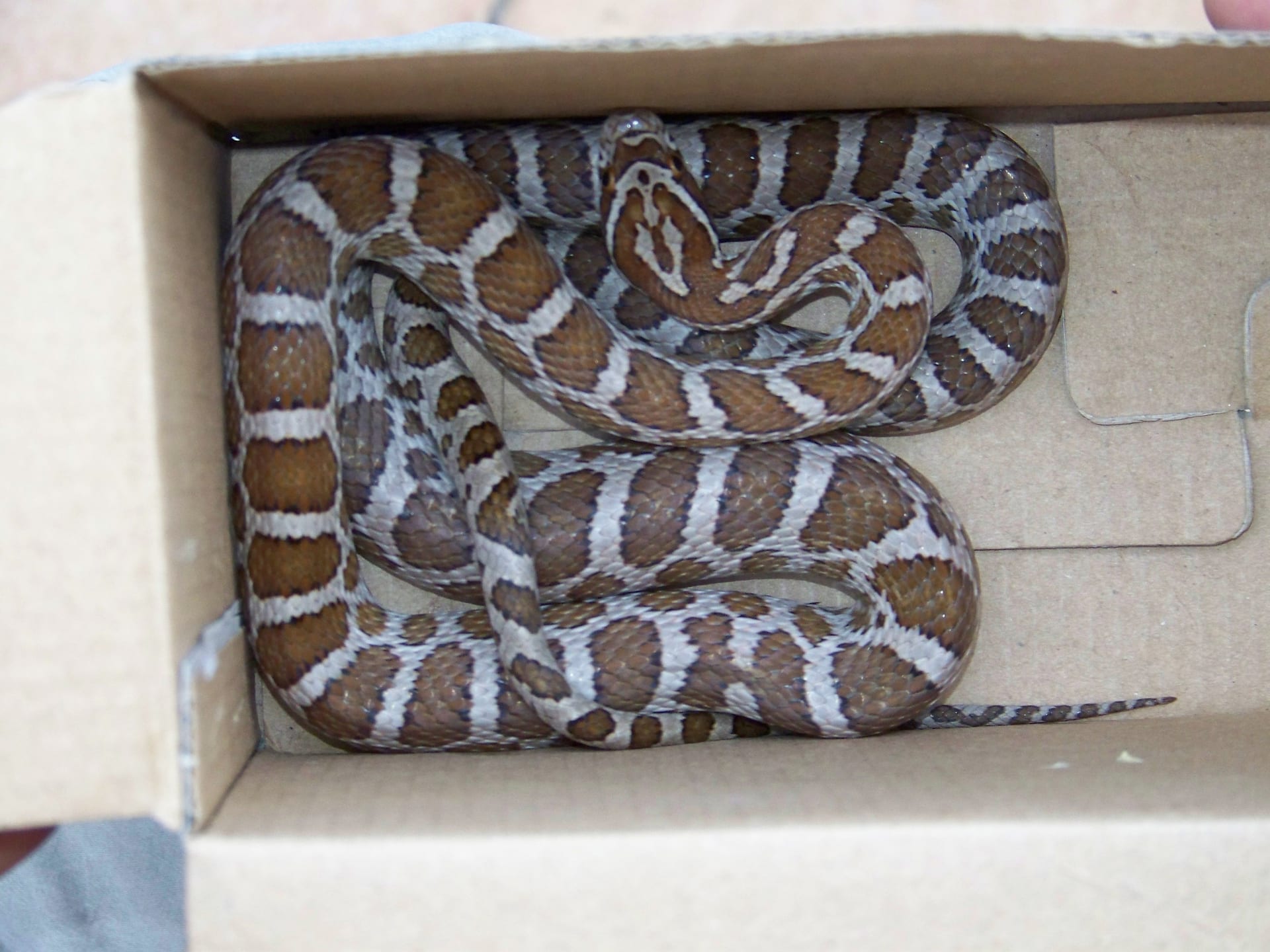
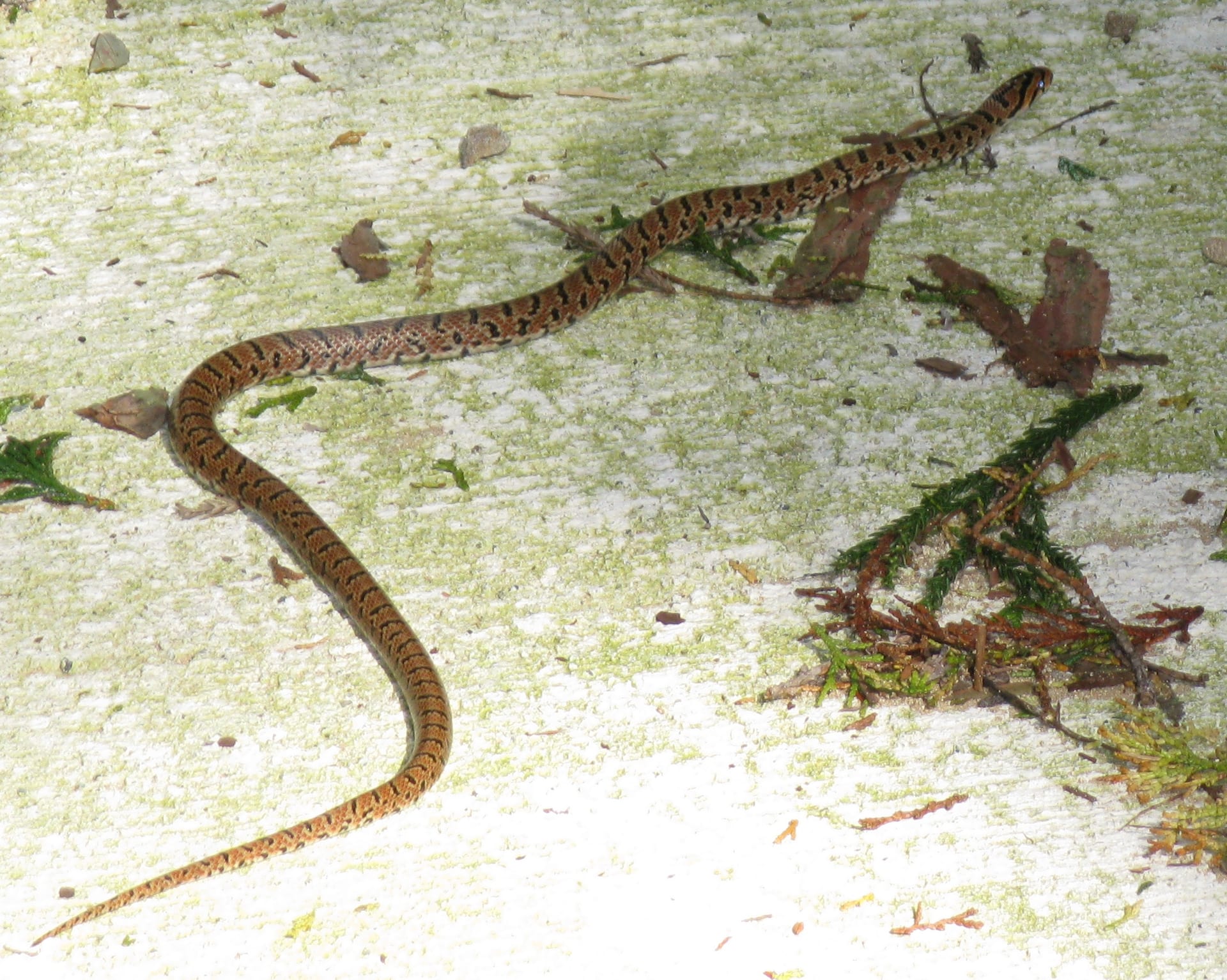
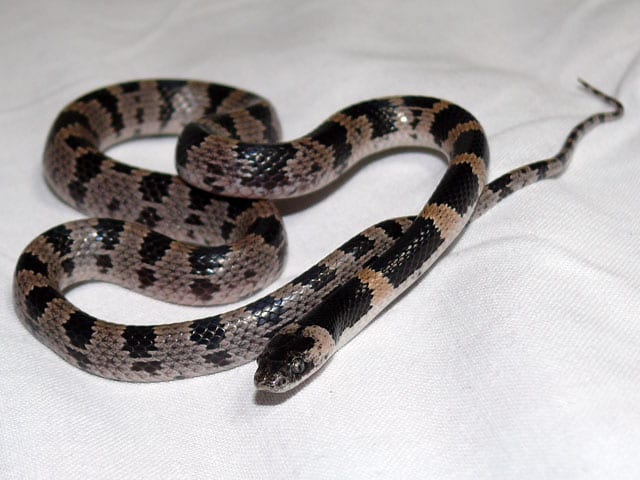
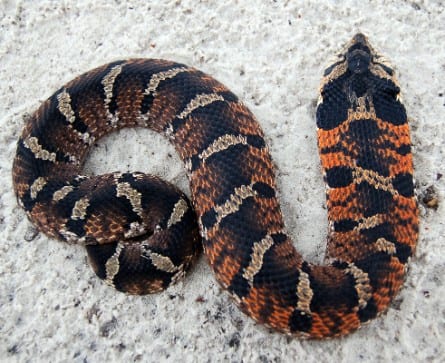
A very stout snake with an upturned snout. Colour varies greatly and melanistic animals are relatively common, with 16-31 dark blotches along the back. It is rear-fanged with a mild venom specialised for amphibian prey and essentially harmless to people.
Difficulty
Advanced
Lifespan
10-15 years
Size
30-80cm total length, with a maximum of 137cm
Humidity
40〜70%
Diet
Carnivorous, feeding mainly on frogs and especially toads
About
The eastern hognose snake (Heterodon platirhinos) is a North American endemic and the type species of its genus. It measures 30-80 cm and reaches 137 cm, is very stout, and has the upturned snout characteristic of Heterodon, though less strongly upturned than in its congeners. There are 23 or 25 rows of dorsal scales at midbody, 114-150 ventrals and 37-60 subcaudals. Colour varies widely and melanistic animals are relatively common; 16-31 dark blotches run along the back, the ventrals are dark and the subcaudals paler. It is rear-fanged with a mild venom, specialised for subduing amphibians and essentially harmless to people, though rare allergic reactions can produce local swelling. It favours upland sandy pine forest, old fields and forest edges, choosing places with dry, loose soil for burrowing, and reaches its highest densities on dunes and barrier beaches where toads of the genus Anaxyrus are abundant. It shows the threat behaviour typical of the genus, first bluffing with closed-mouth strikes and then, if that fails, feigning death.
Source: Wikipedia (CC BY-SA 4.0)
Lifespan of the Eastern Hognose Snake
The Eastern Hognose Snake lives 10-15 years.
Size of the Eastern Hognose Snake
The Eastern Hognose Snake grows to 30-80cm total length, with a maximum of 137cm.
Basic Info
Origin
The central United States to the East Coast, north to Minnesota, Wisconsin, southern New Hampshire and Massachusetts, west to Texas and Kansas and south into southern Florida, plus southern Ontario in Canada, in upland sandy pine forest, old fields and forest edges
Lifespan
10-15 years
Care Specifications
PeacefulSolitaryBreeding: Very hard
Sources: ReptiFiles: Hognose Snake Temperatures, Humidity & Lighting / Wikipedia (Japanese) / Wikipedia (English): Eastern hognose snake
References & Sources
Edited & verified by: BreederDirect editorial team
The taxonomic, regulatory, and husbandry data on this page are compiled and verified against the authoritative primary sources below.
Taxonomy & Authority
Accepted name: Heterodon platirhinos Latreille, 1801
Synonyms: Coluber heterodon Daudin, 1803, Heterodon platyrhinos (Latreille, 1801), Heterodon browni Stejneger, 1903
Authority databases: GBIF · Reptile Database
Nomenclature follows global taxonomic authority databases.
Regulations & Conservation Status
Not CITES-listedIUCN LC · Least Concern
It is not listed in any CITES Appendix (no listing record in Species+). Its IUCN Red List assessment is Least Concern (LC). Among the specified animals listed in the Schedule of the Enforcement Decree of the Law Concerning the Protection and Management of Animals, Colubridae are limited to four genera—Dispholidus (boomslang), Rhabdophis (keelback snakes), Tachymenis, and Thelotrnis (African whip snakes)—and this species is not included. It is not listed as a specified invasive species under the Invasive Species Act. Though it possesses venom in its posterior fangs, this is specialized for amphibians and is essentially harmless to humans.
Sources: CITES Species+ (species not listed) / Order for Enforcement of the Act on Welfare and Management of Animals, appended table
Regulations may change. Always verify the latest information with the relevant authorities.
Eastern Hognose Snake Listings
Loading latest listingsFind listings for this species