Source: Wikimedia Commons
Japanese Forest Rat Snake
AdvancedEuprepiophis conspicillatus
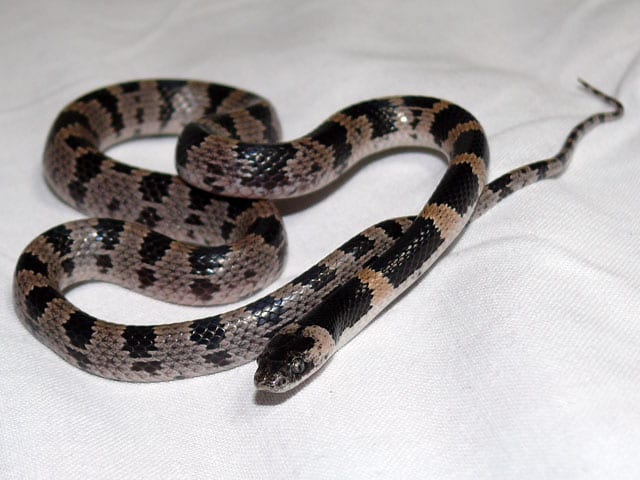
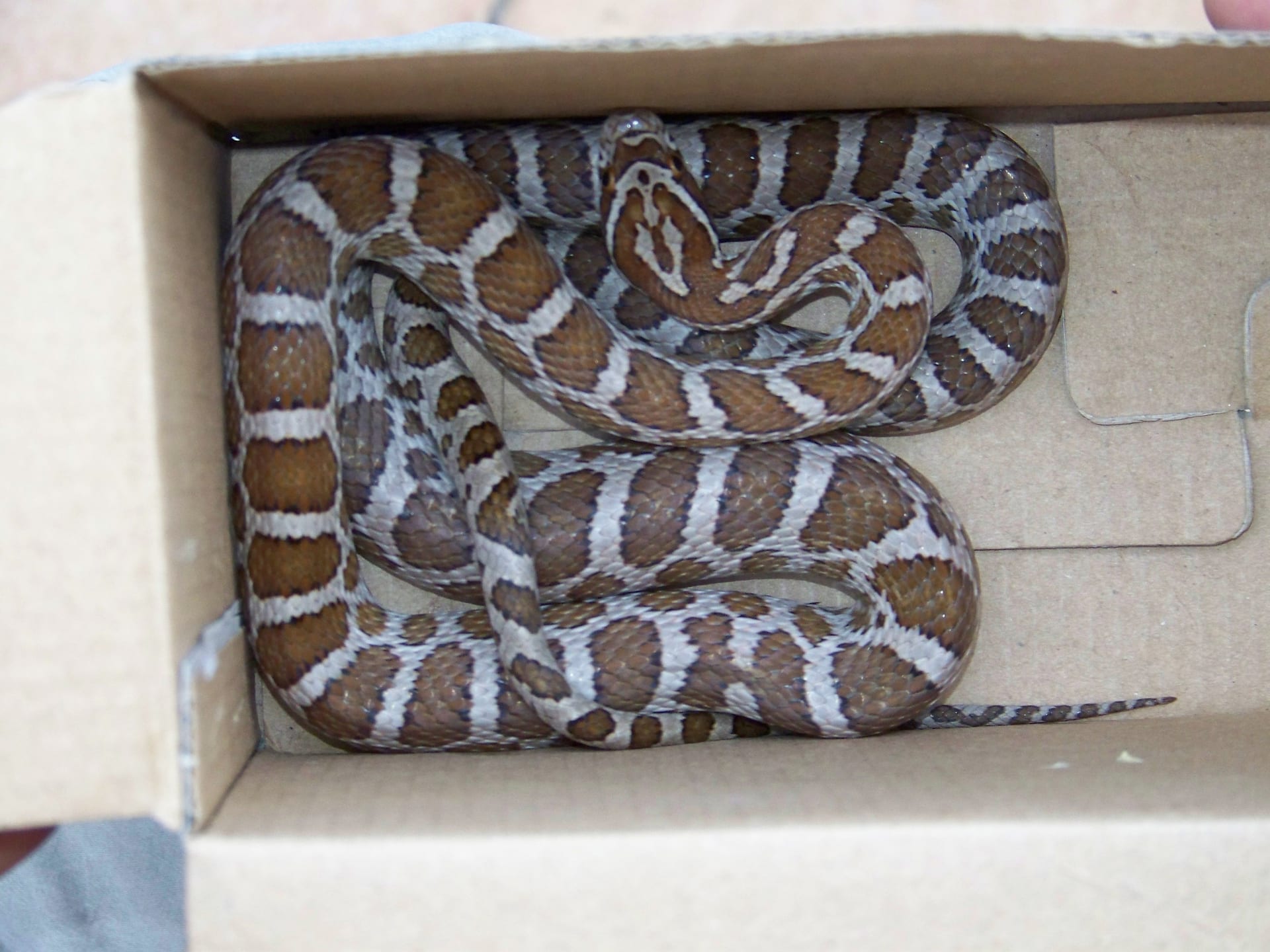
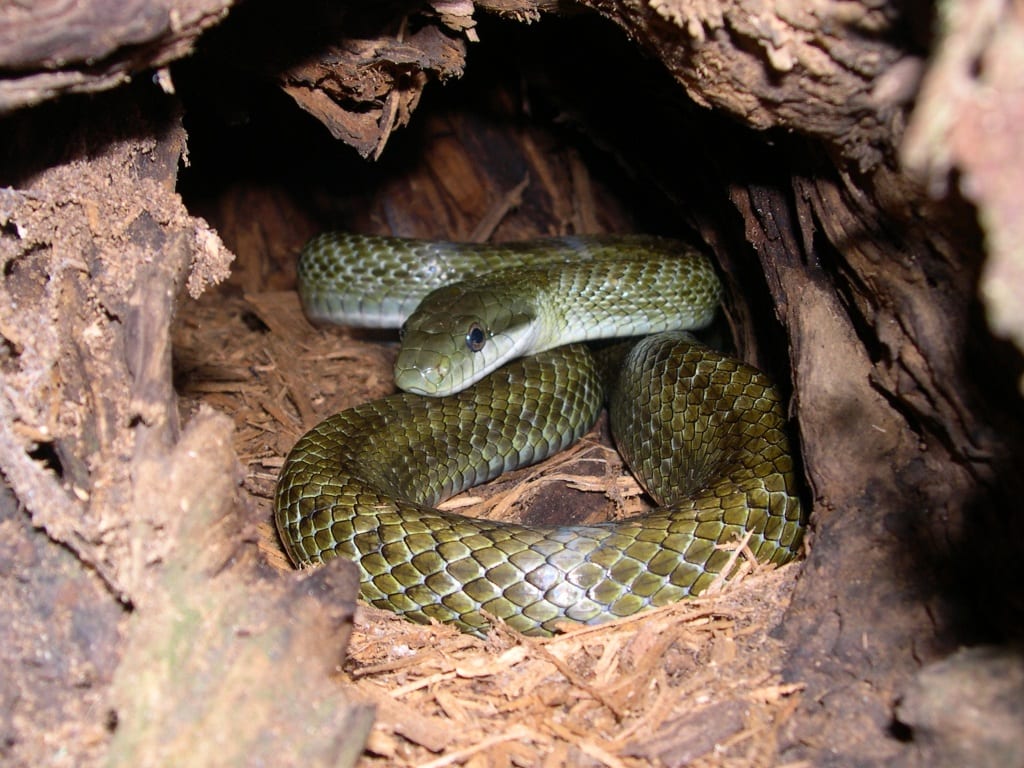
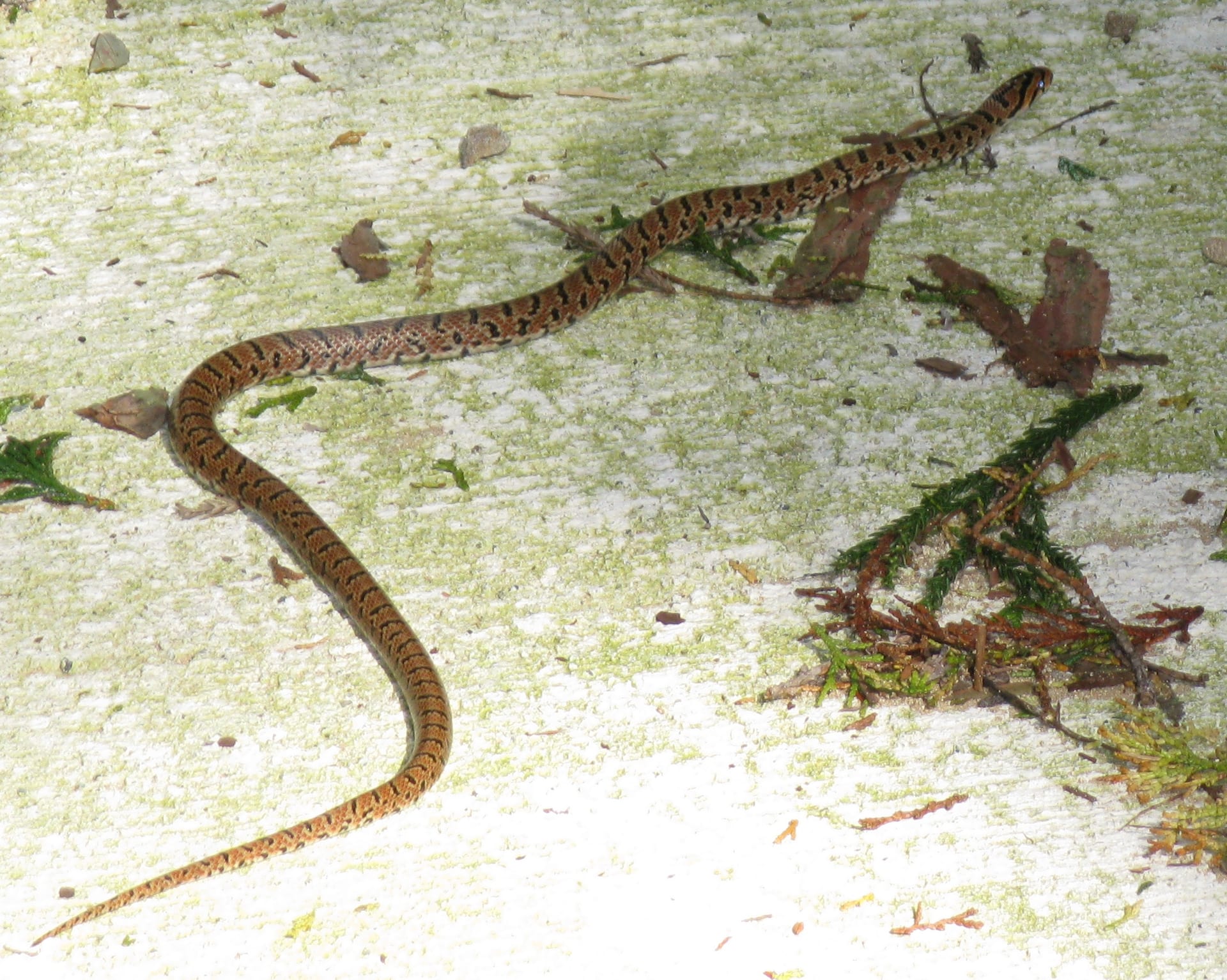
A Japanese endemic, reddish brown with black spots and a chequered belly. A V-shaped mark on the head runs across the eye, the origin of the epithet meaning spectacles, and the upper jaw overhangs the lower.
Difficulty
Advanced
Temperature
24℃
Lifespan
10-15 years
Size
70-100cm total length
Humidity
40〜70%
Diet
Carnivorous: small mammals such as mice and moles, with a particular preference for nestling mice in underground nests
About
The Japanese forest rat snake (Euprepiophis conspicillatus) is a colubrid endemic to Japan, 70-100 cm long. It is reddish brown with black spots that in some animals form a zigzag and that fade with age. The ventral scales carry black markings in a chequerboard pattern, the source of its Japanese alternative name. A V-shaped mark on the head runs across the eye, giving the epithet, which means spectacles. The upper jaw overhangs the lower, thought to keep soil out of the mouth as the snake pushes through the ground. The neck is thick and poorly demarcated from the head, and there are 21 rows of dorsal scales. As its Japanese name, the burrower, suggests, it favours the forest floor and works its way into soil and under stones. It prefers cool conditions of around 24 C, is active in the cool of morning and evening, and becomes inactive in the summer heat. It feeds mainly on small mammals such as mice and moles, with a particular liking for nestling mice in underground nests. Captive records show it feeds actively only in spring and autumn, when mice breed, and fasts through summer and winter.
Source: Wikipedia (CC BY-SA 4.0)
Lifespan of the Japanese Forest Rat Snake
The Japanese Forest Rat Snake lives 10-15 years.
Size of the Japanese Forest Rat Snake
The Japanese Forest Rat Snake grows to 70-100cm total length.
Temperature & humidity for the Japanese Forest Rat Snake
The ideal temperature for the Japanese Forest Rat Snake is 24℃.
Basic Info
Origin
Care Specifications
PeacefulSolitaryBreeding: Very hard
Sources: Wikipedia (Japanese) / Wikipedia (English): Euprepiophis conspicillata / Reptile Database: Euprepiophis conspicillata
References & Sources
Edited & verified by: BreederDirect editorial team
The taxonomic, regulatory, and husbandry data on this page are compiled and verified against the authoritative primary sources below.
Taxonomy & Authority
Accepted name: Euprepiophis conspicillatus (Boie, 1826)
Synonyms: Coluber conspicillatus Boie, 1826, Elaphe conspicillata (Boie, 1826), Elaphe conspicillata japonica Maki, 1931
Authority databases: GBIF · Reptile Database
Nomenclature follows global taxonomic authority databases.
Regulations & Conservation Status
Not CITES-listedIUCN LC · Least Concern
Not listed in CITES Appendices (no listing record in Species+). IUCN Red List assessment is Least Concern (LC). This species is not designated as a special animal specified in the Cabinet Order for the Law Concerning the Protection and Management of Animals, nor is it designated as a designated alien species in the Cabinet Order for the Alien Species Act. This species is endemic to Japan, and collection from the wild may be subject to municipal ordinances or protected area regulations.
Sources: CITES Species+ (species not listed) / IUCN Red List
Regulations may change. Always verify the latest information with the relevant authorities.
Japanese Forest Rat Snake Listings
Loading latest listingsFind listings for this species