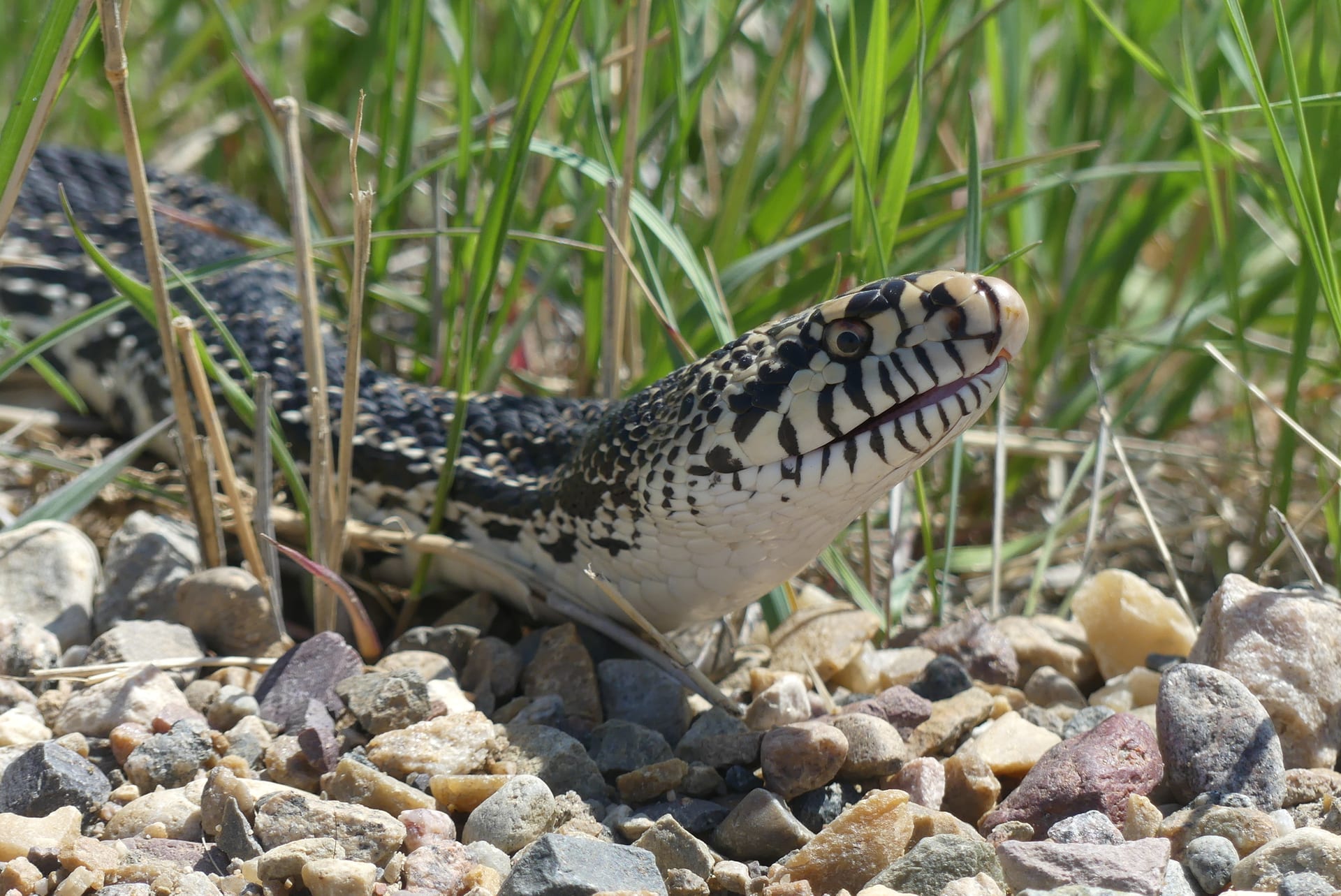
 © Ellyne Geurts / CC0
Bullsnake
The Bullsnake, a large subspecies of gopher snake, is native to the grasslands and arid regions of North America and displays a striking pattern of dark blotches on a pale tan body. Adults typically grow to between 91 and 213 cm, with a notably thick, muscular build. Bold and curious by nature, bullsnakes tend to tame down well and many individuals make engaging handling companions. When threatened, they perform a dramatic bluff, inflating their bodies and vibrating their tails to mimic the warning rattle of a rattlesnake, even though they are completely harmless and non-venomous. Combined with their hardy constitution, this makes them a great choice for reptile keepers who are just starting out.
View Bullsnake encyclopedia →0% commission on your first sales!Register by September 30, 2026 and your first 2 sales are commission-free!
Breeder Wanted!
List on BreederDirect and sell directly to customers nationwide!
6 Transparency Promises from Br-Choku
Every Reptiles & Amphibians from verified Breeder breeders includes complete information: morph, genetics, feeding requirements, and temperament details.
- Morph Information
- Actual Photos
- Feeding Information
- Temperament Information
- Genetics Information
- Age (Months)
Browse all 280 breeds
Difficulty Level
Feeding Type
Temperament
Verified breeders wanted for Reptiles & Amphibians
Breeders are signing up now ahead of launch. Subscribe to be notified when new listings go live.
Getting alerts is free with a member account. When new listings match your saved search, we'll notify you by email and in-app.
Browse other categories
Verified breeders (preview)
Are you raising reptiles & amphibians?
Register as a breeder and connect with buyers directly.
Apply as a breederBullsnake key facts
- Care level
- Beginner-friendly
- Lifespan
- About 15 years on average, with records of over 30 years
- Size
- 91-213cm
- Diet
- Frozen-thawed mice and rats
- Temperature & Humidity
- Provide a thermal gradient so the snake can choose where to sit. It prefers relatively dry conditions and needs no added humidity outside the shed cycle; when a shed approaches, offer a hide filled with damp moss or paper towel.
- Enclosure
- Active and an accomplished escape artist, so the enclosure must lock securely. Floor space matters more than height: an adult does best in an enclosure about 120 cm long. Because it burrows, use a deep substrate and provide hides.
- Diet & Feeding
- Hatchlings take mice and adults take rats. Offer prey the same size as, or slightly larger than, the thickest part of the body, once a week. The appetite is voracious, so guard against obesity from overfeeding; thawed frozen prey is the safest option.
- Temperament
- Most individuals are docile and handle well, though some put on a loud defensive display. Bites are uncommon, but hatchlings can be nippy and settle with regular, gentle handling.
- Notes
- Not listed on any CITES appendix, and not among Japan's designated dangerous animals. It is non-venomous but grows large, so secure the enclosure carefully and take care when feeding.
About Bullsnake
A guide to the Bullsnake (gopher snake), a hardy, beginner-friendly North American colubrid. It grows 91-213 cm, lives around 15 years on average, and is known for its calm, bold temperament.
7 things to know before welcoming a Bullsnake
1Grows Large and Sturdy
Adults reach 91 to 213 cm in length with a thick, muscular build. Plan your enclosure size with this full-grown size in mind from the start.
2A Bluffing Display
When startled, bullsnakes inflate their bodies and rapidly vibrate their tails to mimic a rattlesnake's warning sound. It looks intimidating, but it is simply a harmless defensive bluff.
3Tends to Tame Down Well
Many individuals are curious and bold, and once accustomed to handling they tend to stay calm. Temperament varies between individuals, so build trust gradually rather than rushing.
4Beginner-Friendly Care
Bullsnakes are hardy and adaptable, making them a solid choice for first-time reptile keepers. As long as you maintain basic temperature and humidity ranges, they are generally easy to keep trouble-free.
5A Long-Term Commitment
The average lifespan is around 15 years, with some records exceeding 30 years, so this is a pet you will likely share your life with for a long time. Before bringing one home, make sure you can commit to years of consistent care.
6Likes to Burrow and Hide
In the wild, bullsnakes shelter in burrows and under cover, and captive individuals often enjoy burrowing into substrate or hiding in shelters. Providing a snug hide and enough substrate depth to burrow in helps them feel secure.
7Strong and Powerful Build
Their thick, well-muscled bodies are surprisingly strong, so support them securely when lifting or handling. Also choose an enclosure with a sturdy, secure lid to prevent escapes.
Frequently asked questions about Bullsnake
- Q.Is the Bullsnake suitable for beginner keepers?
- A.Yes, bullsnakes are hardy and adaptable, making them a good choice for first-time reptile keepers. Maintaining proper temperature and humidity is the key to keeping them healthy.
- Q.How large does a Bullsnake grow?
- A.Adults typically reach between 91 and 213 cm in length. Since size varies by individual, it's wise to prepare an enclosure with room to grow.
- Q.Is it dangerous when it mimics a rattlesnake sound?
- A.This display happens when the snake feels threatened, but it is simply a harmless bluff from a non-venomous species. Approaching calmly and avoiding sudden movements keeps interactions stress-free.
- Q.How long can I expect to keep a Bullsnake?
- A.The average lifespan is around 15 years, with some individuals recorded living past 30. Since this is a long-term commitment, it's worth planning ahead before bringing one home.
- Q.Are there any legal restrictions on keeping a Bullsnake?
- A.The Bullsnake (gopher snake) is not listed under CITES.
Useful tools for Bullsnake care
Learn more about Bullsnake in the encyclopedia
View Bullsnake encyclopedia entry →
Care difficulty, lifespan, size and diet — all basics covered.
More in this category
Can't find the one you're looking for?
Post your wishes for free and breeders with matching animals will contact you with introductions.