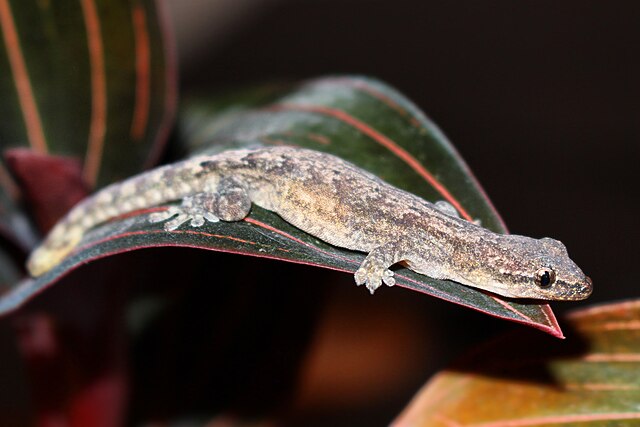
 © Blueag9 / CC BY-SA 3.0
Mourning Gecko
The mourning gecko is a small parthenogenetic gecko species in which females reproduce without mating, an unusual trait among reptiles. Reaching only about 7 to 10 cm as adults, they thrive in compact terrariums and have become increasingly popular in recent years. Mostly active at dusk and dawn as well as at night, they move nimbly across branches and leaves. Most individuals are calm and not easily startled, though they can leap suddenly when alarmed, so care should be taken when opening enclosure doors. As omnivores that eat both insects and prepared diets, feeding is relatively straightforward. With a lifespan of 8 to 10 years, they can be a long-term companion for reptile keepers.
View Mourning Gecko encyclopedia →0% commission on your first sales!Register by September 30, 2026 and your first 2 sales are commission-free!
Breeder Wanted!
List on BreederDirect and sell directly to customers nationwide!
6 Transparency Promises from Br-Choku
Every Reptiles & Amphibians from verified Breeder breeders includes complete information: morph, genetics, feeding requirements, and temperament details.
- Morph Information
- Actual Photos
- Feeding Information
- Temperament Information
- Genetics Information
- Age (Months)
Browse all 280 breeds
Difficulty Level
Feeding Type
Temperament
Verified breeders wanted for Reptiles & Amphibians
Breeders are signing up now ahead of launch. Subscribe to be notified when new listings go live.
Getting alerts is free with a member account. When new listings match your saved search, we'll notify you by email and in-app.
Browse other categories
Verified breeders (preview)
Are you raising reptiles & amphibians?
Register as a breeder and connect with buyers directly.
Apply as a breederAbout Mourning Gecko
Mourning gecko: a tiny parthenogenetic gecko species. Beginner-friendly, 8-10 year lifespan, 7-10 cm adult size. Learn the essentials before bringing one home.
7 things to know before welcoming a Mourning Gecko
1Reproduces Without Mating
Mourning geckos are parthenogenetic, meaning females can lay fertile eggs without a mate. If you keep more than one, eggs can appear without you noticing, so it helps to keep an eye on population growth.
2Tiny Size, Small Footprint
As adults they measure only about 7 to 10 cm, so a compact terrarium is sufficient. Because they are so small, watch for any gaps they could squeeze through and escape.
3Active at Dusk and Dawn
Mostly nocturnal, they are often most active around dusk and dawn. During the day they tend to rest in hiding spots, making them well suited to a quiet, low-disturbance keeping style.
4Can Leap Away When Startled
While generally calm, they can leap away quickly if startled. Open enclosure doors slowly and be mindful of the risk of escape.
5Diet of Insects and Prepared Food
They are omnivorous and will eat both insects and commercial prepared diets. Relying on prepared food can simplify feeding logistics and reduce day-to-day care demands.
6Needs Humidity and Climbing Space
As an arboreal species, they need branches, leaves, or other climbing surfaces in their setup. Maintaining humidity through regular misting is also an important part of their care.
7A Long-Term Commitment
With a lifespan of 8 to 10 years, they live longer than many small reptiles. Before bringing one home, consider whether you can provide consistent care for that length of time.
Frequently asked questions about Mourning Gecko
- Q.Is the mourning gecko listed under CITES?
- A.The mourning gecko is not listed under CITES.
- Q.Do I need a male and female pair to breed them?
- A.No, mourning geckos reproduce through parthenogenesis, so females can lay fertile eggs on their own. There are no males in this species, and even a single female may produce eggs.
- Q.Is the mourning gecko suitable for beginners?
- A.Yes, this species is generally considered beginner-friendly. That said, being very small, they do require proper humidity control and a climbable enclosure layout, so it's worth preparing the setup in advance.
- Q.How long do mourning geckos typically live?
- A.Their typical lifespan is around 8 to 10 years. Despite their small size, it's best to plan for long-term care when deciding to keep one.
- Q.What should I feed a mourning gecko?
- A.They are omnivorous and eat both insects and commercial prepared diets. Using prepared food can make feeding easier to manage.
Useful tools for Mourning Gecko care
Learn more about Mourning Gecko in the encyclopedia
View Mourning Gecko encyclopedia entry →
Care difficulty, lifespan, size and diet — all basics covered.
More in this category
Can't find the one you're looking for?
Post your wishes for free and breeders with matching animals will contact you with introductions.