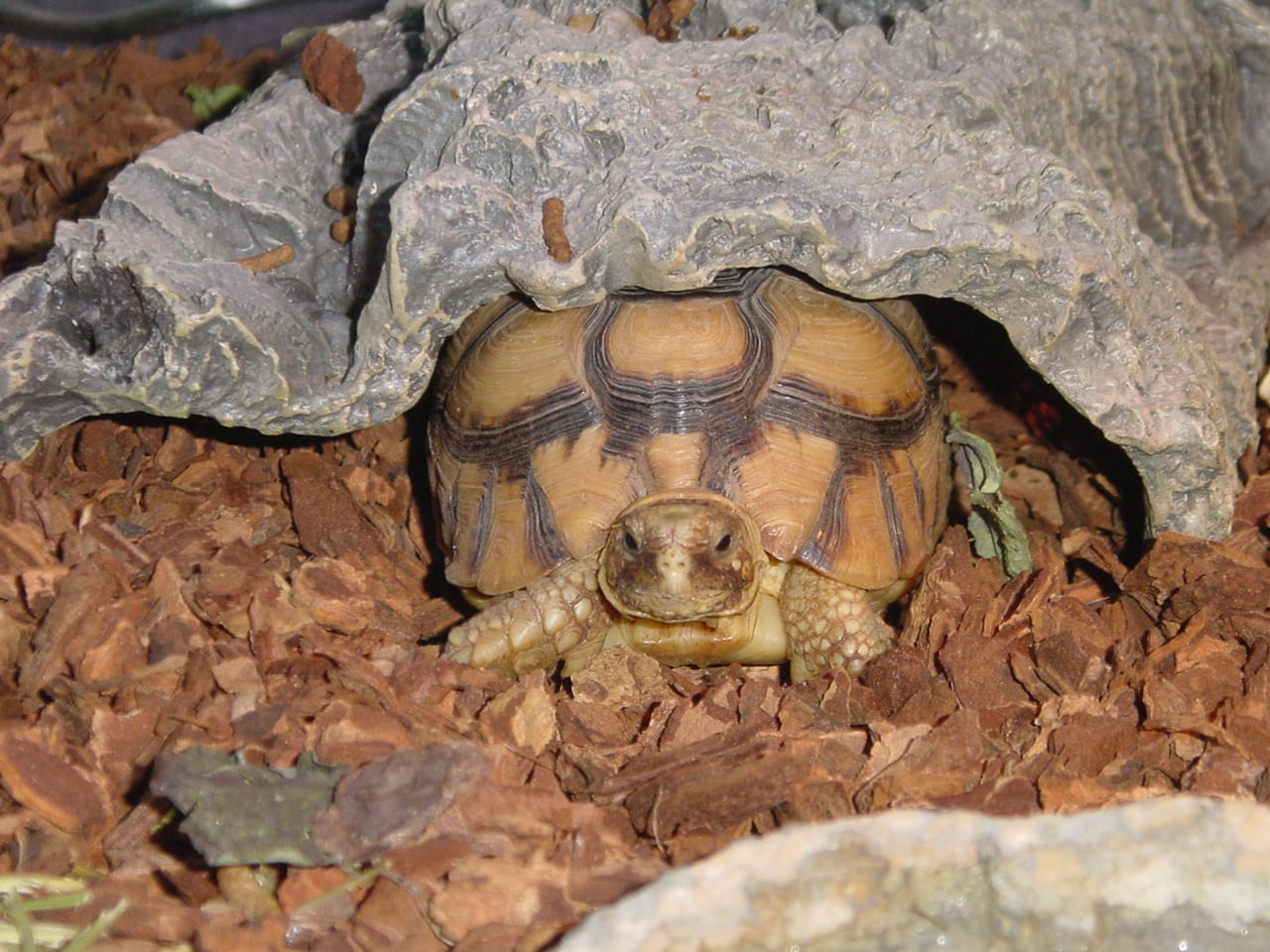
 © Nicola / CC BY-SA 4.0
Egyptian Tortoise
The Egyptian Tortoise is the smallest species in the genus Testudo, reaching a maximum shell length of only about 13.1cm as an adult — small enough to sit comfortably in your palm. Its shell is light in color, often with darker markings around the seams of the scutes, giving it a modest yet distinctive look. By nature it is shy and easily startled, often retreating into hiding rather than exploring openly. Because it thrives in dry, arid conditions, keeping one well requires careful attention to temperature and humidity, which is why this species is generally recommended for experienced keepers rather than beginners. For someone ready to put in that care, it can make a quietly rewarding companion for many years.
View Egyptian Tortoise encyclopedia →0% commission on your first sales!Register by September 30, 2026 and your first 2 sales are commission-free!
Breeder Wanted!
List on BreederDirect and sell directly to customers nationwide!
6 Transparency Promises from Br-Choku
Every Reptiles & Amphibians from verified Breeder breeders includes complete information: morph, genetics, feeding requirements, and temperament details.
- Morph Information
- Actual Photos
- Feeding Information
- Temperament Information
- Genetics Information
- Age (Months)
Browse all 280 breeds
Difficulty Level
Feeding Type
Temperament
Verified breeders wanted for Reptiles & Amphibians
Breeders are signing up now ahead of launch. Subscribe to be notified when new listings go live.
Getting alerts is free with a member account. When new listings match your saved search, we'll notify you by email and in-app.
Browse other categories
Verified breeders (preview)
Are you raising reptiles & amphibians?
Register as a breeder and connect with buyers directly.
Apply as a breederEgyptian Tortoise key facts
- Care level
- Advanced
- Lifespan
- Maximum recorded longevity in captivity is 21 years
- Size
- Carapace up to 13.1cm
- Diet
- Grasses, leaves, flowers and tortoise diet
- Temperature & Humidity
- It lives in desert and grassland and aestivates in a burrow through the dry season, so keep it dry. In breeding accounts eggs are incubated at 28-31 C, with lower temperatures believed to produce males and higher ones females.
- Enclosure
- It is small but digs, so give it substrate deep enough to burrow into. Even for breeding, about 15 cm of substrate is enough, or a separate nesting box can be provided.
- Diet & Feeding
- Herbivorous: feed grasses, leaves and flowers. It lives on arid-land plants, so build the diet around high-fibre food.
- Temperament
- Small and placid, though males pursue females in the breeding season. It is best to keep pairs apart until the female has reached about 13 cm.
- Notes
- The species was covered by the Appendix II listings of the genus Testudo from 1975 and of the family Testudinidae from 1977, and was moved to Appendix I with effect from 16 February 1995. In Japan it is an internationally endangered species and every transfer requires an individual registration certificate. It is neither a designated dangerous animal nor an invasive alien species.
About Egyptian Tortoise
The Egyptian Tortoise is the smallest Testudo species, reaching just 13.1cm. Learn about its traits, temperament, and why it suits experienced keepers.
7 things to know before welcoming a Egyptian Tortoise
1Requires a Dry, Arid Setup
Because it comes from an arid habitat, keeping the enclosure on the dry side is essential. Excess humidity over time can cause health problems, so good ventilation and a well-chosen substrate matter more than they might for other tortoise species.
2Delicate Due to Its Small Size
As the smallest Testudo species, with adults reaching only about 13.1cm, its small body is more sensitive to fluctuations in temperature and humidity. Keeping conditions stable and avoiding sudden changes helps it stay healthy.
3Best Suited to Experienced Keepers
Because temperature and humidity management is demanding and requires close observation for subtle changes in condition, this species is generally considered suitable for keepers with prior tortoise experience. First-time owners should research thoroughly before bringing one home.
4A High-Fiber, Plant-Based Diet
The diet should center on fibrous, plant-based foods such as weeds and grasses. Since nutritional imbalance can affect its health, it's important to vary what's offered and pay attention to calcium supplementation.
5A Shy, Cautious Temperament
It tends to be sensitive to noise and sudden movement, often retreating into hiding rather than staying out in the open. Rather than forcing interaction, giving it a calm environment to adjust at its own pace works best.
6Best Kept Individually
Males in particular can be territorial and prone to conflict with each other, so housing multiple tortoises together requires careful attention to space and compatibility. Starting with a single tortoise is a good way to get comfortable with its care.
7Prepare the Setup Before Arrival
Set up temperature and humidity control equipment before the tortoise arrives, and confirm it runs stably in advance. Since this species can live a long time under human care, getting the setup right beforehand matters a great deal.
Frequently asked questions about Egyptian Tortoise
- Q.Can a beginner keep an Egyptian Tortoise?
- A.This species is generally considered suitable for experienced keepers. Its temperature and humidity requirements are demanding, so it's best suited to those with prior tortoise-keeping experience. First-timers should research thoroughly beforehand.
- Q.How big does an adult Egyptian Tortoise get?
- A.It's the smallest species in the genus Testudo, with adults reaching a maximum shell length of about 13.1cm — small enough to fit comfortably in your palm.
- Q.How long can an Egyptian Tortoise live?
- A.The longest recorded lifespan in captivity is 21 years. With consistent, careful care, it has the potential to be a long-term companion.
- Q.Can it be kept the same way as other tortoises?
- A.Since it prefers arid conditions, care routines designed for tortoise species that favor higher humidity aren't a good fit as-is. Temperature and humidity should be managed specifically to match its natural habitat.
- Q.Does it become tame around people?
- A.It tends to be shy and cautious, often retreating into hiding rather than staying visible. Rather than forcing interaction, allowing it to adjust gradually in a calm environment is the standard approach.
Useful tools for Egyptian Tortoise care
Learn more about Egyptian Tortoise in the encyclopedia
View Egyptian Tortoise encyclopedia entry →
Care difficulty, lifespan, size and diet — all basics covered.
More in this category
Can't find the one you're looking for?
Post your wishes for free and breeders with matching animals will contact you with introductions.