Source: Wikimedia Commons
Egyptian Tortoise
AdvancedTestudo kleinmanni
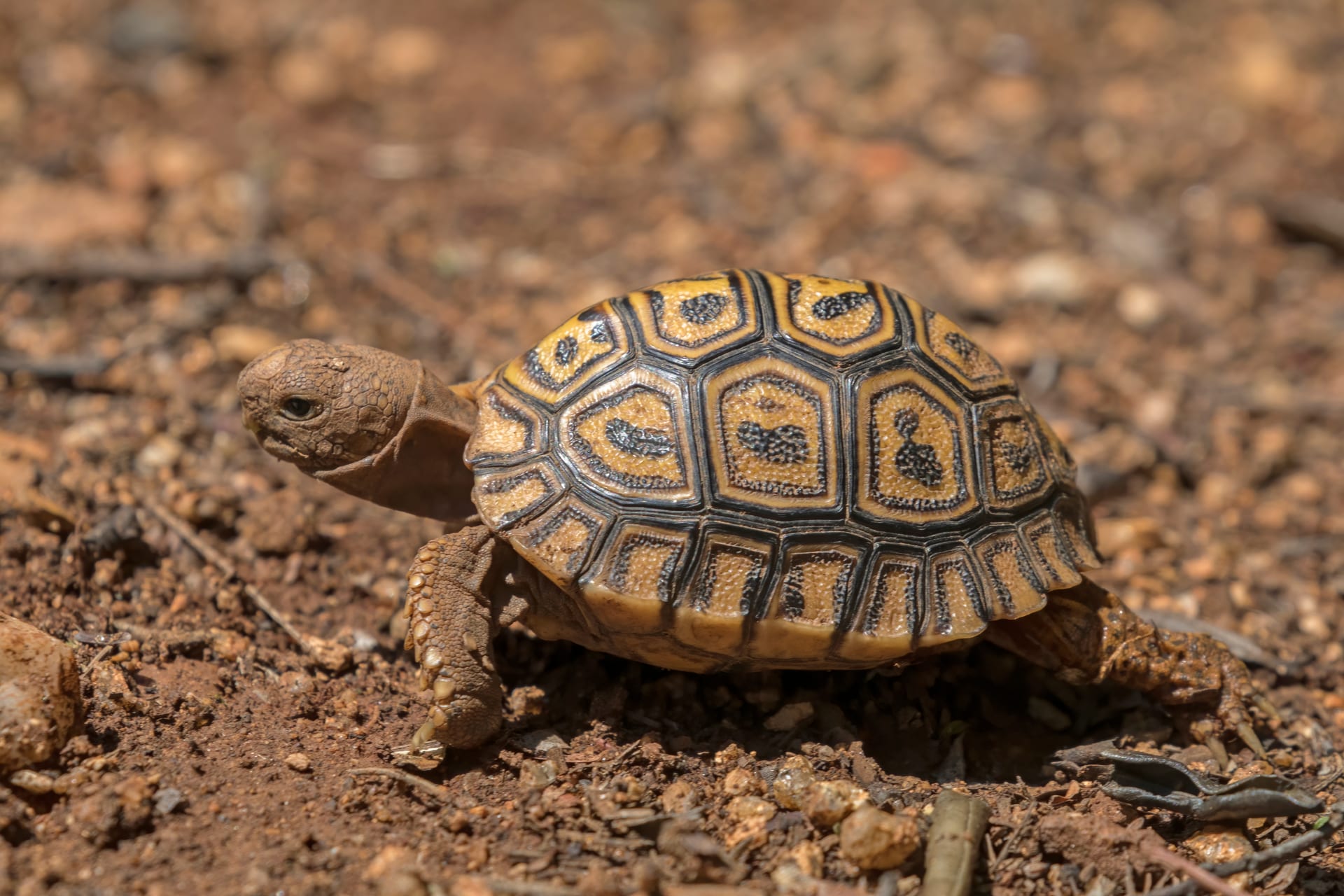
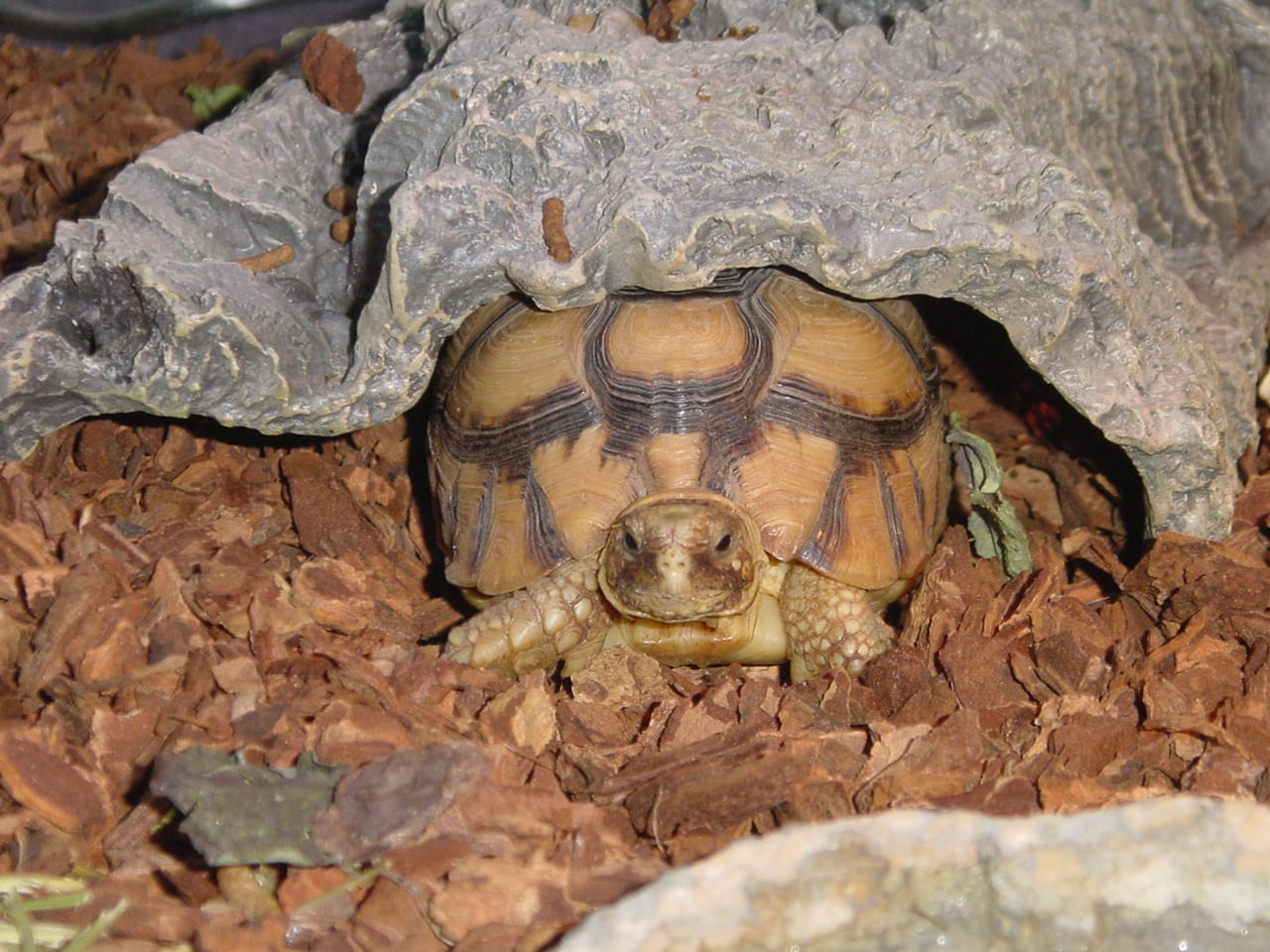
At 13.1 cm it is the smallest Mediterranean tortoise. The carapace is pale, usually with darker areas around the scute seams. Habitat loss and collection have reduced it severely and it is listed on CITES Appendix I.
Difficulty
Advanced
Temperature
25〜32℃
Lifespan
Maximum recorded longevity in captivity is 21 years
Size
Carapace up to 13.1cm
Humidity
40〜70%
Diet
Grasses, leaves, flowers and tortoise diet
About
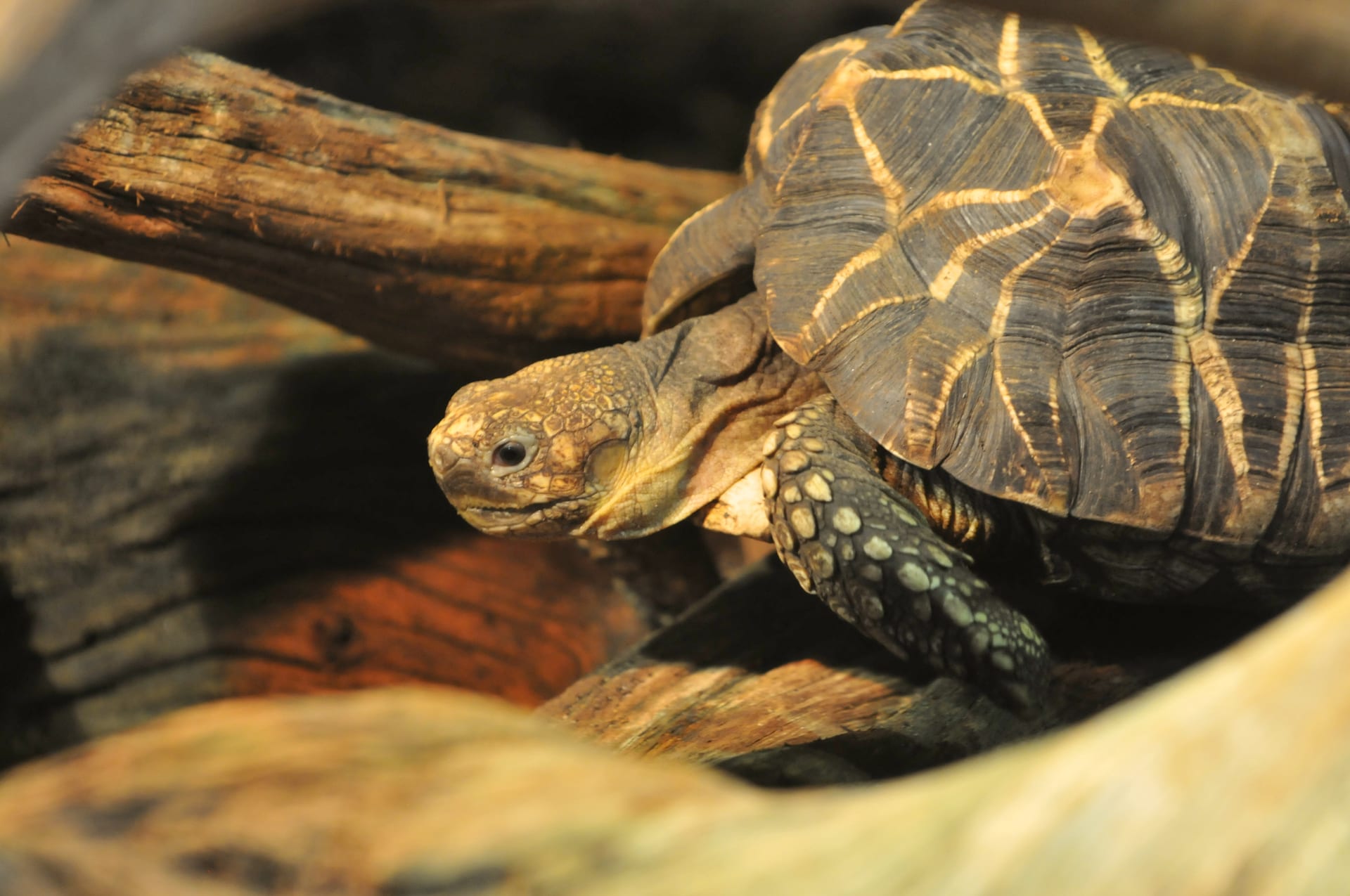
Testudo kleinmanni is the smallest Mediterranean tortoise, with a carapace to 13.1 cm. The shell is domed and broad, pale in colour and usually darker around the seams between scutes, and the plastron often carries one to three wedge-shaped dark marks on each side. Three rows of large scales cover the forelimbs. It lives in desert, grassland and scrub, and aestivates in a burrow through the dry season while remaining active in winter whenever rain brings plant growth. It mates from autumn to spring and lays small clutches of one to three eggs between March and June. Habitat loss from irrigation schemes and overgrazing, together with collection for the pet trade, have caused a steep decline, and the species was placed on CITES Appendix I in 1995. Egyptian animals were traded cheaply and in quantity in the 1980s, but international commercial trade is now prohibited.
Source: Wikipedia (CC BY-SA 4.0)
Lifespan of the Egyptian Tortoise
The Egyptian Tortoise lives Maximum recorded longevity in captivity is 21 years.
Size of the Egyptian Tortoise
The Egyptian Tortoise grows to Carapace up to 13.1cm.
Basic Info
Origin
Northeastern Egypt, northeastern Libya and southern Israel, in desert, grassland and scrub
Lifespan
Maximum recorded longevity in captivity is 21 years
Size
Carapace up to 13.1cm
Care Specifications
PeacefulSolitaryBreeding: Hard
Sources: Reptiles Magazine: Egyptian Tortoise Breeding / Wikipedia (Japanese): Egyptian tortoise / Wikipedia (English): Egyptian tortoise / Reptile Database / AnAge: The Animal Ageing and Longevity Database
References & Sources
Edited & verified by: BreederDirect editorial team
The taxonomic, regulatory, and husbandry data on this page are compiled and verified against the authoritative primary sources below.
Primary sources
- Wikipedia
- CITES Appendices
- Ministry of the Environment: list of invasive alien species
- Order for Enforcement of the Act on Welfare and Management of Animals (designated dangerous animals)
- Reptiles Magazine: Egyptian Tortoise Breeding
- Wikipedia (Japanese): Egyptian tortoise
- Wikipedia (English): Egyptian tortoise
- Reptile Database
- AnAge: The Animal Ageing and Longevity Database
Taxonomy & Authority
Accepted name: Testudo kleinmanni Lortet, 1883
Synonyms: Testudo kleinmanni Lortet, 1883, Testudo leithii Günther, 1869, Testudo werneri Perälä, 2001
Authority databases: Reptile Database
Nomenclature follows global taxonomic authority databases.
Regulations & Conservation Status
CITES Appendix IIUCN CR · Critically Endangered
The Mediterranean tortoise genus was listed in CITES Appendix II at the genus level in 1975, and the tortoise family was listed at the family level in 1977. It was subsequently transferred to Appendix I effective February 16, 1995. It constitutes an internationally rare wild fauna and flora species, and registration certificates for each individual are required for transfer and related transactions. It does not fall under the designated animals listed in the Ordinance for the Enforcement of the Law Concerning the Protection and Management of Animals, nor is it designated as a specified alien species.
Sources: CITES Appendices / Ministry of the Environment: list of invasive alien species / Order for Enforcement of the Act on Welfare and Management of Animals (designated dangerous animals)
Regulations may change. Always verify the latest information with the relevant authorities.
Egyptian Tortoise Listings
Loading latest listingsFind listings for this species