Source: Wikimedia Commons
Bell's Hinge-Back Tortoise
AdvancedKinixys belliana
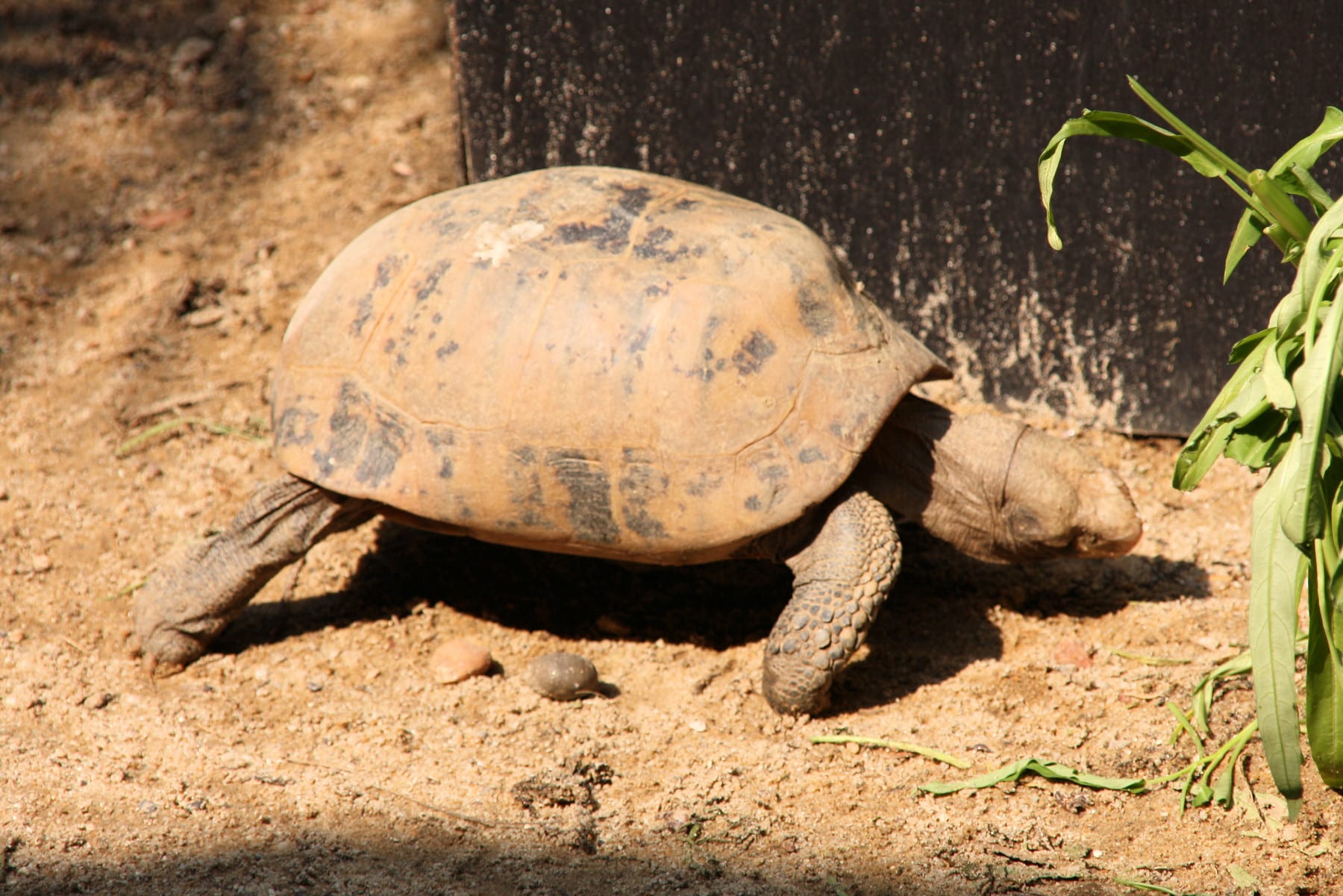
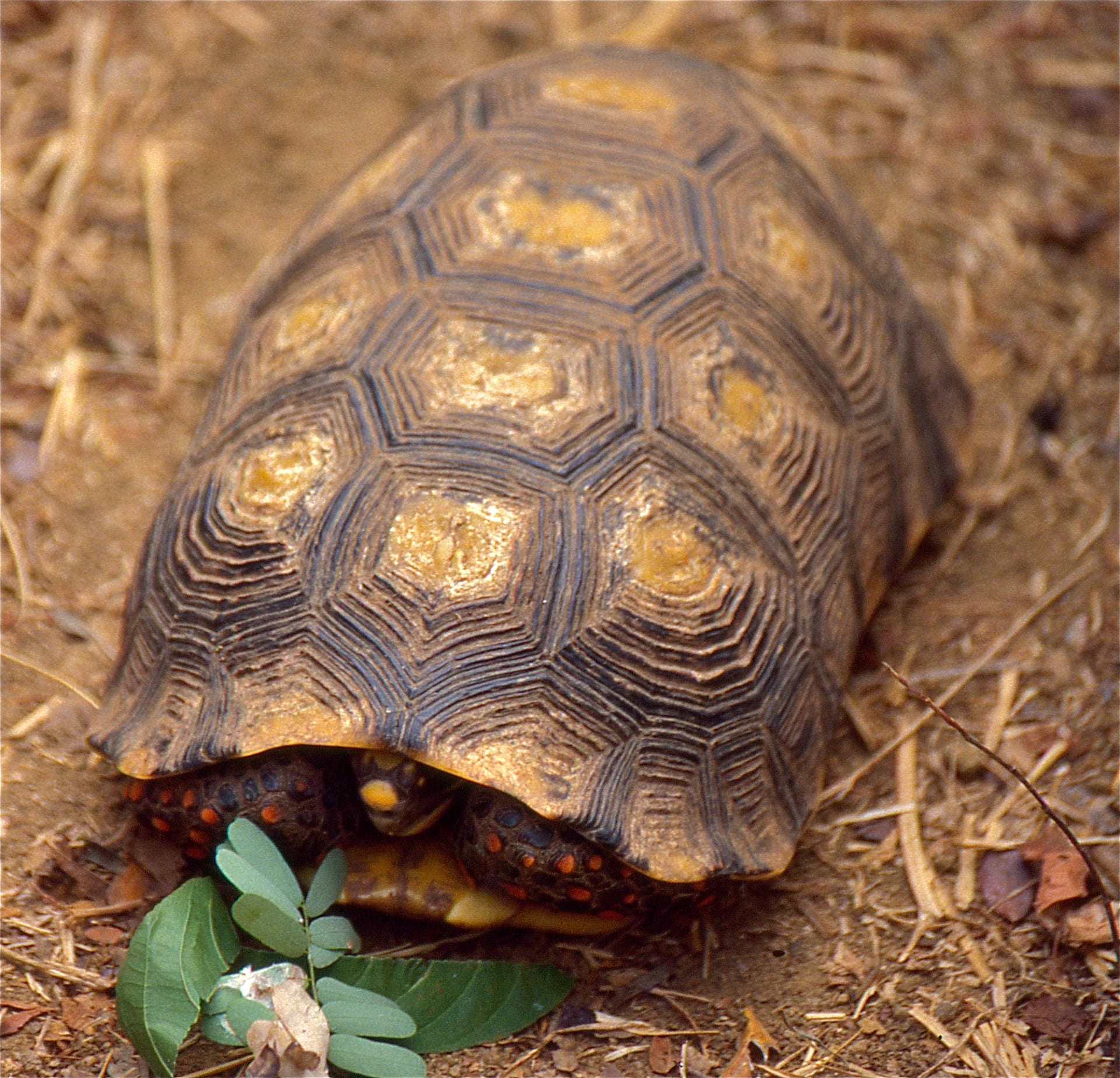
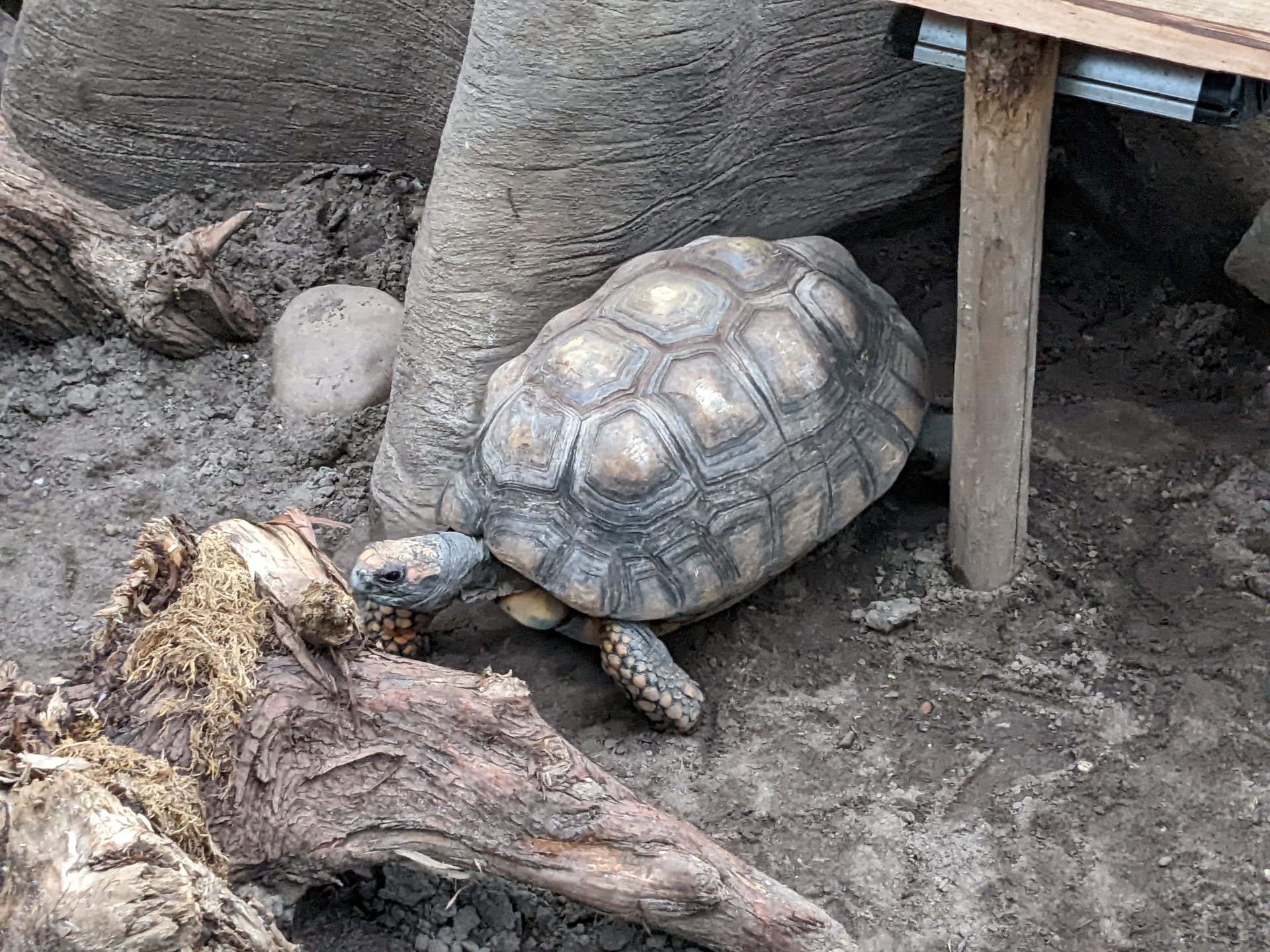
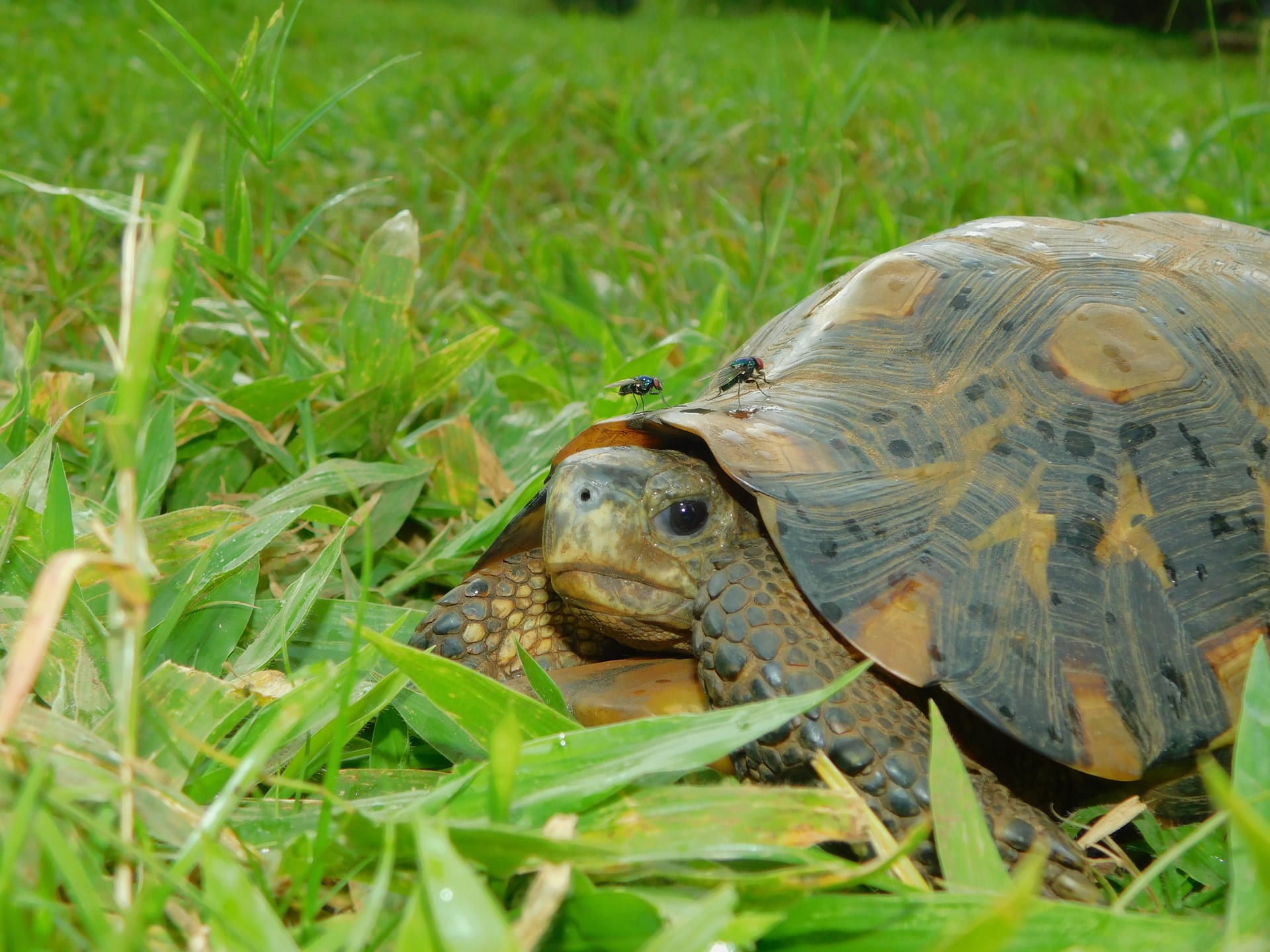
A hinge across the rear of the carapace can be folded down to shield the hind limbs and tail, the feature that names the hinge-back tortoises. Its shell is the most domed in the genus. The carapace reaches 22 cm, females being larger.
Difficulty
Advanced
Temperature
25〜32℃
Lifespan
Maximum recorded longevity in captivity is 26 years, with some sources giving 25-60 years
Size
Carapace up to 22cm; males up to 20.6cm
Humidity
85%
Diet
Grasses, fruit, succulents, mushrooms, insects and land snails
About
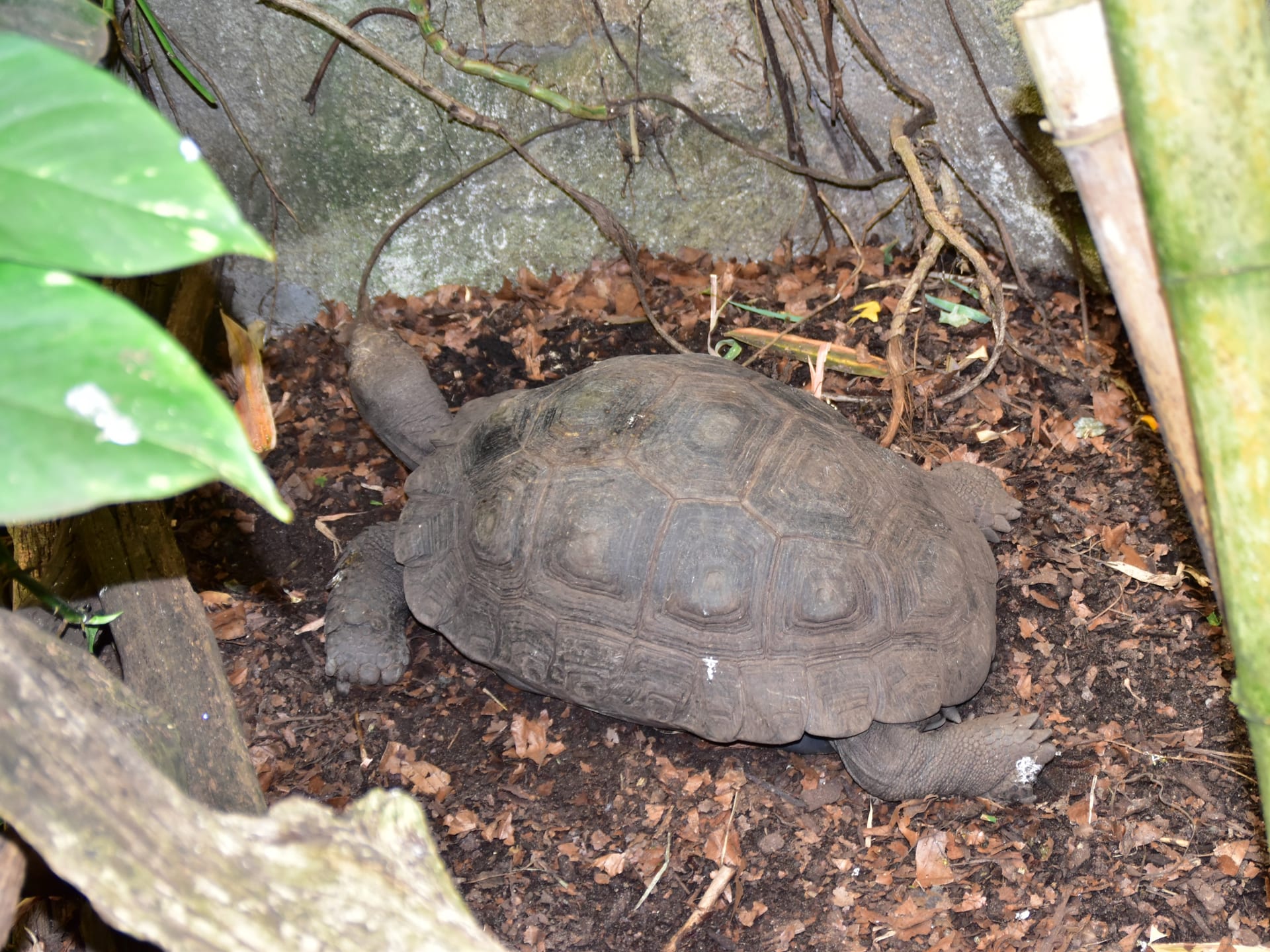
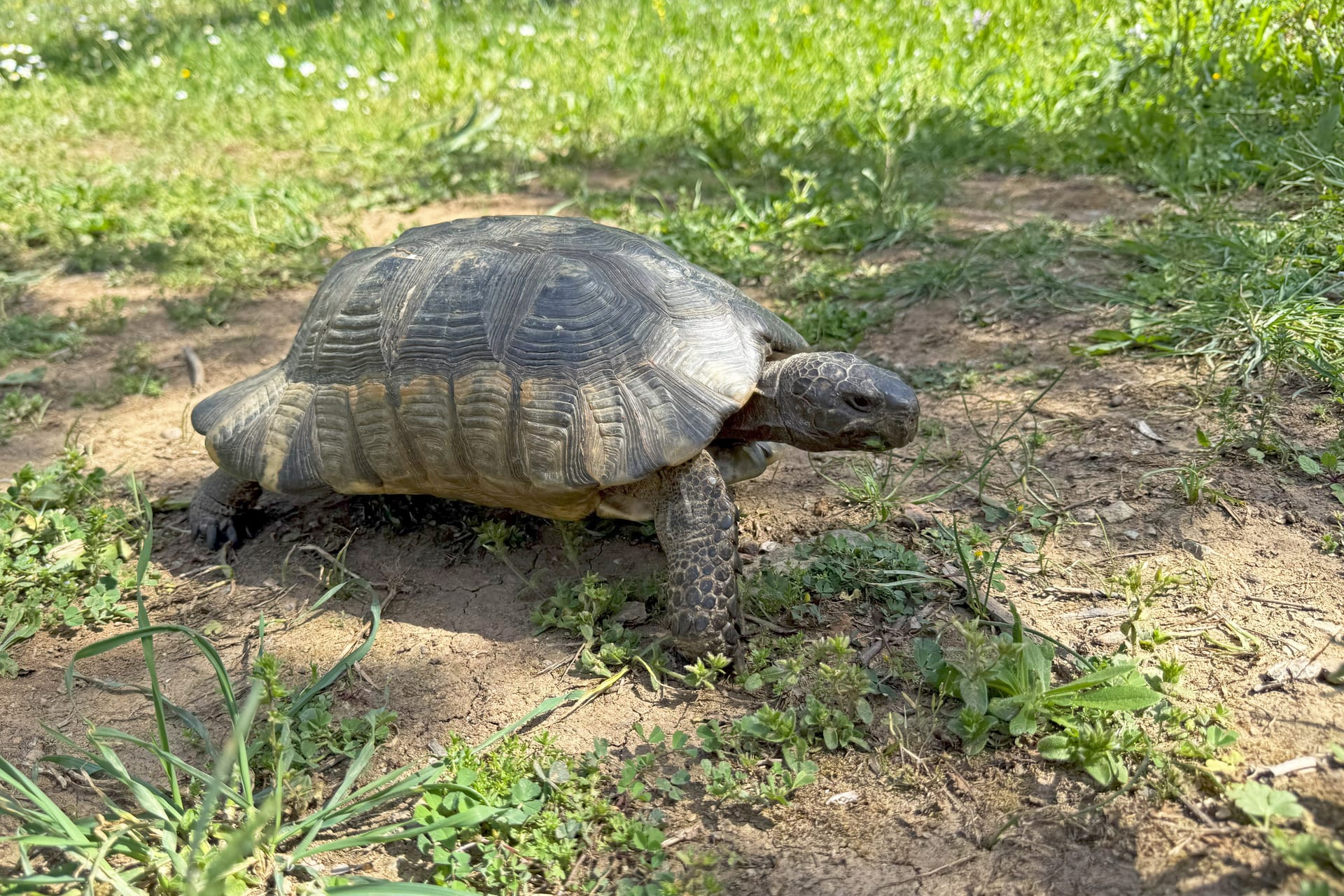
Kinixys belliana is a hinge-back tortoise: a hinge across the rear of the carapace lets it fold the shell down over the hind limbs and tail. The carapace reaches 22 cm and females are larger. The shell is an elongated dome, the most strongly domed in the genus, and the twelfth marginals are fused. The plastron is usually pale yellow, though some animals are deep yellow or yellowish brown or carry irregular or radiating dark markings. Pulley-like enlarged scales develop on the heels and the hind feet bear three or four claws. Juveniles have a raised, keeled carapace that flattens with age as the keel and marginal points disappear. It is active in the rainy season and shelters through the dry season in the burrows of other animals, in termite mounds or at the base of trees, and it will float or swim in shallow water. Omnivorous, it eats grasses, fruit, succulents and mushrooms as well as insects, land snails and carrion.
Source: Wikipedia (CC BY-SA 4.0)
Lifespan of the Bell's Hinge-Back Tortoise
The Bell's Hinge-Back Tortoise lives Maximum recorded longevity in captivity is 26 years, with some sources giving 25-60 years.
Size of the Bell's Hinge-Back Tortoise
The Bell's Hinge-Back Tortoise grows to Carapace up to 22cm; males up to 20.6cm.
Basic Info
Origin
Central, eastern and southern Africa including Ghana, Togo, Benin, Zambia, Tanzania and Mozambique, with introduced animals on Madagascar, in humid forest, dry scrub and grassland
Lifespan
Maximum recorded longevity in captivity is 26 years, with some sources giving 25-60 years
Care Specifications
PeacefulSolitaryBreeding: Hard
Sources: Tortoise Trust: Keeping Kinixys / Wikipedia (Japanese): Bell's hinge-back tortoise / Wikipedia (English): Bell's hinge-back tortoise / Reptile Database / AnAge: The Animal Ageing and Longevity Database
References & Sources
Edited & verified by: BreederDirect editorial team
The taxonomic, regulatory, and husbandry data on this page are compiled and verified against the authoritative primary sources below.
Primary sources
- Wikipedia
- CITES Appendices
- Ministry of the Environment: list of invasive alien species
- Order for Enforcement of the Act on Welfare and Management of Animals (designated dangerous animals)
- Tortoise Trust: Keeping Kinixys
- Wikipedia (Japanese): Bell's hinge-back tortoise
- Wikipedia (English): Bell's hinge-back tortoise
- Reptile Database
- AnAge: The Animal Ageing and Longevity Database
Taxonomy & Authority
Accepted name: Kinixys belliana Gray, 1830
Synonyms: Kinixys belliana Gray, 1830, Cinixys belliana (Gray, 1831), Kinixys belliana nogueyi (Lataste, 1886)
Authority databases: Reptile Database
Nomenclature follows global taxonomic authority databases.
Regulations & Conservation Status
CITES Appendix II
Listed in CITES Appendix II at the family level (Testudinidae) in 1977 (current listing effective January 2, 2017). As an Appendix II species, registration certificates for international rare wildlife are not required. It does not fall under the designated animals listed in the Animal Protection and Management Act Enforcement Order, nor is it designated as a designated invasive species.
Sources: CITES Appendices / Ministry of the Environment: list of invasive alien species / Order for Enforcement of the Act on Welfare and Management of Animals (designated dangerous animals)
Regulations may change. Always verify the latest information with the relevant authorities.
Bell's Hinge-Back Tortoise Listings
Loading latest listingsFind listings for this species