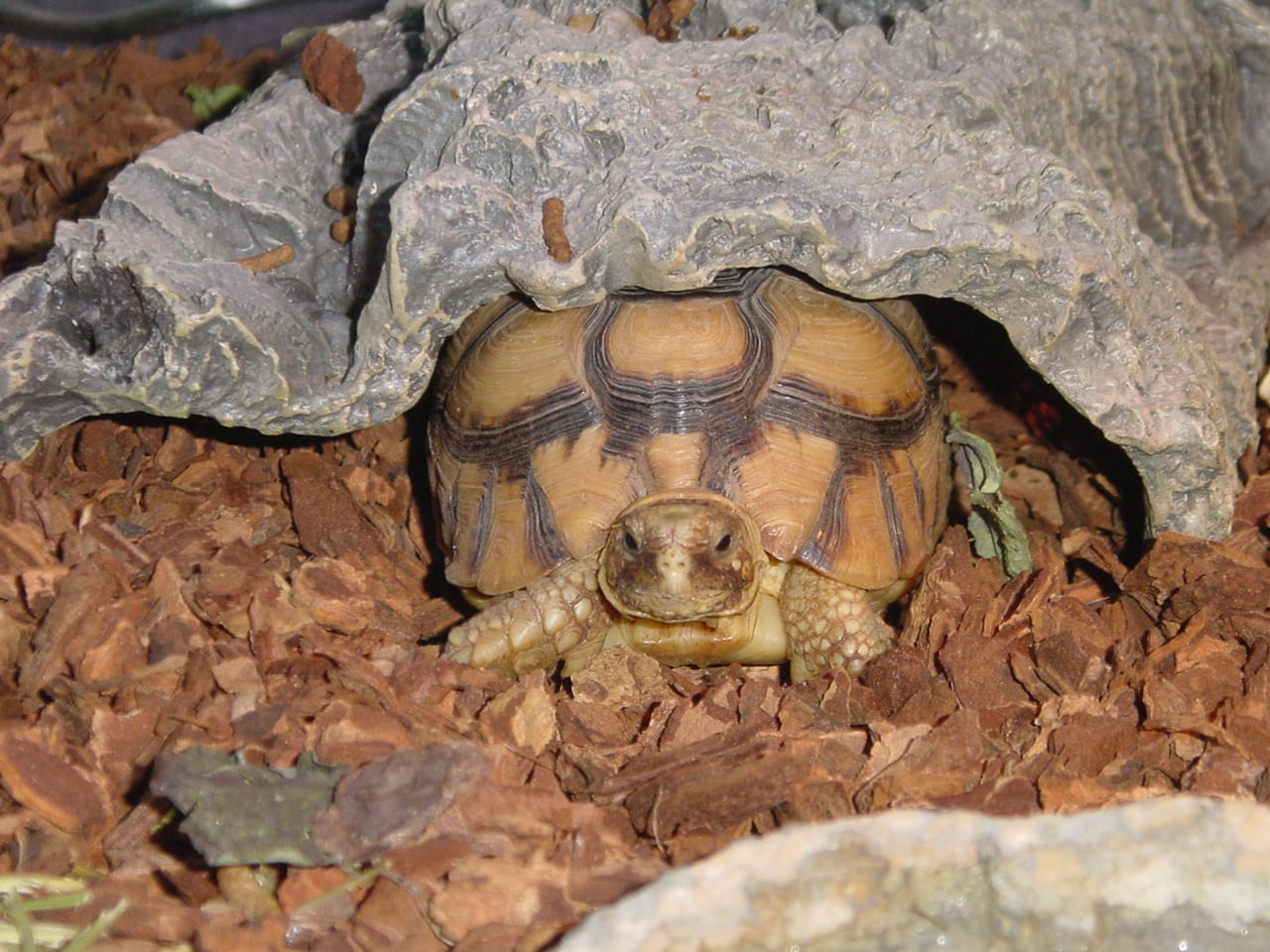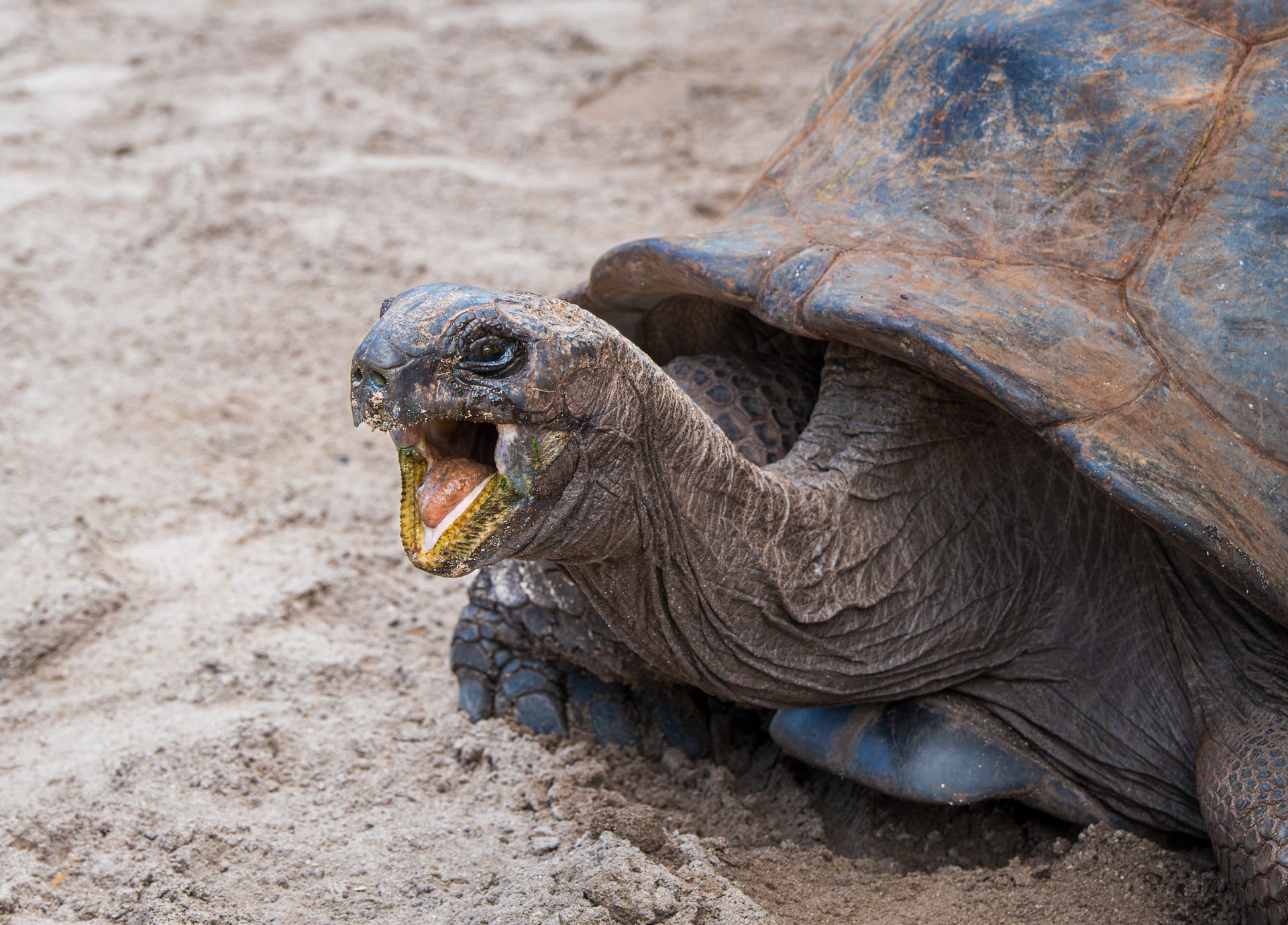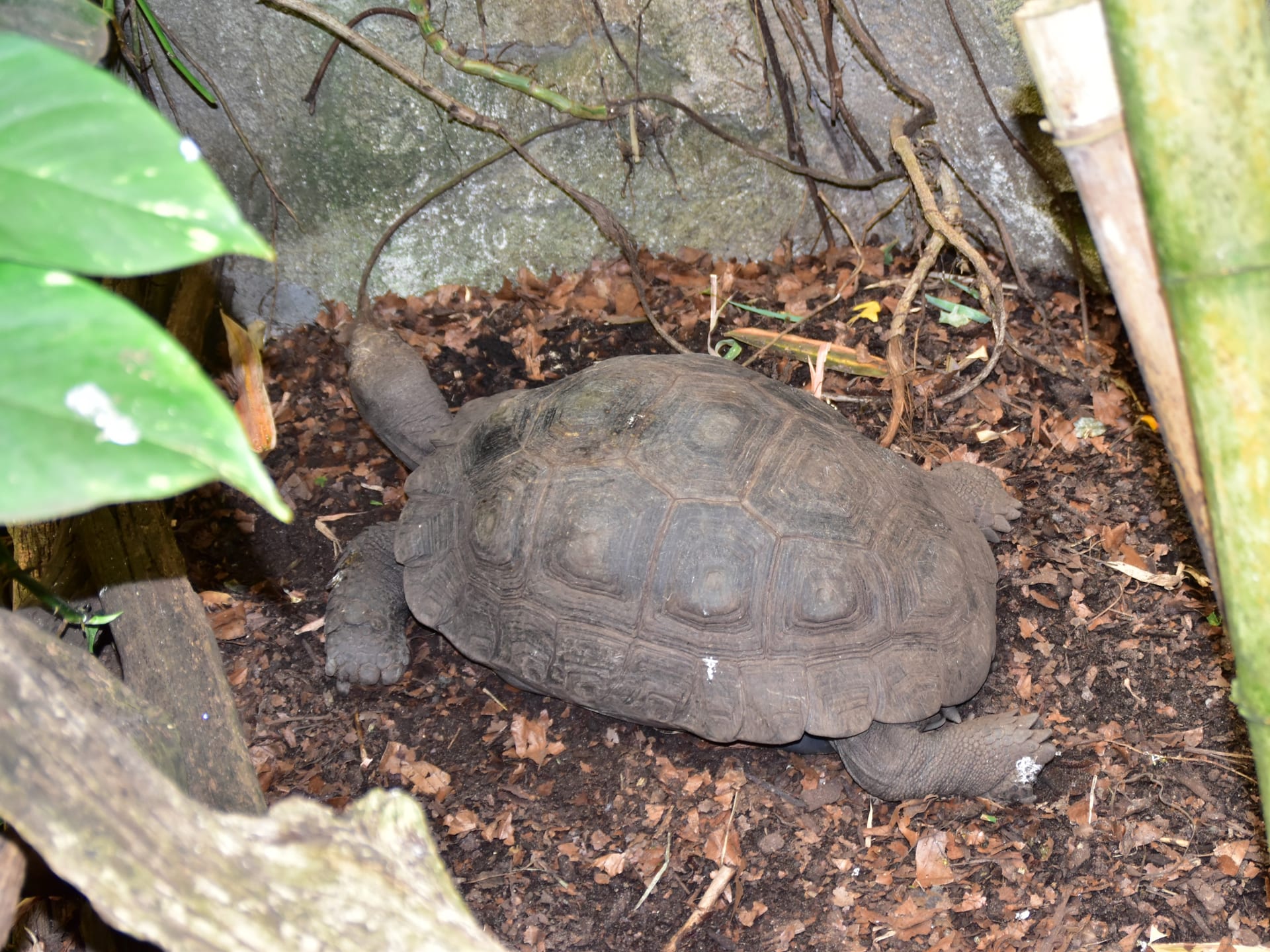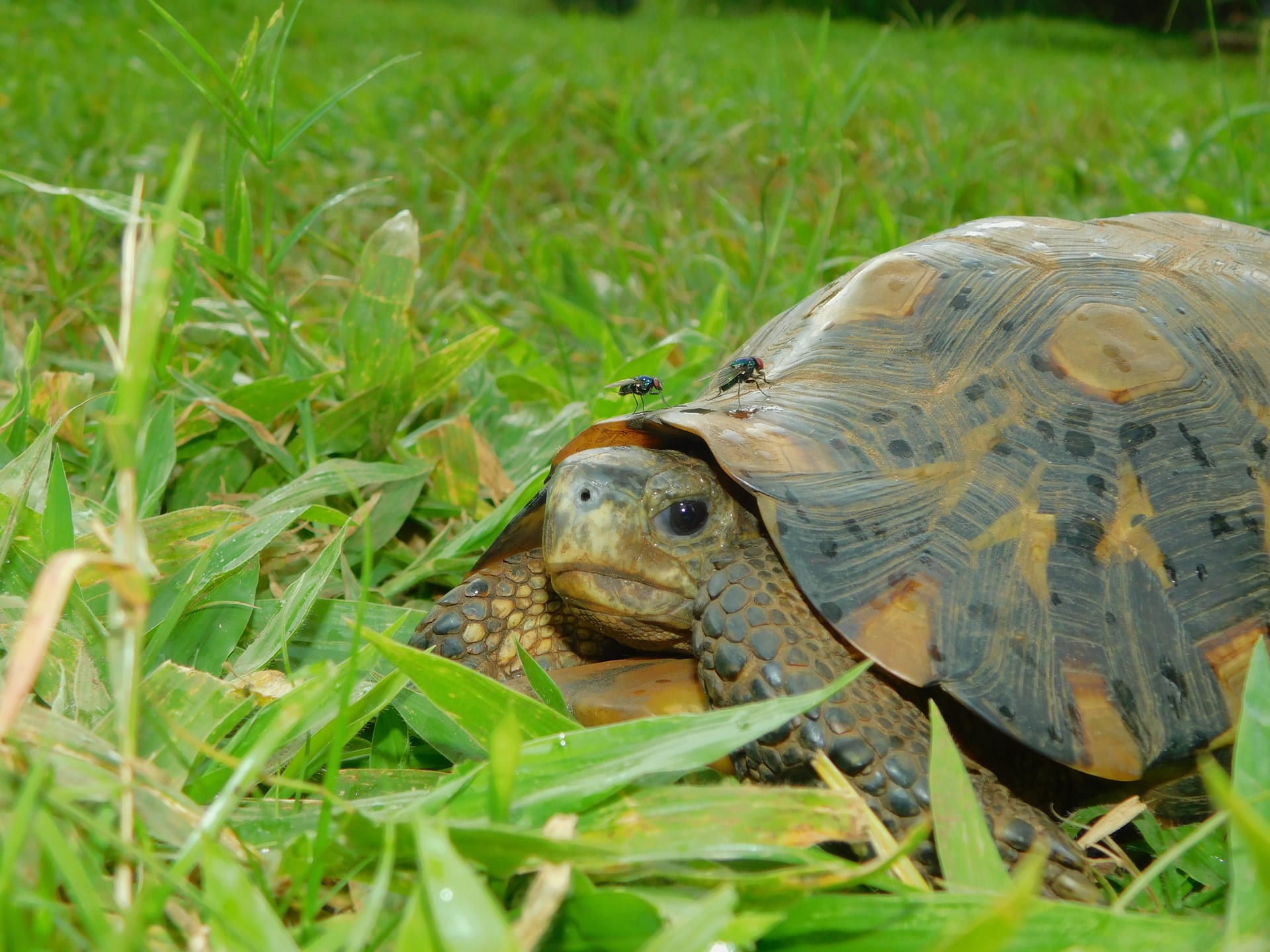
Source: Wikimedia Commons
Spider Tortoise
AdvancedPyxis arachnoides
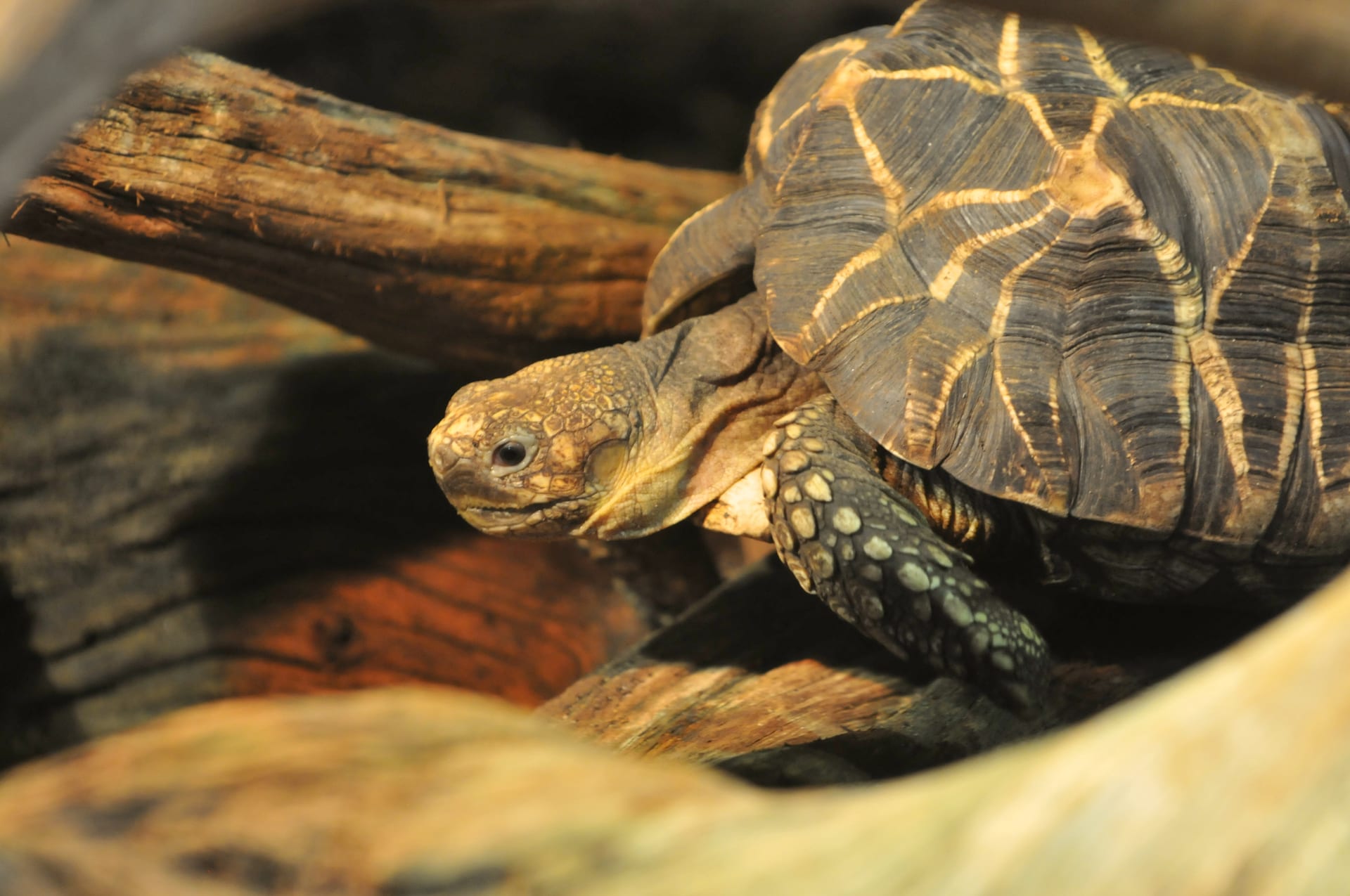
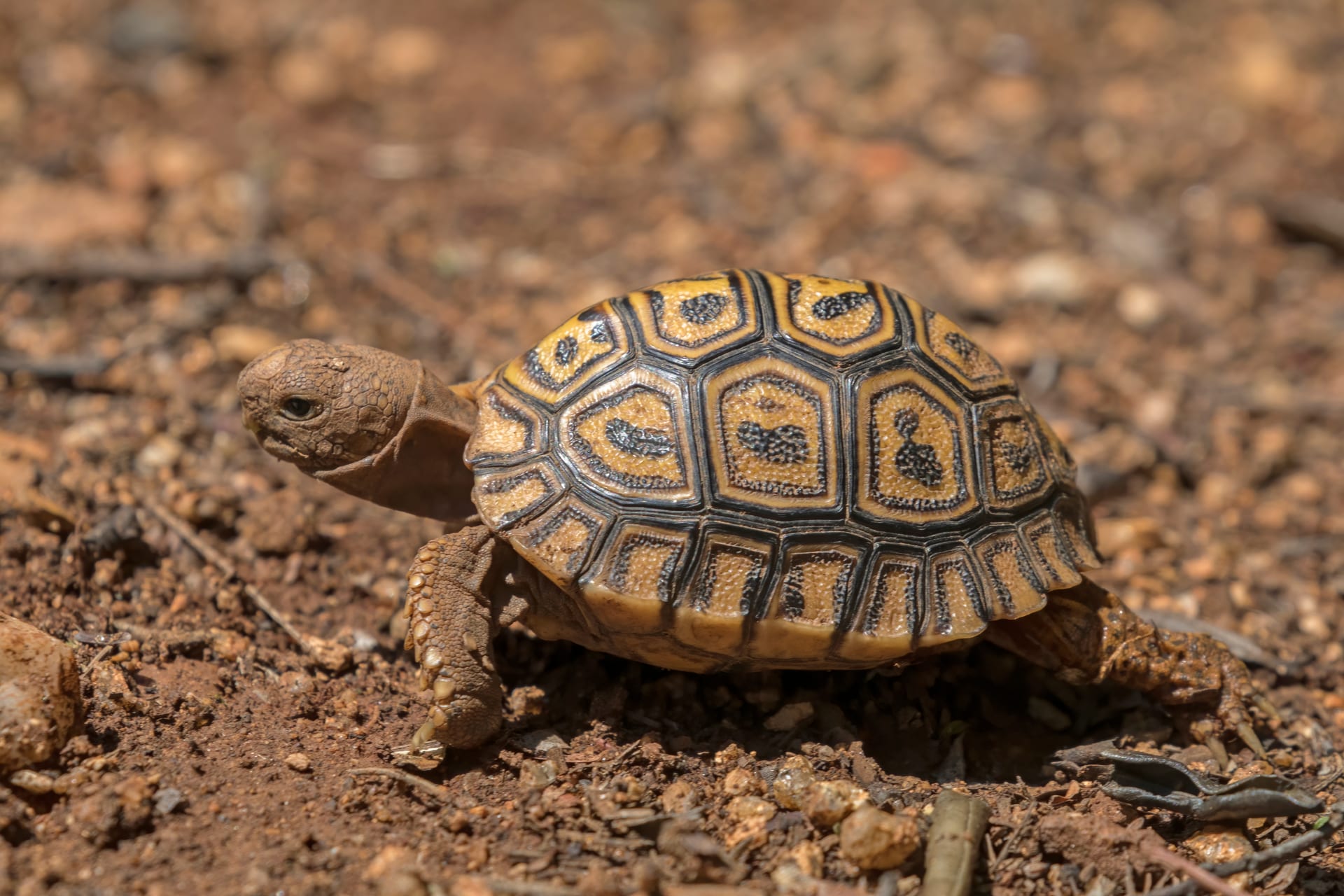
Pale brown or yellow rays radiate across the black carapace and resemble a spider web, hence its English and Japanese names. It is small, with a carapace to 15 cm, and most animals have a hinge on the front lobe of the plastron.
Difficulty
Advanced
Lifespan
Estimated to live up to 70 years
Size
Carapace up to 15cm
Humidity
40〜70%
Diet
Leaves, fruit, mushrooms and leafy greens
About
Pyxis arachnoides is endemic to southern Madagascar and, although the largest of its genus, is small, with a carapace to 15 cm. The shell is domed and elongated seen from above. Vertebral and costal scutes are black with pale brown or yellow rays - six to eight on the vertebrals and four to six on the costals - which resemble a spider web and give the tortoise its English and Japanese names. The marginals are yellow with black markings. A hinge between the abdominal and pectoral scutes lets most animals move the front lobe of the plastron, though one subspecies lacks it. It lives in coastal grassland, forest and scrub, is active in the rains and just after them, and rests through the dry season under leaf litter and fallen wood. It is herbivorous, eating leaves, fruit and mushrooms. Collection for the pet trade and predation of eggs and juveniles by introduced bush pigs have caused a steep decline.
Source: Wikipedia (CC BY-SA 4.0)
Lifespan of the Spider Tortoise
The Spider Tortoise lives Estimated to live up to 70 years.
Size of the Spider Tortoise
The Spider Tortoise grows to Carapace up to 15cm.
Basic Info
Origin
Endemic to southern, southwestern and southeastern Madagascar, in coastal grassland, forest and scrub
Lifespan
Estimated to live up to 70 years
Size
Carapace up to 15cm
Care Specifications
PeacefulSolitaryBreeding: Hard
Sources: Reptiles Magazine: Captive-Bred Spider Tortoise Care / Wikipedia (Japanese): Spider tortoise / Wikipedia (English): Spider tortoise / Reptile Database
References & Sources
Edited & verified by: BreederDirect editorial team
The taxonomic, regulatory, and husbandry data on this page are compiled and verified against the authoritative primary sources below.
Primary sources
- Wikipedia
- CITES Appendices
- Ministry of the Environment: list of invasive alien species
- Order for Enforcement of the Act on Welfare and Management of Animals (designated dangerous animals)
- Reptiles Magazine: Captive-Bred Spider Tortoise Care
- Wikipedia (Japanese): Spider tortoise
- Wikipedia (English): Spider tortoise
- Reptile Database
Taxonomy & Authority
Accepted name: Pyxis arachnoides Bell, 1827
Synonyms: Pyxis arachnoides Bell, 1827, Pyxis arachnoides brygooi Vuillemin & Domergue, 1972, Pyxis arachnoides oblonga Gray, 1869
Authority databases: Reptile Database
Nomenclature follows global taxonomic authority databases.
Regulations & Conservation Status
CITES Appendix IIUCN CR · Critically Endangered
Listed in CITES Appendix I, effective January 12, 2005. It qualifies as an internationally rare and endangered species, and an individual registration certificate is required for transfer or similar transactions. International commercial trade is prohibited. It is not listed as a special animal under the Enforcement Ordinance of the Animal Welfare and Management Act, nor as a specified invasive species.
Sources: CITES Appendices / Ministry of the Environment: list of invasive alien species / Order for Enforcement of the Act on Welfare and Management of Animals (designated dangerous animals)
Regulations may change. Always verify the latest information with the relevant authorities.
Spider Tortoise Listings
Loading latest listingsFind listings for this species