Source: Wikimedia Commons
Asian Yellow Pond Turtle
IntermediateMauremys mutica
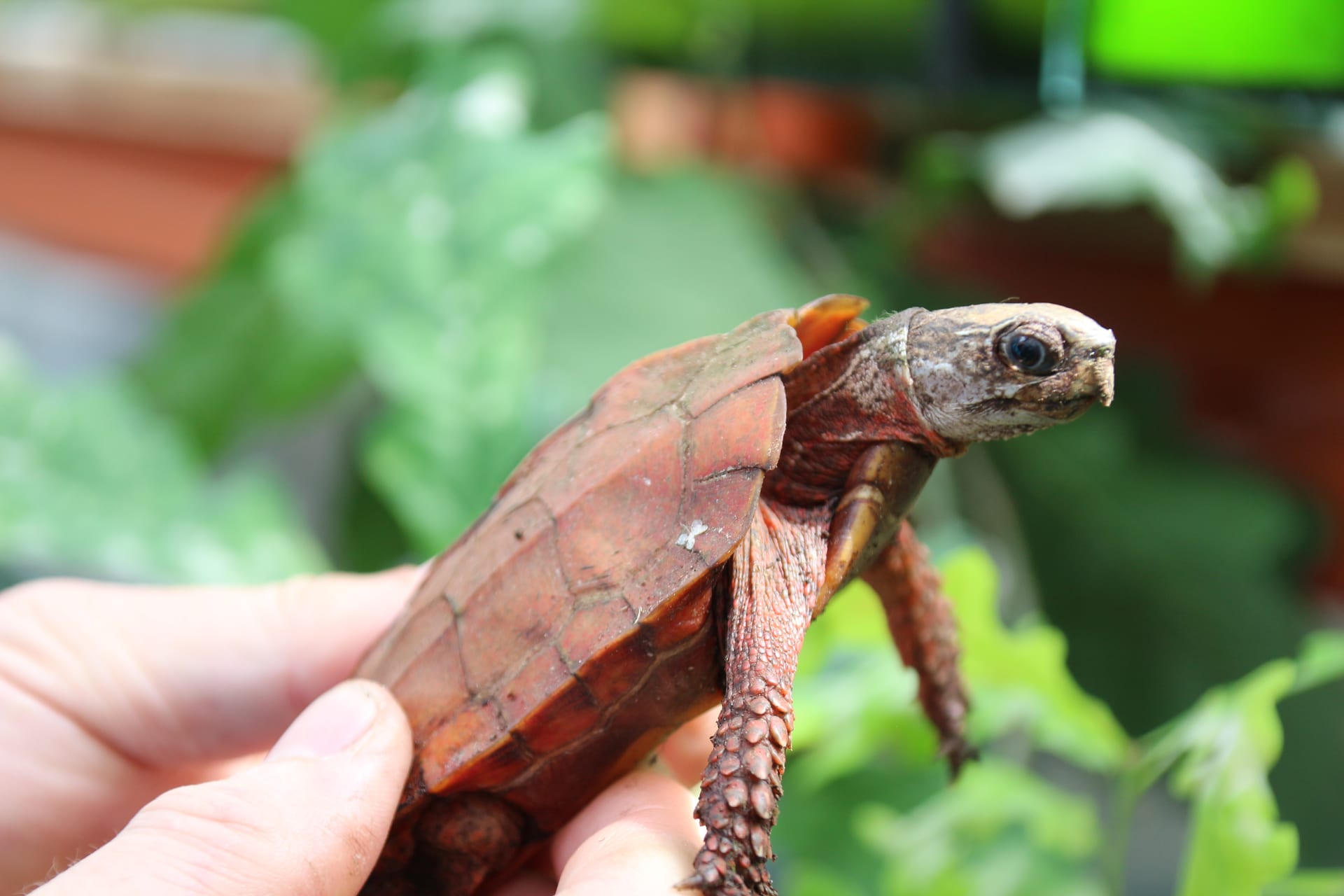
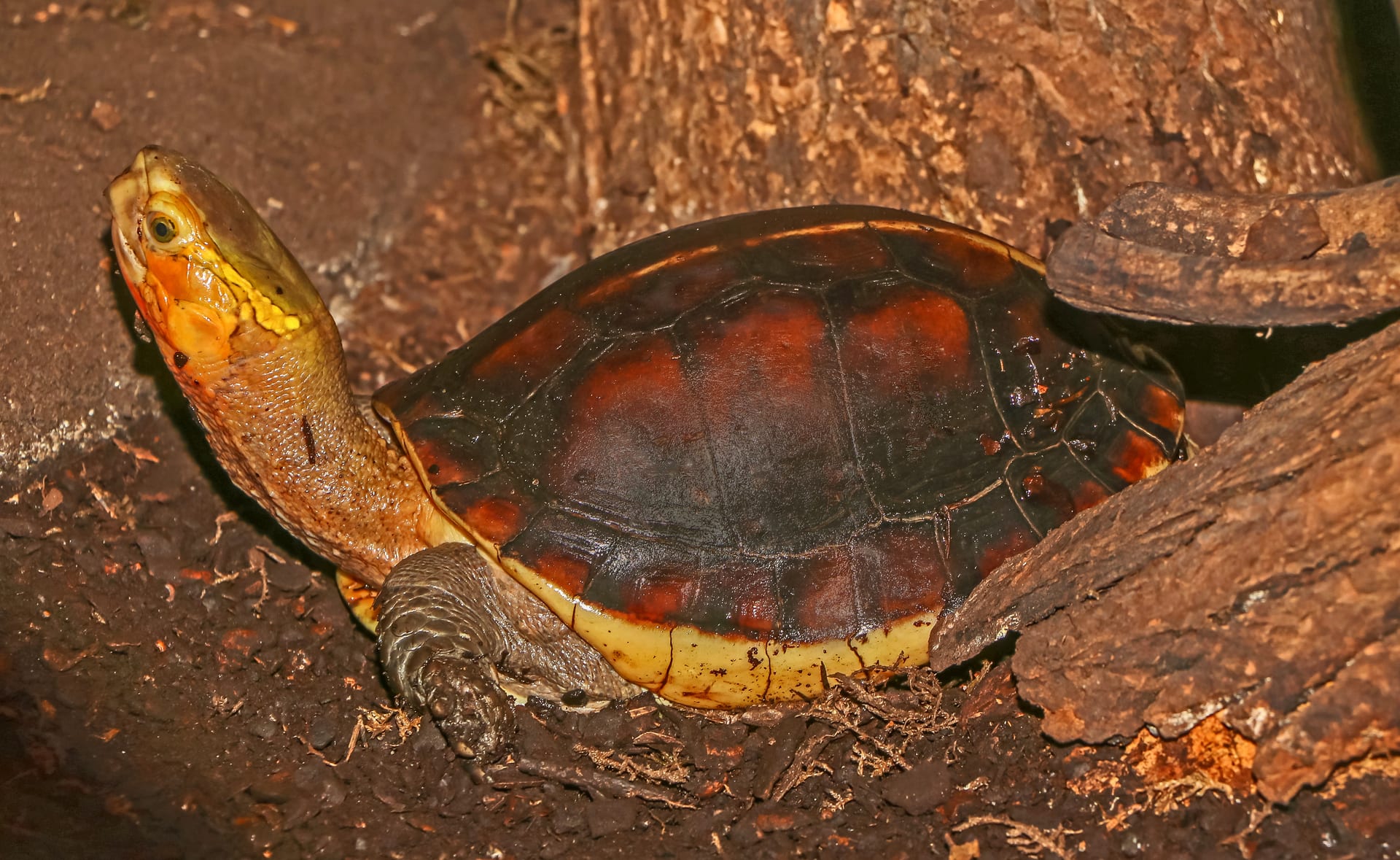
A semi-aquatic geoemydid turtle with a broad yellow stripe running from behind the eye down the neck. The carapace reaches 20.5 cm. Animals traded in Japan are mostly the Yaeyama subspecies, Mauremys mutica kami.
Difficulty
Intermediate
Temperature
25〜32℃
Lifespan
Maximum recorded longevity in captivity is 22 years
Size
Carapace up to 20.5cm (19.5cm in the nominate subspecies, 18.9cm in M. m. kami)
Humidity
40〜70%
Diet
Prepared pellets, fish, tadpoles, insects, small crustaceans, earthworms, leaves, algae and fruit
About
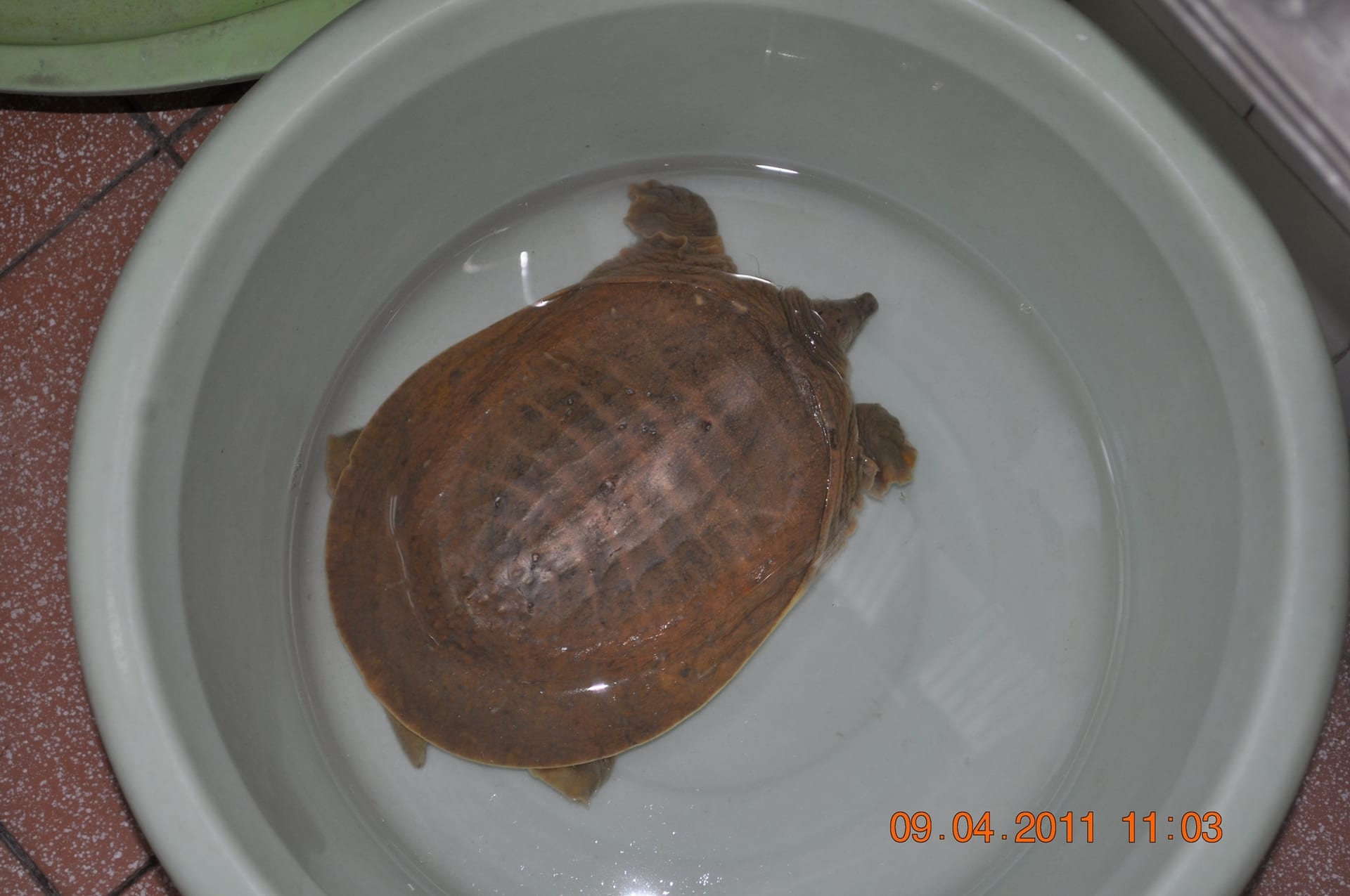
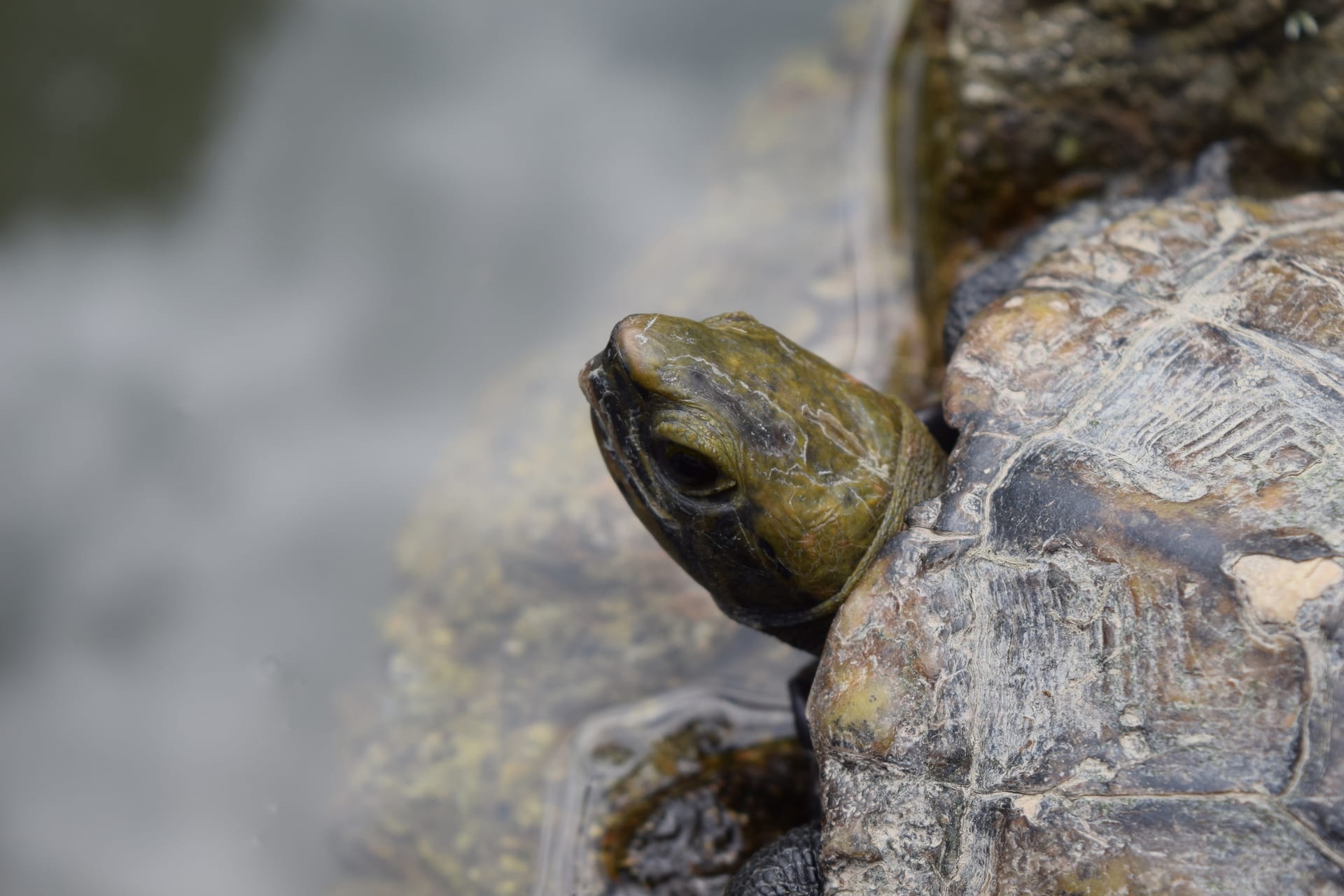
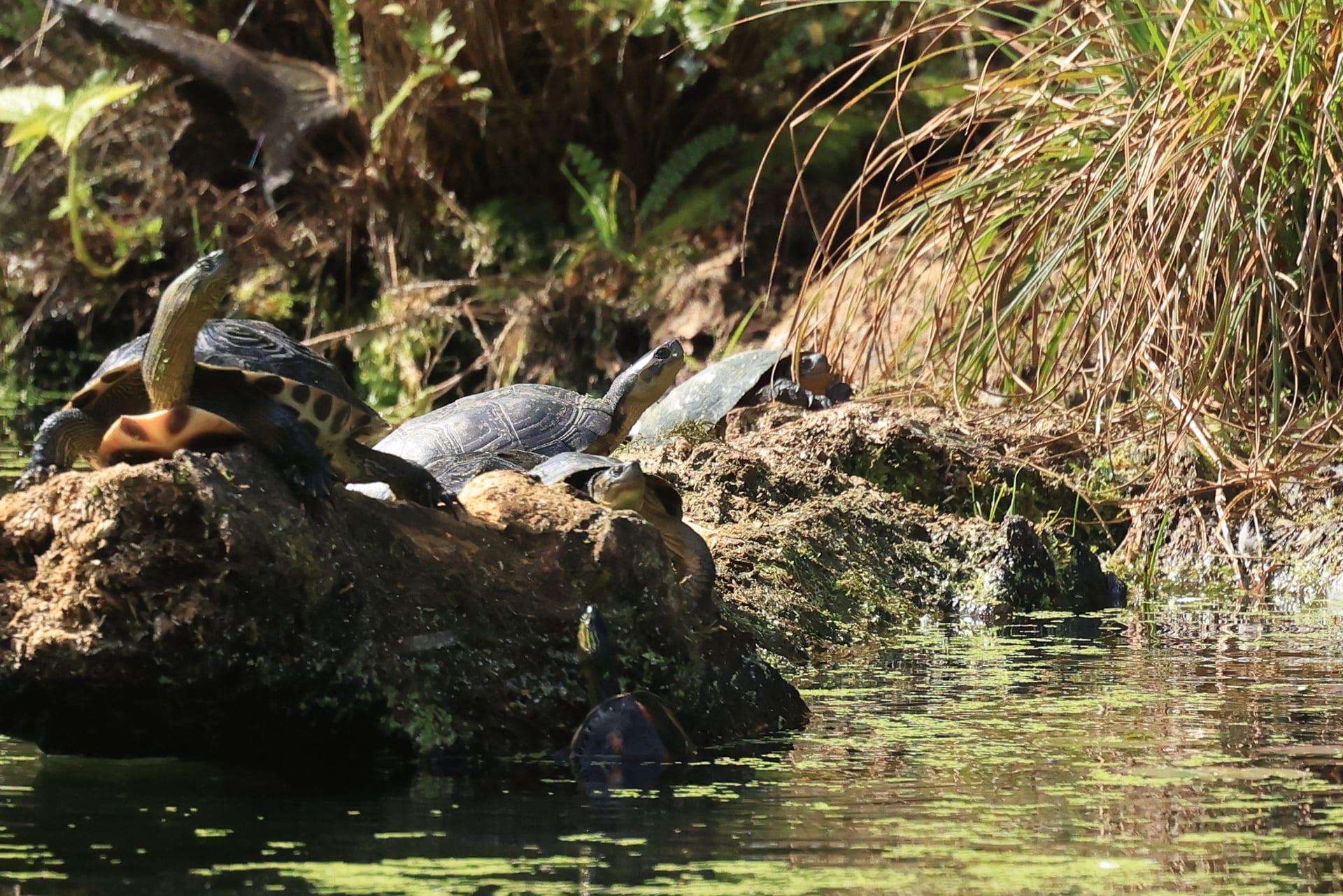
Mauremys mutica is a geoemydid turtle ranging from southern China through Taiwan and Viet Nam to the Yaeyama Islands of Japan. The carapace is oval seen from above, the vertebral keel is weak and becomes indistinct in large animals, and the specific name mutica, meaning smooth, refers to the unserrated marginal scutes. Its most distinctive feature is the broad yellow stripe running from behind the eye down the neck; the plastron is yellow to yellowish brown with dark blotches. The endemic subspecies M. m. kami occurs on Ishigaki, Iriomote, Hateruma and Yonaguni, and most animals in the Japanese pet trade belong to it. The nominate population established in the Kinki region is thought to have been brought from Taiwan in the 1920s and 1930s. It is semi-aquatic, favouring shallow still water with a muddy bottom and dense aquatic plants, and although nocturnal in the wild it is also active by day in captivity.
Source: Wikipedia (CC BY-SA 4.0)
Lifespan of the Asian Yellow Pond Turtle
The Asian Yellow Pond Turtle lives Maximum recorded longevity in captivity is 22 years.
Size of the Asian Yellow Pond Turtle
The Asian Yellow Pond Turtle grows to Carapace up to 20.5cm (19.5cm in the nominate subspecies, 18.9cm in M. m. kami).
Basic Info
Origin
Southern mainland China, Taiwan, Viet Nam and Japan (Yaeyama Islands), in slow rivers, ponds, marshes, irrigation channels and paddy fields
Lifespan
Maximum recorded longevity in captivity is 22 years
Care Specifications
Semi-aggressiveSolitaryBreeding: Moderate
Sources: Wikipedia (Japanese): Asian yellow pond turtle / Wikipedia (English): Yellow pond turtle / Reptile Database / AnAge: The Animal Ageing and Longevity Database
References & Sources
Edited & verified by: BreederDirect editorial team
The taxonomic, regulatory, and husbandry data on this page are compiled and verified against the authoritative primary sources below.
Primary sources
- Wikipedia
- CITES Appendices
- Ministry of the Environment: list of invasive alien species
- Order for Enforcement of the Act on Welfare and Management of Animals (designated dangerous animals)
- IUCN Red List
- Wikipedia (Japanese): Asian yellow pond turtle
- Wikipedia (English): Yellow pond turtle
- Reptile Database
- AnAge: The Animal Ageing and Longevity Database
Taxonomy & Authority
Accepted name: Mauremys mutica (Cantor, 1842)
Synonyms: Emys muticus Cantor, 1842, Cathaiemys mutica (Lindholm, 1932), Mauremys nigricans (part.)
Authority databases: Reptile Database
Nomenclature follows global taxonomic authority databases.
Regulations & Conservation Status
CITES Appendix IIIUCN CR · Critically Endangered
Listed in CITES Appendix II, effective February 13, 2003. As an Appendix II species, registration certificates for international rare wildlife are not required. It does not fall under the designated animals listed in the Animal Protection and Management Act Enforcement Order, nor is it designated as a designated invasive species. Individuals resulting from hybridization with Malayan box turtles are designated as invasive species. The subspecies Yaeyama box turtle is listed as Vulnerable (VU) in the Ministry of the Environment Red List.
Sources: CITES Appendices / Ministry of the Environment: list of invasive alien species / Order for Enforcement of the Act on Welfare and Management of Animals (designated dangerous animals) / IUCN Red List
Regulations may change. Always verify the latest information with the relevant authorities.
Asian Yellow Pond Turtle Listings
Loading latest listingsFind listings for this species