Source: Wikimedia Commons
Three-toed Box Turtle
IntermediateTerrapene triunguis
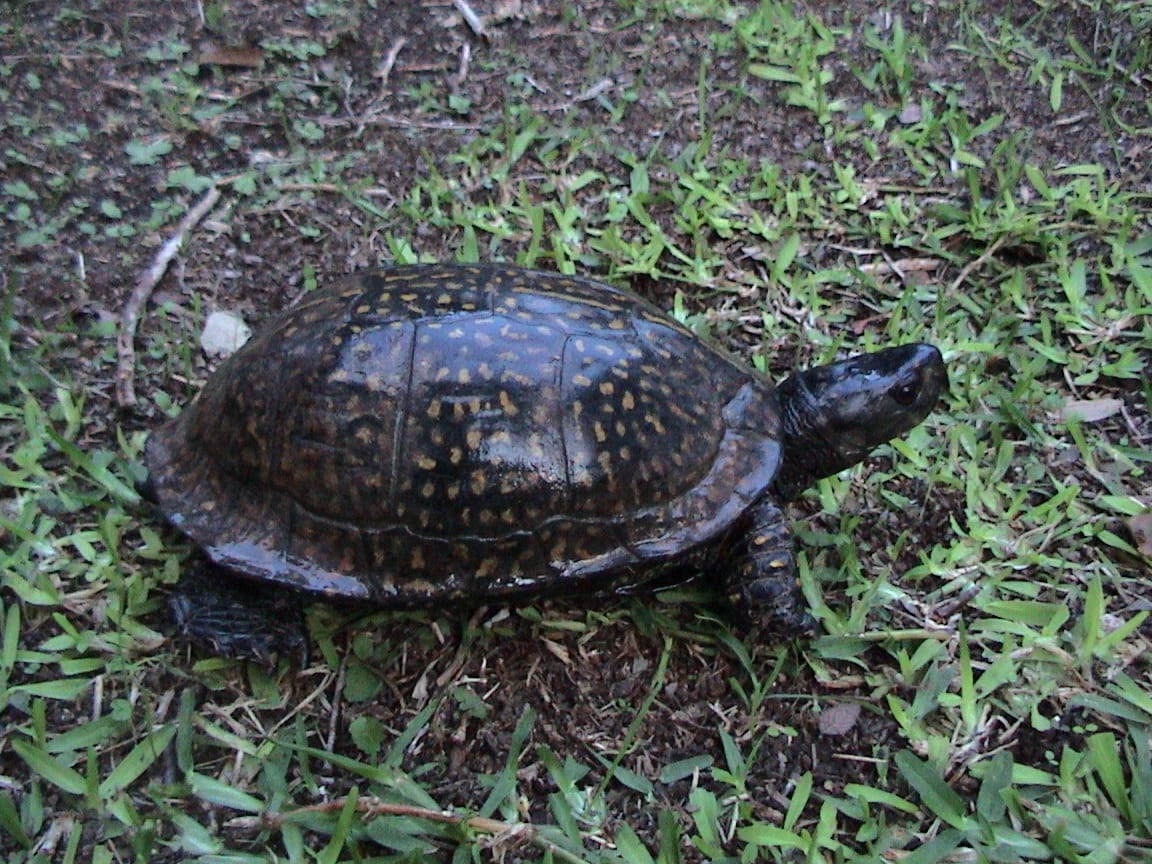
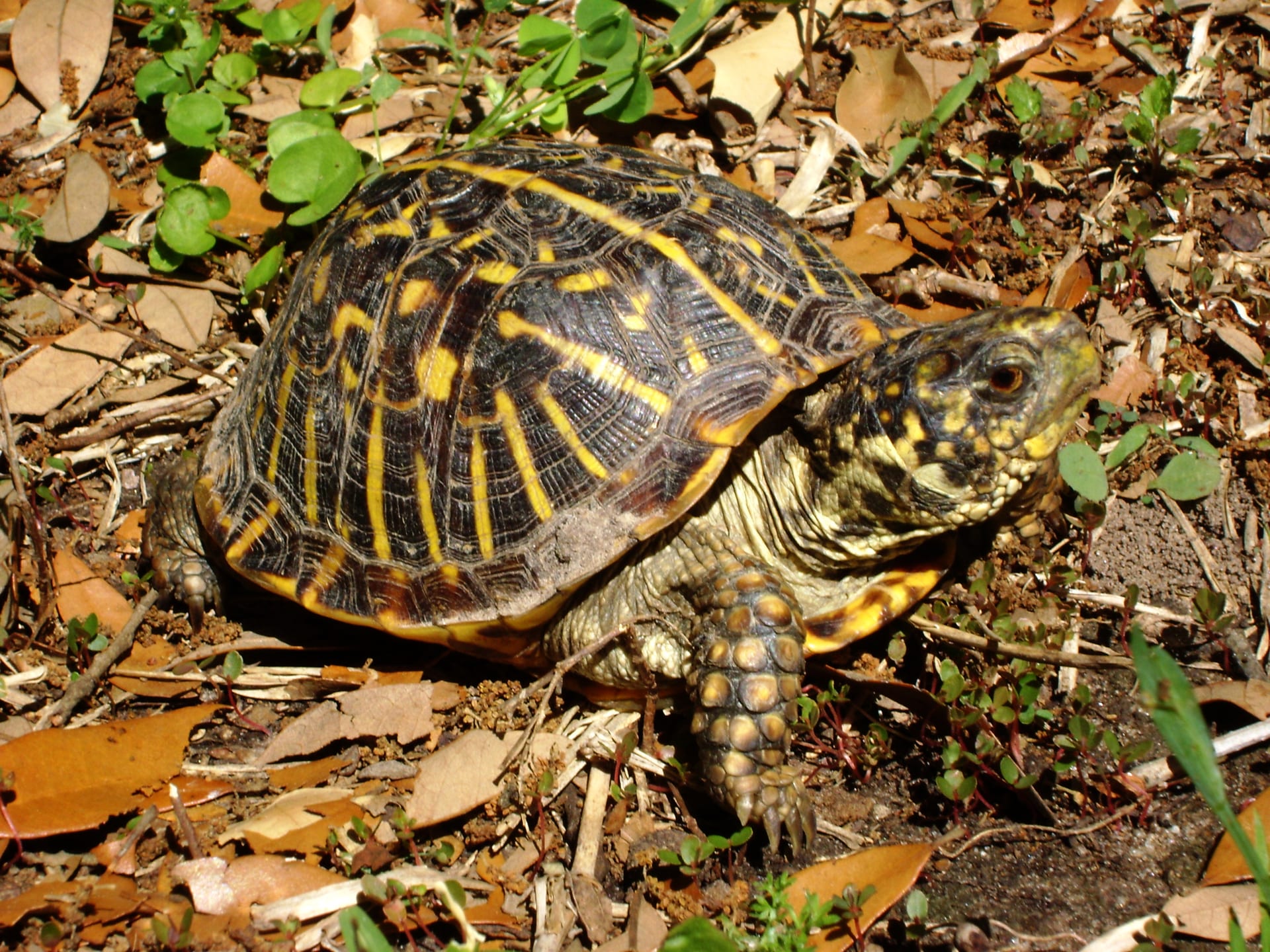
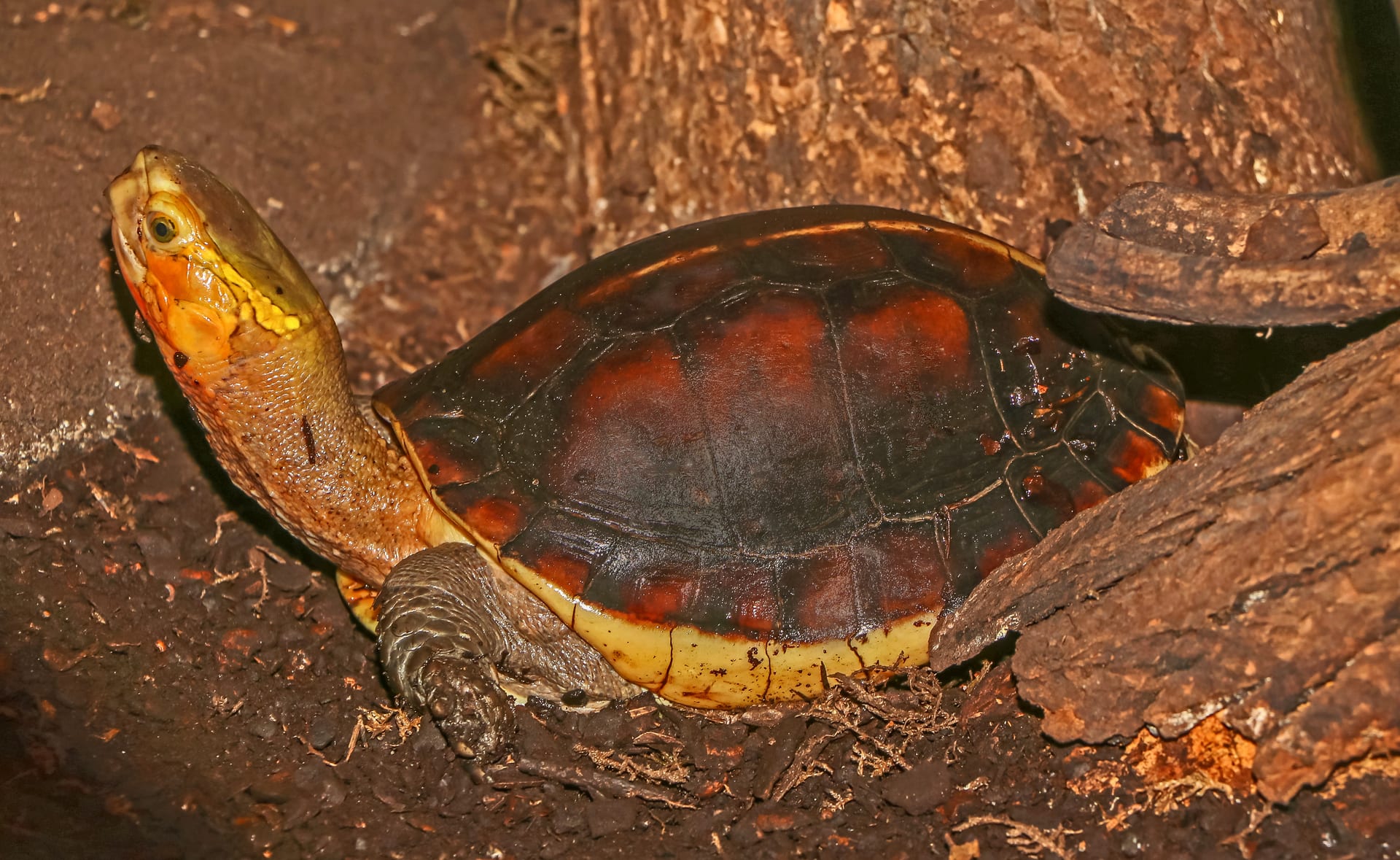
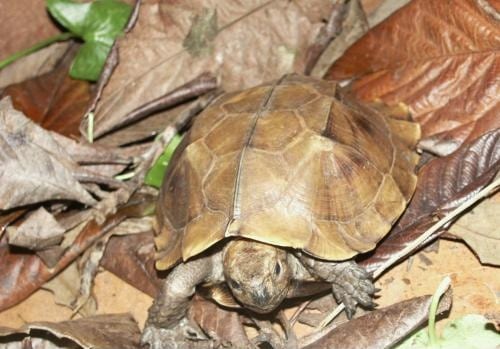
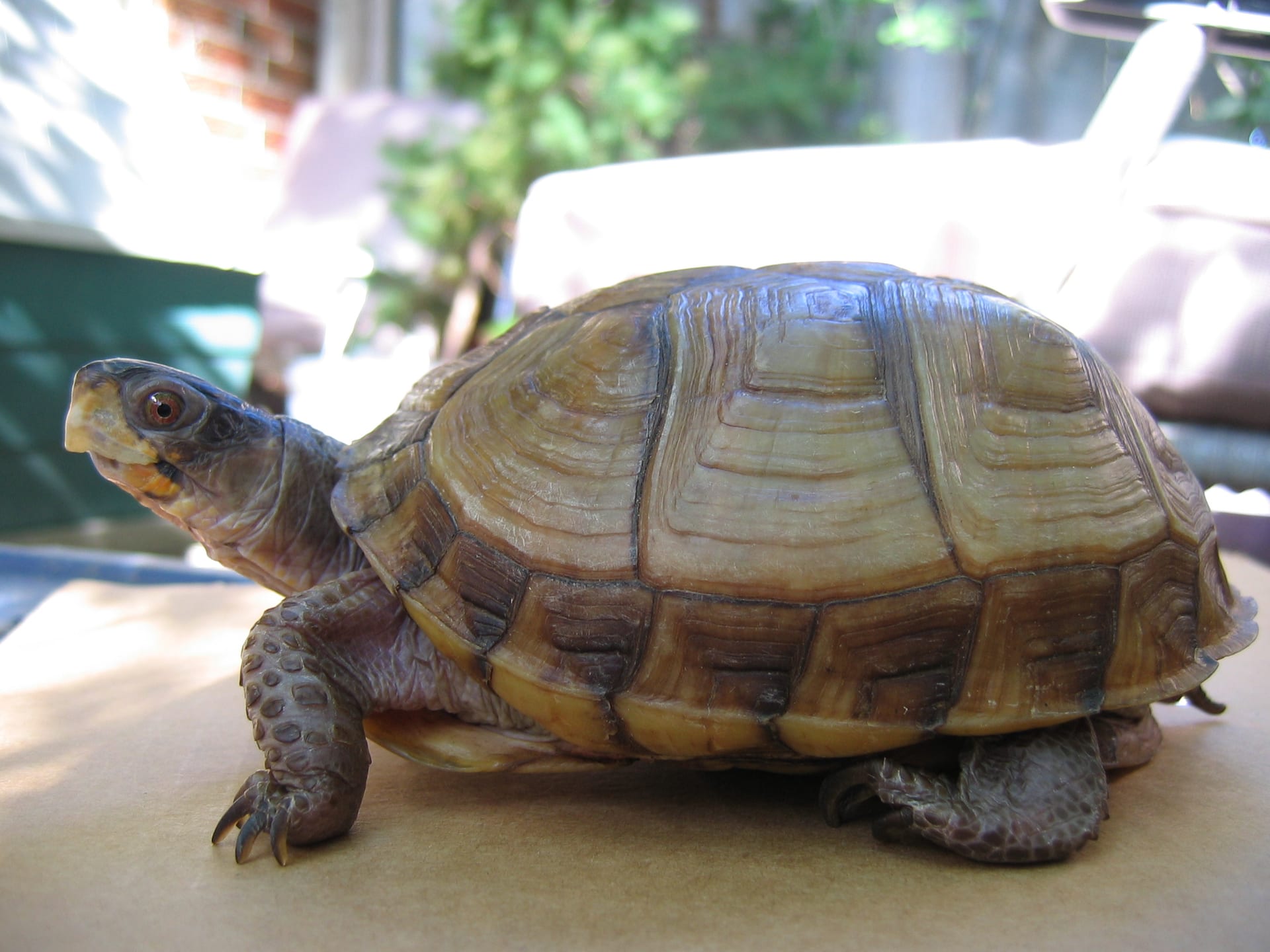
A North American box turtle named for the three toes on each hind foot. The olive or tan shell has little pattern, and males show yellow, red or orange spots on the head and throat.
Difficulty
Intermediate
Temperature
25〜32℃
Lifespan
Few captive lifespan data (plan for a long-lived pet)
Size
Carapace length 13-18 cm
Humidity
40〜70%
Diet
Omnivore (earthworms, insects, snails, fruit, mushrooms, leaves)
About
The three-toed box turtle is an emydid box turtle of the south-central United States (Alabama, Arkansas, Illinois, Kansas, Louisiana, Mississippi, Missouri, Oklahoma and Texas) and the state reptile of Missouri. Its classification is debated: the Reptile Database treats it as the species Terrapene triunguis, others regard it as T. carolina triunguis or place it with T. mexicana, and phylogenetic work suggests it may be better treated as a subspecies of T. carolina. CITES (Species+) includes it under T. carolina. Each hind foot usually has three toes, though four-toed animals occur and may be hybrids with the eastern box turtle. The domed carapace is 13-18 cm long, and its highest point lies farther back than in other box turtles. Shell and limb pattern is usually almost absent, leaving a uniform olive or tan color. The plastron is straw yellow with fewer dark markings, and males often have yellow, red or orange spots on the head and throat. It is an omnivore eating earthworms, insects, snails, slugs, fruit, mushrooms and leaves. In Japan it is available from specialist shops.
Source: Wikipedia (CC BY-SA 4.0)
Size of the Three-toed Box Turtle
The Three-toed Box Turtle grows to Carapace length 13-18 cm.
Basic Info
Origin
South-central United States (Missouri, Arkansas, Oklahoma, Texas, Louisiana and others)
Lifespan
Few captive lifespan data (plan for a long-lived pet)
Size
Carapace length 13-18 cm
Temperature
25〜32℃
References & Sources
Edited & verified by: BreederDirect editorial team
The taxonomic, regulatory, and husbandry data on this page are compiled and verified against the authoritative primary sources below.
Taxonomy & Authority
Accepted name: Terrapene triunguis (Agassiz, 1857)
Synonyms: Cistudo triunguis Agassiz, 1857, Terrapene carolina triunguis (Agassiz, 1857)
Authority databases: GBIF · The Reptile Database: Terrapene triunguis · GBIF: Terrapene triunguis
Nomenclature follows global taxonomic authority databases.
Regulations & Conservation Status
CITES Appendix II
Listed in CITES Appendix II. International trade requires an export permit from the country of origin, but no registration is needed to keep or transfer the animal within Japan. For CITES purposes it falls under Terrapene carolina (the whole genus Terrapene has been in Appendix II since 1995). The Reptile Database treats it as the separate species T. triunguis.
Sources: Species+ (CITES): Terrapene carolina
Regulations may change. Always verify the latest information with the relevant authorities.
Three-toed Box Turtle Listings
Loading latest listingsFind listings for this species