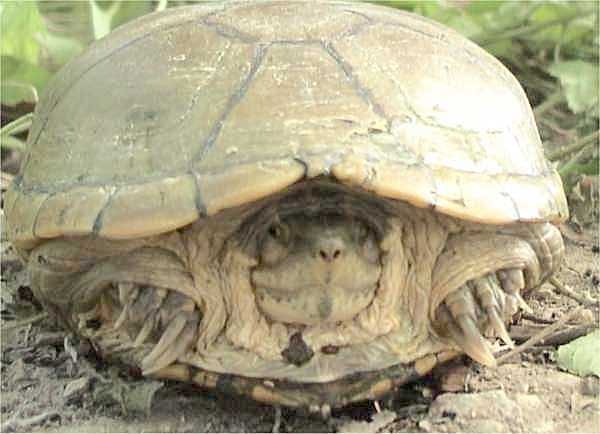
 © Dawson (English Wikipedia) / CC BY-SA 2.5
Yellow Mud Turtle
The Yellow Mud Turtle gets its name from the bright yellow coloring on its throat and the sides of its neck. This small turtle has a flattened carapace and a plastron with two hinges, giving it some protection when it feels threatened. Naturally reserved and inclined to spend long stretches hidden away, it suits keepers who enjoy quietly observing their animals rather than handling them often. In the wild, it spends most of the year underground in a dormant state called aestivation, an adaptation that helps it survive heat and dryness. Known for its longevity, this species can live for more than 40 years, so bringing one home means committing to a long-term companion. Because of its specific care needs, it's generally considered better suited to keepers with some reptile-keeping experience.
View Yellow Mud Turtle encyclopedia →0% commission on your first sales!Register by September 30, 2026 and your first 2 sales are commission-free!
Breeder Wanted!
List on BreederDirect and sell directly to customers nationwide!
6 Transparency Promises from Br-Choku
Every Reptiles & Amphibians from verified Breeder breeders includes complete information: morph, genetics, feeding requirements, and temperament details.
- Morph Information
- Actual Photos
- Feeding Information
- Temperament Information
- Genetics Information
- Age (Months)
Browse all 319 breeds
Difficulty Level
Feeding Type
Temperament
Verified breeders wanted for Reptiles & Amphibians
Breeders are signing up now ahead of launch. Subscribe to be notified when new listings go live.
Getting alerts is free with a member account. When new listings match your saved search, we'll notify you by email and in-app.
Browse other categories
Verified breeders (preview)
Are you raising reptiles & amphibians?
Register as a breeder and connect with buyers directly.
Apply as a breederYellow Mud Turtle key facts
- Care level
- Intermediate
- Lifespan
- More than 40 years
- Size
- Maximum carapace length 16.8 cm (males larger; females up to 12.8 cm)
- Diet
- Omnivore (worms, crayfish, frogs, snails, fish, aquatic insects, plants)
- Housing
- It forages on land and in water and burrows to rest, so provide shallow water plus a land area with soft, diggable substrate.
- Diet & Feeding
- An omnivore eating worms, crayfish, frogs, snails, fish, fairy shrimp, leeches, aquatic insects, plants and carrion; combine pellets with animal foods.
- Temperature & Humidity
- In the wild it estivates underground for most of the year and is active in the rainy season, so its activity varies strongly by season.
- Temperament
- Females have been seen staying with their nests from a few hours up to 38 days after laying.
- Health & Cautions
- It can live more than 40 years, so plan long term.
- Notes
- Former subspecies such as the Arizona mud turtle are now widely treated as separate species; check the scientific name and origin. Never release a captive animal into the wild.
About Yellow Mud Turtle
A small turtle named for the yellow coloring on its throat and neck, with a flattened shell and hinged plastron. It can live over 40 years and suits intermediate keepers who enjoy quiet observation.
7 things to know before welcoming a Yellow Mud Turtle
1Provide Deep, Diggable Substrate
Yellow Mud Turtles spend a lot of time buried in substrate. Give them a deep enough layer to burrow into and hide completely, and keep it from drying out too much.
2Balance Water and Land Areas
This species isn't fully aquatic — it moves between water and land. Set up both a shallow water area and a dry land area in the enclosure so it can move freely between them.
3Shy and Reserved by Nature
This turtle tends to be quiet and reserved, preferring to stay hidden rather than be out in the open. It's better suited to keepers who enjoy watching from a distance rather than frequent handling.
4A Unique Summer Dormancy
In the wild, this species spends most of the year dormant underground in a behavior called aestivation. In captivity, its activity level can vary a lot with the seasons and environment, so don't be alarmed by quiet periods — just keep observing.
5An Omnivorous, Varied Diet
Yellow Mud Turtles are omnivores that eat both animal and plant matter. Basing the diet on a quality commercial turtle food supplemented with varied nutritious items helps support long-term health.
6A Multi-Decade Commitment
This turtle can live for more than 40 years, so caring for it is a long-term commitment that extends well beyond adulthood. Before bringing one home, think carefully about whether you can provide care for the long haul.
7UV Light and Temperature Control
UVB lighting and proper temperature management are essential for healthy shell and bone development. Set up a basking spot and a temperature gradient so the turtle can regulate its own body temperature.
Frequently asked questions about Yellow Mud Turtle
- Q.How big do they grow?
- A.Males reach up to about 16.8 cm in carapace length, while females max out around 12.8 cm — males grow larger than females in this species.
- Q.Is this turtle suitable for beginners?
- A.The Yellow Mud Turtle is generally considered a species for intermediate keepers. It's best suited to those with some prior turtle-keeping experience, or beginners who thoroughly research its care needs first.
- Q.How long do Yellow Mud Turtles live?
- A.They're a long-lived species known to live for more than 40 years. It's important to consider whether you can commit to their care over such a long timeframe before bringing one home.
- Q.Does it need an aquatic setup or a land setup?
- A.It needs both — this species moves between water and land, so the enclosure should include a shallow water area as well as a dry land area. A layout that gives access to both is ideal.
- Q.My turtle suddenly buried itself and stopped eating — is that normal?
- A.Yellow Mud Turtles have a natural behavior called aestivation, where they burrow underground and become much less active. It's common for them to stay buried and go off food for a while during seasonal changes, so as long as there's no obvious sign of illness, it's fine to just keep an eye on them.
Useful tools for Yellow Mud Turtle care
Learn more about Yellow Mud Turtle in the encyclopedia
View Yellow Mud Turtle encyclopedia entry →
Care difficulty, lifespan, size and diet — all basics covered.
More in this category
Can't find the one you're looking for?
Post your wishes for free and breeders with matching animals will contact you with introductions.