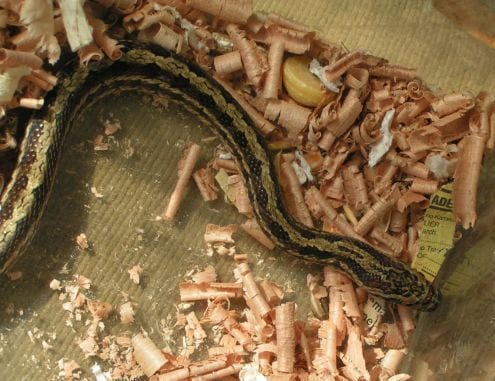
 © J. Polák / CC0
Twin-spotted Ratsnake
The Twin-spotted Ratsnake is a small colubrid native to central China, reaching an adult length of roughly 60 to 80 cm — a manageable size that makes it approachable for newer keepers. Individuals come in either a blotched or a striped color pattern, and the species can be told apart from the similar Amur Ratsnake by its V- or U-shaped head marking, versus the Amur's W-shaped mark. Generally calm in temperament and considered beginner-friendly, it does best in cooler conditions rather than the warm, humid setup typical of many colubrids. Documented data on captive lifespan is still limited, so it's worth planning for the possibility of long-term care.
View Twin-spotted Ratsnake encyclopedia →0% commission on your first sales!Register by September 30, 2026 and your first 2 sales are commission-free!
Breeder Wanted!
List on BreederDirect and sell directly to customers nationwide!
BreederDirect's 6 Transparency Commitments
Every Reptiles & Amphibians from verified Breeder breeders includes complete information: morph, genetics, feeding requirements, and temperament details.
- Morph Information
- Actual Photos
- Feeding Information
- Temperament Information
- Genetics Information
- Age (Months)
Browse all 319 breeds
Difficulty Level
Feeding Type
Temperament
Verified breeders wanted for Reptiles & Amphibians
Breeders are signing up now ahead of launch. Subscribe to be notified when new listings go live.
Getting alerts is free with a member account. When new listings match your saved search, we'll notify you by email and in-app.
Browse other categories
Verified breeders (preview)
Are you raising reptiles & amphibians?
Register as a breeder and connect with buyers directly.
Apply as a breederTwin-spotted Ratsnake key facts
- Care level
- Beginner-friendly
- Lifespan
- Few data on lifespan in captivity
- Size
- 60-80 cm total length (females larger)
- Diet
- Carnivore (small mice)
- Housing
- A small, secretive snake; use a compact enclosure with several hides and a slightly moist area.
- Temperature & Humidity
- It seems to prefer cooler temperatures and higher humidity; avoid overheating. A two- to three-month hibernation is typical.
- Diet & Feeding
- It prefers small prey; feed young to half-grown mice.
- Health & Cautions
- Most clutches of 3-10 eggs are laid in late spring and hatch in 35-48 days.
- Notes
- Steppe ratsnakes (E. dione) are sometimes sold as this species; a V- or U-shaped head mark indicates E. bimaculata, a W-shape E. dione. Never release a captive animal into the wild.
About Twin-spotted Ratsnake
The Twin-spotted Ratsnake is a small, calm colubrid from central China reaching 60–80 cm, with blotched or striped patterns and a beginner-friendly reputation.
7 things to know before welcoming a Twin-spotted Ratsnake
1Prefers Cool, Humid Conditions
Native to central China, the Twin-spotted Ratsnake is said to prefer relatively cool, humid conditions. Don't let temperatures climb too high in summer, and provide a slightly damp area within the enclosure.
2A Manageable 60–80cm Size
Adults typically reach 60 to 80 cm in length, with females usually growing larger than males. That's a manageable size for a snake, making enclosure placement easier than with larger species.
3Two Color Patterns
Twin-spotted Ratsnakes come in a blotched form and a striped form. Individual appearance can vary quite a bit even within the same species, which is part of the appeal.
4Telling It Apart from the Amur Ratsnake
The clearest identifying feature is the head marking: Twin-spotted Ratsnakes show a V- or U-shaped mark, while the similar Amur Ratsnake has a W-shaped mark. It's worth checking this point when bringing one home.
5Generally Calm Temperament
This species is generally considered fairly calm and easy to handle. That said, personality varies between individuals, so take time to let a newly acquired snake settle in before handling it much.
6Basic Feeding and Shedding Care
As with other ratsnakes, offer appropriately sized prey on a regular schedule and keep fresh water available at all times. Keep an eye on your snake's condition around shedding so you notice any changes early.
7Limited Data on Lifespan
There isn't yet much documented data on how long Twin-spotted Ratsnakes live in captivity. It's wise to plan for the possibility of a long-term commitment rather than assume a short one.
Frequently asked questions about Twin-spotted Ratsnake
- Q.Is this snake suitable for beginners?
- A.Yes, it's generally considered beginner-friendly and fairly easy to care for. That said, it prefers cooler conditions, so temperature management needs some attention.
- Q.How big does it get?
- A.Adults typically reach 60 to 80 cm in total length, with females usually slightly larger than males.
- Q.How long do Twin-spotted Ratsnakes live?
- A.There isn't much documented data yet on captive lifespan for this species. It's best to plan for potentially long-term care when considering one.
- Q.How is it different from the Amur Ratsnake?
- A.The easiest way to tell them apart is the head marking — Twin-spotted Ratsnakes have a V- or U-shaped mark, while Amur Ratsnakes have a W-shaped mark.
- Q.Is this species covered by CITES?
- A.No, the Twin-spotted Ratsnake is not listed under CITES.
Useful tools for Twin-spotted Ratsnake care
Learn more about Twin-spotted Ratsnake in the encyclopedia
View Twin-spotted Ratsnake encyclopedia entry →
Care difficulty, lifespan, size and diet — all basics covered.
More in this category
Can't find the one you're looking for?
Post your wishes for free and breeders with matching animals will contact you with introductions.