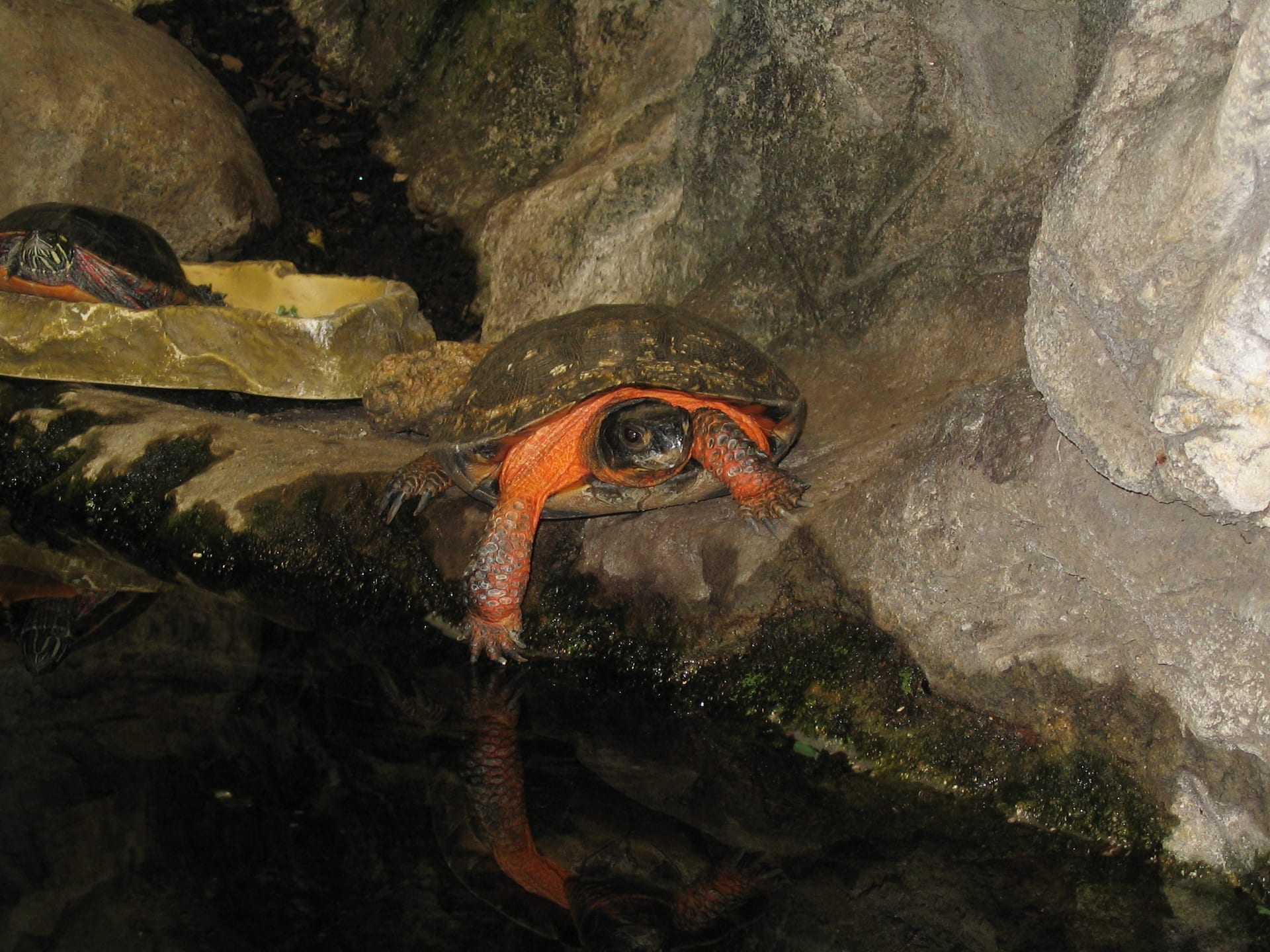
 © ZeWrestler / Public domain
Wood Turtle
The Wood Turtle is a North American pond turtle known for its sculpted shell. Each scute rises into a low pyramid and carries fine growth-ring markings. It lives around clear streams and moves between land and water, spending a good deal of time exploring on land. Adults reach a carapace length of 14 to 20 cm, and the species can live up to 40 years in the wild, with a captive record of 58 years. Care difficulty is rated advanced, so it suits keepers who are ready for a long commitment, a spacious setup, and clean, cool water.
View Wood Turtle encyclopedia →0% commission on your first sales!Register by September 30, 2026 and your first 2 sales are commission-free!
Breeder Wanted!
List on BreederDirect and sell directly to customers nationwide!
BreederDirect's 6 Transparency Commitments
Every Reptiles & Amphibians from verified Breeder breeders includes complete information: morph, genetics, feeding requirements, and temperament details.
- Morph Information
- Actual Photos
- Feeding Information
- Temperament Information
- Genetics Information
- Age (Months)
Browse all 319 breeds
Difficulty Level
Feeding Type
Temperament
Verified breeders wanted for Reptiles & Amphibians
Breeders are signing up now ahead of launch. Subscribe to be notified when new listings go live.
Getting alerts is free with a member account. When new listings match your saved search, we'll notify you by email and in-app.
Browse other categories
Verified breeders (preview)

Are you raising reptiles & amphibians?
Register as a breeder and connect with buyers directly.
Apply as a breederWood Turtle key facts
- Care level
- Advanced
- Lifespan
- Up to 40 years in the wild; 58 years recorded in captivity
- Size
- Carapace length 14-20 cm
- Diet
- Omnivore (earthworms, insects, greens, fruit)
- Housing
- A semi-aquatic turtle needing a large land area and shallow water. An experienced keeper limits water depth to about 12-15 cm to prevent males drowning females during mating.
- Diet & Feeding
- An omnivore that feeds on land or in water: earthworms, small crickets and pellets, plus leafy greens such as romaine and fruit like melon and banana for adults.
- Temperature & Humidity
- In the wild it hibernates in winter and estivates in midsummer; adults are often kept with seasonal temperature changes.
- Temperament
- Known for intelligence; tame animals come running at feeding time.
- Health & Cautions
- Slow to mature and long-lived (40 years wild, 58 captive), so plan long term.
- Notes
- It is not the same as Japan's native Japanese pond turtle. Never release a captive animal into the wild.
About Wood Turtle
The Wood Turtle is a North American pond turtle with pyramid-shaped scutes and growth-ring patterns. Adults reach 14 to 20 cm, and a 58-year captive record exists. Learn about advanced-level care and what to know before bringing one home.
7 things to know before welcoming a Wood Turtle
1Advanced-Level Care
The Wood Turtle is rated as an advanced-level species. It uses both land and water and needs careful attention to temperature and water quality, so it suits keepers with previous turtle experience. If it would be your first turtle, research the equipment and effort involved before deciding.
2Provide Land and Water
This semi-aquatic turtle moves between land and water around clear streams. It needs a water area that is easy to enter and leave, plus a roomy land area for walking around. Unlike turtles that stay mostly in the water, it spends a lot of time on land, so plan the layout with that in mind.
3Adult Size Matters
Adults reach a carapace length of 14 to 20 cm. Ideally, plan a generous enclosure from the start with the full-grown size in mind. If you keep the turtle outdoors, you also need to guard against escapes, predators, and summer heat.
4Heat and Water Quality
This turtle lives around cool, clear streams and is considered poorly suited to prolonged high temperatures, so think ahead about summer room temperature. Its water also fouls easily. Good filtration and regular water changes help keep it clean and can reduce the risk of shell and skin problems.
5Balanced Omnivore Diet
In the wild it eats a mix of insects, earthworms, plants, and fruit. In captivity, offer animal-based and plant-based foods in balance, and consider calcium supplementation and UV lighting. Watch how it eats and adjust so the diet does not become too repetitive.
6Curious but Hands-Off
Wood Turtles are curious and enjoy exploring their enclosure. Some individuals dislike being handled, so avoid frequent picking up and enjoy them mainly by watching. Temperament varies, so it is reassuring to ask the breeder about personality and how used to people the turtle is before you decide.
7Prepare for a Long Life
Wood Turtles have lived up to 40 years in the wild, and one captive record reaches 58 years. Plan for decades of care, including changes in your living situation and who will look after the turtle in the future. It is also wise to find a veterinary clinic that treats reptiles before you bring one home.
Frequently asked questions about Wood Turtle
- Q.Can beginners keep a Wood Turtle?
- A.Care difficulty is rated advanced, so we recommend thinking carefully before choosing it as a first turtle. You need a setup with both land and water, plus careful control of temperature and water quality. It suits experienced keepers or those who have researched thoroughly.
- Q.How long do Wood Turtles live?
- A.They have lived up to 40 years in the wild, and there is a captive record of 58 years. Not every individual will live that long, but you should be ready to provide care over a very long time. Consider how your circumstances may change before bringing one home.
- Q.Can I keep it in a water tank alone?
- A.A water-only tank is not enough. It also needs a spacious land area for walking around. Adults reach a carapace length of 14 to 20 cm, so provide plenty of room, and make the water area easy to enter and exit.
- Q.What do Wood Turtles eat?
- A.They are omnivores, eating animal foods such as insects and earthworms as well as plant foods such as leafy greens and fruit. Feed a balanced mix and pay attention to calcium supplementation. It is reassuring to confirm the specific feeding routine with the breeder before you bring one home.
- Q.Is the Wood Turtle listed under CITES?
- A.Yes, the Wood Turtle is listed in CITES Appendix II. For details such as an individual's origin and husbandry history, it is best to ask the breeder before you bring one home.
Useful tools for Wood Turtle care
Learn more about Wood Turtle in the encyclopedia
View Wood Turtle encyclopedia entry →
Care difficulty, lifespan, size and diet — all basics covered.
More in this category
Can't find the one you're looking for?
Post your wishes for free and breeders with matching animals will contact you with introductions.